If you're looking at an Australian Kelpie, you're looking at a masterclass in efficient, medium-sized canine engineering. They're not the biggest dogs on the farm, but they're arguably the most purpose-built. Their size is a direct result of their job: to herd sheep and cattle across vast Australian stations for hours on end. Too big, and they'd lack the agility and stamina. Too small, and they wouldn't have the presence to control livestock. So, how big do these canine athletes actually get? Let's cut past the generic ranges and get into the specifics that really matter for owners.
What's in this Kelpie Size Guide?
Australian Kelpie Size: Official Breed Standards
The breed standard, as set by the Australian National Kennel Council (ANKC), is the blueprint. It calls for a dog that is slightly longer than tall, giving that characteristic rectangular, work-ready silhouette. This isn't just for looks; that length provides a powerful, driving gait.
Key Takeaway: The ideal Kelpie isn't square or bulky. It's a lean, elongated athlete built for endurance, not brute strength.
Here’s the breakdown you'll find in the official standard, but remember, these are ideals for the show ring. Many purebred working Kelpies might fall just outside these specs but be perfectly functional.
| Gender | Height (at the shoulder) | Weight |
|---|---|---|
| Male | 46–51 cm (18–20 in) | 14–20 kg (31–44 lbs) |
| Female | 43–48 cm (17–19 in) | 11–18 kg (24–40 lbs) |
You'll notice the weight range is quite broad. That's because bone density and muscle mass vary hugely. A lean, rangy Kelpie from a long-distance herding line might sit at the lower end, while a stockier, more muscular dog from a yard-dog background could be at the top—and both could be perfectly fit.
How to Measure Your Kelpie's Height Correctly
Most people do this wrong. You can't just eyeball it or measure from the head. For the official "height at the withers," you need a measuring stick or a level surface and a tape measure.
Here's the right way:
1. Stand your dog on a flat, level surface. A non-slip floor is best.
2. Find the withers. That's the highest point of the shoulder blades, where the neck and back meet. Feel for the bony protrusion.
3. Place your measuring stick or a book/level flat across the withers, perpendicular to the ground.
4. Measure straight down from the bottom of the level to the floor.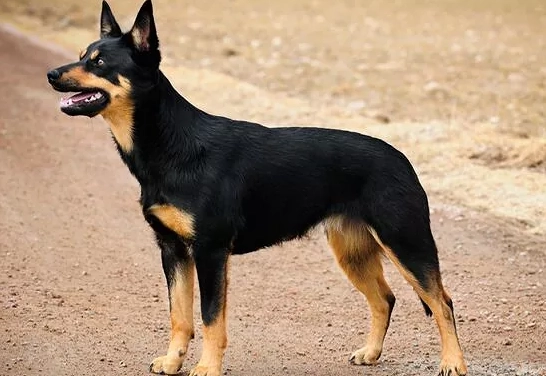
Get someone to help hold your Kelpie still. They tend to wiggle. Do it three times and take the average.
Kelpie Weight Ranges & Healthy Weight Management
This is where new owners get tripped up. The number on the scale is less important than the Body Condition Score (BCS). I've seen too many Kelpies labeled "skinny" by concerned neighbors when they're actually at a perfect, ripped working weight.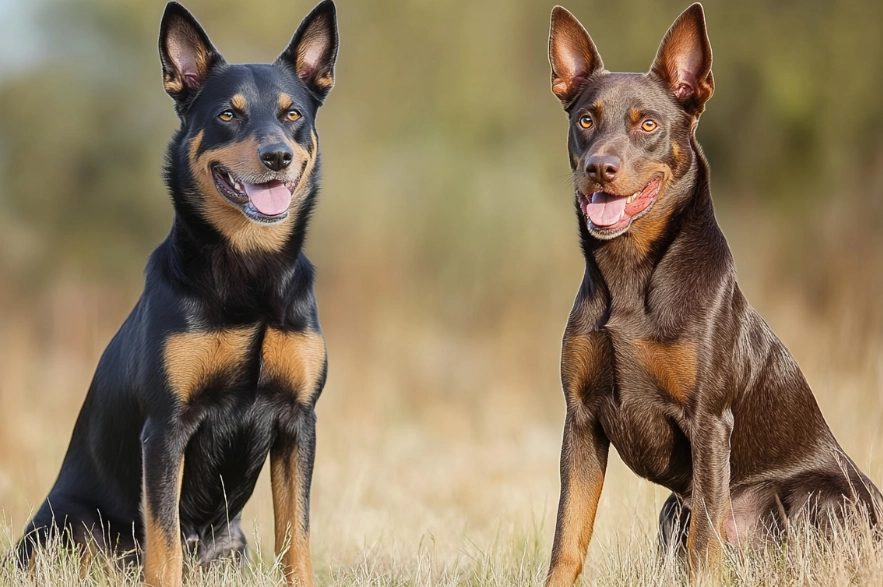
Use this hands-on guide, not just your eyes:
Ideal (BCS 4-5/9): You can easily feel their ribs under a very thin layer of fat. They have a distinct waist when viewed from above, and an abdominal tuck (belly goes up) when viewed from the side. This dog looks lean and athletic.
Too Thin (BCS 1-3/9): Ribs, spine, and hip bones are prominently visible with no fat cover. Severe waist and abdominal tuck. This needs a vet check.
Overweight (BCS 6-9/9): Can't feel ribs without pressing hard. No visible waist; back may look broad and flat. Abdominal tuck is absent. This is dangerous for their joints.
Expert Insight: A fat Kelpie is a miserable Kelpie. Carrying extra weight directly contradicts their genetics and puts them at high risk for joint injuries, heat stress, and reduced stamina. It's the single biggest size-related mistake owners make.
From Pup to Adult: Kelpie Growth Stages
Kelpie puppies grow fast. They're not a giant breed, so their growth plates close earlier. Here's what to expect:
0-3 Months (Neonatal & Socialization): They're tiny bundles of energy, doubling or tripling their birth weight. This is all about nutrition and safe socialization.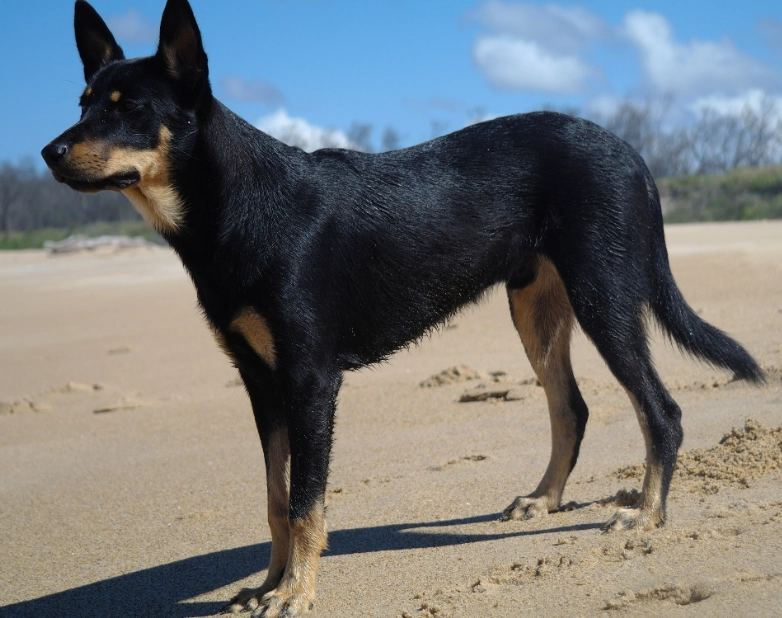
3-6 Months (Rapid Growth): This is the gangly stage. Legs seem too long, paws too big. They gain height quickly. Feed a high-quality puppy food for medium breeds to support this burst.
6-12 Months (Filling Out): Height growth slows around 8-10 months. They start to put on muscle and "fill out" their frame. This is when you transition to adult food, usually around 12 months.
12-18 Months (Maturity): Most Kelpies reach their full adult height by 12-14 months, but continue to gain muscle and mental maturity until about 18 months. A male might add a few pounds of solid muscle in this period.
Avoid high-impact exercise like long jogs or agility jumps until they're at least 12-14 months old to protect those developing joints, even if they seem full of energy.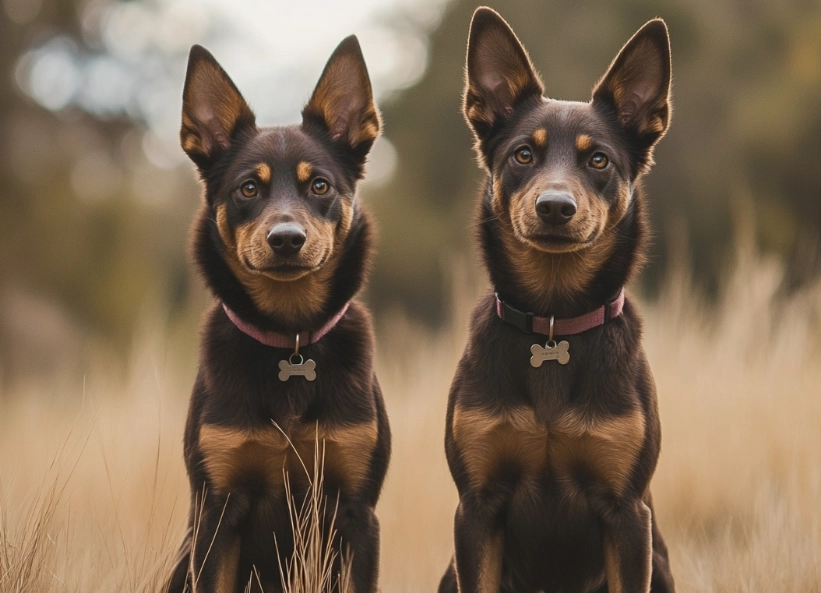
Common Size & Structure Issues in Kelpies
Not every Kelpie is textbook perfect. Some variations are harmless, others need attention.
Overly Large or Small: Sometimes genetics throw a curveball. A Kelpie significantly over 22 inches or under 16 inches is outside the standard. As long as they are proportionally sound and healthy, it's usually just an aesthetic issue—unless it's due to a thyroid or other hormonal problem, which a vet should rule out.
Legginess: Some lines, particularly certain working strains, can be leggier. This can sometimes be associated with a narrower chest. It's fine if the dog is functional, but can sometimes hint at less-than-ideal angulation in the shoulders or hindquarters.
The "Barrel-Chested" Kelpie: This is often a sign of being overweight, not of good bone. A true, broad chest is muscular, not fatty. Don't confuse the two.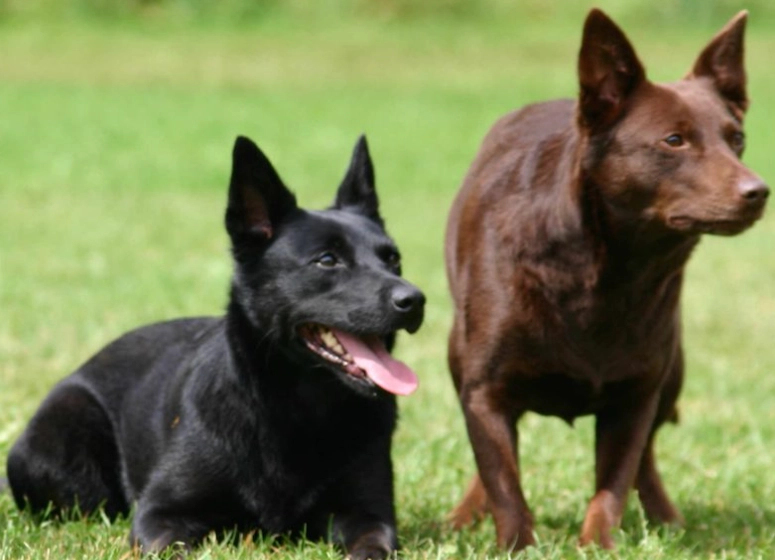
Your Kelpie Size Questions Answered
Understanding your Australian Kelpie's size is about more than numbers. It's about recognizing the physique of a canine endurance athlete. Their lean weight, moderate height, and balanced proportions are what allow them to do the job they were bred for—whether that's herding sheep or simply herding your family around the park for hours. Focus on condition over kilograms, and you'll have a happy, healthy Kelpie built for a long, active life.
Reader Comments