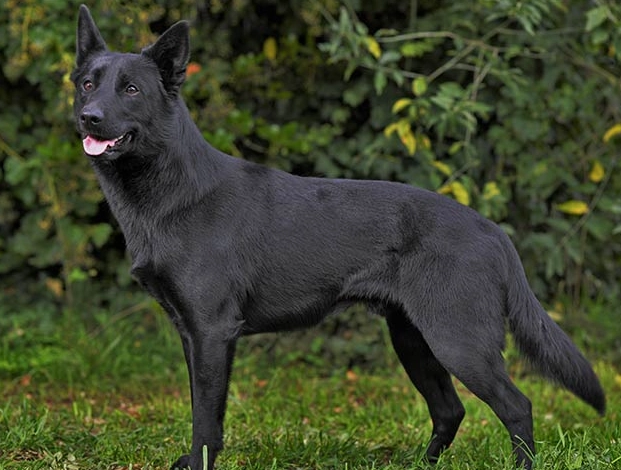
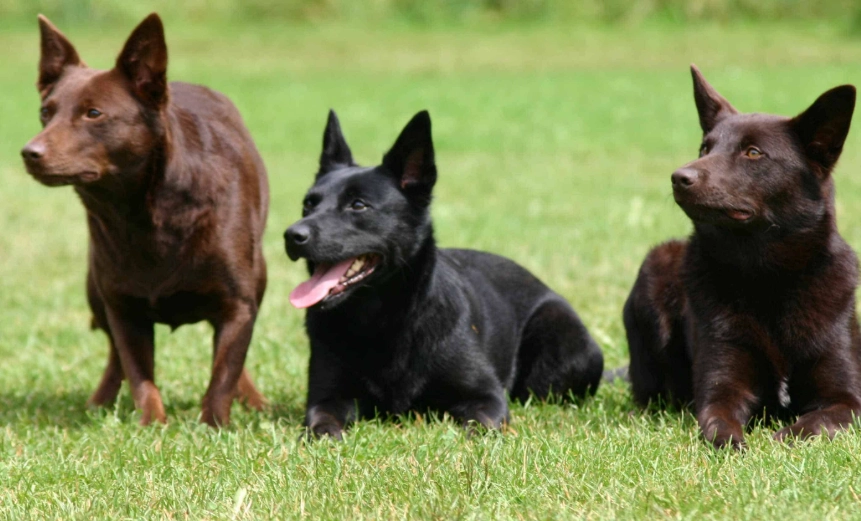
If you're drawn to the sleek, intense look of an Australian Kelpie black, you're probably curious about what it's really like to live with one. I've worked with this breed for over a decade, and let me tell you—they're not your average dog. This isn't just a pet; it's a commitment to a working animal with a mind that never stops. In this guide, I'll break down everything from their herding instincts to the nitty-gritty of daily care, based on real experiences and common pitfalls I've seen owners face. The Australian Kelpie black refers to the black-coated variety of the Kelpie breed, a herding dog developed in Australia for tough, remote sheep stations. Contrary to some myths, the color doesn't affect temperament—black Kelpies are just as driven and intelligent as their red or tan counterparts. According to the Australian National Kennel Council (ANKC) breed standard, Kelpies come in various colors, with black being one of the most striking and common. Kelpies emerged in the late 19th century from crosses between British collies and possibly wild dingoes. They were bred to handle Australia's harsh outback, herding sheep over vast distances with minimal guidance. That history explains their independence and stamina. I've met old-time farmers who swear by black Kelpies for their focus in dusty conditions—the dark coat might blend less with livestock, making them easier to spot. Think athletic and lean. A black Kelpie typically weighs 25-45 pounds and stands 17-20 inches tall. Their coat is short, dense, and weather-resistant, often with a glossy sheen that catches the light. Some have tan markings on the chest or legs, but a solid black is pure elegance. Their eyes are almond-shaped and alert, usually brown or amber, giving them that piercing gaze. Quick Fact: Don't confuse them with the Australian Cattle Dog—Kelpies are lighter and more agile, built for endurance over brute force. Yes, they're energetic, but that's just the surface. A black Kelpie's mind is always working. They're problem-solvers who get bored easily. I've seen owners make the mistake of thinking a long run is enough, only to find their dog chewing furniture out of sheer boredom. This instinct is hardwired. Even in a home setting, a Kelpie might try to herd children, cats, or even your legs. It's not aggression; it's their job. I recall one client whose black Kelpie would circle the family during walks, nipping gently at heels to keep everyone together. Training can channel this, but it never fully disappears. Start early. Expose a Kelpie puppy to various people, animals, and environments. Without this, they can become wary or overly protective. A well-socialized black Kelpie is confident and adaptable, but skip this step, and you might have a dog that barks at every stranger. Training a Kelpie isn't about brute force; it's about partnership. They respect consistency and intelligence. Use positive reinforcement—treats, praise, toys—but keep sessions short and varied. Here's a common mistake: repeating commands too often. Kelpies learn fast and get bored with repetition. Mix in tricks, agility drills, or scent work to keep their mind engaged. Consider advanced obedience or dog sports like agility, flyball, or herding trials. Kelpies excel here because they love having a job. I've trained black Kelpies for search-and-rescue; their focus and stamina are unmatched. Start with basic commands, then gradually introduce complex tasks to prevent burnout. Generally healthy, but they have breed-specific issues. A black Kelpie can live 12-15 years with proper care. Common health problems include hip dysplasia, progressive retinal atrophy (PRA), and exercise-induced collapse (EIC). Regular vet check-ups and a balanced diet are key. I recommend feeding high-quality food and avoiding over-exercise in heat, as they can overheat quickly. Annual vet visits, dental care, and a balanced diet are crucial. Kelpies are active, so they need protein-rich food. Watch for weight gain—obesity strains their joints. I've seen cases where owners overfeed, thinking high energy means more calories, but moderation is key. Let's take a hypothetical scenario: the Smith family in a suburban house with a medium-sized yard. They adopt a black Kelpie puppy named Shadow. Here's how they manage: Daily Routine: Morning: 45-minute run or fetch session. Afternoon: 30-minute training with obedience and puzzle toys. Evening: 30-minute walk or play in the yard. Plus, interactive feeders for meals to slow eating and add mental challenge. Challenges: Shadow tries to herd the neighbor's cat. The Smiths use positive reinforcement to redirect this behavior into a game of chase-the-toy. They also enroll in agility classes, which Shadow loves. Outcome: After six months, Shadow is well-adjusted but still needs constant engagement. The Smiths learn that a Kelpie isn't a casual pet—it's a lifestyle. They spend about $100 monthly on food, $200 annually on vet care, and $300 on training classes, but the bond is worth it. Personal Note: I once fostered a black Kelpie from a shelter. He was surrendered because the owners couldn't handle his energy. With structured routine and job-like tasks, he transformed into a calm, focused companion. It's all about meeting their needs. In summary, an Australian Kelpie black is a remarkable dog for the right owner—someone active, patient, and willing to invest time in training and stimulation. They're not for everyone, but if you're up for the challenge, the loyalty and companionship are unparalleled. Remember, it's not just about having a dog; it's about partnering with a working breed that thrives on purpose.What's Inside This Guide
What Exactly is an Australian Kelpie Black?
Breed Origins and History
Physical Characteristics of the Black Kelpie
The Kelpie Temperament: More Than Just Energy

Herding Instinct and Behavior
Socialization Needs
How to Train Your Australian Kelpie Black Effectively
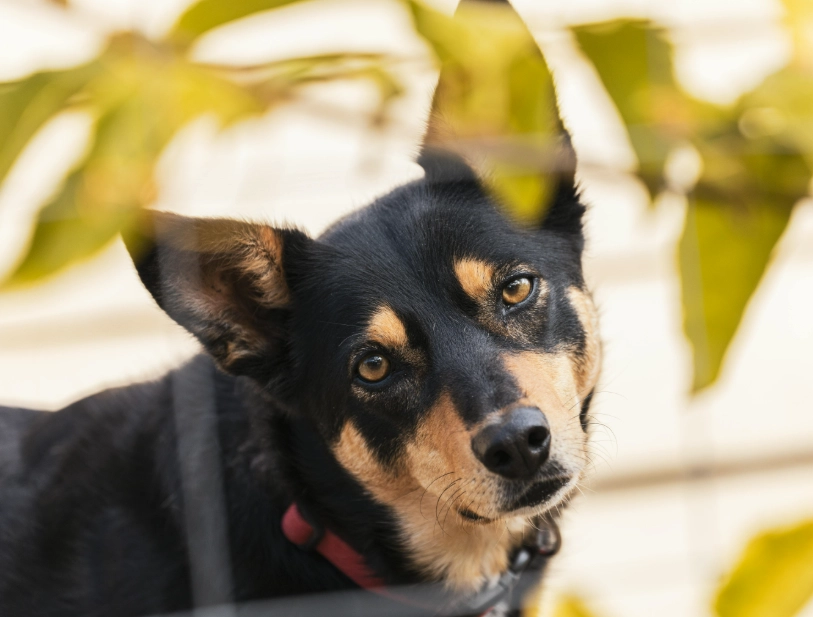
Common Training Mistakes to Avoid
Advanced Training Tips
Health and Lifespan of the Black Kelpie

Health Issue
Symptoms
Prevention/Treatment
Hip Dysplasia
Limping, difficulty rising
Regular exercise, weight management, vet checks
Progressive Retinal Atrophy (PRA)
Night blindness, dilated pupils
Genetic testing, regular eye exams
Exercise-Induced Collapse (EIC)
Weakness, collapse after intense activity
Avoid overexertion, monitor during exercise
Preventive Care
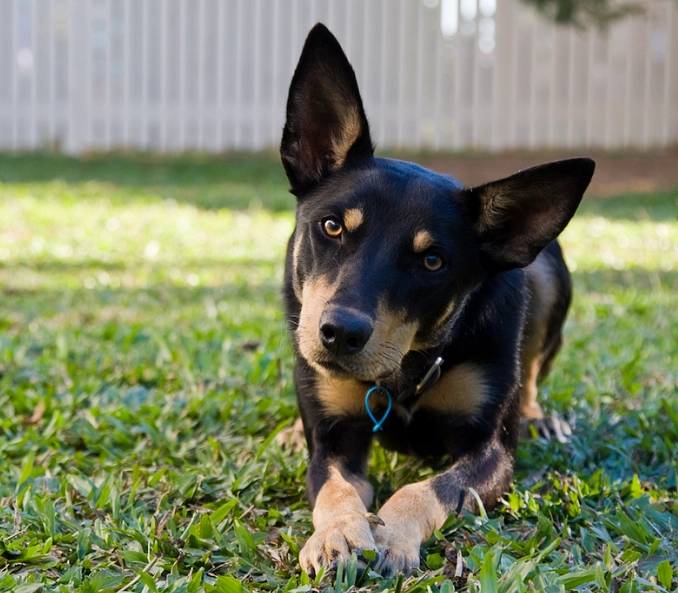
Real-Life Case: Raising a Kelpie in a Suburban Home

Frequently Asked Questions (FAQ)
Can an Australian Kelpie black live comfortably in an apartment?
It's extremely challenging and generally not recommended. Kelpies are bred for herding and need substantial physical and mental stimulation. Without a large yard or frequent, intense exercise, they can develop destructive behaviors like chewing or excessive barking. I've seen owners in apartments struggle unless they commit to multiple hours of daily activity, including running, agility training, and puzzle toys. Even then, the dog's innate drive to work can lead to frustration in confined spaces.
How much daily exercise does a black Kelpie actually need?
Forget the generic 'one hour a day' advice. A healthy adult Kelpie requires a minimum of 2-3 hours of vigorous activity. This isn't just a walk; it should mix running (like fetch or jogging), structured training sessions that engage their mind, and tasks that mimic herding, such as agility courses. I recommend splitting it into morning and evening sessions to prevent boredom. Without this, you'll likely deal with a hyperactive, anxious dog.
What are the most common health problems in Australian Kelpie blacks?
While generally robust, they're prone to certain conditions. Hip dysplasia is a concern, so ask breeders for Orthopedic Foundation for Animals (OFA) certifications. Progressive retinal atrophy (PRA) can lead to blindness; regular eye checks are crucial. A lesser-known issue is exercise-induced collapse (EIC) in some lines, where overexertion causes weakness. I've found that maintaining a lean weight and avoiding extreme heat during exercise helps mitigate risks. Annual vet visits are non-negotiable.
Is the Australian Kelpie black good with children and other pets?
With proper socialization, yes, but there's a catch. Kelpies have a strong herding instinct and may nip at heels or try to 'round up' kids or smaller pets, which can be startling. I advise supervising all interactions and teaching children to respect the dog's space. Early exposure to other animals is key, but their prey drive might make them chase cats or small animals. It's not aggression; it's ingrained behavior that requires consistent training to manage.
Comment