Let's talk about Australian Kelpie weight. It's not just a number on a scale. For this legendary working dog, weight is a direct reflection of health, stamina, and their ability to do what they were bred for. Get it wrong, and you're looking at a dog that's either lacking energy or straining its joints. Get it right, and you have a lean, lightning-fast partner ready for anything.
I've seen too many Kelpies—both show lines and working stock—carrying extra pounds because their owners thought a "healthy appetite" was cute. I've also seen lean farm dogs mistaken for being underfed. This guide cuts through the guesswork.
In This Kelpie Weight Guide
Why Australian Kelpie Weight Matters More Than a Number
You can't judge a Kelpie by a breed standard weight alone. The official range from bodies like the American Kennel Club is 25-45 pounds (11-20 kg). That's a huge spread. Why?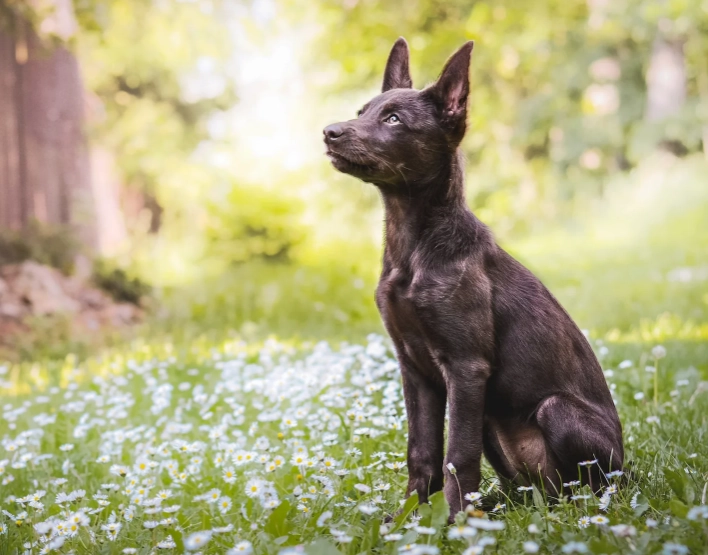
Working lines, especially those from stock-herding backgrounds, are often lighter, more wiry, and built for endurance. Show lines might have a slightly stockier build. Males are typically heavier than females. A fit, muscular 35-pound Kelpie will look completely different from a flabby 35-pound Kelpie.
The real metric is body condition score. You should be able to easily feel their ribs with a slight fat covering, see a clear waist from above, and an abdominal tuck from the side. If you have to press to find ribs, there's too much fat.
An overweight Kelpie isn't just "chunky." It's a dog at high risk for early arthritis, ligament injuries, and heat exhaustion. Their drive doesn't diminish with weight, so they'll push through discomfort, causing more damage.
An underweight Kelpie, unless from a health issue, is often a case of not feeding enough high-quality calories for their insane activity level.
Australian Kelpie Weight Chart by Age & Sex
This table gives you a framework, but remember, individual genetics are king. Use it as a guide, not a gospel.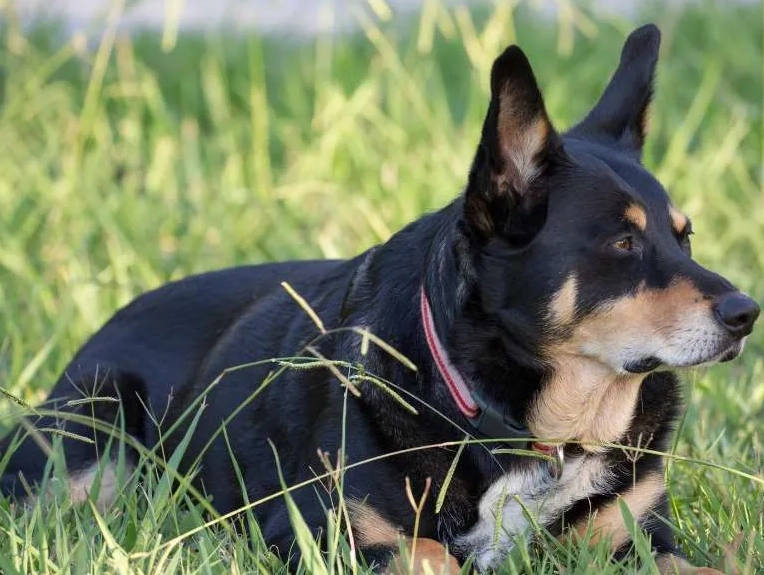
| Age | Male Weight Range | Female Weight Range | Notes |
|---|---|---|---|
| 3 Months | 9-12 lbs (4-5.5 kg) | 8-11 lbs (3.5-5 kg) | Rapid growth phase. Feed high-quality puppy formula. |
| 6 Months | 18-25 lbs (8-11.5 kg) | 16-22 lbs (7-10 kg) | Looks gawky, all legs. Don't panic if they seem slim. |
| 12 Months | 28-38 lbs (13-17 kg) | 25-33 lbs (11-15 kg) | Near adult height. Muscle filling out begins. |
| Adult (18-24+ Months) | 33-45 lbs (15-20 kg) | 25-35 lbs (11-16 kg) | Weight should stabilize. Focus on body condition. |
See the difference between males and females? It's significant. A 30-pound female could be perfectly fit, while a 30-pound male might be on the lighter side. Always assess visually and physically.
How to Achieve and Maintain Your Kelpie's Ideal Weight
This is the practical part. It boils down to two things: what goes in, and what gets burned.
Feeding for a Lean Machine
Forget blindly following the cup recommendation on the bag. Those are averages for a moderately active dog. Most Kelpies are highly active.
Choose a food formulated for active or working breeds. Look for a named meat as the first ingredient, and a fat content between 15-20%. Protein should be high, think 25-30%. This supports muscle, not fat.
Start with the amount suggested for your dog's target weight. Use a measuring cup, but better yet, a kitchen scale for grams or ounces. Accuracy matters.
Here's the non-consensus part: Dry kibble alone is often not enough for hard-working Kelpies. It's volume without always the needed calorie density. Consider adding wet food, a dollop of plain yogurt, or a bit of high-quality oil (fish, coconut) to bump calories healthily. I often recommend splitting meals into three a day for better energy levels and metabolism.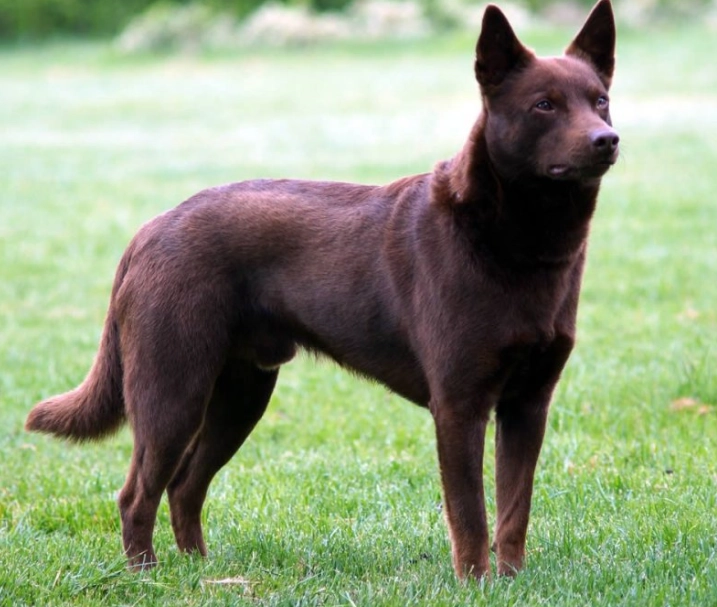
The Exercise Equation
Walking isn't enough. A Kelpie needs a job. That could be:
- High-intensity fetch or flirt pole sessions (20-30 mins).
- Agility, flyball, or herding training.
- Long, off-leash hikes over varied terrain.
- Mental work like advanced obedience or nosework.
Exercise maintains muscle tone and burns calories, but again, you can't out-run a bad diet. A 30-minute sprint might burn 200 calories. A large dog biscuit can be 150.
Common Weight-Related Scenarios and Solutions
Let's walk through two real-world examples.
Scenario 1: The "Skinny" Farm Kelpie (Max)
Max is 2 years old, 31 pounds. He works sheep 4 hours a day. His owner is worried he's too thin. Upon checking, his ribs are easily felt but not visible, he has a sharp waist, and powerful muscle definition. This is an ideal working weight. Forcing more weight on Max would slow him down and increase heat stroke risk. The solution here is ensuring his diet is calorie-dense enough to fuel his work, not necessarily to make him heavier.
Scenario 2: The "Healthy" Pet Kelpie (Bella)
Bella is 3 years old, 38 pounds. She gets two 30-minute walks daily and plays in the yard. Her owner thinks she's fine because she's "within breed standard." But Bella's ribs require a firm press to feel, her waist is blurred from above, and she tires quickly on hikes. Bella is overweight. The solution isn't more walks; it's a 10-15% reduction in her daily food intake, cutting out high-calorie treats, and swapping one walk for a session of running or swimming to build muscle.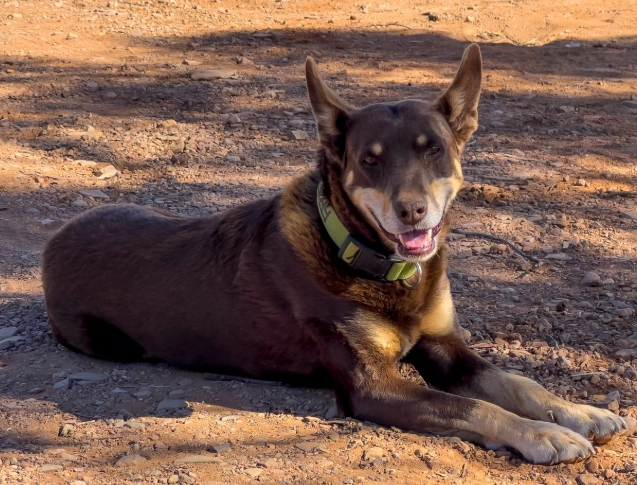
Your Australian Kelpie Weight Questions Answered
Managing your Australian Kelpie's weight is an ongoing part of responsible ownership. It's not about strict numbers, but about observing, feeling, and adjusting. Aim for that lean, athletic build where you can see the ripple of muscle when they move. That's when you know you've got it right—a healthy, happy Kelpie built for a long, active life by your side.
Reader Comments