You're not just looking for a dog. You're looking for a partner, a family member, maybe even a hunting companion. The American Leopard Hound, with its striking coat and storied history, often catches the eye. But behind those keen eyes lies a specific, powerful temperament forged for work. This isn't a generic breed profile. Let's cut through the fluff and talk about what living with a Leopard Hound is actually like—the deep loyalty, the relentless energy, the independent streak, and whether your lifestyle is a match. Forget vague labels like "friendly" or "active." To get this breed, you need to understand its blueprint. Developed in the southern United States for hunting game like raccoons, boar, and even big cats, the American Leopard Hound is a problem-solver. They weren't bred to sit and look pretty; they were bred to think, track, and work independently for hours, often away from their handler's direct sight. This history shapes everything. Their temperament is a fascinating, sometimes challenging, blend of opposites. I've seen too many people focus on the loyalty and beauty, only to be completely overwhelmed by the energy and independence. This dog doesn't just want a walk. It needs a mission. Their loyalty is immense, but it's not passive. It's the loyalty of a dedicated coworker, not a lapdog. They show affection through partnership—following you from room to room, keeping an eye on the kids in the yard, leaning against you after a long hike. But they also expect you to hold up your end of the bargain: providing clear leadership and sufficient activity. A bored, under-stimulated Leopard Hound is an unhappy one, and their loyalty can morph into anxious, needy behavior. This is the million-dollar question. The answer is a conditional yes, but with major, non-negotiable caveats. With older, respectful children, a properly socialized American Leopard Hound can be a wonderful, playful, and protective companion. They are typically sturdy and tolerant. However, their high energy and tendency to jump and bump can accidentally knock over toddlers. Supervision is always mandatory, and kids must be taught how to interact calmly. The real make-or-break factor isn't the dog's love for kids; it's the family's ability to meet the dog's needs. A household already stretched thin with young children's schedules might struggle to provide the 60-90 minutes of dedicated, intense exercise this breed requires daily. That unmet need is where problems start. Many sources say they are "good with other dogs." This is generally true, but with a critical nuance: they are often good with other dogs in a working or active context. Dog parks can be a mixed bag. Their play style is rough, loud, and chase-oriented, which can intimidate milder breeds. Successful multi-dog homes usually involve dogs of similar energy and play style, and introductions must be slow and controlled. Let's be direct. The American Leopard Hound's prey drive is a core component of its personality, not a minor footnote. Coexisting with cats, rabbits, or pet birds is a high-risk situation. While some individuals, especially those raised together from puppyhood, can learn tolerance, the instinct never disappears. Trust is built on management: baby gates, separate rooms, and never leaving them unsupervised together. If you have a cherished cat, this breed introduces a constant, manageable but real, level of risk. Training an American Leopard Hound is less about teaching commands and more about building a cooperative relationship. They respond poorly to harsh, repetitive, or heavy-handed methods. That independent streak means they'll simply disengage. What works: Positive reinforcement (high-value treats, praise, play), consistency, and making training a game. They excel at scent work, barn hunt, agility, and advanced obedience—activities that engage their mind and body. Start socialization the day you bring your puppy home. Expose them to diverse people, surfaces, sounds, and other animals in a positive way. This builds confidence and curbs potential wariness. Now, let's talk exercise. A leashed walk around the block is a warm-up, not a workout. I knew an owner who thought two 20-minute walks a day would suffice. Within a month, the dog had redesigned their sofa and learned to open the backyard gate. The problem wasn't the dog; it was a fundamental mismatch between expectation and genetic design. American Leopard Hounds are typically alert and reserved with strangers. They are not usually indiscriminately friendly like some retrievers. This wariness, paired with their deep loyalty, makes them excellent watchdogs. They will let you know when someone is at the door with that powerful voice. However, they are not typically guard dogs in the aggressive sense. Their default is to alert and observe, not to attack. With proper introductions, they will usually warm up to frequent visitors. The goal of socialization is to teach them to be calmly observant of new people, not to expect them to become the life of the party. Their social behavior with other dogs, as mentioned, is best with a purpose. A hiking buddy or a fellow canine athlete is ideal. Random dog park visits can be overstimulating and may not bring out their best side. Can an American Leopard Hound live happily in an apartment? It's an extremely challenging fit. American Leopard Hounds are high-energy, vocal, and bred for wide-open spaces. Apartment life often leads to pent-up energy, which manifests as destructive chewing, excessive barking, and anxiety. Success requires a minimum of two dedicated, high-intensity exercise sessions daily (think running, hiking, or advanced dog sports) and immediate, consistent training for quiet behavior. Even then, their strong voice and need for space make them far better suited to homes with a securely fenced yard. Are American Leopard Hounds good for first-time dog owners? Generally, no. Their independent, problem-solving nature means they can be stubborn and require a handler who understands canine motivation beyond simple obedience. First-time owners often struggle with their high prey drive and vocal nature. This breed responds best to positive reinforcement paired with firm, consistent leadership. Experience with other intelligent, driven breeds (like heelers, huskies, or some hounds) is a significant advantage. How do American Leopard Hounds typically behave around cats or small pets? Their high prey drive is a fundamental trait. While early, controlled socialization can foster tolerance, it rarely eliminates the instinct to chase. Many Leopard Hounds will never be trustworthy with cats, rabbits, or other small animals. Management is key: strict separation, leashed control, and never leaving them unsupervised together. Some individuals may coexist peacefully with a cat they were raised with from puppyhood, but this is not the breed's default setting. You must be prepared for lifelong management. What are the most common behavioral issues seen in American Leopard Hounds? The top issues stem directly from unmet needs. Destructive behavior (chewing, digging) is almost always a sign of insufficient physical and mental exercise. Excessive barking or howling can be boredom, alerting, or separation anxiety. Escaping is a combination of high energy, intelligence, and prey drive—they'll find a way out if they're motivated by a scent or just plain bored. Selective hearing/stubbornness in training occurs when the activity isn't engaging or rewarding enough for them. Addressing the root cause (more/better exercise, mental stimulation, consistent training) is the only effective solution. The American Leopard Hound is a remarkable dog for the right person or family. Their temperament offers unwavering loyalty, hilarious intelligence, and a zest for adventure that's contagious. But they are not a low-maintenance pet. They demand time, energy, and understanding. If you can provide a job, ample space to move, and patient, savvy leadership, you'll gain a partner like no other. If your life is more sedentary or your expectations lean toward a calm couch companion, this brilliant, energetic hound will likely frustrate both of you. The key is honest self-assessment before falling for those beautiful leopard-like spots.Quick Guide: What's Inside
Understanding the American Leopard Hound's Core Temperament

Trait
What It Means
Potential Challenge
Loyal & Affectionate
Deeply bonded to their family. Often forms a particularly strong attachment to one person.
Can develop separation anxiety if not properly conditioned to being alone.
High-Energy & Driven
Possesses stamina that can feel endless. Needs a job or vigorous activity daily.
Without an outlet, energy turns into destructive behavior: digging, chewing, escaping.
Intelligent & Independent
Brilliant at solving puzzles (like how to open a gate). Thinks for itself.
Can be stubborn. Doesn't obey blindly; needs a reason. Gets bored with repetitive drills.
Strong Prey Drive
A fundamental, hardwired instinct to chase moving objects—squirrels, cats, bikes.
Off-leash reliability is rare. Small pet households require extreme management.
Vocal
Uses a distinctive bay, bark, and howl to communicate, especially when excited or on a scent.
Not ideal for apartments or close-quarters living where noise is an issue.
The Loyalty Paradox
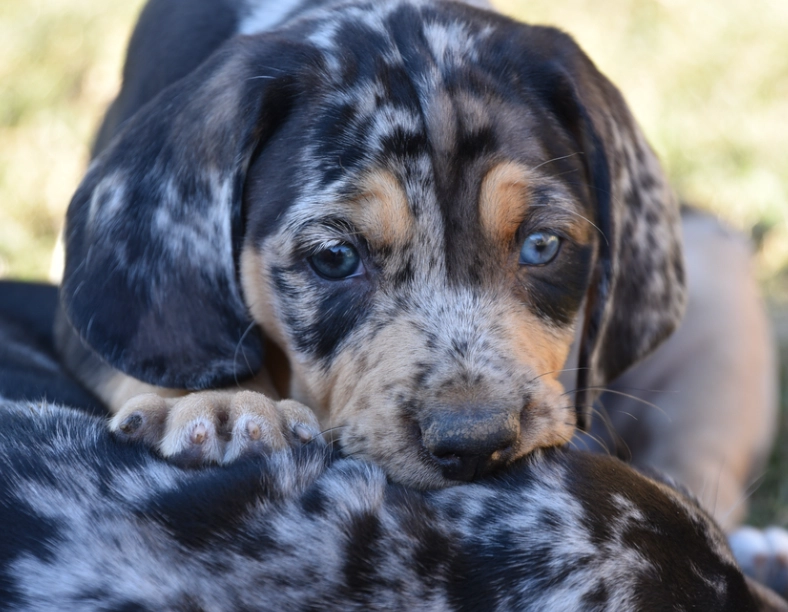
Are American Leopard Hounds Good Family Dogs?
A Key Distinction Often Missed
The Other Pet Equation
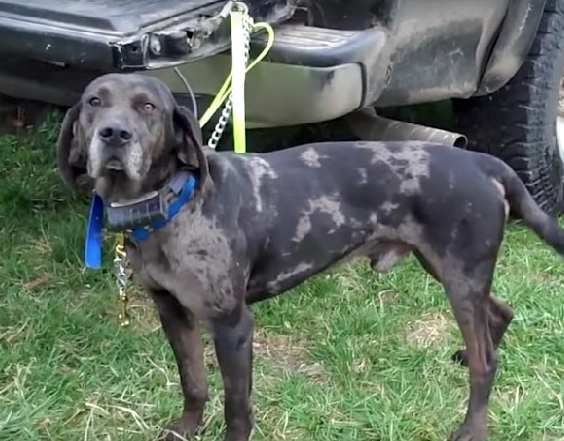
Training & Exercise: Non-Negotiable Needs


Social Butterfly or Guardian? Navigating Their Instincts
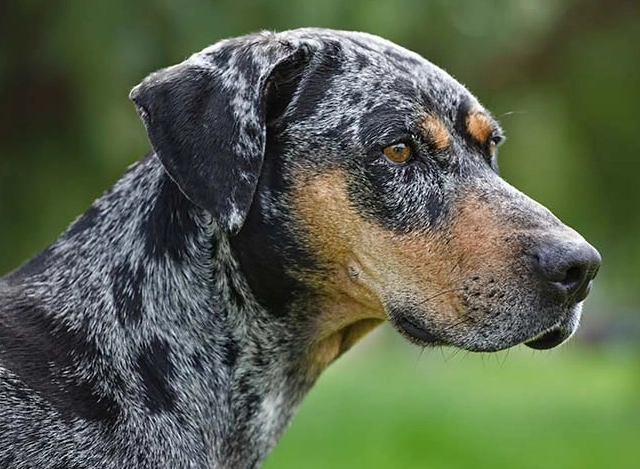
Your American Leopard Hound Temperament Questions Answered
American Leopard Hound Temperament Guide: Loyalty, Energy & Family Fit
Comment