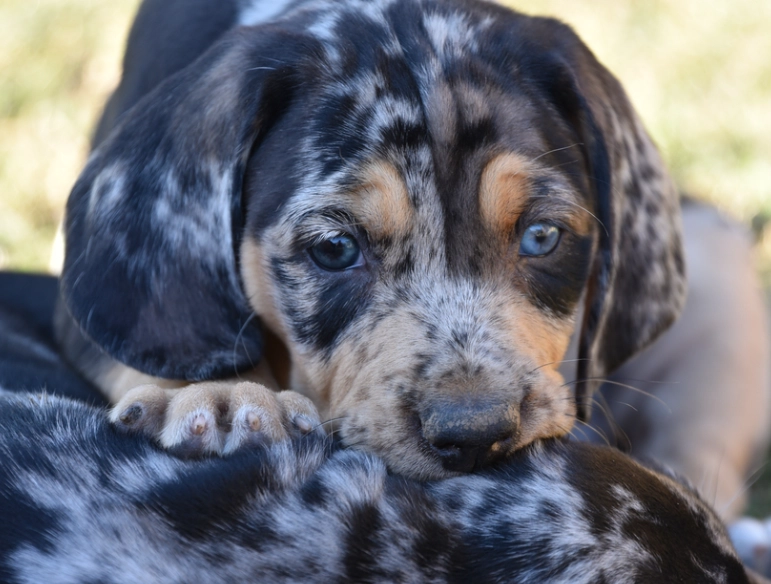
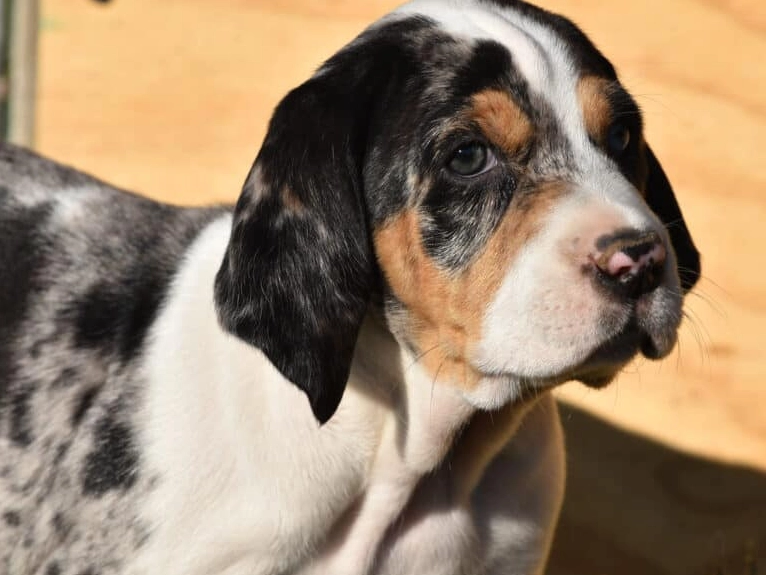
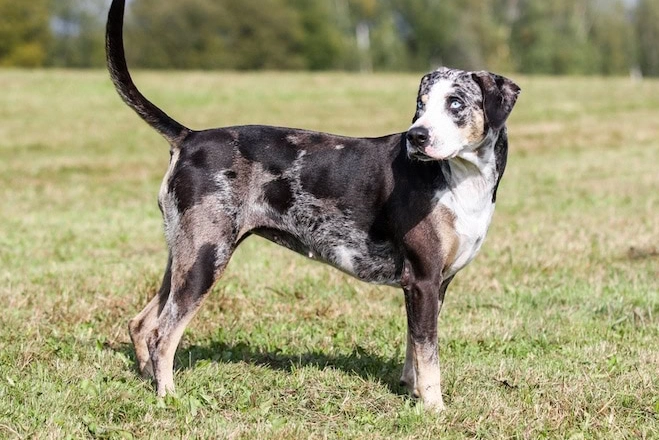
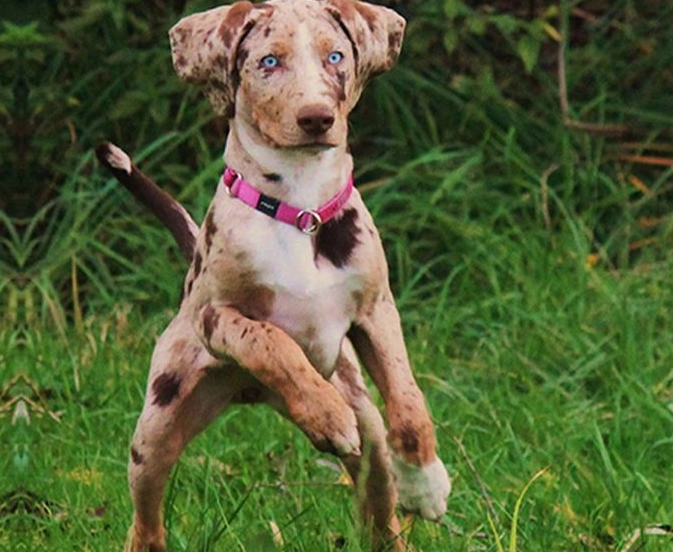
The short answer is yes, but with a massive asterisk. An American Leopard Hound can be a phenomenal, loyal, and affectionate family member, but they are not a universal fit. Think of them less as a generic "family dog" and more as a high-performance vehicle. In the right hands—an active, engaged, and dog-savvy family—they're incredible. In a sedentary or inexperienced home, you're headed for frustration. I've spent years around working breeds, and the Leopard Hound's reputation for being a "thinking man's" hunting dog translates directly into family life. They're not just pets; they're partners that demand engagement. Before we talk family life, you need to know what you're dealing with. The American Leopard Hound is a scent hound with roots deep in the American South, developed to track and tree game like raccoons and squirrels. They're recognized by the United Kennel Club (UKC) and are known for their endurance, intelligence, and that distinctive coat—merle, brindle, or solid, often with ticking. This isn't a breed created for the couch. Every instinct in them is tuned for activity and purpose. The American Kennel Club (AKC) doesn't yet fully recognize them, but breed clubs like the American Leopard Hound Association are dedicated to preserving their working heritage. That heritage is the single most important thing to understand. A Quick Reality Check: Many online breed profiles will list them as "good with children" and "loyal" and leave it at that. That's a surface-level truth that can lead to mismatched homes. The loyalty is intense, but it's earned through partnership, not just provided freely to a passive owner. Let's get into the nitty-gritty of how a Leopard Hound operates in a household. Their temperament with kids is generally excellent—they are patient and sturdy. But there's a critical caveat: they match energy for energy. A calm, respectful child will have a gentle companion. A child who runs, screams, and plays rough will have a dog who wants to run, jump, and play rough right back. This isn't aggression; it's exuberance. Supervision is non-negotiable, not because the dog is dangerous, but because a 50-pound dog in full play mode can accidentally knock over a toddler. I recall a friend's Leopard Hound, Max. With the older kids playing soccer, Max was the best goalie you never asked for, leaping and herding the ball. With the baby crawling on the floor, Max would lie down completely still, just watching. He understood the difference. But that understanding came from years of gentle guidance. This is the biggest potential deal-breaker for many families. They are hunting dogs. Their genetic code tells them to chase small, furry creatures. Introducing an American Leopard Hound to a home with cats, rabbits, or small dogs requires extreme caution, meticulous early socialization, and an acceptance of some level of inherent risk. It can work, especially if the hound is raised from puppyhood with the other pet. But even then, their chase instinct can be triggered by the pet's sudden movement. With other dogs, especially of similar size and energy, they often do very well, viewing them as part of the "pack." They tend to be friendly with strangers, though some can be reserved or aloof. They're not typically guard dogs in the sense of being protective aggressors, but their deep bark and alert nature make them excellent watchdogs. They'll let you know someone's at the door long before the bell rings. If you get a Leopard Hound, you are signing up for a lifetime of mental engagement. Their intelligence is a double-edged sword. Early and extensive socialization is not a suggestion; it's a requirement. From 8 to 16 weeks, they need positive exposure to everything: different people, dogs, sounds, surfaces, and vehicles. A poorly socialized Leopard Hound can become fearful or reactive, which is a tough road with a dog this strong-willed. Training must be consistent, positive, and interesting. They get bored with endless repetition. Use reward-based methods (high-value treats, praise, play). A common mistake I see is owners trying to use harsh corrections. This breed will shut down or become stubborn. You need to be smarter and more motivated than they are. Turning obedience into a game—like hide-and-seek with a "come" command—works wonders. Their independent nature means recall (coming when called) is a lifelong training project, especially if they catch an interesting scent. A secure, fenced area is a must for off-leash freedom. This is a generally healthy, rugged breed with a lifespan of 12-15 years. Responsible breeders screen for issues like hip dysplasia. You can find health information through resources like the Orthopedic Foundation for Animals (OFA) database. Exercise: This is your biggest daily commitment. We're talking 60-90+ minutes of vigorous activity. Not just a walk around the block. They need running, hiking, structured play like fetch or flirt poles, or a "job" like nose work. A tired Leopard Hound is a good Leopard Hound. An under-exercised one will dig, chew, bark, and find their own (destructive) fun. Grooming: Easy. Their short coat needs a weekly brushing to remove loose hair. They shed moderately. Baths only as needed. Diet: A high-quality diet appropriate for an active, medium-to-large breed. Be mindful of portion control; they love food and can gain weight if their exercise routine slips. Ask yourself these questions honestly: If you answered "yes" to all of these, an American Leopard Hound could be your family's ultimate adventure buddy. If several answers were "no" or "maybe," there are many other wonderful breeds that might suit your home life with less pressure. Can an American Leopard Hound be happy in an apartment? It's an extremely challenging fit. American Leopard Hounds are bred for endurance and have a powerful need for vigorous, daily exercise and mental stimulation. Apartment living typically lacks the space for them to stretch their legs and release energy safely. Without a dedicated, active lifestyle that includes long runs, hikes, or a secure yard, they are likely to develop destructive behaviors and anxiety. This breed thrives in homes with direct access to safe, open spaces. Are American Leopard Hounds easy to train for first-time dog owners? They present a significant challenge for novice owners. Their intelligence is paired with a strong independent streak, a trait essential for a hunting dog that must make decisions away from its handler. They can become bored with repetitive drills and may question the purpose of a command. Success requires consistency, patience, and turning training into a engaging game. An owner unfamiliar with positive reinforcement techniques and managing a dog's independent will might find the process frustrating. How much do American Leopard Hounds shed and drool? Shedding is moderate but consistent. They have a short, dense coat that sheds year-round, with noticeable increases during seasonal changes in spring and fall. Weekly brushing with a rubber curry brush or slicker brush helps manage loose hair. On the drool front, they are not heavy droolers like some giant breeds. You might see a little slobber after drinking water or during intense excitement, but it's not a defining characteristic of the breed. What is the typical lifespan of an American Leopard Hound? American Leopard Hounds are generally a robust and healthy breed with a lifespan of 12 to 15 years. Their longevity is attributed to their working dog genetics and the fact that they are not overbred. Maintaining a healthy weight through proper diet and ample exercise is one of the most significant factors in ensuring they live a long, active life. Responsible breeders screen for common issues like hip dysplasia to further support the health of the breed. So, are they good family dogs? For the right family—one that views a dog as an active project and a partner in adventure—they are absolutely brilliant. For a family seeking a low-maintenance, easy-going companion to lounge with, they are almost certainly the wrong choice. It all comes down to matching their historic purpose with your modern-day lifestyle.Quick Jump: What You'll Find Inside
Breed Basics: More Than Just Spots
The Family Compatibility Deep Dive
With Children: Energetic Playmate, Not a Nanny
With Other Pets: Prey Drive is a Real Factor
The Social Butterfly (Sometimes)

Family Scenario
American Leopard Hound Fit
Reasoning
The Active, Outdoorsy Family (hiking, running, camping)
Excellent Fit
Their energy and stamina are assets. They thrive on being included in adventures.
The First-Time Dog Owners in an Apartment
Very Poor Fit
High exercise needs and independent streak will likely lead to destructive behavior and owner frustration.
The Family with Young Kids & a Cat
Challenging, Risky Fit
High prey drive requires constant management. May be too boisterous for very small children.
The Suburban Family with a Fenced Yard & Older Kids
Good to Great Fit
Space to run and kids who can engage in structured play (fetch, agility) are ideal.
Training & Socialization: Non-Negotiables

Health & Daily Care Needs

Making the Decision: Is This Your Dog?
Your Questions, Answered
American Leopard Hound Family Guide: Temperament, Kids & Care
Comment