Let's cut straight to the point. No, American Leopard Hounds are not inherently aggressive dogs. That's the simple answer most people are looking for. But if you stop there, you're missing the whole story—and potentially setting yourself and the dog up for problems. The real question isn't about a simple yes or no. It's about understanding what "aggression" means for a purpose-bred hunting dog with a strong independent streak. I've seen too many of these dogs labeled as "problematic" simply because their owners misunderstood high prey drive for aggression, or confused aloofness with hostility.
What You'll Learn in This Guide
Understanding the American Leopard Hound’s True Nature
The American Leopard Hound is a rare, ancient breed developed in the Southern United States for hunting game like raccoons, squirrels, and even big game like bears and boars. According to the United Kennel Club (UKC), which officially recognizes the breed, they are known for their "courage, loyalty, and independence." That last word—independence—is the key that unlocks their temperament.
Think of them as the skilled tradesperson of the dog world. They're brilliant at their job (hunting), but they don't need you looking over their shoulder every second telling them how to do it. This isn't a Velcro dog that lives for your approval. That independence is often misread as stubbornness or even a lack of bonding, but it's just how they're wired. They bond deeply, but on their own terms.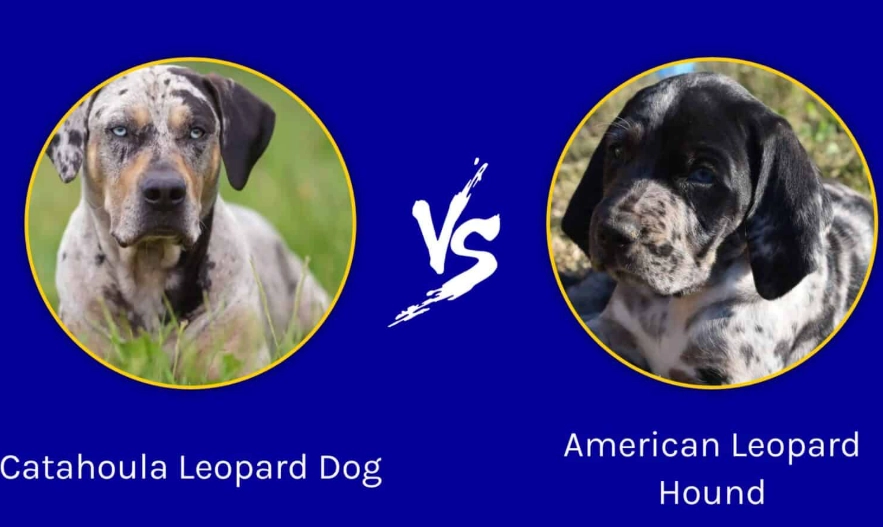
Their primary instinct is prey drive. This is a focused, intense desire to chase. It's not anger. It's not malice. It's a hardwired biological imperative. A squirrel darting across the yard triggers a sequence in their brain that says "CHASE" not "I hate that squirrel and want to hurt it." Confusing this drive with aggression is the most common mistake I see. An aggressive dog acts out of fear, territoriality, or frustration. A high-drive hunting dog is acting out of pure, channeled instinct.
Key Factors That Shape an American Leopard Hound’s Behavior
Labeling any breed as "aggressive" or "not aggressive" is useless without context. A dog's behavior is a product of genetics, upbringing, training, and environment. For American Leopard Hounds, these factors are magnified because of their specific drives.
Genetics and Breeding Lines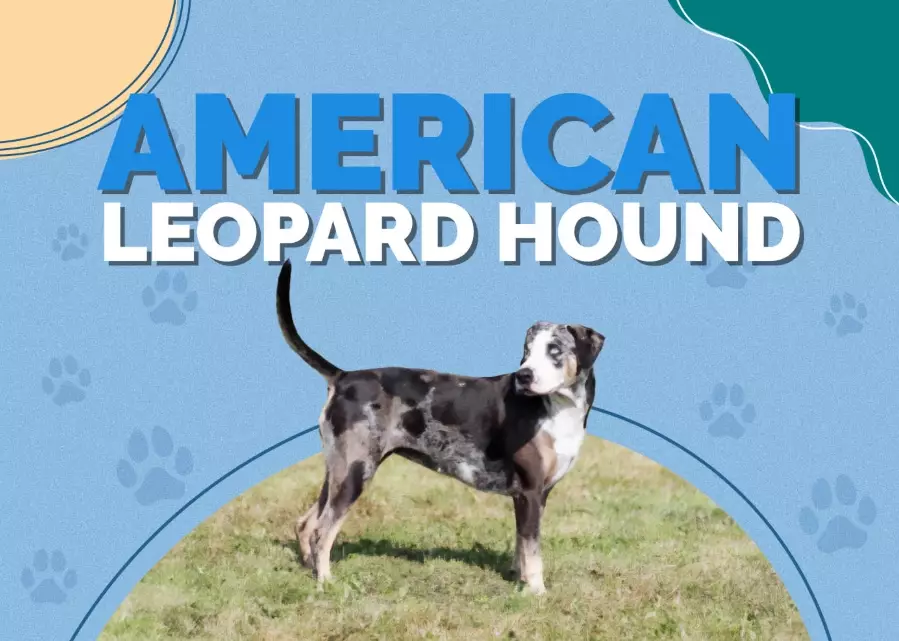
This is where you must do your homework. Reputable breeders prioritize stable temperaments. They health-test their dogs and select for traits like biddability (willingness to work with you) alongside hunting ability. I've encountered dogs from poorly planned backyard breedings where the sole focus was "extreme game drive," resulting in animals that were incredibly difficult to manage in a home setting—not because they were mean, but because their off-switch was completely broken.
Ask a breeder: "Can I meet the dam (mother)? What is her personality like around strangers and in the home?" A nervous or reactive mother is a huge red flag.
Socialization: The Non-Negotiable Foundation
This isn't just about taking your puppy to the park. For an American Leopard Hound, socialization is about building positive associations with the modern world during their critical window (roughly 3 to 16 weeks). You need to expose them to:
- Urban stimuli: Traffic noises, skateboards, people in hats/uniforms, loud children.
- Various people: Men with deep voices, toddlers, elderly people with canes.
- Other animals: In controlled, positive settings. Remember, their instinct is to chase. Early positive exposure to cats or other small pets must be managed with extreme care and may not ever be fully safe.
Poor or non-existent socialization can lead to fear-based reactions, which can manifest as aggression. A dog that's never seen a bicycle may panic and lunge when one zooms by.
Training Philosophy: Partnership Over Dominance
Forget the old-school "alpha dog" nonsense. It doesn't work on these independent thinkers, and trying to dominate them will often create resentment or shutdown. What works is partnership-based training.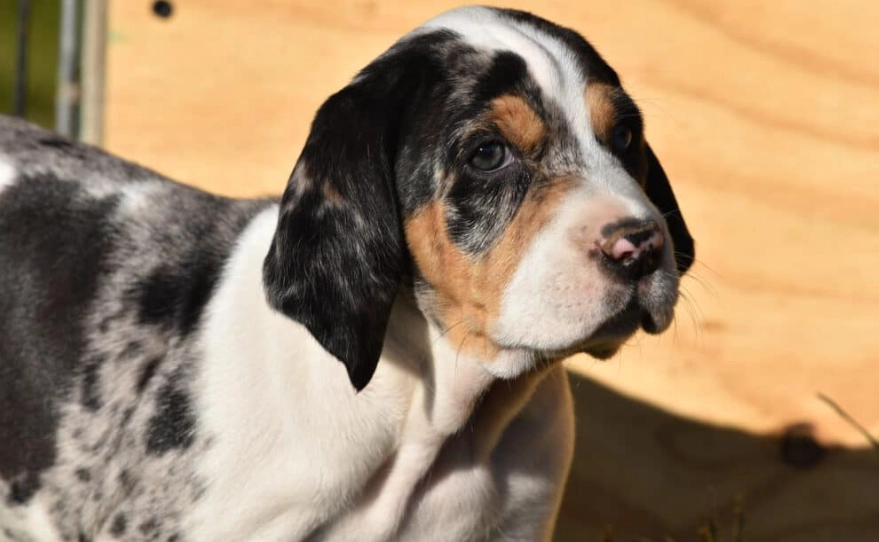
You need to become the source of all good things. Food, fun, adventure. Use positive reinforcement (treats, praise, play) to motivate them. Their intelligence means they learn commands quickly, but their independence means they'll frequently ask "What's in it for me?" Consistency is non-negotiable. If jumping on the couch is sometimes allowed and sometimes not, you're teaching them that your rules are arbitrary.
The biggest training challenge is recall (coming when called). When their prey drive is engaged, your voice competes with centuries of breeding. This is where a long-line leash and practicing in increasingly distracting environments is crucial. Never punish a dog for finally coming back to you, even if it took five minutes. You'll just teach them that coming back ends the fun *and* gets them in trouble.
Exercise and Mental Stimulation Needs
An under-exercised, bored American Leopard Hound is a recipe for destructive and potentially problematic behavior. This is not a couch potato breed. We're talking about 60-90 minutes of vigorous activity daily.
This isn't just a walk around the block. Think:
- Long hikes on a trail (using a long-line for safety).
- Structured jogging or biking (once fully grown).
- Scent work games in your yard.
- Advanced obedience or agility training.
Mental fatigue is just as important as physical fatigue. A 20-minute training session that makes them think can be more tiring than an hour-long walk.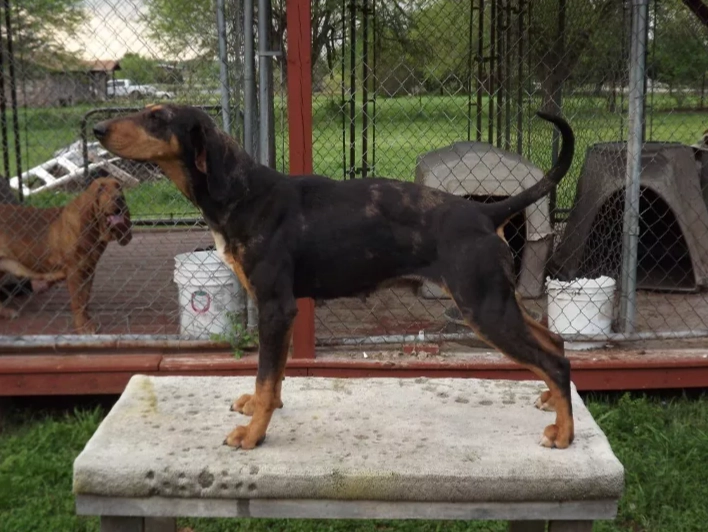
How to Prevent Aggression in American Leopard Hounds
Prevention is everything. Here’s a practical, step-by-step approach based on managing their instincts rather than fighting them.
1. Master the Early Socialization Checklist (Weeks 8-16):
Create a list of 100 new people, places, sounds, and surfaces. Cross them off one by one, ensuring each experience is positive (treats, happy voice). Include things like vacuum cleaners, car rides, vet office visits (just for happy weigh-ins), and people wearing sunglasses.
2. Implement "Nothing in Life is Free" (NILIF):
This isn't about being harsh. It's about teaching polite behavior. Your dog must perform a simple command (like "sit") before getting meals, going outside, getting petted, or getting a toy. This reinforces your leadership without confrontation and gives them a job to do.
3. Manage the Prey Drive, Don't Ignore It:
- Always use a leash in unsecured areas.
- Invest in a 6-foot tall, secure fence with dig guards if they're in the yard alone.
- Teach a solid "leave it" command indoors first, then practice outdoors with low-level distractions.
- Consider a basket muzzle for training in high-distraction areas if you're unsure of their recall. It's a safety tool, not a punishment.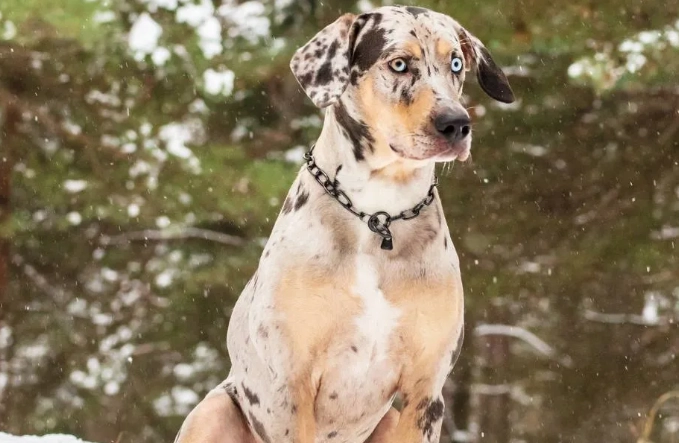
4. Recognize and Redirect Frustration:
Barrier frustration (fence fighting, leash reactivity) is common. If your dog barks and lunges at other dogs on walks, it's often frustration at not being able to go say hi (or chase). Work on creating distance and rewarding calm behavior. A dog trainer who uses positive methods can be invaluable here.
Let me give you a scenario. Your Leopard Hound sees a cat across the street. His body stiffens, his tail goes up, his focus locks. The wrong move is to yell "NO!" and yank the leash. You've just added tension to an already tense moment. The right move is to use a cheerful, engaging voice to say his name and "let's go!" as you quickly turn and walk in the opposite direction, rewarding him lavishly when he disengages. You're not punishing the instinct; you're offering a better, more rewarding alternative.
Are American Leopard Hounds Good With Families and Other Pets?
This requires a brutally honest assessment of your household.
With Children: They can be excellent with respectful, dog-savvy children they are raised with. Their loyalty extends to the whole pack. However, their size and exuberance can accidentally knock over a toddler. They also have low tolerance for ear-pulling or tail-grabbing. Supervision is mandatory. Teach kids to interact calmly and to leave the dog alone when it's eating or sleeping in its crate.
With Other Dogs: They generally do well with other dogs, especially if socialized early. Their hunting heritage means they often work in packs. However, same-sex aggression (particularly between males) can occur as they mature. Careful introductions and ongoing management of resources (food, toys, attention) are important.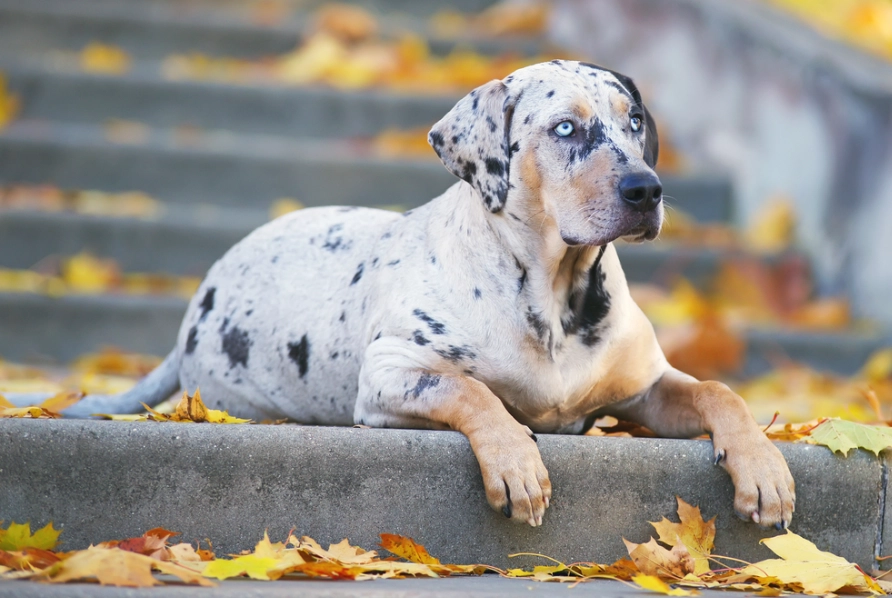
With Cats and Small Pets: This is the biggest gamble. Their prey drive is specifically tuned for small, furry animals that run. Some Leopard Hounds can live peacefully with a cat they were raised with from puppyhood, especially if the cat holds its ground. Others will never see the family cat as anything but prey. I generally advise against it unless you are an exceptionally experienced dog owner and are prepared for lifelong management (baby gates, separate rooms, constant supervision). Small pets like rabbits, guinea pigs, or birds are an absolute no.
| Scenario | Typical American Leopard Hound Reaction | Risk Level & Management Needed |
|---|---|---|
| Stranger at the Door | Alert barking, then likely friendly or aloof once owner greets person. Not typically protective/aggressive. | Low. Train a "go to your place" command for controlled greetings. |
| Off-Leash Dog Approaches Playfully | Usually playful or tolerant. May initiate chase as play. | Medium. Ensure your dog has good recall to avoid unwanted play or escalation. |
| Small Animal Runs in Yard | Instant, intense chase sequence. Very high probability of pursuit. | Very High. Prevent access with secure fencing. Never trust recall in this scenario. |
| Child Hugging Dog Tightly | May tolerate if raised with kids, or may stiffen/walk away. Unlikely to snap without warning. | Medium. Teach children appropriate interaction. Learn dog body language (whale eye, lip lick, turning head away). |
Your Top American Leopard Hound Temperament Questions Answered
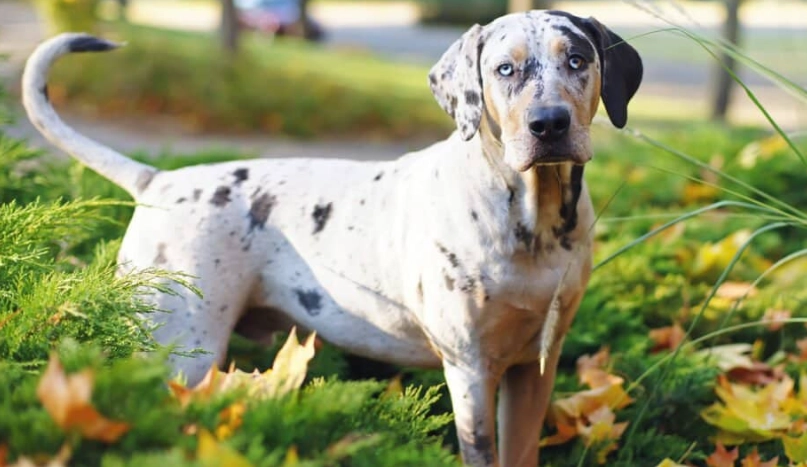 Are American Leopard Hounds safe around young children?
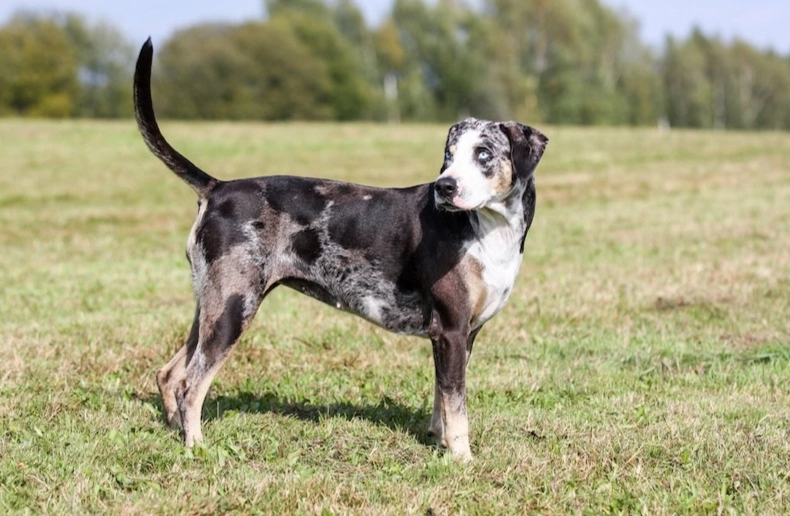 The final word on American Leopard Hound aggression is this: it's not a default setting. It's a potential outcome of genetics, environment, and management. These dogs are loyal, intelligent, and energetic partners. They demand an owner who understands and respects their working dog psyche—someone who provides clear leadership, immense amounts of activity, and early, thorough socialization. If you can meet those needs, you'll be rewarded with a uniquely capable and devoted companion whose temperament is defined by confidence and purpose, not aggression.
Reader Comments