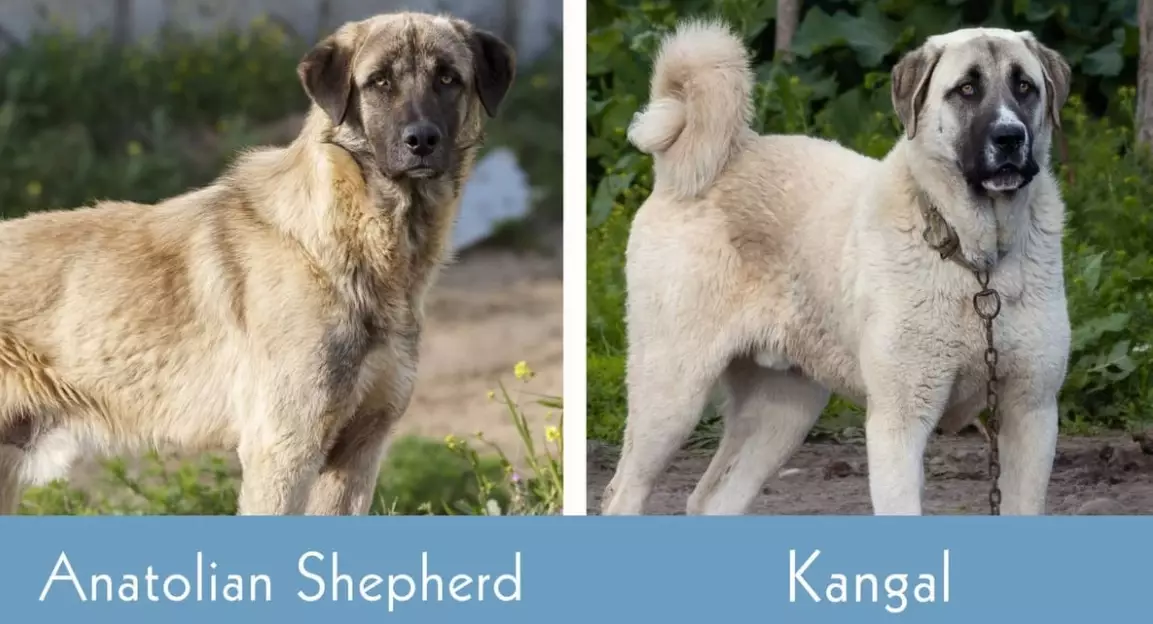
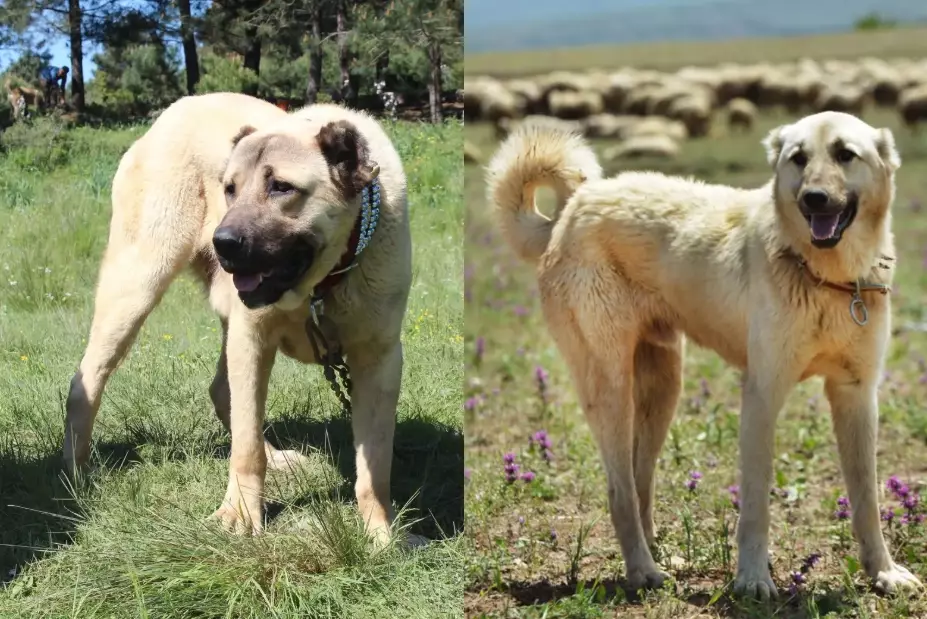
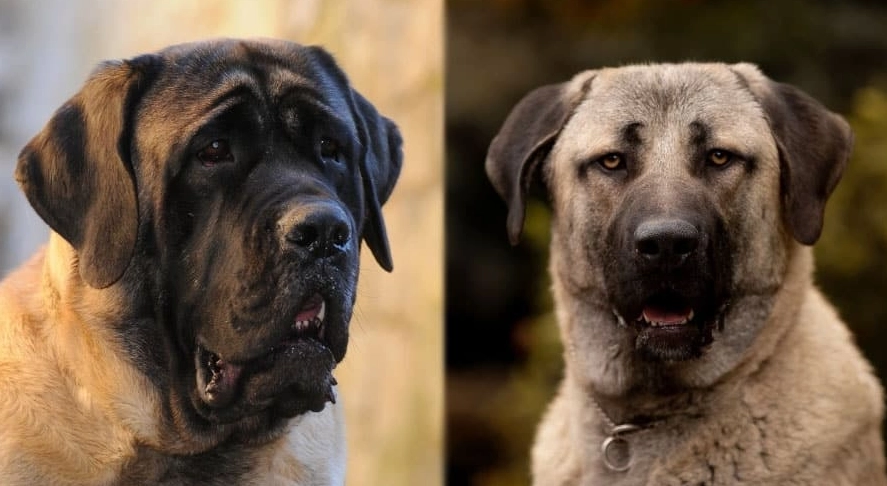
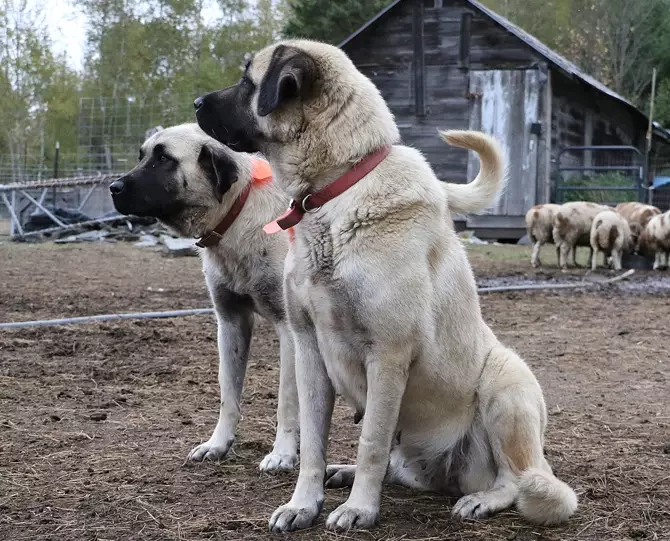
Let's cut to the chase. If you're searching "Anatolian Shepherd Dog vs Kangal," you've likely hit a wall of confusing, contradictory information. Some websites claim they're the same dog. Others insist they're completely different breeds. A few more argue about which one is bigger or meaner. It's a mess. And if you're considering sharing your life with one of these magnificent animals, you need clarity, not more confusion. After years of working with livestock guardians and talking to breeders from Turkey to Texas, I've seen the debate from all sides. Here’s the truth, stripped of marketing hype and breed club politics. The core of the confusion isn't about two separate creatures; it's about classification versus regional lineage. Understanding this distinction is the first step to making an informed choice. Think of it this way: All Kangals are Anatolian Shepherds, but not all Anatolian Shepherds are Kangals. The Anatolian Shepherd Dog is the broad, umbrella breed recognized by kennel clubs like the American Kennel Club (AKC). It encompasses dogs from various regions of Turkey, each with slight variations. The Kangal Shepherd Dog (often just called Kangal) is a distinct regional type or strain originating from the Sivas province, specifically the Kangal district. It's known for its specific traits—a black mask, a more consistent build, and a particular lineage. If you're looking at AKC-registered puppies in the US, you're almost certainly looking at "Anatolian Shepherds." Breeders focusing on preserving the specific Kangal lineage often register with different clubs (like the United Kennel Club in the US, which recognizes the Kangal separately) or maintain private pedigrees. The label on the papers often dictates the "name," but the dog's actual genetics and appearance depend entirely on the breeder's focus and stock. Both dogs share an ancient, formidable history on the Anatolian plateau. For centuries, they were bred by shepherds for one non-negotiable job: protect livestock from wolves, bears, and thieves across vast, unforgiving terrain. This wasn't a hobby; it was survival. The divergence is modern and largely bureaucratic. In the mid-20th century, as Westerners became interested in these dogs, they began exporting them. The term "Anatolian Shepherd Dog" was coined as a catch-all for dogs from Turkey. Meanwhile, in Turkey itself, the dogs from Kangal were highly prized and considered a national treasure. Turkey even has laws restricting the export of "pure" Kangals. Organizations like the Turkish Kangal Dog Federation work to preserve the breed standard within the country. So when you see a "Kangal" outside of Turkey, it typically comes from breeders dedicated to replicating that specific Sivas province type, often importing breeding stock or using very tightly controlled bloodlines. Let's look at the tangible differences. Remember, the "Anatolian Shepherd" column here represents the broader, more variable breed standard, while the "Kangal" column describes the ideal of the specific strain. The most reliable visual cue? The black mask. A true Kangal-type dog will almost always have it. An Anatolian Shepherd might have it, or might not—it could be a white dog with brindle patches. This is where breed descriptions often fail new owners. They'll both be described as "calm, loyal, independent, and protective." True, but that's like describing a chainsaw and a handsaw as "tools that cut wood." The shared core is a profound independence. These dogs were bred to make life-or-death decisions miles away from their human. They don't aim to please you; they aim to do the job. This makes traditional obedience training a unique challenge. I recall a client with a young Anatolian named Atlas. They were frustrated he wouldn't reliably "come" when called at the dog park. The problem wasn't the dog. The problem was the expectation. For a guardian breed, recalling from a distance, especially when they're scanning for threats, goes against thousands of years of genetic programming. You don't train these dogs with repetition and treats alone. You build a partnership based on mutual respect and clear communication. Socialization is non-negotiable and must be extensive, continuous, and positive. Expose them to every possible scenario—kids, bikes, mail carriers, other animals—before they are 16 weeks old and keep it up. A poorly socialized Turkish guardian is not a pet; it's a liability. Forget the Instagram photos of them lounging on couches. That's maybe 30% of their life. Here’s a more accurate picture. Space is not optional. An apartment is cruel. They need a job, even if it's just patrolling a securely fenced acre. Their bark is a deep, resonant boom that carries. Your neighbors will hear it. They shed. Profusely. Twice a year, it's a blizzard of undercoat. A good robot vacuum is an investment in your sanity. Health considerations are similar for both. Hip and elbow dysplasia are the big ones due to their size. Reputable breeders will have Orthopedic Foundation for Animals (OFA) certifications for their breeding stock. Bloat is a serious, fast-moving threat. You need to know the symptoms and have an emergency vet plan. Their lifespan is typically 10-13 years. They are not high-energy sprinting dogs, but they have immense endurance. A 30-minute walk won't tire them; a 2-hour hike across varied terrain might engage their mind and body sufficiently. For 95% of potential owners, the choice shouldn't be about "Kangal vs Anatolian." It should be about breeder vs breeder. Your checklist should focus on: If you are drawn to the specific, consistent look of the Kangal—the black mask, the dun coat, the heavier build—and are committed to finding a breeder dedicated to that lineage (often through the United Kennel Club or similar registries), then seek out those experts. Be prepared for potentially longer waitlists and higher prices. If you love the general essence of the breed—the imposing guardian, the independent spirit—and find an exceptional AKC Anatolian Shepherd breeder who prioritizes health and temperament above all, you will get an incredible dog. At the end of the day, the label matters less than the dog in front of you and the human behind it. Whether you bring home an Anatolian Shepherd or a Kangal, you're not getting a pet. You're gaining a sovereign being, a living piece of history, and a commitment that will define your lifestyle for a decade. Choose the breeder, not the name. Prepare for the reality, not the romance. Do that, and you'll have a companion of unparalleled loyalty and quiet strength.In This Article
The One Sentence That Solves the Debate
Why This Matters to You
A Tale of Two (or One) Histories
Anatolian Shepherd vs Kangal: The Data-Driven Breakdown
Feature
Anatolian Shepherd Dog (General)
Kangal Shepherd Dog (Specific Strain)
Primary Recognition
American Kennel Club (AKC), FCI (as Anatolian Shepherd)
United Kennel Club (UKC), FCI (as Kangal), Turkish Kennel Club
Size
27-29 inches, 80-150 lbs. (High variability)
28-32 inches, 90-145 lbs. (Tends to be larger, more robust)
Coat & Color
All colors accepted: fawn, brindle, white, pinto. Coat can be short or rough.
Always fawn to dun (grayish-yellow) with a distinct black mask. Coat is short and dense.
Head & Build
Moderate stop, slightly rounded skull. Build can vary.
Blunter muzzle, more pronounced stop, heavier bone structure.
Tail
Curled over back, especially when alert.
High set, forms a complete curl over the back.
Temperament and Trainability: Where Theory Meets Reality
The Training Reality Check
What Living With a Turkish Guardian is Really Like
How to Choose Between an Anatolian Shepherd and a Kangal
Your Questions, Answered (Without the Fluff)
Here's a subtle mistake I see: people think a big, aloof dog is "well-behaved." But aloofness without proper socialization can tip into suspicion, and suspicion in a 140-pound dog is dangerous. The goal isn't a dog that loves everyone, but one that is neutral and confident in the modern world.
I have a family with young kids and other pets. Is the Anatolian Shepherd or Kangal a safer bet?
Neither is inherently "safer." Both have the potential to be excellent with kids and animals they are raised with. The critical factor is the individual dog's temperament and, more importantly, your family's discipline. These dogs are huge and can knock over toddlers accidentally. They also have a low tolerance for chaotic screaming or tail-pulling. They see themselves as protectors of the "flock" (your family), so they may intervene in rough play between children or between your kids and their friends. Supervision and teaching children respectful interaction are mandatory, not optional.
For a first-time large dog owner, which one is easier to train?
I would gently steer most first-time owners away from both. Their independence is profoundly frustrating if you're used to the biddable nature of a Labrador or Golden Retriever. If you are set on one, understand that "easy" isn't in the vocabulary. Success requires shifting your mindset from "command and control" to "guide and manage." You'll have more success focusing on impulse control, boundary training (like door manners), and rock-solid leash skills than on perfect heel or trick repertoire. The breed isn't the issue; the mismatch of expectations is.
I want a dog to protect my rural property. Is the Kangal's "stronger bite force" a reason to choose it over an Anatolian?
This is a classic case of fixating on a spec sheet. Any large livestock guardian's bite is a formidable deterrent. The real protection comes from their presence, their bark, and their judgment. A dog that barks to alert and stands its ground is infinitely more valuable than one that bites first. A dog that bites a trespasser can lead to legal euthanasia. Focus on finding a dog from proven working lines (whether called Anatolian or Kangal) where the parents have actual guarding experience. That proven instinct is worth more than any measured PSI.
My Anatolian Shepherd is very vocal and barks at night at nothing. How do I stop it?
You likely can't "stop" it, and trying to punish it will damage your relationship. Barking is their primary tool. The key is management. First, ensure they are barking at a real threat (a coyote, a raccoon) and not a leaf. If it's legitimate, you can acknowledge it ("Thank you") and call them inside once the threat is gone. For nuisance barking, ensure they are not left outside 24/7. Bring them in at night. Provide mental stimulation during the day. Sometimes, a white noise machine or radio near their favorite patrol area can mask triggering sounds. You're managing the behavior, not eliminating the instinct.
Comment