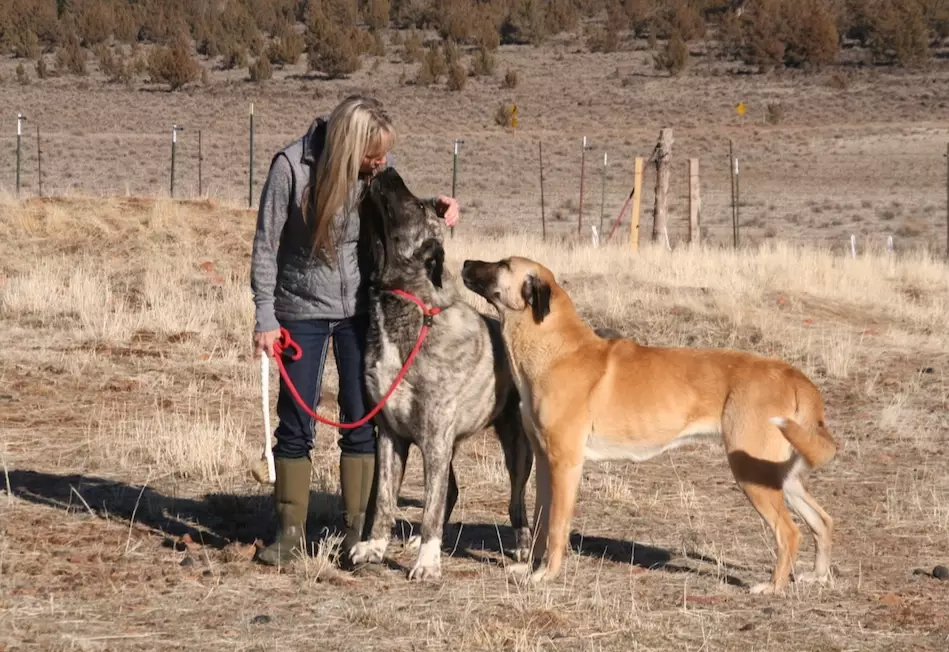
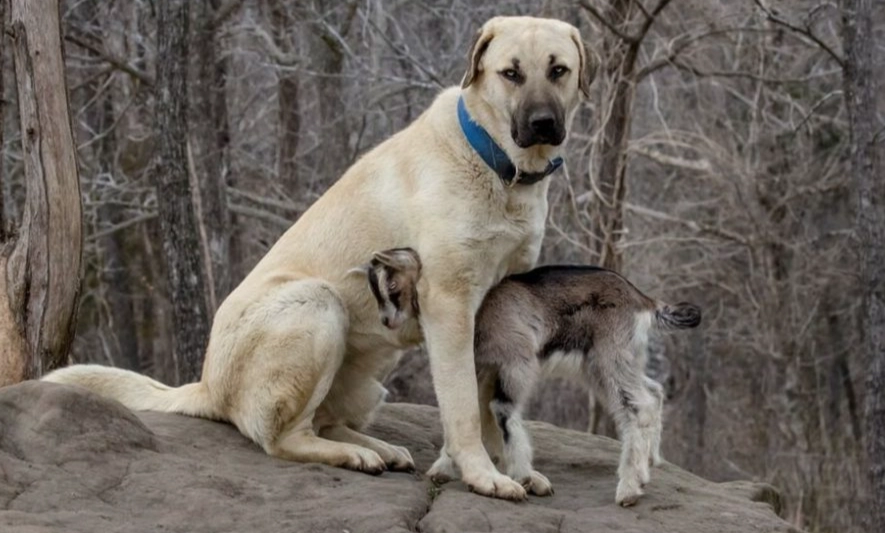
If you're looking into Anatolian Shepherds, size is probably the first thing that catches your eye. These dogs are massive, no doubt about it. But here's the kicker: their size isn't just about height and weight—it affects everything from your backyard space to your vet bills. I've spent over a decade working with large breeds, and I've seen too many people get surprised by how much room these giants really need. Let's cut through the noise and get into the specifics. According to the American Kennel Club (AKC), the Anatolian Shepherd is classified as a working breed with specific size guidelines. But in real life, these dogs often exceed the standards. Males typically stand 29 to 32 inches at the shoulder, while females range from 27 to 30 inches. Weight-wise, males can hit 110 to 150 pounds, and females usually weigh between 80 and 120 pounds. I remember meeting a male Anatolian named Titan who tipped the scales at 160 pounds—perfectly healthy, just a big boy. That's not uncommon. Breeders sometimes downplay this, but if you're getting one, expect the upper end of the range. Why does this matter? If you're building a fence, for instance, a 6-foot height is non-negotiable. These dogs can jump or climb if motivated. I've seen cases where a 5-foot fence was no match for a bored Anatolian. People often ask how they compare to Great Danes or Mastiffs. Let's put it this way: Anatolians aren't the tallest, but they're among the heaviest and most robust. A Great Dane might be taller, but an Anatolian has more bone density and muscle mass. Think of them as the linebackers of the dog world—compact powerhouses. Here's a quick comparison: A male German Shepherd averages 24-26 inches and 65-90 pounds. An Anatolian Shepherd is easily 20-30% larger in both dimensions. That extra size means more food, bigger crates, and stronger leashes. When I took my Anatolian, Kaya, to the park, she'd tower over most dogs except maybe a Saint Bernard. But her build was leaner, which brings me to a key point: size isn't just about numbers. Anatolians are built for endurance, not just bulk. They need space to patrol, not just lounge. Anatolian Shepherd puppies grow fast, but not as fast as you might think. They hit their full height around 18 months, but keep filling out until age 3. This slow maturation is crucial—overfeeding during growth can lead to joint issues like hip dysplasia. At 8 weeks, a puppy might weigh 15-20 pounds. By 6 months, they can reach 60-80 pounds. That's when people panic, thinking they'll never stop growing. But the rate slows down after that. Use a growth chart, but don't rely on it blindly. I've seen puppies from working lines be lighter but more agile. Here's a rough breakdown: A common mistake is comparing them to smaller breeds. An Anatolian puppy might look lanky at a year old, but that's normal. Give them time. Now, here's where size really hits home. An Anatolian Shepherd needs more than a big yard—they need a job. These dogs were bred to guard livestock over vast areas in Turkey. In a suburban setting, that translates to at least a half-acre of securely fenced space. I've consulted with owners in apartments, and it rarely works long-term unless you're ultra-committed to multiple daily walks and mental stimulation. Exercise isn't about intensity; it's about duration. A 30-minute walk twice a day is minimum. They prefer patrolling, so if you have a large property, they'll happily roam. But without enough space, they can become destructive or anxious. That's a size-related issue few talk about: big dogs need big environments to stay sane. I once helped a family who thought their 10,000 sq ft yard was enough. Their Anatolian kept escaping because the fence wasn't tall enough, and he was bored. We upgraded to a 7-foot fence and added puzzle toys—problem solved. Size dictates your setup. Everyone focuses on the "wow" factor of a giant dog, but then overlooks the practicalities. First, vet costs: everything is more expensive for a large breed, from anesthesia to medications. A heartworm pill for an Anatolian can cost double that for a medium dog. Second, transportation. Your SUV might fit them, but will they be comfortable on long trips? I've seen owners struggle with car harnesses because they didn't account for the dog's chest girth. Measure before you buy. Third, and this is critical, socialization. A large puppy that jumps on people is cute at 30 pounds, but dangerous at 100 pounds. Start training early, focusing on calm behavior. Many owners wait too long, thinking size will come later, but habits form fast. One non-consensus point: Anatolians don't need as much high-intensity exercise as, say, a Border Collie. Their size means they're more about steady movement. Over-exercising a growing puppy can harm their joints—a subtle error I've seen in eager owners.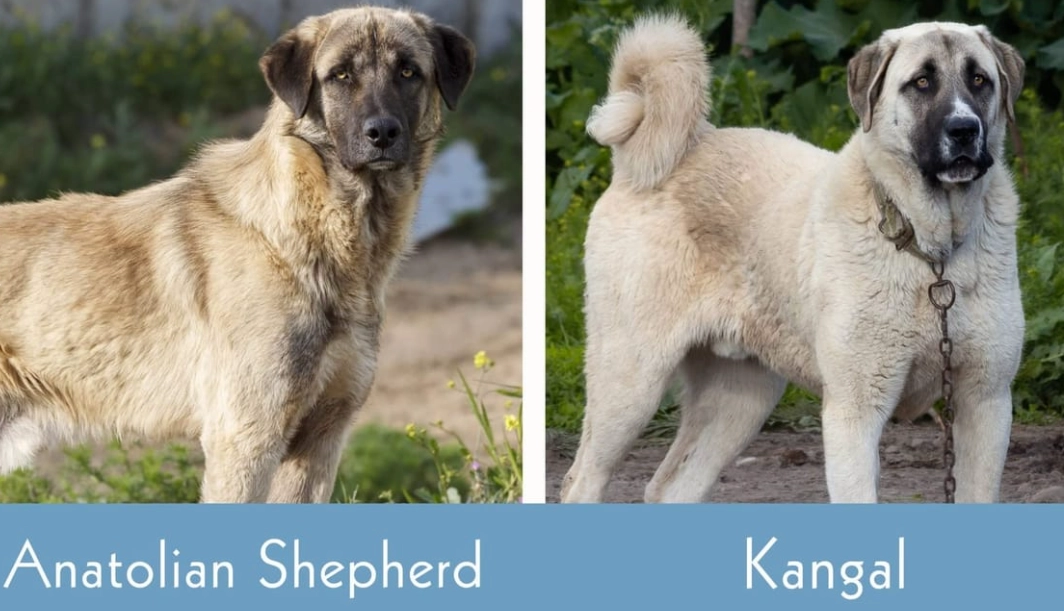
Jump Straight to What Matters
Anatolian Shepherd Size: Height and Weight Standards
Gender
Height (inches)
Weight (pounds)
Notes
Male
29 - 32
110 - 150
Can exceed 150 lbs in some lines
Female
27 - 30
80 - 120
Often leaner but still powerful
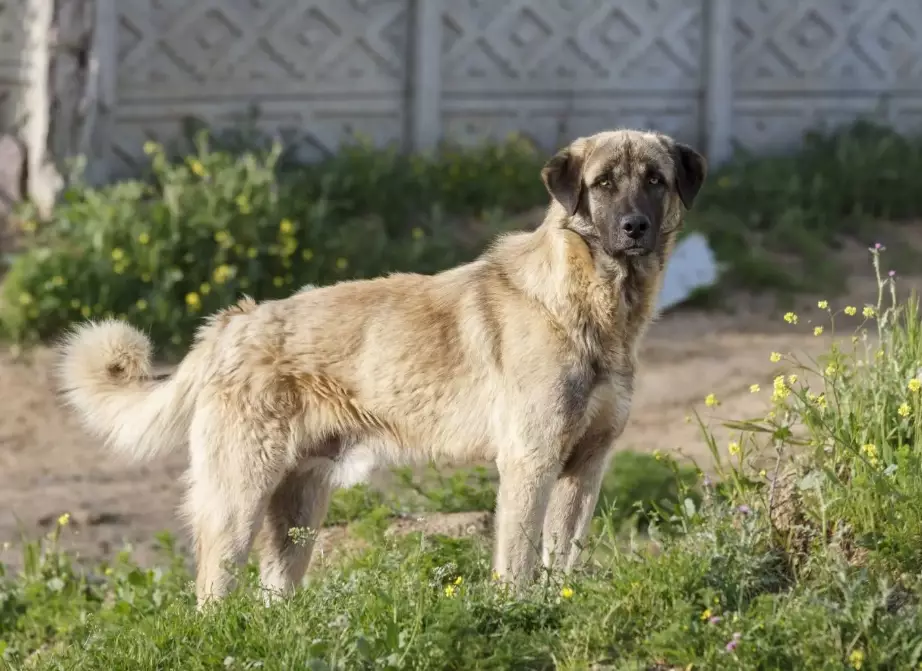
How Anatolian Shepherd Size Compares to Other Breeds
From Puppy to Giant: Growth Stages Explained
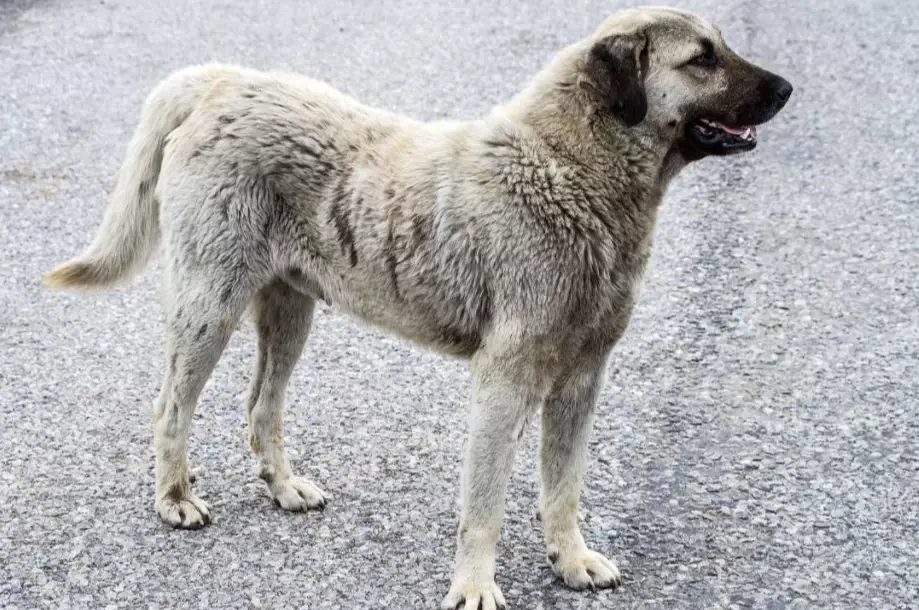
Puppy Growth Timeline: What to Expect
Space and Exercise: The Big Requirements
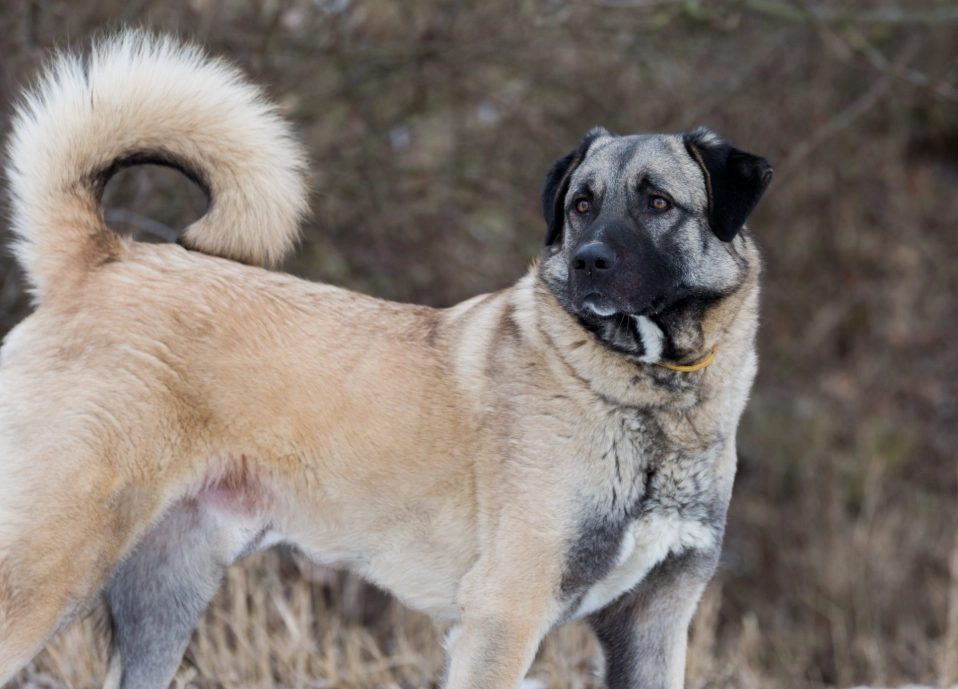
Common Mistakes Owners Make About Anatolian Shepherd Size
FAQ: Your Burning Questions Answered
 Wrapping up, Anatolian Shepherd size is a big deal—literally. It shapes their care, your home, and your lifestyle. If you're prepared for the space, cost, and commitment, these dogs are incredible companions. But go in with eyes open. Measure your doors, reinforce your fences, and enjoy the journey with a gentle giant.
Can an Anatolian Shepherd live happily in an apartment if I exercise them enough?
It's tough, and I generally advise against it. These dogs need room to stretch and patrol. Even with multiple walks, apartment living can lead to frustration and behavioral issues. If you're in an urban area, consider a smaller guardian breed like a Kuvasz, or ensure you have access to large, secure parks daily. I've seen a few success stories, but they involved owners who were home most of the day and dedicated hours to outdoor time.
How do I know if my Anatolian Shepherd is overweight, given their large frame?
Feel their ribs—you should be able to detect them with light pressure without seeing them. From above, look for a waist behind the ribs. Many owners mistake normal bulk for fat, but an overweight Anatolian is at higher risk for joint problems. Consult your vet for a body condition score; aim for a 4 or 5 on a 9-point scale. I've noticed that dogs from show lines tend to carry more weight, while working lines are leaner.
What's the biggest challenge in raising an Anatolian Shepherd puppy related to their size?
Managing their growth rate to prevent orthopedic issues. Feed a diet formulated for large-breed puppies, avoid jumping from heights, and limit strenuous exercise until they're mature. A common pitfall is using stairs frequently—puppies' joints are soft, and repetitive impact can cause long-term damage. I recommend carrying them up and down stairs for the first 6 months if possible.
How does Anatolian Shepherd size affect their lifespan and health?
Larger breeds often have shorter lifespans, averaging 10-13 years for Anatolians. Size correlates with higher risks for bloat, hip dysplasia, and heart conditions. To mitigate this, maintain a lean weight, provide joint supplements like glucosamine, and schedule regular vet check-ups. I've found that dogs kept active but not overworked tend to live longer, healthier lives.
Is it true that Anatolian Shepherds are slower to mature mentally due to their size?
Yes, and this is often overlooked. They might reach physical maturity around 3 years, but mental maturity can take longer—up to 4 years. During this time, they can be stubborn and test boundaries. Consistent, patient training is key. Don't expect them to act like an adult at 2 years; treat them as adolescents and adjust your expectations.
Comment