Let's cut to the chase: the Anatolian Shepherd temperament is not for everyone. If you're picturing a dog that lives to please you, follows every command with eager enthusiasm, and welcomes every stranger with a wagging tail, you're looking at the wrong breed. What you get with an Anatolian is something far more ancient, profound, and frankly, challenging. You get an independent, fiercely protective, and deeply loyal guardian whose primary job for thousands of years has been to think for itself while protecting flocks from wolves and bears on the Anatolian plateau of Turkey. That instinct doesn't turn off because they now live in a suburban backyard.
I've lived with large guardian breeds for over a decade, and the Anatolian Shepherd stands apart. Their personality is a fascinating, sometimes frustrating, blend of stoic calm and intense vigilance. Understanding this temperament isn't just about curiosity—it's the absolute key to a successful, harmonious life together. Get it wrong, and you'll have a powerful, unhappy dog making its own rules. Get it right, and you'll have the most devoted and capable protector you can imagine.
What's Inside This Guide?
- Understanding the Anatolian Shepherd's Core Personality
- Is an Anatolian Shepherd the Right Dog for You?
- How to Successfully Train an Anatolian Shepherd
- The Non-Negotiable Socialization Plan
- Navigating Common Behavior Scenarios
- Health Issues That Can Affect Temperament
- Your Questions, Answered (The Real Ones)
Understanding the Anatolian Shepherd's Core Personality
Forget generic breed descriptions. To understand an Anatolian, you need to think in terms of core drives. The American Kennel Club breed standard describes them as "keenly alert, proud, bold, and confident," but that's just the surface. Let's break down what that actually means day-to-day.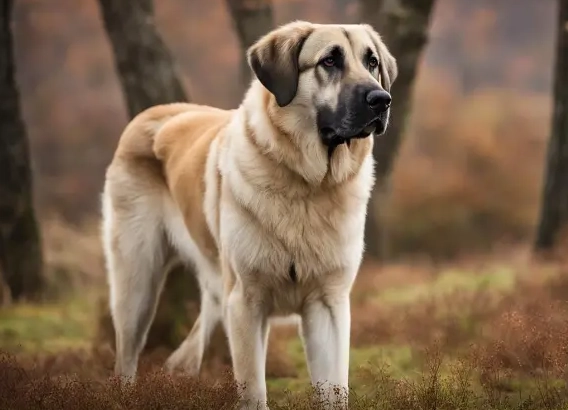
The Four Pillars of Their Temperament
1. Supreme Independence: This is the biggest adjustment for most owners. Bred to work miles away from their shepherd, Anatolians are problem-solvers, not order-takers. They assess situations and make decisions. This means they can be aloof, stubborn, and seem "disobedient" when they simply deem your command irrelevant to their perceived duty (guarding the house). It's not defiance in the way a Labrador might ignore you; it's a calculated choice.
2. A Profound Guarding Instinct: Their protective drive isn't aggression; it's a solemn responsibility. It's quiet, observant, and preemptive. An Anatolian doesn't wait for a threat to act. They position themselves between their family (their "flock") and any potential intrusion. This manifests as intense staring, a deep, resonant bark meant to carry over long distances, and a formidable, immovable presence. At night, this instinct often heightens.
3. Calm and Composed Demeanor: Unlike high-strung herding breeds, a well-bred Anatolian is remarkably calm indoors. They are famous for being "off-duty" inside the home, often resembling a large, fuzzy rug. This low-energy indoor presence is a blessing, but it's often mistaken for laziness. It's conservation of energy. When they are on patrol in their yard, the focus is absolute.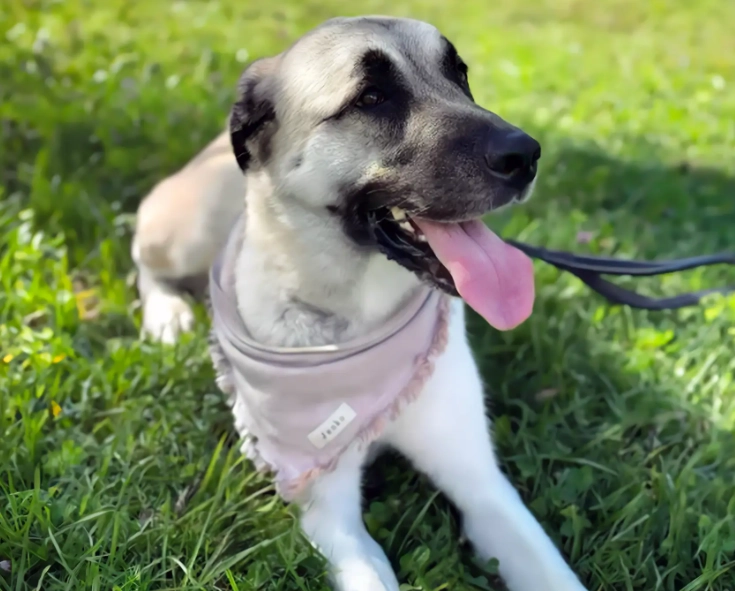
4. Fierce Loyalty (On Their Terms): Their loyalty is immense but selectively given. They bond deeply with their immediate family but remain reserved with outsiders. They show affection through quiet proximity and watchful care, not constant cuddling. This loyalty also means they can be sensitive to conflict within the household; yelling and tension can genuinely stress them.
| Trait | Anatolian Shepherd | Great Pyrenees (Similar LGD) | German Shepherd (Working Breed) |
|---|---|---|---|
| Primary Drive | Independent Guarding | Gentle Guarding | Work & Obedience |
| Response to Strangers | Aloof, Suspicious, Deterrent | Aloof to Accepting | Alert, Assesses Handler |
| Trainability | Low-Moderate (Independent Thinker) | Low-Moderate (Stubborn) | High (Eager to Please) |
| Energy Indoors | Very Low (Calm) | Low (Calm) | Moderate-High (Needs Activity) |
| Family Attachment | Deep, Quiet, Protective | Gentle, Nanny-like | Intense, Velcro |
Is an Anatolian Shepherd the Right Dog for You?
This is the million-dollar question. Based on their temperament, let's paint a picture of the ideal and the disastrous home for an Anatolian. Be brutally honest with yourself.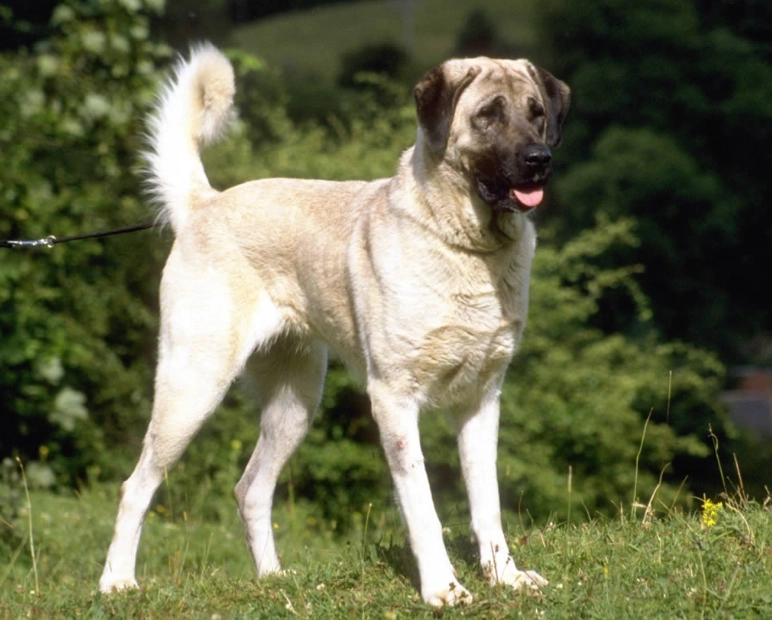
The Ideal Anatolian Shepherd Owner:
You have a securely fenced acre or more of land (6-foot minimum fence, no exceptions). You value a natural guardian over a trained attack dog. You're patient, confident, and don't need constant validation from your dog. You understand that management (like locking them away during parties) is smarter than forcing socialization. You're home a fair amount—these dogs bond through presence, not just provisioning. You have no plans for frequent, casual visitors or a revolving door of guests.
The Recipe for Disaster:
You live in an apartment or have a small, open yard. You want a dog to take to busy parks, outdoor cafes, or on visits to friends' houses. You're a first-time dog owner or equate "smart" with "easy to train." You have small children who have friends over constantly. You travel often and plan to use kennels or new sitters. You're conflict-averse and won't establish clear, calm rules.
How to Successfully Train an Anatolian Shepherd
Training an Anatolian Shepherd is less about obedience drills and more about building a partnership based on mutual respect and clear communication. Force-based methods will make them shut down or become resentful. Here’s what works.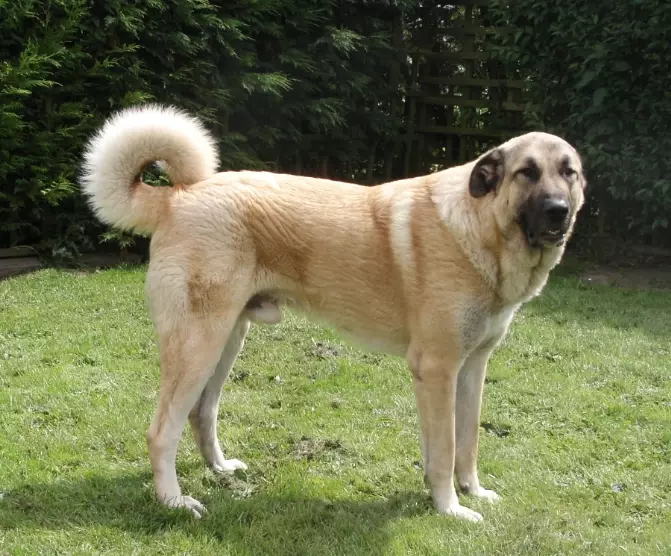
Foundational Principles
Start Yesterday: Training and socialization begin the moment the puppy comes home at 8-10 weeks. Their critical learning period is short.
Positive Reinforcement is King: Use high-value treats (cheese, chicken, liver), praise, and play. They work for a paycheck, not for applause.
Keep it Short & Fun: Five to ten-minute sessions, multiple times a day. Their attention span for repetitive tasks is limited.
Train the "Off-Switch": This is crucial. Teach a solid "place" or mat command where they go to relax. This helps manage their guarding impulses indoors.
Priority Commands for This Temperament
1. Recall (Come): This is the hardest but most important. Practice in a fenced area with phenomenal rewards. Never punish a slow recall—you'll ensure they never come again. Understand that in high-alert situations, their guarding duty may override this command.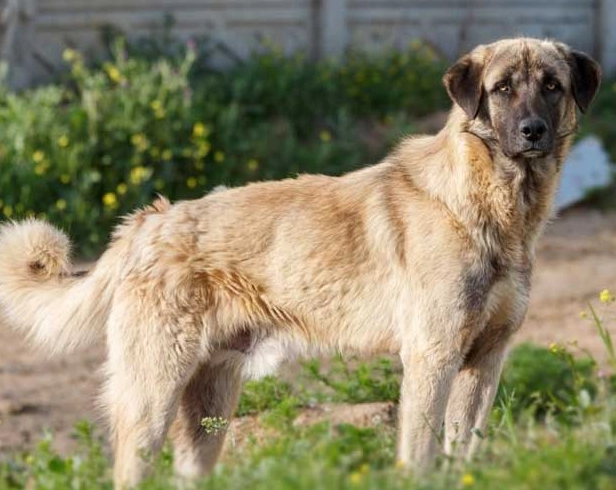
2. Leave It: Vital for controlling their environment and preventing them from "investigating" (i.e., eating or guarding) things they find.
3. Quiet: Managing their powerful bark is essential for neighborly relations. Teach a "quiet" cue when they bark, reward silence, and identify the trigger to manage it.
The "Watch" Command Mistake: Many online guides for guardian dogs suggest teaching a "watch me" command to break their focus. With an Anatolian, forcing eye contact can be perceived as a challenge. Instead, I teach a gentle touch on the shoulder or a specific sound to break their intense stare, then redirect to a positive behavior.
The Non-Negotiable Socialization Plan
Socialization for an Anatolian doesn't mean making them love everyone. It means teaching them to be neutral and confident in the world, and to understand that not every novel sight or person is a threat to their flock.
Weeks 8-16 (Critical Window): Expose them to a wide variety of environments (different surfaces, sounds, quiet streets) and people (men with hats, children playing at a distance, people using wheelchairs). Keep all interactions positive and brief. Let the puppy observe; don't force interaction.
Adolescence Onward (Management Phase): Their guarding instincts will solidify. Now, the goal shifts from exposure to controlled management. Have visitors ignore the dog initially. Let the dog approach on their terms. Use baby gates to create space. The goal is a dog that is calm and indifferent to non-threats, not a greeter.
I made the mistake early on with my first Anatolian, Aslan, of having too many people pet him as a pup in hopes he'd be "friendly." It created expectation and frustration in him as an adult when people wouldn't engage. With my second, Kaya, we practiced neutrality—people were just part of the scenery unless I indicated otherwise. The difference in her calm confidence was night and day.
Navigating Common Behavior Scenarios
Here’s how the Anatolian Shepherd temperament plays out in real-life situations, and how to handle it.
Scenario 1: The Doorbell Rings.
Typical Reaction: Deep, alarming bark, positioning between door and family.
What to Do: Don't yell at them to be quiet. Acknowledge their alert ("Thank you"), calmly leash them if needed, and put them in their "place" (mat/bed) before you answer. You are the leader assessing the situation; they are the backup.
Scenario 2: A Stranger Approaches the Yard Fence.
Typical Reaction: Barking, running the fence line, standing tall.
What to Do: Call them to you (if recall is solid) and reward heavily for disengaging. If they won't recall, you go get them calmly. Do not allow fence-fighting. This rehearses aggressive behavior. Consider visual barriers (solid fencing, privacy slats) for high-traffic areas.
Scenario 3: Meeting a New Dog on a Leash.
Typical Reaction: Stiff posture, intense stare, possible low growl.
What to Do: Do not force a nose-to-nose meet. These are not dog-park dogs. A parallel walk at a distance is a successful introduction. Respect their aloofness.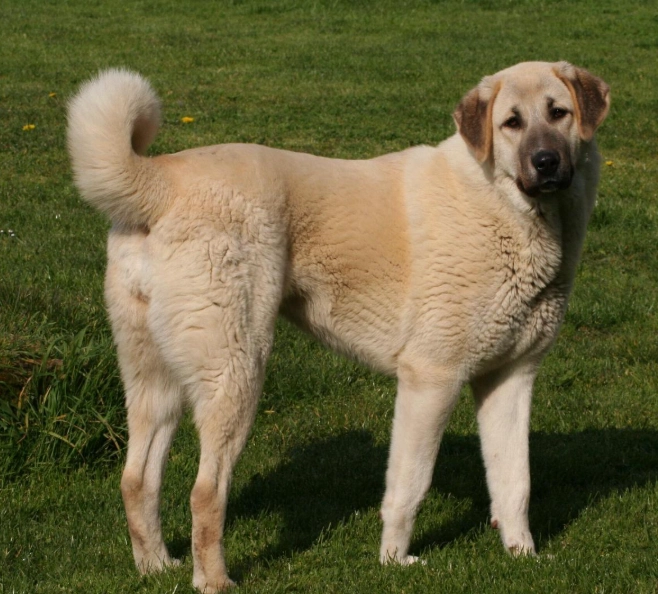
Health Issues That Can Affect Temperament
A dog in pain or discomfort can have a drastically altered personality. Be aware of these breed-specific issues, as highlighted by organizations like the Orthopedic Foundation for Animals (OFA).
Hip & Elbow Dysplasia: Common in large breeds. Pain from arthritis can make a normally calm dog irritable, less active, and more reactive when touched. Ensure parents have OFA or PennHIP clearances.
Entropion: An eyelid condition that can cause chronic eye irritation. A squinting, uncomfortable dog may be more prone to startle or snap.
Hypothyroidism: Can cause lethargy, weight gain, and uncharacteristic aggression or anxiety. A simple blood test can diagnose it.
Regular vet check-ups are non-negotiable. A sudden change in your Anatolian's temperament—increased anxiety, aggression, or withdrawal—warrants a medical check before a behavioral one.
Reader Comments