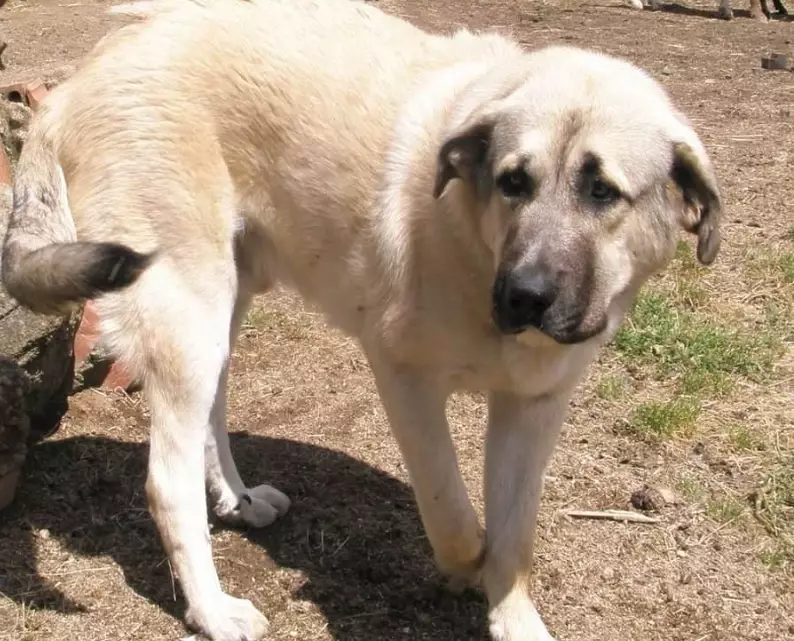
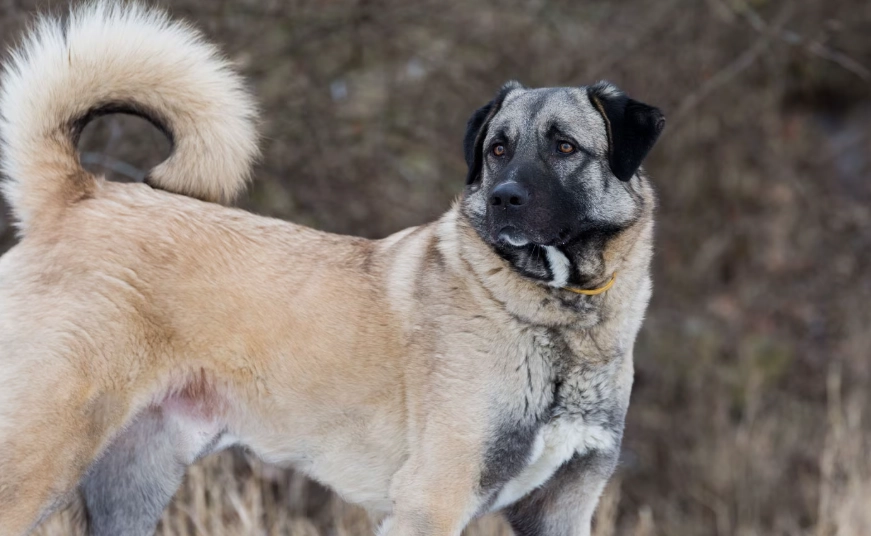
Let's cut right to the chase. You're here because you've seen pictures of this majestic, lion-like dog and wondered, is an Anatolian Shepherd a good family dog? Maybe you've got a big yard, kids running around, and you want a loyal protector. The idea seems perfect on paper. But I'm not going to sell you a fairy tale. Owning an Anatolian Shepherd is less like getting a cuddly golden retriever and more like forming a partnership with a furry, independent security consultant who has very strong opinions about his job. I've talked to owners, breeders, and trainers, and the consensus is clear: they are incredible dogs, but they are not for everyone. Not even close. The Core Truth: An Anatolian Shepherd can be a profoundly loyal and protective family member, but they were bred for millennia to guard livestock independently on the mountains of Turkey. That instinct defines everything about them. Whether that makes them a "good" family dog depends entirely on your family's lifestyle, experience, and expectations. So, let's ditch the generic breed descriptions. We're going to walk through what life is really like with one of these ancient guardians in your home. We'll talk about the heart-melting moments and the hair-pulling frustrations. By the end, you'll have a clear picture, not just a list of traits. Before we get into the family stuff, you need to know what you're dealing with. This isn't a breed created in the last hundred years for show rings or companionship. The Anatolian Shepherd Dog (also called the Kangal in some circles, though that's a nuanced debate) is an ancient livestock guardian breed from Turkey. For thousands of years, their job was simple: protect the flock from wolves, bears, and thieves. Alone. For days on end. That history is baked into their DNA. The American Kennel Club (AKC) classifies them in the Working Group, and their official breed standard highlights traits like "capable of great speed" and "alert and keen." But reading the standard only gets you so far. The United Kennel Club (UKC) description gets closer to the truth, calling them "steady and bold without aggression," and highly independent. That last word is the key you need to remember. They are large, powerful dogs. Males can easily weigh 110-150 pounds and stand 29 inches tall at the shoulder. They possess a calm, watchful dignity, but when they move, it's with a surprising, agile grace. Their coat can be short or rough, and they come in various colors, often with a distinctive black mask. Think less "pet" and more "self-employed guardian." That mindset shift is crucial. Okay, the million-dollar question. Is an Anatolian Shepherd a good family dog? The answer is a conditional yes, with a lot of bold, underlined caveats. It's not a simple thumbs up or down. To make sense of it, let's break it down into the good, the challenging, and the "you need to know this" details. See what I mean? Every strength has a flip side that requires management. The core of the question "is an Anatolian Shepherd a good family dog?" hinges on whether your family can manage that flip side. This is their defining trait, so it needs its own spotlight. Their guarding isn't aggression; it's a deep-seated duty. They patrol. They watch windows. They place themselves between their family and anything they perceive as a potential threat. It's amazing for security. But it also means the mail carrier, the neighbor walking their dog, or a friend dropping by unannounced becomes part of their threat assessment. This is why early, extensive, and ongoing socialization is the single most important thing you must do. You need to teach them what is normal and safe in your world. The AKC has great general resources on puppy socialization, but with an Anatolian, you need to double the effort. My Take: I've met Anatolians that are perfectly polite with guests because their owners put in the work. I've also heard stories of dogs who became so protective they couldn't have visitors. The difference was almost always the quality and consistency of socialization from week one. People call them stubborn. I think that's unfair. They're not being defiant; they're assessing. If you call them to come inside from the yard, they might pause and think: "Is there a reason I need to come in? My patrol isn't finished. I don't see a threat." They were bred to make decisions without a human telling them what to do. This makes traditional, repetitive obedience training frustrating. They get bored. Positive reinforcement, patience, and making yourself more interesting than the environment are key. You have to earn their cooperation; you can't demand blind obedience. Forget visions of competitive obedience rings. Think more mutual respect. This is a huge concern for families. So, let's get specific. A well-socialized Anatolian raised with children can be a wonderful, gentle giant. They are often remarkably tolerant and seem to understand the fragility of kids. Many owners report their dog positioning themselves calmly between the children and a stranger or a new situation. But. And this is a massive "but." Their size alone poses a risk. A happy tail whip can knock a small child over. They can accidentally step on feet. This is a reality with any large dog, but with an Anatolian's power, it's amplified. The bigger issue is their protective instinct. If they perceive children's play—screaming, chasing, wrestling—as a threat or distress within their flock, they may intervene. This is not an act of malice; it's an act of duty. They might try to "herd" the children or place themselves in the middle. This is why active, direct adult supervision is an absolute rule, not a suggestion. Never, ever leave an Anatolian Shepherd alone with young children, even if you trust the dog completely. It's about managing the instinct, not the dog's love. Older, calmer children who understand how to interact respectfully with a large, sensitive dog can have an incredible bond. Teaching kids not to disturb the dog while it's eating or sleeping is critical. Resources from organizations like The Family Dog on preventing dog bites offer universally important guidelines that are extra crucial with a guardian breed. This is a make-or-break factor. Asking "is an Anatolian Shepherd a good family dog?" is pointless if your living situation is wrong. They are also known for being a vocal breed. Not constant barking, but deep, serious barks to alert you of anything unusual. Think of it as their security system report. Great if you have space, a nightmare for close neighbors in a subdivision with thin walls. If you get an Anatolian Shepherd puppy, your next 2 years are booked. Here’s the reality of what you’re signing up for. Socialization (Weeks 8-16, and forever): This isn't just meeting other dogs. This is exposing them positively to EVERYTHING: men with hats, people on bikes, skateboards, umbrellas, vacuums, delivery trucks, children, other animals, different floor surfaces, vet visits, grooming. The goal is to build a database in their head of "normal, non-threatening things." The Livestock Guardian Dog community is a great resource for breed-specific advice, as the mindset is similar across LGD breeds. Training: I strongly recommend enrolling in a puppy class with a trainer experienced in large, independent breeds. Not a pet store class. A real trainer. It socializes the puppy and teaches you how to communicate effectively. Everyone talks about food and vet bills. Let's talk about the other costs. Let's wrap this up with a straight answer. An Anatolian Shepherd could be a good family dog for you if: You should absolutely look at another breed if: So, is an Anatolian Shepherd a good family dog? For the right family—one that understands and respects its ancient purpose and is prepared to meet its considerable needs—it can be an unbelievably rewarding and loyal partnership. They are not pets you simply own; they are guardians you live alongside. If you can provide the structure, space, and leadership they require, you'll gain a friend whose loyalty knows no bounds. If your situation doesn't match up, loving them from afar is the kindest choice for both you and the dog. There are many wonderful breeds out there; the goal is to find the right fit, not force a square peg into a round hole. Do your homework. Talk to reputable breeders (the Anatolian Shepherd Club of America is a good starting point). Meet the dogs in person. Be brutally honest with yourself. That's how you answer the question for your family.Quick Guide to This Article
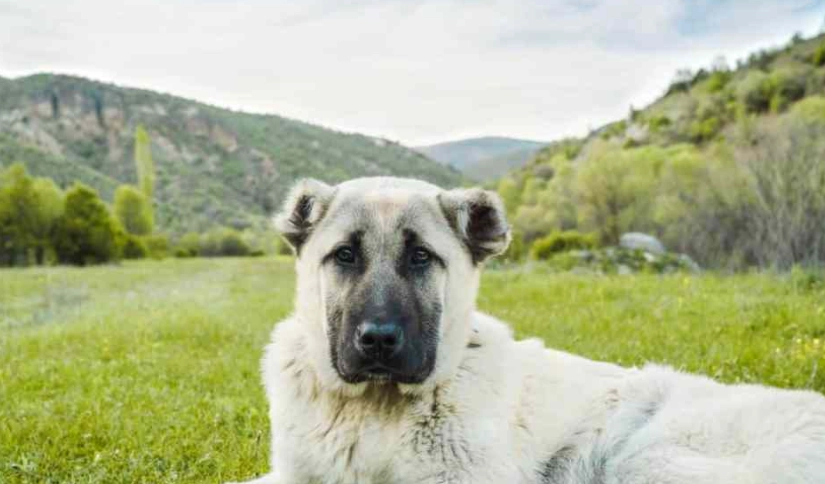
What Exactly Is an Anatolian Shepherd Dog?
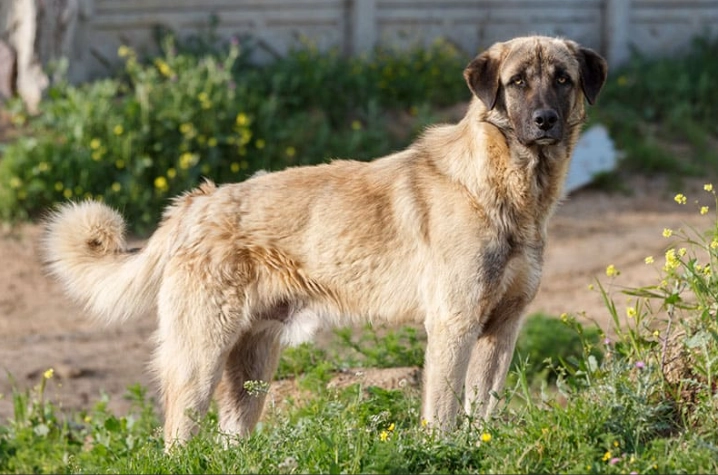
Is an Anatolian Shepherd a Good Family Dog? The Brutally Honest Breakdown
Aspect
The Pros (The Amazing Parts)
The Cons (The Hard Parts)
Loyalty & Protection
Unshakably loyal to their family unit. They have a deep, instinctive drive to guard their "flock" (you and your kids). You will never feel unsafe with one around.
This can manifest as suspicion or aloofness toward strangers. Uncontrolled, it can lead to over-protectiveness. Socialization is non-negotiable.
Affection & Bonding
They form incredibly deep, quiet bonds with their core family. Their affection is steady and profound, not needy or hyper.
They are not "velcro" dogs. They show love on their own terms—a head on your lap, a watchful gaze—not constant cuddling. Can seem aloof.
Intelligence
Extremely intelligent and problem-solvers. They learn routines and household dynamics quickly.
They are independent thinkers. They will obey a command if they think it's a good idea. This is often mistaken for stubbornness.
Energy & Exercise
Not hyperactive. They are calm indoors, content to watch and patrol. They have great stamina for outdoor activities.
They have massive size and need significant space (a large, secure yard is ideal). They require mental stimulation as much as physical.
With Children
Can be gentle, patient, and deeply protective of children they are raised with. See them as part of their flock to guard.
Their size alone is a hazard for toddlers. Their protective instinct can be triggered by kids' rough play or friends visiting. Never leave unsupervised.
The Guardian Instinct: Blessing and Curse
Independence: The "Stubborn" Label
Anatolian Shepherds and Children: A Detailed Look
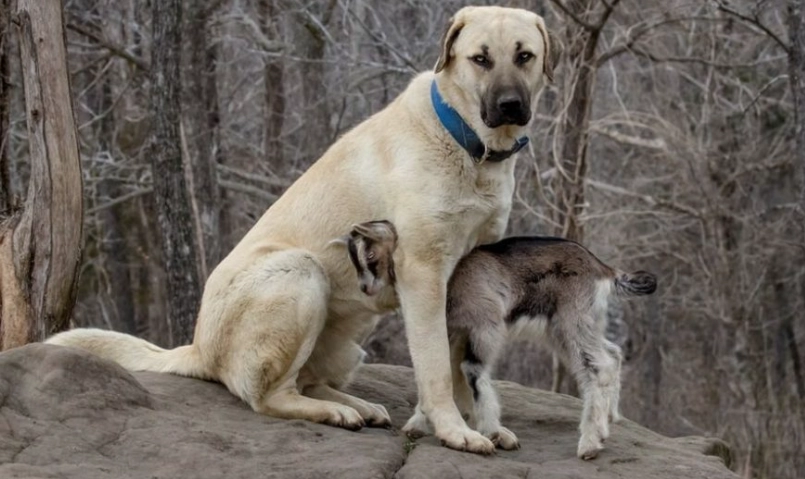
Living Situation: Do You Have the Right Environment?
Training and Socialization: The Non-Negotiables
1. Focus on Fundamentals: Recall (come), loose-leash walking, "leave it," and a solid "place" or settle command are lifesavers. Use high-value treats and keep sessions short and engaging.
2. Impulse Control: Games like "wait" for food, sitting at doors before going out. This teaches patience and reinforces your leadership.
3. Mental Stimulation: They need to use their brains. Food puzzles, sniffing games, hide-and-seek with toys, and learning new tricks (even silly ones) are fantastic.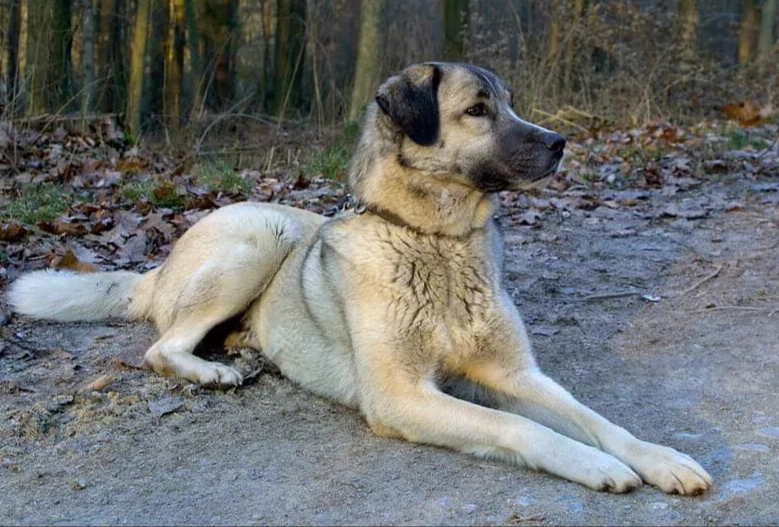
Common Questions from Potential Owners
The Real Cost of Ownership (Beyond Money)
Cost Factor
Details & Considerations
Financial
High-quality large-breed food, routine vet care, preventative meds, grooming tools. Potential for high-cost emergencies (bloat surgery can cost $5k-$10k). Pet insurance is a very wise investment. A sturdy crate, heavy-duty toys, and that 6-foot fence aren't cheap.
Time Investment
Massive. The first two years are intensive training/socialization. Daily exercise and mental engagement are forever needs. You can't skip days because you're tired.
Lifestyle Impact
Spontaneous weekend getaways? You need a pet sitter who understands guardian breeds. Having lots of parties? You'll need to manage your dog carefully. Your social life adapts to your dog's needs.
Emotional Labor
Managing their guarding instincts in public, dealing with people who are afraid of big dogs, constantly being vigilant in new situations. It can be stressful.
Final Verdict: Who Should (and Shouldn't) Get an Anatolian Shepherd
Q: Are Anatolian Shepherds good with other pets?
A: With proper introduction, they can coexist with other family dogs, especially if raised together. Their guardian instinct can extend to them. With cats and small pets? It's a huge risk. Their prey drive can be triggered by small, fast-moving animals. Early socialization is critical, but never assume it's 100% safe. Always supervise.
Q: How much exercise do they really need?
A: They are not endurance runners like a husky. They need 60-90 minutes of activity daily, but it should be varied. A long walk one day, a hike the next, some training games in the yard. Mental exercise tires them out as much as physical.
Q: Are they easy to groom?
A: Surprisingly, yes. They have a double coat that sheds seasonally (heavily!). Weekly brushing is fine most of the year, increasing to daily during blow-out seasons. They are generally clean dogs with minimal "doggy" odor.
Q: What are common health issues?
A: They are a generally healthy, robust breed but can be prone to hip dysplasia (ask breeders for OFA/PennHIP certifications), eyelid issues (entropion), and bloat (GDV). A responsible breeder will screen for these. You can find health information on the Orthopedic Foundation for Animals (OFA) website. Expect a lifespan of 11-13 years.
Q: Should I get one from a rescue or a breeder?
A: Both are options, but know what you're getting into. A rescue Anatolian may come with unknown history and potential behavioral challenges. It's a job for an experienced owner. A reputable breeder is the best path for a family, as you get a health-tested puppy you can socialize from day one. Avoid any breeder who doesn't ask you a million questions.
Comment