Let's cut straight to the chase. You've probably seen pictures of this majestic, powerful dog and wondered, with a mix of awe and hesitation, if such a creature could ever fit into a normal home life. It's a fair question. When you think "house dog," you might picture something smaller, something that curls on the couch without taking up the entire piece of furniture. The Anatolian Shepherd Dog defies that image entirely. They are livestock guardians, bred for millennia to think and act independently while protecting flocks from wolves and bears on the vast Anatolian plateau of Turkey. Your living room is a far cry from those rugged hills. But here's the thing I've learned from talking to owners and trainers: the answer isn't a simple yes or no. Asking "can an Anatolian Shepherd be a house dog?" is like asking if a wolfhound can be a house dog. It completely depends on your definition of "house dog," your lifestyle, your home, and your understanding of the breed's core nature. I've seen it work beautifully, and I've seen it end in rehoming disasters. The difference always comes down to knowledge and preparation. So, let's unpack this properly. We'll dig into what makes this breed tick, the real challenges you'll face, and the non-negotiable requirements for making cohabitation successful. Forget the fluffy, generic advice. We're talking about the concrete, sometimes gritty, details of sharing your roof with a canine guardian. Most discussions start with their size—and sure, a male can easily top 150 pounds. That's a lot of dog. But the physical space they occupy is the least challenging part. The real consideration is what's packed into that large frame: a specific, hardwired psychology. The American Kennel Club (AKC) breed standard describes them as "keenly alert, proud, bold, and loyal." That's a polite way of saying they are intelligent, suspicious, confident, and bonded to their family/"flock." Their primary drive is protection, not companionship. This isn't a Labrador who lives to please you. This is a dog whose genetic purpose is to assess threats and act on its own judgment. That independent streak is legendary. The United Kennel Club (UKC) standard notes their "capable, unspoiled, and reliable" nature, emphasizing their self-reliance. Training them requires persuasion and respect, not force or repetitive drills. They get bored easily and will simply disengage if they see no point in your request. So, before we even get to square footage, ask yourself: can you live with a partner who questions your decisions? Because that's what you're getting. A thinking, discerning being who will decide if your command to "come" is more important than the perceived threat of a delivery person at the door. Let's get practical. Saying "yes, an Anatolian Shepherd can be a house dog" requires a whole list of asterisks. Here are the pillars that hold up the possibility. Can an Anatolian Shepherd be a house dog in an apartment? I'm going to be brutally honest: it's a terrible idea for 99% of people and 99% of apartments. It's not just about the lack of a yard. It's about the lack of mental space. These dogs need a clear domain to patrol and oversee. A cramped apartment feels like a cage, leading to frustration, anxiety, and destructive behaviors. A house with a securely fenced yard is the baseline, not a luxury. The yard isn't just for exercise; it's their primary workplace. It's where they can survey their territory, smell the air, and fulfill their guarding instinct in a safe way. The indoor space then becomes the "den"—the secure core of their territory where the family rests. They need to move freely between these two zones. Confining them to just the indoor space, especially a small one, goes against their fundamental need to patrol a perimeter. Here's a common mistake: thinking a long walk or run tires them out. While they need regular, moderate exercise to stay fit, physical fatigue alone doesn't satisfy an Anatolian. They need mental engagement tied to their purpose. A monotonous walk on a leash does little. What works better? They are not endurance runners or fetch fanatics. Their energy is patient and watchful. A good 45-minute exploratory walk and some yard time often satisfy them more than a grueling two-hour run. This is the single most important task for any owner, and it starts the moment you bring your puppy home. Proper socialization doesn't mean making your Anatolian love everyone. That's impossible and contrary to their nature. The goal is to teach them to be neutral and confident in the world. You need to expose them—positively and carefully—to every conceivable sight, sound, surface, person (men, women, children, people in hats, with umbrellas, on bikes), and other animals before they are 16 weeks old. The window for shaping their worldview slams shut early with this breed. A poorly socialized Anatolian Shepherd is not just shy; it can be a genuine liability due to its size and protective instincts. Even with perfect socialization, don't expect a gregarious, party-loving dog. Their default setting with strangers is aloof assessment. Friends visiting your home will need clear instructions: ignore the dog initially, let him come to you, no sudden moves. This is non-negotiable for safety and your dog's comfort. Let's paint a picture of what success looks like. This isn't a fantasy; it's the routine of dedicated owners who've made it work. Morning: You get up. Your Anatolian is likely already awake, having shifted positions a few times during the night to check on sounds. You go outside together into the secure yard. He does a slow, methodical lap of the perimeter while you have your coffee. This is his morning security sweep. You might do some light training—a recall from one side of the yard to the other, practicing a solid "wait" at the door. Breakfast is given in a puzzle toy to engage his brain. Midday: He spends most of the day in his preferred spot—often a cool floor near a window with a broad view of the front yard and street. He naps, but it's a light, alert sleep. The mail carrier comes, and he gives a few deep, warning barks from his spot before you calmly acknowledge the "all clear." He settles back down. This is his job. Afternoon/Evening: The main event: a long, meandering walk on a harness. Not a power walk. You let him set a sniffing pace, exploring the neighborhood's news. Back home, more yard time. After dinner, he chews contentedly on an indestructible toy while the family relaxes. When guests arrive, he is put in a separate room or crated until settled, then introduced calmly one-by-one. Notice what's not there? Constant play, trips to crowded dog parks, chaotic family gatherings with kids running everywhere. The rhythm is calm, predictable, and security-oriented. Looking at this table, the gap becomes clear. The question "can an Anatolian Shepherd be a house dog?" morphs into a different one: "Can my home and lifestyle become compatible with an Anatolian Shepherd's nature?" You have to move towards their world; they will only bend so far towards yours. Let's be direct. This breed is not for everyone. In fact, it's not for most people. You should probably walk away if: So, can an Anatolian Shepherd be a house dog? After all this, my answer is a qualified yes—but with more conditions than most breeds. It's possible if you have the right environment (a house with land), the right mindset (respect for independence, not control), and the right dedication (to early socialization and ongoing, intelligent training). You're not getting a pet; you're gaining a resident guardian, a four-legged security system with a heart of gold for its inner circle. The rewards are immense: unparalleled loyalty, a deep sense of security, and the quiet pride of partnering with a ancient and noble breed. The challenges are equally immense: stubbornness, suspicion, constant management, and the physical reality of a giant dog. Do your homework. Talk to reputable breeders who health-test and prioritize temperament. Speak with rescue organizations like the National Anatolian Shepherd Rescue Network to understand the common reasons these dogs are given up (often due to the very issues we've discussed). Be brutally honest with yourself. If your life aligns with what this dog needs, you might just find the most loyal and awe-inspiring companion you'll ever know. If not, you've just saved a dog from a stressful mismatch, and that's an act of love too.Quick Navigation
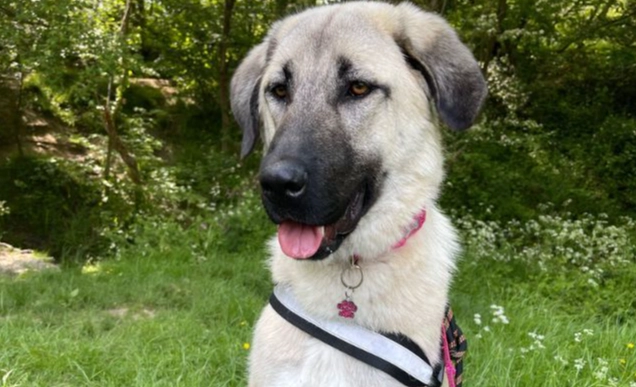
Understanding the Anatolian Shepherd DNA: It's Not Just About Size
The Make-or-Break Factors for Indoor Living
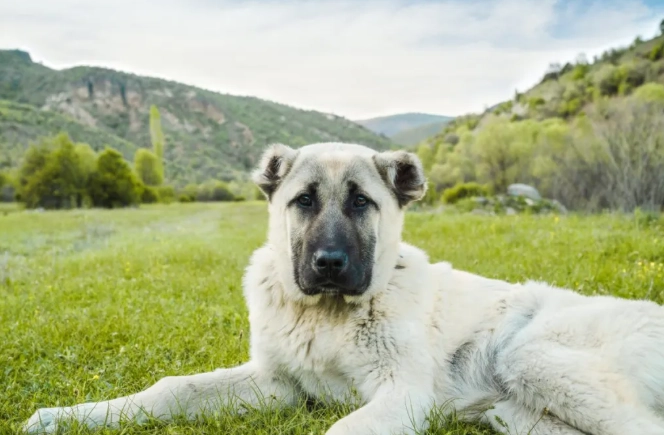
Space: It's About More Than Square Footage
Exercise vs. Job Simulation
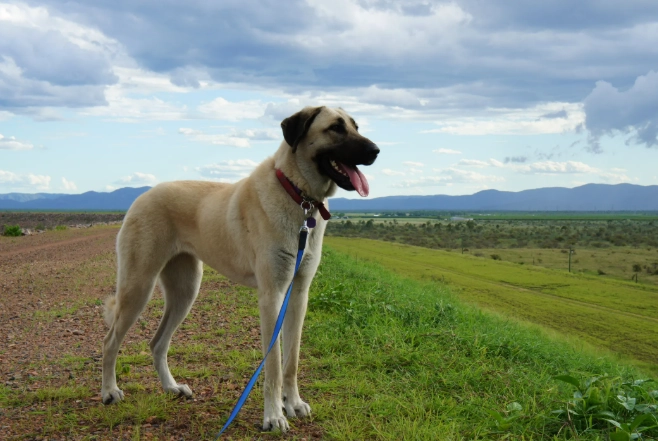
The Socialization Mountain (And It's a Steep One)
A Realistic Day-in-the-Life Scenario
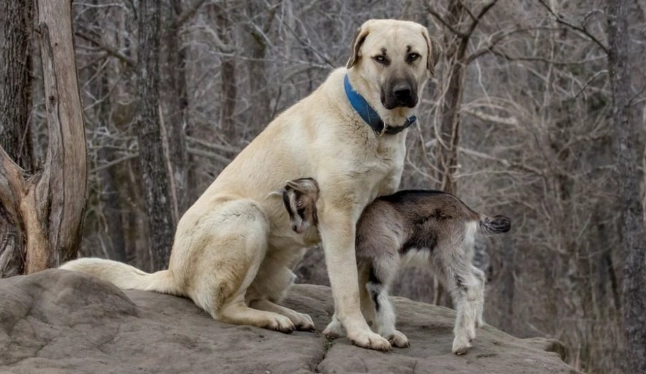
Anatolian Shepherd vs. Typical "House Dog" Expectations: A Side-by-Side Look
Expectation for a "House Dog"
Anatolian Shepherd Reality
What This Means For You
Obedience & Eagerness to Please
Independent, thinks for itself. Obeys if it agrees with the command's logic.
Training requires patience, consistency, and high-value rewards. Forget rapid-fire obedience competitions.
Social Butterfly
Aloof with strangers, selectively affectionate with family. Not a "love everyone" dog.
You must manage introductions and accept that not everyone will get to pet your dog. Socialization is critical.
High-Energy Playmate
Moderate energy with intense bursts. More inclined to watch and patrol than fetch for hours.
Exercise needs are manageable but must be mentally stimulating. A bored Anatolian is destructive.
Quiet Companion
Alert barker. Will bark to warn of perceived intrusions (mail, squirrels, neighbors).
You must train a "quiet" cue and manage their environment. Not suitable for noise-sensitive housing.
Easy Grooming
Heavy seasonal shedder ("blows coat" twice a year). Regular brushing is essential.
Be prepared for dog hair everywhere during shedding seasons. Weekly brushing is a must.
Adaptable to Change
Thrives on routine and predictability. Suspicious of new things.
Life needs to be stable. Frequent moves, new people, or chaotic schedules cause stress.
Who Should NEVER Consider an Anatolian as a House Dog?
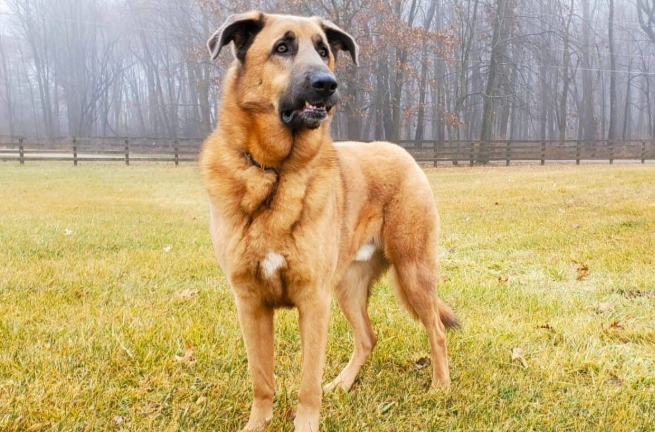
Frequently Asked Questions (The Real Ones People Worry About)
The Bottom Line: It's a Commitment, Not a Convenience
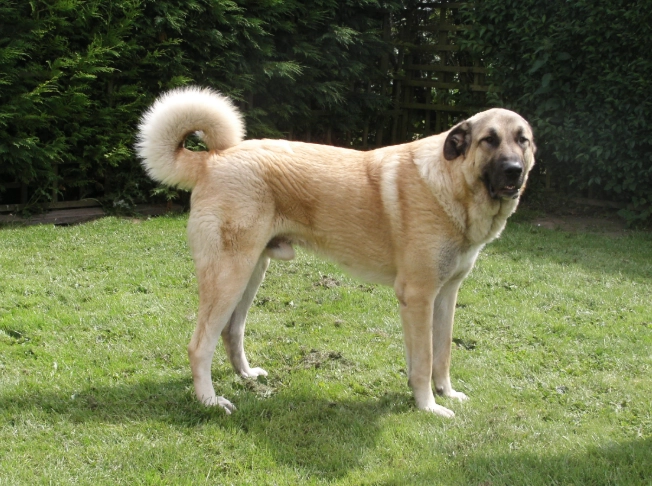
I remember visiting a friend who had one. "Khan" would just… watch. From his spot in the corner of the living room, he monitored every window, every door, every person's movement. He wasn't begging for attention; he was on duty. It was humbling and a bit intimidating. This wasn't a pet relaxing; it was a professional in his workspace.
This is crucial: If you want a dog that obeys commands instantly and seeks constant affection, look elsewhere. An Anatolian's loyalty manifests as vigilant protection, not slavish obedience. They show affection on their own terms, often through a calm, steady presence.
Think of it as a job description: Perimeter Security Manager. Would you hire someone for that role and lock them in a supply closet?
The PDSA, a leading UK veterinary charity, emphasizes that socialization is about "building positive associations." For an Anatolian, this means pairing new experiences with high-value treats and calm praise, ensuring they learn the world is not full of threats, just interesting novelties.
It's okay if that's you. Recognizing a mismatch is responsible. It saves you and a dog from a stressful, potentially dangerous situation.
Are Anatolian Shepherds good with other pets?
With early socialization, they can coexist with other family pets, especially if raised with them. However, their high prey drive means small animals like cats, rabbits, or even small dogs might be seen as prey, not pack mates. Same-sex aggression, particularly between males, is common. Never assume they will be friendly with strange dogs. Dog parks are a hard no.
How do you handle their barking?
You manage it, you don't eliminate it. Barking is their alarm system. First, identify the trigger (e.g., people walking by). Manage the environment (close blinds, use white noise). Train a "thank you" cue—when they bark, calmly say "thank you," check the window yourself, and then ask for a sit or a down. This acknowledges their job is done. Punishing an Anatolian for protective barking destroys trust and can worsen anxiety.
Can they be left alone during the workday?
Adult Anatolians, with sufficient exercise beforehand, can often handle a standard workday due to their low-key indoor nature. However, puppies and adolescents cannot. They require potty breaks, stimulation, and company. Leaving any dog alone for 8+ hours daily is tough, but for a guardian breed, isolation can lead to anxiety-based guarding of the empty house. A dog walker or midday check-in is strongly advised.
Is an Anatolian Shepherd the same as a Kangal?
This is a hot topic. In their native Turkey, "Kangal" refers to a specific type of livestock guardian from the Kangal district, often considered a subtype of the broader "Anatolian Shepherd" category. Internationally, kennel clubs differ. The AKC recognizes the "Anatolian Shepherd Dog," while the UKC recognizes both the "Anatolian Shepherd Dog" and the "Kangal Dog" as separate breeds. For our purposes—deciding if one can be a house dog—the temperament and needs are functionally identical: large, independent, protective guardians.
The Verdict: An Anatolian Shepherd can be an incredible indoor companion, but only for the specific, prepared household that can meet its profound need for a job, space, and understanding. For that right family, the question isn't "can it be a house dog," but "how fortunate we are to share our house with such a dog." For everyone else, there are countless other wonderful breeds that will fit into a conventional "house dog" role with far less friction.
Comment