Let's be honest, if you've landed here, you're probably staring at pictures of these two massive, majestic dogs and thinking... they look pretty much the same. A giant, fluffy bear-dog versus another giant, fluffy bear-dog. What's the real difference? The question "Which is better, a Kangal or Anatolian Shepherd?" isn't just about picking a pet; it's about choosing a living, breathing security system with a heart of gold and jaws of steel. I remember talking to a rancher friend who swore by his Anatolian, but then a fellow dog enthusiast online was a die-hard Kangal fanatic. The debate got me digging, and wow, the rabbit hole is deep. Turns out, the confusion is totally understandable. We're dealing with ancient lineages, modern breed standards, and a heap of regional naming conventions. Some folks use the names interchangeably, which just muddies the water further. But here's the thing – if you're serious about bringing one of these gentle giants into your life (and I mean serious, they're not a casual commitment), you need to know what sets them apart. It's the difference between a dog that's perfect for your 20-acre homestead and one that might be overkill for your 2-acre hobby farm. So, let's cut through the noise. This isn't about declaring a winner in some canine showdown. It's about matching the right dog to the right person, the right land, and the right job. We'll break it down piece by piece – their history, their looks, their brains, their health – everything. By the end, you'll have a crystal-clear picture. No fluff, just the facts (and maybe a little of my own opinion from all the research and chats I've had). You can't understand the present without peeking at the past. Both dogs hail from the Anatolian plateau, a rugged, vast region in Turkey. For centuries, shepherds needed dogs that could withstand blistering summers, freezing winters, and fend off wolves, bears, and jackals. Independence, intelligence, and sheer physical power were bred into every fiber of their being. The Kangal is specifically associated with the town of Kangal. It's often considered a distinct, pure strain within the Anatolian shepherd dog family. Think of it like Champagne from the Champagne region of France. All Kangals are Anatolian Shepherd Dogs in the broad, historical sense, but not all Anatolian Shepherds are Kangals. The key distinction comes from modern kennel clubs. Major organizations like the Fédération Cynologique Internationale (FCI) and the United Kennel Club (UKC) recognize the "Kangal Shepherd Dog" as its own breed. Meanwhile, the American Kennel Club (AKC) only recognizes the "Anatolian Shepherd Dog," and their breed standard encompasses dogs that might elsewhere be called Kangals. This bureaucratic split is a huge source of the debate. It's not just about dog shows. The breed standard dictates ideal physical and temperamental traits. An AKC-registered Anatolian might have a wider range of acceptable colors and builds than an FCI-registered Kangal, which has a very strict standard focusing on that iconic fawn coat with a black mask. This means when you ask "Which is better, a Kangal or Anatolian Shepherd?", part of the answer depends on which registry's definition you're using. A breeder focusing on the FCI Kangal standard is selecting for very specific traits, while an AKC Anatolian breeder might have a slightly broader gene pool. It's a crucial point often missed in casual comparisons. Okay, let's talk about what you actually see. At first glance, they're both huge, powerful molossers with thick coats. But look closer. See? The Kangal standard is like a detailed portrait, while the Anatolian standard is more of a landscape painting. The Kangal's consistent look is a point of pride for its enthusiasts. I've seen some Anatolians that you'd swear were Kangals, and others that look quite different – lighter coats, less mask, bulkier frame. That variation is the key visual takeaway. This is where the rubber meets the road. Both are livestock guardian dogs (LGDs) through and through. Their job isn't to herd sheep, but to live with them and protect them. That instinct is baked into their DNA. But are there temperamental nuances? Let's dig in. Intelligence & Independence: Off the charts for both. These dogs were bred to make life-or-death decisions miles away from their human. They don't look to you for constant direction; they assess the threat and act. This makes them brilliant guardians and notoriously challenging to train with traditional, repetitive methods. They think for themselves. If they deem a command irrelevant (like "come" when they're on patrol), they will ignore it. It's not stubbornness; it's job-focused prioritization. Loyalty & Bonding: They bond intensely with their family – human and animal. They are famously gentle and patient with children within their flock. However, that loyalty has a flip side: profound suspicion of strangers. Socialization isn't a puppy class you do once; it's a lifelong commitment of controlled, positive exposure. An unsocialized guardian dog is a liability. Protective Drive: Both possess a deep, innate drive to guard their territory and flock. The Kangal has a particular reputation for its method of protection: it often aims to confront, intimidate, and pin a predator rather than immediately engage in a lethal fight. This is seen as a strategic, energy-efficient approach. The Anatolian is equally formidable. The real difference often comes down to the line of working dogs a breeder uses, not just the breed label. Forget visions of precision heelwork and competitive obedience titles. Training these dogs is about establishing a partnership based on mutual respect. You need to be confident, consistent, and incredibly patient. They respond terribly to force or harshness – it breaks trust and can trigger defensive aggression. Positive reinforcement, using high-value treats and their innate desire to please their trusted human, works best. You're not training a robot; you're communicating with a highly intelligent, willful partner. Early and extensive socialization is non-negotiable. Expose them to various people, animals, sights, and sounds in a calm, positive way before they are 16 weeks old. This helps them learn what is normal and not a threat. Honestly, neither is "easy." Both are equally challenging for a first-time dog owner or someone used to biddable breeds like Border Collies or Labradors. The slight edge, if any, might go to the Anatolian simply because some lines may have been selectively bred for a tad more sociability in Western countries. But it's a tiny edge on a very steep cliff. Giant breeds come with giant health considerations. Both are generally robust, healthy breeds thanks to their working origins, but they are prone to certain conditions. The average lifespan for both is 10 to 13 years, which is good for their size. There's no clear evidence one breed is significantly healthier than the other. The health of your individual dog will depend almost entirely on the genetic screening done by the breeder and the quality of care you provide. This is where dreams of owning a majestic guardian crash into reality if you're not prepared. Space: They are not apartment dogs. They are not even suburban backyard dogs, unless that backyard is several acres with a serious fence. They need room to patrol, to survey their domain, and to move. Confinement leads to frustration, boredom, and destructive behavior. A farm, ranch, or very large, securely fenced property is ideal. Exercise: Don't confuse size with need for a 10-mile run. Their exercise needs are moderate but must be mental as much as physical. Long walks, hikes where they can explore and sniff, and patrols of their territory are perfect. They are sprinters, not marathon runners. Grooming: Both have a double coat that sheds heavily, especially during seasonal blows in spring and fall. Weekly brushing is essential to manage loose hair and prevent mats. They are relatively clean dogs and don't have a strong "doggy" odor. Baths are only needed a few times a year. Forget a simple answer. Let's match the dog to the scenario. This is the heart of the matter. The real answer? The better dog is the one from the better breeder. Full stop. A well-bred, well-socialized, health-tested Anatolian from a breeder who titles their dogs in livestock guarding trials is a far better choice than a poorly-bred Kangal from a backyard operation. Focus less on the name and more on the individual breeder's philosophy, the health testing they do, the temperament of their dogs, and the support they offer. After all this, the question "Which is better, a Kangal or Anatolian Shepherd?" starts to feel a bit simplistic. The better question is: "Which one is better for MY life, MY land, and MY experience level?" Both are incredible, awe-inspiring animals that represent a living link to an ancient way of life. They are not status symbols or casual pets. They are a profound responsibility. They require an owner who understands canine psychology, who has space and time, and who values a partnership with an independent thinker. My advice? Forget the internet debate for a moment. Make a list of what you can offer: acreage, time for training and socialization, budget for food and vet care (giant dogs mean giant bills). Then, go meet some. Talk to multiple breeders of both types. Meet adult dogs. See the differences in person. Feel the presence of a Kangal and an Anatolian. Let your gut, informed by all these facts, guide you. You might just find that the perfect dog isn't the one with the "better" name, but the one that looks at you, and in that calm, assessing gaze, you see a partner you can trust with your home, and who will trust you with their legendary heart.Quick Navigation
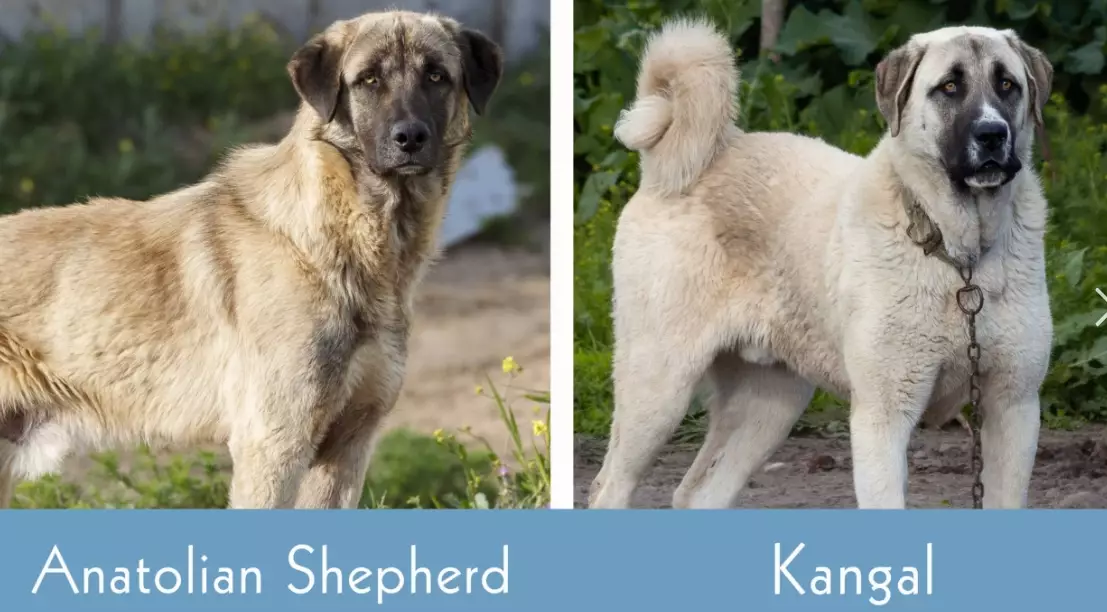
The history of these dogs is written in the dusty hills of Anatolia (modern-day Turkey). For thousands of years, they weren't "breeds" as we think of them today, but landrace types – dogs shaped by job and environment, not a kennel club's rulebook. The Kangal is named after the Kangal district in Sivas Province, while "Anatolian Shepherd" is a broader, more western term that sometimes acts as an umbrella. This shared origin story is the root of all the mix-ups.
The Core of the Confusion: One Homeland, Two Names
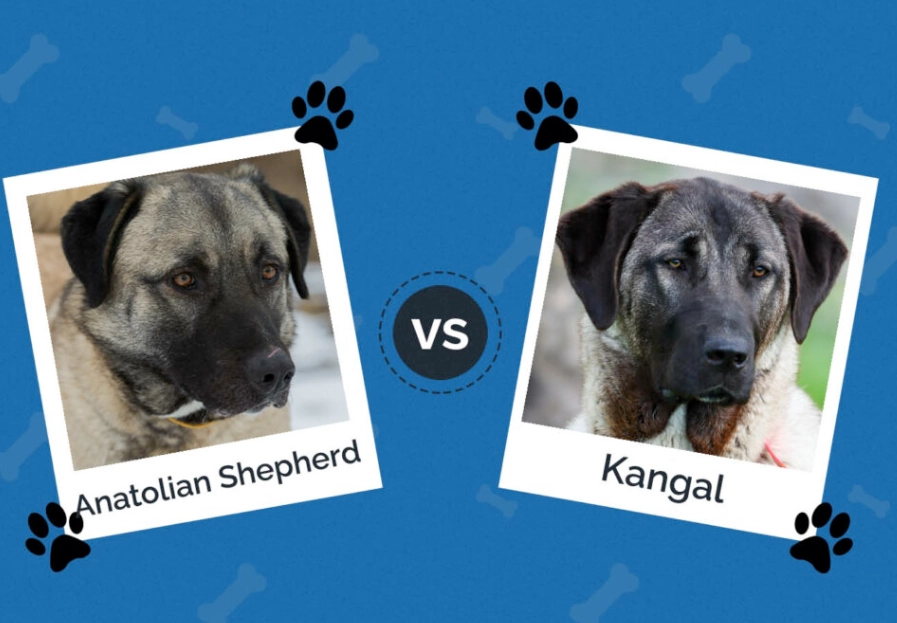
Why Kennel Clubs Matter in This Debate
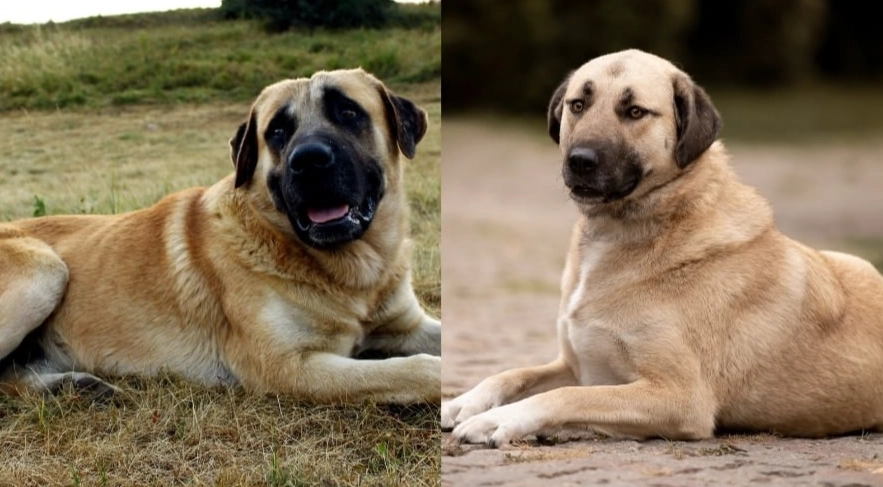
Side-by-Side: The Physical Breakdown
Feature
Kangal Shepherd Dog
Anatolian Shepherd Dog (AKC Standard)
Primary Distinguishing Mark
Black mask is a non-negotiable breed requirement. The face must be black.
Black mask is common and preferred, but not strictly required. Lighter masks or absence of mask is acceptable.
Coat Color
Solid fawn to dun (a grayish-yellow) only. Very limited color range.
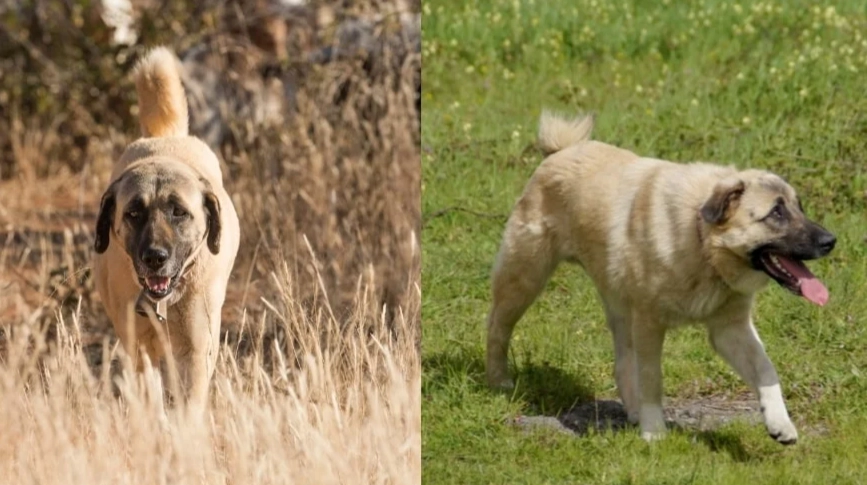
All fawn and brindle colors, from light cream to red fawn, often with white markings on chest and feet.
Build
Often described as slightly more athletic and leggier, built for endurance and sudden bursts of speed.
Can be stockier and more heavily boned, though still agile. There's more variation.
Size
Males: 30-32 inches, 110-145 lbs. Females: 28-30 inches, 90-120 lbs. (FCI Standard)
Males: 29+ inches, 110-150 lbs. Females: 27+ inches, 80-120 lbs. (AKC Standard)
Overall Impression
Focused, alert, and built like an Olympic wrestler.
Powerful, imposing, and dignified.
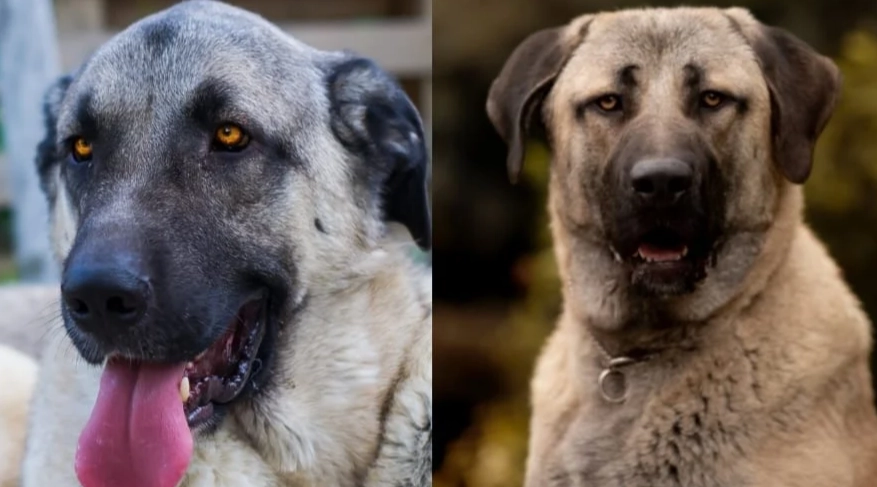
Beyond Looks: The Heart and Mind of a Guardian
Here's a personal opinion based on many owner accounts: Some Kangal proponents argue the breed has a slightly more "calculated" aloofness, while some Anatolians might display a marginally more adaptable nature due to the broader breeding pool. But I must stress, this is a generalization on a spectrum. Individual personality, upbringing, and training will trump any broad breed tendency every single time. You can get a wildly suspicious Anatolian and a relatively sociable Kangal.
Trainability: A Game of Respect, Not Obedience
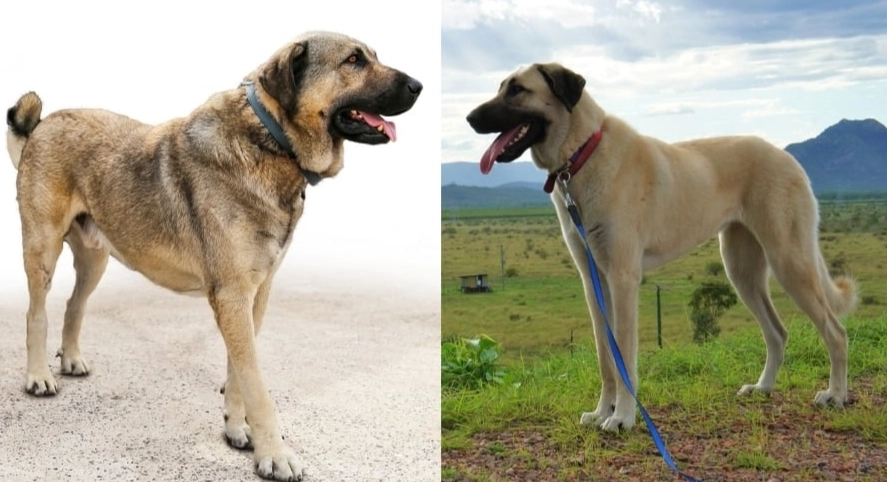
Health and Lifespan: The Long Haul
The Living Reality: Exercise, Space, and Grooming
That fence I mentioned? It needs to be at least 6 feet tall, and preferably sunk into the ground or with an apron. These dogs can and will climb or dig if motivated. Their primary job is boundary control, and they will test yours.
So, Which is Better, a Kangal or Anatolian Shepherd? The Decision Matrix
You Might Lean Towards a Kangal Shepherd Dog If...
You Might Lean Towards an Anatolian Shepherd Dog If...
FAQs: Your Burning Questions Answered
1) Are members of national breed clubs (like the Anatolian Shepherd Dog Club of America or the Kangal Dog Club of America).
2) Prioritize health testing (OFA hips/elbows, cardiac exams) and provide you with the certificates.
3) Raise puppies in their home with early neurological stimulation and socialization.
4) Ask you as many questions as you ask them. They should be interviewing you.
5) Have a lifelong take-back clause in their contract.
Also, consider rescue! Organizations like the National Anatolian Shepherd Rescue Network often have wonderful dogs needing homes.The Final Word: It's About You, Not the Label
Which is easier to train, a Kangal or an Anatolian Shepherd?
Are Kangals and Anatolian Shepherds the same breed?
Genetically and historically, they are closely related branches of the same ancient Turkish livestock guardian dog family. In modern kennel club terms, they are increasingly classified as separate breeds (Kangal vs. Anatolian Shepherd), with the Kangal having a more restrictive standard. For all practical purposes for an owner, they are distinct enough to warrant careful comparison.
Which is more aggressive, a Kangal or an Anatolian?
This is the wrong question. Neither should be human-aggressive. Both are intensely protective and territorial. Improper breeding, lack of socialization, or poor handling can make either breed dangerously aggressive. A well-bred, well-raised dog of either type should be aloof and discerning with strangers, not indiscriminately aggressive. The Kangal might have a slightly more pronounced instinct to physically confront a threat, while the Anatolian might rely slightly more on intimidation through size and bark, but this is a subtle nuance.
Can either dog live in a house with a family?
Yes, absolutely. Despite their size and job, they are typically calm, gentle, and affectionate with their family members inside the home. They are known for being excellent with children they are raised with. However, they are not "couch potatoes" in the sense of being confined to a house. They need a job, which is guarding their property. The house is their den, but the land is their office.
Where can I find a reputable breeder?
This is the most critical step. Avoid pet stores and online marketplaces like Craigslist. Seek out breeders who:
Comment