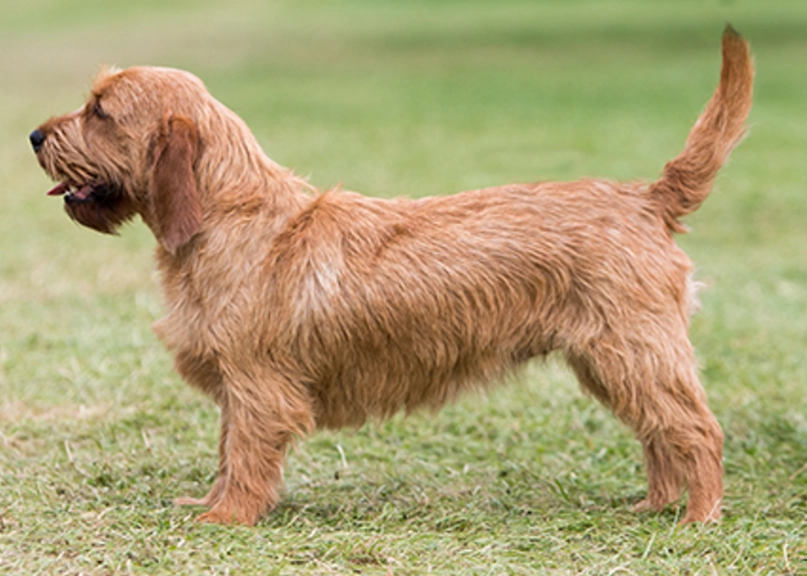
Let's be real for a second. When you first laid eyes on that adorable, scruffy-faced, low-to-the-ground Basset Fauve de Bretagne, thoughts of intricate grooming regimes were probably the last thing on your mind. You were likely captivated by the expressive eyes, the wiry coat the color of wheat or faded brick, and that quintessential hound dog charm. I know I was. But then you brought your Fauve home, and after the initial bliss wore off, you ran your fingers through that coarse hair and thought... wait, what do I actually do with this? That's where most people start. The Basset Fauve de Bretagne grooming question isn't just about keeping them clean; it's about managing a unique, weather-resistant double coat that, if ignored, can turn into a matted, smelly mess. And it's about caring for those iconic long ears, those soulful eyes, and the active paws of a dog bred to hunt through Breton underbrush. The good news? It's not as hard as it looks. In fact, with a solid routine, it can become a relaxing bonding time for you and your dog. The bad news? There's a lot of conflicting advice out there. I've spoken to breeders, professional groomers who specialize in wire-haired breeds, and owners who've been through it all. I've also made my own share of mistakes (more on that later). This guide is the culmination of that—a straight-talking, step-by-step manual to demystify the entire process. We're not just talking about a quick brush. We're diving into the why and how of everything from selecting the right comb to deciding if you should ever let clippers near your dog. The Core Philosophy: Basset Fauve de Bretagne grooming isn't about creating a poodle-perfect show dog (unless you're in the ring, of course). It's about maintenance and health. It's about preserving the protective qualities of their coat while ensuring their comfort and hygiene. Get that right, and everything else falls into place. You can't talk about Basset Fauve de Bretagne grooming without first understanding what you're working with. Calling it "wiry" or "rough" only scratches the surface. This is a double coat, and each layer has a job. The outer coat is made of hard, dense, and quite coarse hairs. Run your hand over it. Feel that resistance? That's what kept thorns and brambles from the skin of working dogs in Brittany. It's naturally dirt-repellent and water-resistant. Underneath lies a dense, finer undercoat. This layer provides insulation—keeping them warm in damp, chilly weather and surprisingly cool in heat by trapping a layer of air. Here's the kicker: this coat does not shed in the traditional way like a Labrador. Instead, the old, dead outer hairs (and undercoat) get trapped. If you don't remove them, they form mats and felts close to the skin. This isn't just unsightly; it's a hotbed for moisture, bacteria, and parasites, and it pulls painfully on the skin. So, the number one goal of Basset Fauve de Bretagne grooming is manual de-shedding through brushing. You're replacing the natural shedding process with your tools. My friend's Fauve, Hugo, went through a phase where they slacked on brushing for just a few weeks during a busy summer. What started as a slightly thicker coat turned into a solid, felted mat under his chest. The groomer had to shave it out. Hugo was fine, but my friend learned a $120 lesson about consistency. Forget the fancy, gimmicky gadgets. You need a few key, high-quality tools. Investing here makes the job ten times easier. A note on clippers and shavers: I'm going to be blunt—using clippers with a standard blade on a healthy Basset Fauve de Bretagne coat is often a mistake. It can permanently soften and ruin the harsh texture of the outer coat, making it more prone to matting in the future. It's like cutting a wire with dull scissors; it changes the structure. Hand-stripping or clipping with a very long guard comb is preferred for maintaining coat health. We'll get into that in the professional section. This is your bread and butter. A consistent home routine prevents 90% of grooming headaches. Aim for once a week, or at minimum, every two weeks. Set aside 30-45 minutes. Pro Tip: Do this grooming on a table or a non-slip surface at a comfortable height for you. It saves your back and gives you better control. A simple rubber bath mat on a sturdy table works wonders. What about baths? Ah, the great debate. Over-bathing is a common error. That wiry coat has natural oils that protect it. Stripping them away too often leads to dry skin, itchiness, and can ironically make the coat dirtier as the oil production goes into overdrive. For most Fauves, a bath every 6-8 weeks is plenty, or simply when they get into something foul. Here's the right way to do it: Watch Out: Those long, gorgeous ears are a breeding ground for yeast and bacteria if moisture gets trapped. During the bath, place a cotton ball (not too deep) in each ear canal to prevent water entry. After the bath, thoroughly dry the ear leather (the floppy part) and the crevices at the ear opening with a towel. True Basset Fauve de Bretagne grooming encompasses the whole dog. Neglecting these is like washing your car but never checking the oil. This is probably the most critical health-related grooming task. Those long, folded ears restrict airflow. Check them weekly for redness, a bad smell, or excessive dark wax. Clean them with a vet-recommended ear cleaner on a cotton pad or gauze. Do not use Q-tips deep in the canal. Just clean the parts you can see. The American Kennel Club has a good overview on general ear cleaning principles for dogs that apply here. If you hear clicking on the floor, the nails are too long. Long nails alter the dog's gait and can cause joint stress over time. Trim every 3-4 weeks. Use sharp, guillotine or scissor-style clippers. Take off tiny bits at a time, avoiding the quick (the pink, sensitive vein inside). If your dog has black nails, this is harder—just take off the curved hook. If you're nervous, a professional groomer or vet can show you. Grinders are a good, gradual alternative for anxious dogs. Gently wipe any "sleep" from the corners of the eyes daily with a soft, damp cloth. Dental care is not optional. Brush their teeth several times a week with dog toothpaste (never human). It prevents painful dental disease, which is incredibly common. The American Veterinary Medical Association (AVMA) stresses that dental health is a critical part of overall pet health. Even with perfect home care, a professional groomer every 3-4 months is a fantastic idea. They handle the heavy lifting, give you a fresh start, and can spot potential skin issues you might miss. The big question: Hand-stripping vs. Clipping. When you book an appointment, specifically ask if the groomer has experience with wire-haired breeds or Basset Fauve de Bretagnes. Explain you do not want your dog shaved. A good groomer will understand. You can reference standards from professional organizations like the International Professional Groomers (IPG) which emphasize breed-specific techniques. I made the mistake once of taking my first Fauve to a generic pet store groomer without clear instructions. They gave him a generic "terrier cut" that was way too short. His coat grew back softer and never quite had the same rustic look. It was my fault for not communicating. Your Basset Fauve de Bretagne grooming routine isn't static. Let's ditch the theory and make this actionable. Print this out or save it. The Basset Fauve de Bretagne Grooming Success Checklist Look, at the end of the day, Basset Fauve de Bretagne grooming is a commitment. But it's not a mysterious, daunting one. It's a logical process of maintaining a unique coat for a unique dog. When you get into the rhythm, you'll find it's a quiet time you both might come to enjoy. You'll know your dog's body intimately, spotting any lumps, bumps, or issues early. And you'll have a healthy, comfortable, and fantastically scruffy companion who turns heads at the park—not because they're messy, but because their well-kept, rustic charm is simply undeniable. So grab that comb, a handful of treats, and start. Your Fauve will thank you for it.Quick Guide
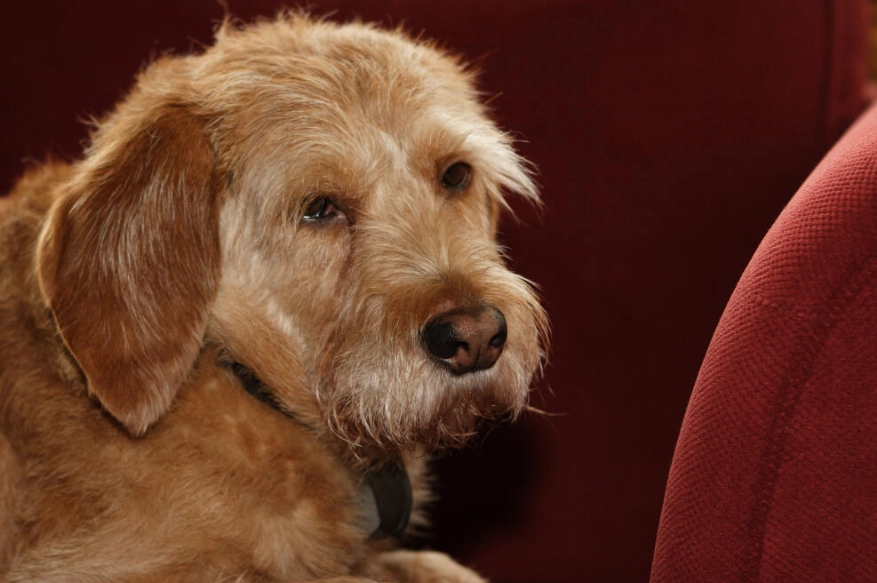
Understanding the "Fauve" Coat: It's Not Just Fur
The Essential Tool Kit for Basset Fauve de Bretagne Grooming
Tool Purpose Why It's Critical for a Fauve Slicker Brush Initial detangling and breaking up surface mats. Its fine, bent wires are perfect for getting through the top layer of wiry hair without being too harsh on the skin if used gently. Great for legs and furnishings. Stainless Steel Comb (Medium & Wide/Coarse) The most important tool. Used to check your work and reach the undercoat. The comb's teeth must reach all the way to the skin. If it glides through smoothly from skin to hair tip, you're done. If it catches, you've found a tangle or dead undercoat. The wider-spaced comb is for thicker areas. Undercoat Rake (or a "Coat King" style tool) To efficiently pull out the dead undercoat. This is your workhorse for seasonal shedding periods (yes, they "blow coat" even if they don't shed loosely). It has long teeth that glide through the topcoat to grab and remove the fluffy undercoat. Use with care—don't dig into the skin. Bristle Brush or Grooming Mitt Final polish and distributing natural oils. After all the dead hair is out, a bristle brush gives the coat a nice shine and smooths it down. It feels good for the dog and signals the end of the session. Blunt-tipped Scissors For tidy-ups, not for cutting out mats. Perfect for carefully trimming the hair between footpads, tidying up the "pants" on the back legs if they collect mud, or neatening the hair around the anus for hygiene. The Weekly (or Bi-Weekly) Ritual: Step-by-Step Home Grooming
Bathing Your Basset Fauve de Bretagne: Less is More
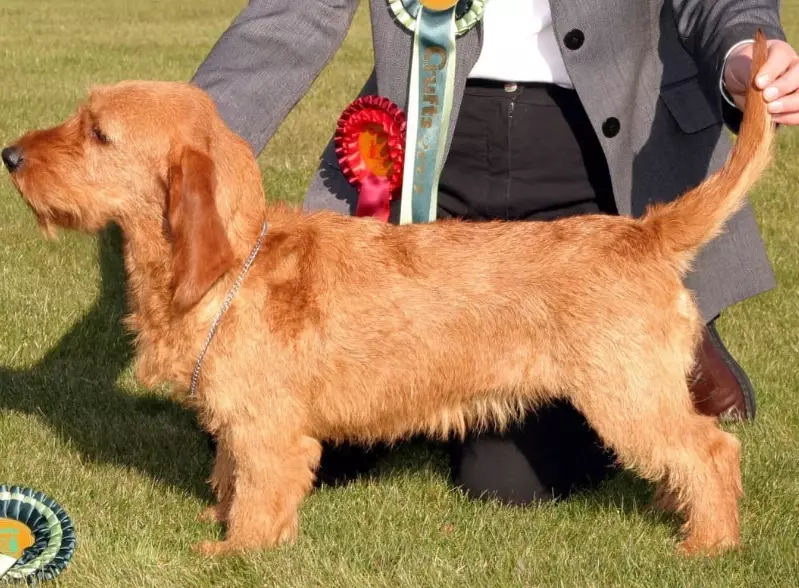
Beyond the Coat: The Non-Negotiable Extras
Ear Care: A Weekly Must-Do
Nail Trimming: The Toe-Tapping Test
Eye Wiping and Dental Care

Professional Basset Fauve de Bretagne Grooming: When, Why, and What to Ask For
Seasonal and Life Stage Adjustments
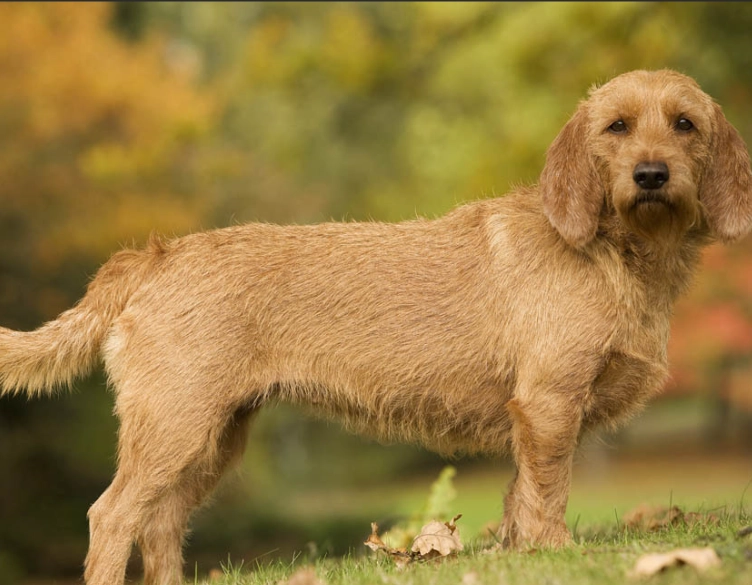
Answering Your Basset Fauve de Bretagne Grooming Questions
Pulling It All Together: Your Grooming Success Checklist
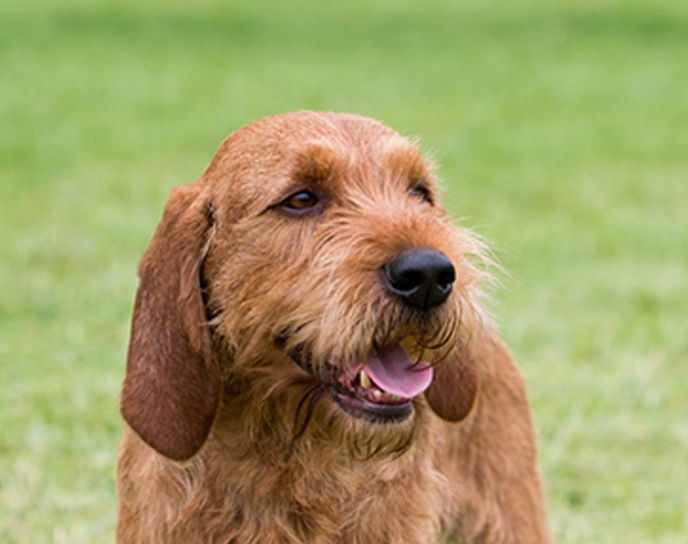
How often should I REALLY brush my Basset Fauve de Bretagne?
For most, once a week is the sweet spot. If you go longer than two weeks, you're almost guaranteed to find mats starting, especially in the high-friction areas. During seasonal shedding periods, bump it up to twice a week.
Can I just shave my Fauve in the summer to keep them cool?
I strongly advise against it. That double coat is their natural temperature regulation system. Shaving exposes their sensitive skin to sunburn, insect bites, and can actually make them overheat more easily by removing the insulating layer. A good trim with a long guard comb is a much safer alternative.
My dog's coat feels soft after a bath, not wiry. Did I ruin it?
Not necessarily ruined, but softened. Using conditioner or the wrong shampoo can coat the hair. The wire texture should return as the natural oils redistribute over a week or so. Next time, skip the conditioner and use a shampoo for wire coats.
Is hand-stripping painful for the dog?
When done correctly by a skilled professional, it should not be painful. It's similar to the sensation of plucking eyebrows—a quick tug on hair that is already loose and ready to shed. A good groomer works in the direction of hair growth and keeps sessions appropriate. Many dogs even fall asleep during it!
What's the single biggest grooming mistake Fauve owners make?
Inconsistency. Thinking you can "catch up" next month. Mats form quickly and are painful to remove. Setting a weekly calendar reminder for a 30-minute brush-comb session saves you hours of stress (and money at the groomer) later.
Comment