So you're looking at these two tough, speckled Australian dogs and wondering, what's the deal? I've been there. At first glance, a Blue Heeler and a Stumpy Tail Cattle Dog look like cousins who borrowed each other's coat. Maybe one just had a tail accident, right? Well, it's way more interesting than that. The question "What is the difference between a blue heeler and a stumpy tail?" pops up all the time in dog forums and breeder inquiries, and for good reason. The confusion is real, and it goes deeper than just a missing appendage. Let's get one thing straight from my own experience chatting with breeders and owners – mixing them up can be a bit of a sore point for enthusiasts. It's like calling a Labrador a Golden Retriever. They share a common purpose and country, but the lineage and specifics carve out distinct identities. This isn't just academic; choosing between them can mean the difference between a dog that matches your active lifestyle perfectly and one that might, frankly, run circles around you (literally and mentally). You can't understand the difference without rewinding the clock. Both dogs were born from the brutal necessity of ranching in the Australian outback. Cattle were wild, distances were vast, and the sun was merciless. Farmers needed a dog with iron stamina, fierce intelligence, and a bite that could convince a stubborn bull to move. But they tackled the problem from slightly different genetic angles. The Stumpy Tail's story is often said to be the older, more direct one. The tale goes that in the 19th century, a man named Thomas Simpson Hall crossed the native, semi-wild Dingoes (valued for their silence, hardiness, and understanding of the land) with the rough-coated, bobtailed descendants of Smithfield dogs brought over by early British settlers. The goal was a robust, heat-tolerant herder. The result was Hall's Heelers, considered the forefathers of the Stumpy. The breed was refined for work, with form following function in a pretty pure way. You can dig into this history on the site of the Australian National Kennel Council (ANKC), which recognizes both breeds separately. The Blue Heeler's history, meanwhile, reads like a canine melting pot. Later stockmen, like the Bagust family, took the foundation of Hall's dogs (or similar working stock) and introduced other breeds to tweak the formula. Dalmatian was added – some say for loyalty and affinity with horses, though that's debated. Scottish Highland Collies (smooth-coated) or Kelpies were mixed in to enhance herding instinct and agility. This cocktail created the Australian Cattle Dog, which comes in both blue and red speckled varieties. The "Heeler" name comes from their method of nipping at the heels of cattle to drive them. So, while their jobs were identical, their genetic blueprints were being drawn with different tools. That historical fork in the road explains a lot about them today. Alright, let's get into the nitty-gritty. Here’s where a direct comparison helps clear the fog. When you're trying to figure out what is the difference between a blue heeler and a stumpy tail, this table covers the core physical and historical distinctions. See? It's more than just the tail. The Stumpy looks like a leaner, more streamlined version. The Blue Heeler often has that stockier, "ready for anything" build. I remember seeing them both at a herding trial, and the difference in silhouette was obvious once you knew what to look for. This is where the rubber meets the road for most potential owners. Both are sharp, tough, and bred to think for themselves. You're not getting a couch potato here. But the nuances matter. Blue Heelers are legendary for their intense loyalty and energy. They form a powerful, often singular bond with their person. This is the dog that will follow you from room to room, always on duty. That devotion is amazing, but it can tip into neurosis if they're left alone or under-stimulated. They need a job. Their herding style is assertive, and that can translate to nipping at kids or heels if not channeled. They're incredibly smart, but sometimes that intelligence is used to outsmart you. Stubborn is a word you'll hear a lot. Stumpy Tails, from what breeders and long-time owners tell me, often carry themselves with a bit more innate reserve. They're still fiercely loyal and hardworking, but they can be more discerning with strangers and a touch more independent. Think of them as the quiet, observant professional versus the enthusiastic, eager-to-please partner. This doesn't mean they're less attached; their attachment might just be shown with a watchful eye rather than constant physical shadowing. Some say they are slightly less "in-your-face" intense than the typical Blue Heeler, but let's be clear: slightly is the key word. They are not a low-energy breed by any stretch. If you want a dog to relax with after a 9-5 desk job, look elsewhere. I'm serious. This is the biggest point of failure for owners. Both breeds demand physical and mental exercise. A long walk is just a warm-up. Here’s what a typical week needs to include for either dog to be balanced: Training requires firmness, fairness, and endless patience. Positive reinforcement works wonders, but you need to be consistent and confident. They sense hesitation. The Australian Cattle Dog (Blue Heeler) is often ranked among the top 10 smartest breeds, and the Stumpy isn't far behind. That means they learn fast—both good commands and bad habits. My personal take? The Blue Heeler might be a tiny bit more persistent in testing boundaries, while the Stumpy might be a bit more aloof and decide if your command is worth following right now. Both require an owner who understands dog psychology, not just basic commands. Both are generally robust, healthy breeds built for a hard life. You can expect a lifespan of 12-15 years with good care. However, being purebreds, they have some breed-specific concerns that any responsible buyer should screen for. For Blue Heelers (Australian Cattle Dogs): For Stumpy Tail Cattle Dogs: For the most current and vet-approved information on breed health, the American Veterinary Medical Association (AVMA) is a reliable resource for understanding these conditions. Don't just fall for the look. Ask yourself these questions honestly: If you answered "no" to any of the first three, you should seriously reconsider. These dogs are not beginner-friendly. Their problem behaviors (destruction, barking, nipping, anxiety) are almost always a result of unmet needs, not a "bad dog." So, after all this, what is the difference between a blue heeler and a stumpy tail? It's a blend of history, structure, and subtle temperament shades. The Stumpy Tail Cattle Dog is the purist's herder, a direct legacy of the early outback with a leaner frame and natural bob. The Blue Heeler is the versatile, supercharged workhorse, a product of creative breed blending, known for its compact power and intense bond. Choosing isn't about which is "better"—both are exceptional at what they were bred to do. It's about which fits the fabric of your life. Do you want a slightly more independent, watchful partner (Stumpy), or an intensely devoted, energetic shadow (Blue Heeler)? My strongest advice? Look beyond the tail. Meet breeders of both breeds. Talk to owners. See the dogs in action. A good breeder will interview you as thoroughly as you interview them. They should be a fountain of knowledge about the breed's health, temperament, and quirks. Please, avoid puppy mills and pet stores at all costs. The investment in a well-bred, well-socialized puppy from health-tested parents is worth every penny and saves heartache later. Whichever you choose, you're signing up for a profound, demanding, and incredibly rewarding partnership with one of the canine world's smartest and most capable workers. Just be ready to hold up your end of the bargain.Quick Navigation
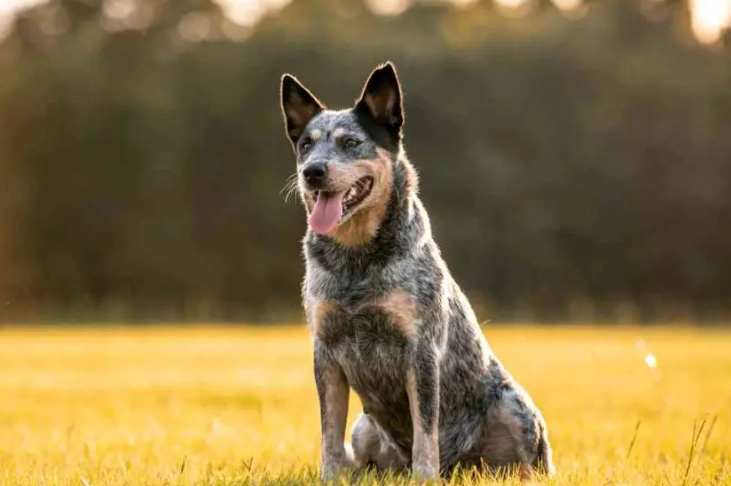
Roots and History: Where the Paths Diverge
Side-by-Side: Breaking Down the Key Differences
Feature
Stumpy Tail Cattle Dog
Blue Heeler (Australian Cattle Dog)
Official Breed Name
Australian Stumpy Tail Cattle Dog
Australian Cattle Dog
Tail
Natural bobtail, never docked. Length varies but is always naturally short.
Traditionally docked for work, but natural long tails are common. The breed standard accepts both.
Build & Profile
More square and leggier. Built like a endurance runner, less cobby.
More compact, muscular, and substantial. Lower to the ground, power-built.
Head Shape
Wedge-shaped, skull tapering to the nose. Less stop (the dip between eyes).
Broader skull, more pronounced stop. The head is stronger and more rounded.
Ears
Generally smaller, pointed, and set higher on the head.
Moderate, pointed ears, set wider apart.
Coat Color
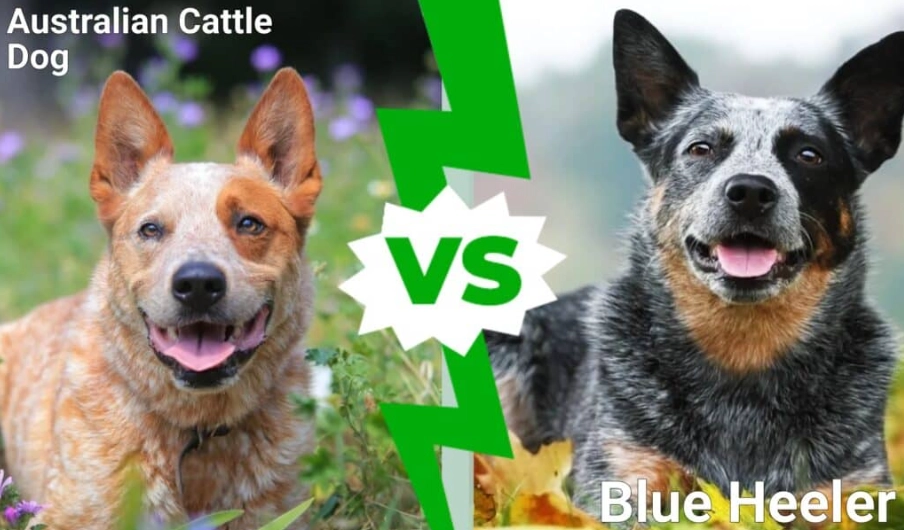
Only two accepted colors: Blue (speckled or roaned) and Red (speckled or roaned). No tan/black markings.
Blue (with or without black/blue/tan markings) and Red Speckle (with or without darker red markings). More variety in patterns.
Primary Ancestry
Dingo x Smithfield-type bobtail dogs.
Dingo, Smithfield, Dalmatian, Kelpie/Collie.
General Temperament
Often described as more reserved, alert, and independent. A watchful worker.
Typically more outgoing, energetic, and strongly bonded/borderline velcro with owner.
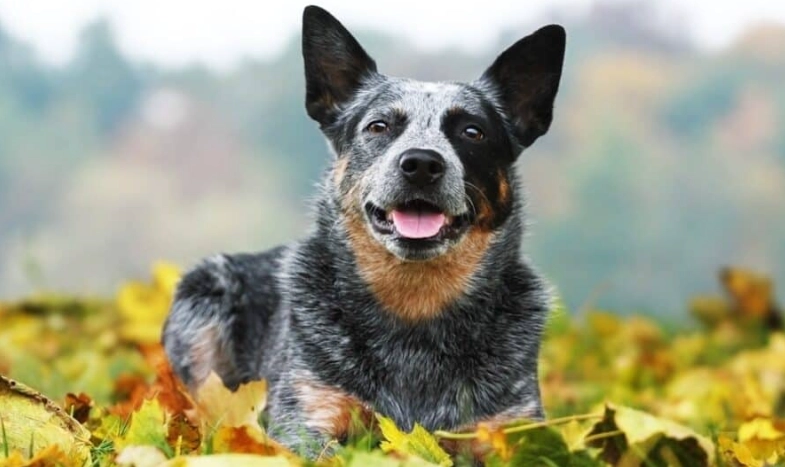
A Closer Look at Temperament and Personality
Training and Exercise Needs: Not for the Faint of Heart
Health and Lifespan Considerations
Which Dog Is Right For You? A Self-Check Quiz
Common Questions Answered (FAQ)
Final Thoughts: Making Your Choice

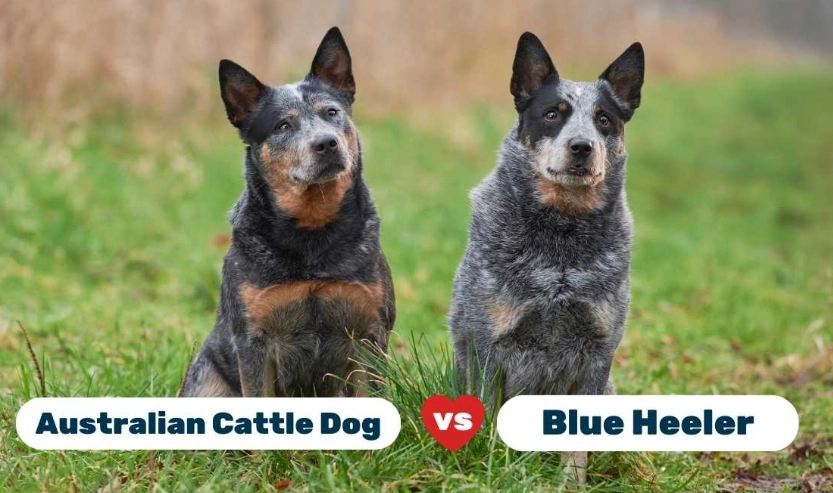
Bottom Line Up Front: While both are Australian cattle herding breeds, the Stumpy Tail Cattle Dog is generally considered a separate, older breed with a purely Australian working dog lineage, a natural bobtail, and a slightly more reserved character. The Blue Heeler (officially the Australian Cattle Dog) often has a docked or long tail, stems from a mix that includes the now-extinct Smithfield and imported Dalmatians and Kelpies, and is famously energetic and tenacious.
The tail is the headline, but the body is the story.
A Word of Caution: Both breeds have a high potential for reactivity (barking, lunging) if not properly socialized. Their guarding instincts are strong. That alertness that makes them great farm dogs can make them a handful in a busy suburb if you don't put in the work from puppyhood. I've seen wonderfully trained ones and nervous wrecks; the difference is almost always early, consistent socialization.
Pro Tip: Always, always ask breeders for the results of genetic screening tests for both parent dogs. Reputable breeders will have them and be proud to share.
I once dog-sat for a Blue Heeler for a week. I'm an active person, but I was exhausted. The mental demand to keep him engaged was constant. It was a brilliant, beautiful dog, but it cemented my respect for the sheer amount of commitment these breeds require. They're a lifestyle, not just a pet.
Can a Blue Heeler be born with a stumpy tail?
Yes, occasionally. Some Australian Cattle Dog lines carry a natural bobtail gene. However, in a purebred ACD (Blue Heeler), a very short, stumpy tail from birth is less common than the natural long tail. If you see one, it's crucial to know the dog's actual lineage, as it could indicate Stumpy ancestry or simply a rare genetic occurrence within the ACD breed.
Is one better with families than the other?
Both can be excellent with families if raised with children and the children are taught to respect the dog. Their herding instinct means they may try to herd small, running children by nipping. The Blue Heeler's intense energy might be overwhelming for very young kids. The Stumpy's potential wariness of strangers might extend to children's friends. Neither is a universally gentle "nanny dog." Supervision and training are non-negotiable.
Which one sheds less?
Neither! Both have double coats that shed year-round and "blow" their undercoat heavily twice a year. During a blow, you will have enough hair to make a small replica of your dog. Weekly brushing is a must, daily during shedding season. If you hate dog hair, these are not your breeds.
Are they good apartment dogs?
It's a huge challenge, but not impossible if and only if you are fanatical about providing sufficient daily exercise and mental stimulation outside the apartment. An apartment alone will not meet their needs. They need space to run and jobs to do. A house with a yard is strongly preferred, but the yard alone is not enough—they need active engagement with you.
What about other names like "Queensland Heeler"?
"Queensland Heeler" is another common name for the Australian Cattle Dog (Blue/Red Heeler), stemming from the Queensland region of Australia where they were developed. It does not refer to the Stumpy Tail Cattle Dog. The naming adds to the confusion, but it's just a regional nickname for the same breed.
Comment