So you're thinking about getting a Basenji, or maybe you just got one, and you're sitting there waiting for a bark that never comes. Instead, you get this strange, almost melodic sound that's somewhere between a chortle and a yodel. It can be downright startling the first time you hear it. I remember visiting a friend with a Basenji years ago, and I spent a good ten minutes looking around for a strange bird before realizing the noise was coming from the dog curled up by the fireplace. That's the thing about Basenji dog sounds. They're not your typical canine soundtrack. If you're used to Labs or Shepherds, the sounds a Basenji makes will completely rewrite your understanding of dog communication. This isn't a flaw or a training issue. It's woven into the very fabric of the breed, a quirk of anatomy and ancient lineage that makes them truly unique in the dog world. Let's dig into why that is, what all those weird noises actually mean, and how to live harmoniously with a dog that expresses itself in such an unconventional way. Key Takeaway Up Front: Basenjis are physically incapable of producing a typical, repetitive bark due to the shape of their larynx (voice box). Instead, they communicate with a repertoire of unique vocalizations, most famously the "baroo" or yodel, along with chortles, screams, and growls. Their silence is a feature, not a bug. Why don't Basenjis bark? It's the first question everyone asks. The answer isn't behavioral; it's anatomical. Think of it like the difference between a violin and a trumpet. They're both musical instruments, but they're built differently and produce sound in different ways. A standard dog bark is a sharp, explosive, and repetitive sound produced by rapid movements of the vocal cords within the larynx. The Basenji's larynx is shaped differently. Some research and anatomical observations suggest it's positioned slightly differently or has a narrower opening. This unique structure makes it difficult, if not impossible, for them to perform the precise, rapid cord vibrations needed for a classic bark. Instead, air passes over their vocal cords in a different way, creating their signature tonal, yodel-like sound. It's often described as a "baroo." This isn't just folk knowledge. While specific studies on Basenji larynxes are niche, the principle is supported by broader veterinary anatomy. The structure of the canine larynx directly dictates vocal range and capability, much like in humans. You can read more about the comparative anatomy of canine vocal structures in resources from institutions like Cambridge University's Department of Veterinary Medicine, which details how laryngeal shape influences sound production across species. So, when your Basenji opens its mouth and that curious sound comes out, you're hearing millions of years of evolution and a specific physical design at work. It's not that they're refusing to bark; their body literally isn't built for it. I've spoken to breeders who say new owners sometimes panic, thinking their dog has a respiratory problem or is in distress when they first yodel. It's a perfectly normal Basenji sound, just one our ears aren't trained to recognize as "dog." Okay, so they don't bark. What do they do? A Basenji's vocal repertoire is surprisingly varied once you learn to listen. It's not just one strange noise. Here’s a breakdown of the most common Basenji dog sounds you'll encounter and what they typically mean. This is the headliner. It's a rising-and-falling, melodic sound, often made when they are excited, happy, or demanding attention. You might hear it when you come home, when they see their leash, or when they really, really want that piece of chicken you're eating. It's not loud like a bark, but it's piercing and carries. In a quiet house, you'll hear it from any room. Some are more vocal than others, but almost all Basenjis yodel. It's their default "I have feelings about this!" noise. A softer, happier sound. It's like a contented grumble, often made when they are being petted, are settling in for a nap, or are just generally pleased with life. It's easy to miss if you're not listening for it. I think of it as their version of a cat's purr. Now, this one can be alarming. If a Basenji is seriously frightened, hurt, or extremely frustrated, they might let out a high-pitched, shrieking scream. It's visceral and can sound like an animal in terrible pain. It's important to learn the difference between a dramatic "I don't want a bath!" scream and a genuine "I'm hurt!" scream. The former is more common, thankfully. Just like any dog, Basenjis growl. Their growl can be low and rumbling, usually during play or as a warning. Context is everything. A play growl during tug-of-war is loose and bouncy. A warning growl over a prized bone is lower, steadier, and accompanied by stiff body language. This is perhaps the most notable Basenji sound of all: the lack of one. Basenjis are often eerily quiet. They don't bark at the mailman, the neighbor's dog, or squirrels in the yard. This is the trait many people covet—a quiet apartment dog. But this silence is deceptive. They are communicating constantly, just with their bodies: a pointed stare, a cocked head, a stiff posture. Here’s a quick-reference table to help you translate: Understanding their sounds is one thing. Living with them is another. Their vocalizations pose unique challenges, especially in shared living spaces. Let's be honest, the "baroo" at 3 AM because they heard a weird noise can be less charming. And the scream in the vet's waiting room will draw every eye in the place. You need strategies. Training Tip: You can't train away a yodel—it's instinctual. But you can manage it. Never reward a demand yodel (for food, attention) with what they want. Wait for a moment of quiet, then give the treat or affection. You're teaching them that calmness, not noise, gets results. For the infamous scream (often triggered by nail trims or baths), desensitization is key. Go painfully slow. Let them see the clippers or approach the tub without any action for days. Pair it with incredible treats. The goal is to break the association of the trigger with immediate dread. It takes patience. A lot of it. The silence, while often a selling point, has its own downside. A Basenji won't bark to alert you to an intruder. They might just watch them curiously. For home security, this is a consideration. They are sighthounds, not guard dogs. Their instinct is to observe, not announce. How do Basenji dog noises really stack up? It's not just that they're different; they represent a completely different branch of canine communication. After talking to dozens of owners, these are the real-world questions that keep coming up. No. Vocalness exists on a spectrum. Some Basenjis are very vocal, yodeling multiple times a day. Others are almost mute, saving their sounds for truly major events. Both are normal. As long as they are otherwise healthy and expressive with body language, a quiet Basenji is just a more reserved personality. True, typical barking is extremely rare and usually sounds odd and strained if it occurs. You might hear a single, harsh "woof" in a moment of extreme surprise, but it won't develop into a repetitive bark. Don't get a Basenji expecting to train the yodel into a bark. The hardware isn't there. You probably can't stop it entirely, but you can reduce the drama. Make the bathroom a happy place with treats when the tub is empty. Use lukewarm water, a non-slip mat, and speak calmly. Have amazing, high-value treats (like real chicken) ready and feed continuously during the ordeal. Keep it short. It's about damage control, not creating a bath lover. Not inherently. The yodel and chortle are neutral or happy sounds. The scream can be anxiety-driven, but it can also be sheer protest. Look at the whole picture: is the dog panting, pacing, hiding? Or are they just vocalizing loudly while standing their ground? The latter is more stubbornness than anxiety. A common issue. It's wise to give close neighbors a heads-up. Tell them, "Hey, I have a Basenji, a dog breed that screams instead of barks. If you hear what sounds like an animal in distress, it's probably just him objecting to a nail trim. Don't be alarmed!" A little preemptive education saves a lot of awkward explanations later. Important: While the scream is often behavioral, any sudden change in vocalization—a usually vocal dog going silent, a quiet dog starting to yodel constantly, or any sound that seems paired with labored breathing—warrants a vet visit. It could indicate pain, a respiratory issue, or a foreign object. Living with a Basenji means accepting a new auditory language. Their Basenji dog sounds—the yodels, the chortles, the deafening silences, and the ear-piercing screams—are a package deal. You don't get one without the others. That yodel is a signature of one of the world's most ancient and independent dog breeds. If you want a dog that will bark a warning, this isn't your breed. If you need a dog that will be silent 100% of the time, this also isn't your breed (that scream is real). But if you appreciate uniqueness, a deep, quiet intelligence, and a communicative style that's more cat-like and nuanced than dog-like, then the sounds of a Basenji become not a weird quirk, but a fascinating part of sharing your life with a living piece of canine history. Listen closely. That "baroo" is thousands of years old. It's the sound of a hunter from the Congo, a companion of pharaohs, choosing to tell you something in the only way it knows how. For further reading on canine vocalization and breed history, reputable sources like the Wikipedia entry on bark (sound) provide a broad scientific overview, while breed-specific clubs offer lived experience.Quick Guide
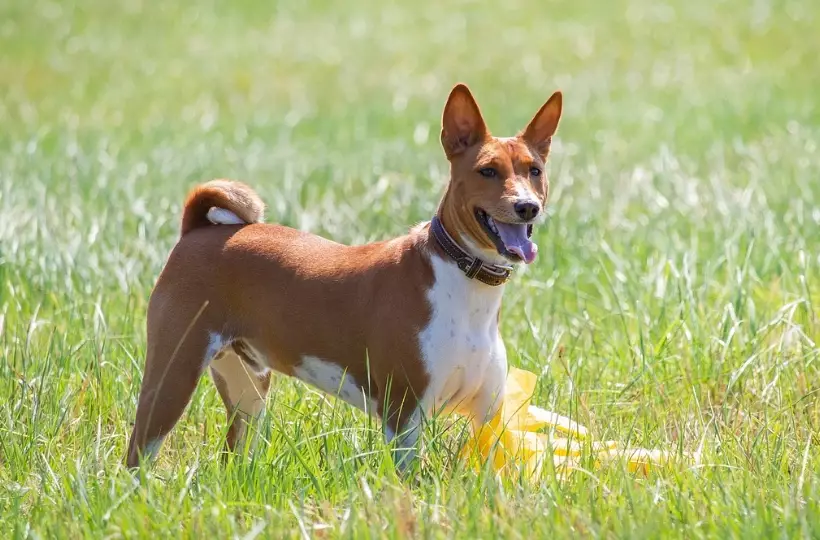
The Science Behind the Sound: It's All in the Throat

Decoding the Basenji Sound Library
The Famous Yodel (or "Baroo")
The Chortle or Chuckle
The Scream
Growls and Grumbles

The Silence
Sound Description Likely Trigger What It Means Yodel / "Baroo" Melodic, rising-falling tone Owner homecoming, excitement, demand "Hooray!" or "Give me that!" Chortle Soft, throaty grumble Being petted, contentment "This is nice. I'm happy." Scream High-pitched, piercing shriek Fear, pain, extreme protest (e.g., bath) "NOOO!" or "HELP!" Play Growl Bouncy, rhythmic rumble Tug-of-war, chase games "This is fun! Let's go!" Warning Growl Low, steady, deep rumble Resource guarding, personal space invaded "Back off. Now." Silence ...Nothing. Constant state, observing They are watching, thinking, and plotting. Always. Living with a Vocal Basenji: The Practical Stuff
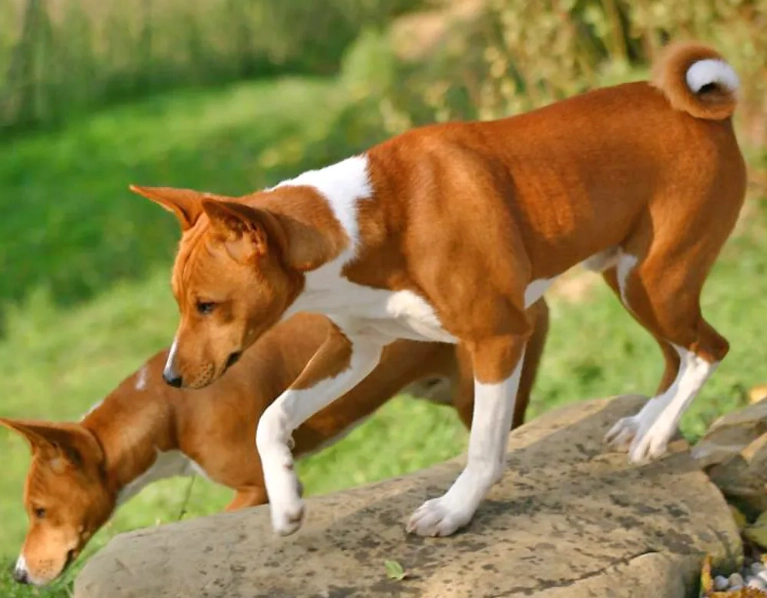
Basenji Sounds vs. Other Dog Breeds
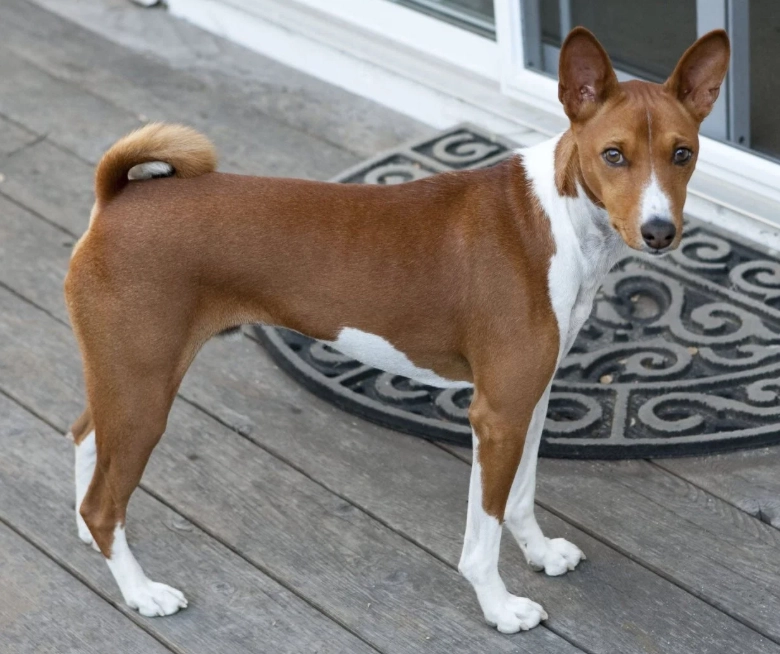 It's not a malfunction. It's a feature.
Answers to Your Top Basenji Sound Questions
Is my Basenji broken if it never makes a sound?
Can a Basenji ever learn to bark?
How can I stop my Basenji from screaming at bath time?
Are these sounds a sign of anxiety?
My neighbor thinks I'm hurting my dog because of the screams. Help!

The Final Word on Basenji Noises
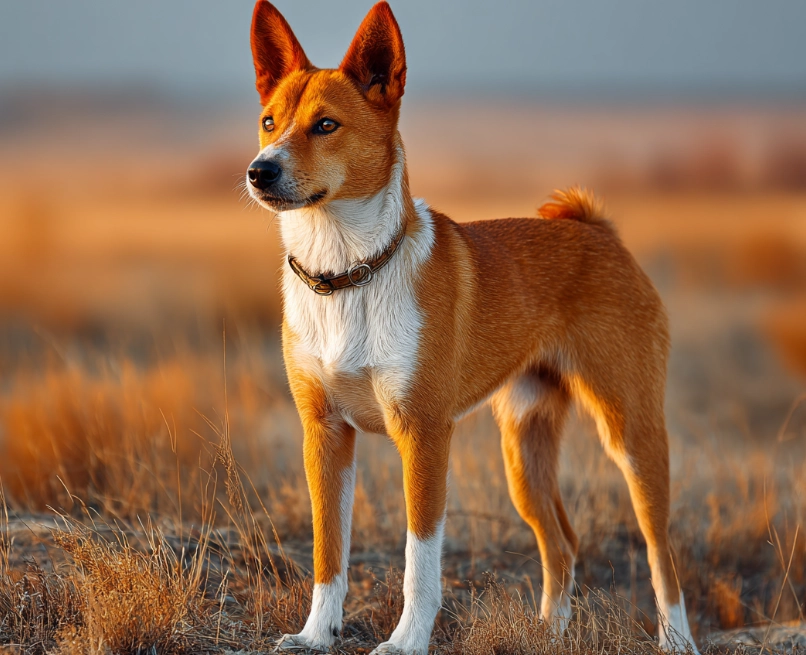
Basenji Dog Sounds: The Yodeling, Not Barking, Breed Explained
Comment