If you've ever heard a Basenji "yodel," you know it's nothing like a typical dog bark. It's a weird, haunting sound that can range from a chirp to a full-on howl, and it leaves most owners scratching their heads. I've lived with Basenjis for over a decade, and let me tell you, that yodel is both fascinating and frustrating. This guide dives deep into what the Basenji yodel really is, why it happens, and how to handle it without losing your sanity.
In This Guide
What Exactly Is the Basenji Yodel?
The Basenji yodel isn't a bark—it's a unique vocalization that sounds like a mix between a yodel, a whine, and a crow. Unlike most dogs, Basenjis have a narrow larynx and a different vocal cord structure, which limits their ability to produce the classic "woof." Instead, they make this odd noise that can be surprisingly loud. I remember when my first Basenji, Leo, would yodel every time he saw a squirrel. It wasn't aggressive; it was more like an excited chatter.
Here's the thing: the yodel varies. Sometimes it's a soft, melodic tone when they're happy, and other times it's a sharp, repetitive sound when they're anxious or alert. According to the American Kennel Club, Basenjis are known as the "barkless dog," but that's a bit misleading. They're not silent; they just communicate differently. Their vocal repertoire includes yodels, whines, and even screams in extreme cases.
Key point: The Basenji yodel is a natural trait, not a behavior problem. It's ingrained in their genetics from their origins as hunting dogs in Central Africa, where quiet communication was advantageous.
Why Do Basenjis Yodel Instead of Bark?
Most dogs bark to alert, play, or express emotion, but Basenjis yodel for similar reasons—just with a different sound. The science behind it boils down to anatomy and evolution. Basenjis have a laryngeal structure that's more similar to wild canids like wolves, which tend to howl rather than bark. This isn't just a quirk; it's a survival adaptation.
In the wild, barking could give away a hunter's position, so Basenjis evolved to use quieter, more varied sounds. Today, domestic Basenjis yodel in specific situations:
- Excitement: When they see something interesting, like a toy or another animal.
- Anxiety: If they're left alone or in a new environment.
- Attention-seeking: They learn that yodeling gets a reaction from owners.
I've noticed that Basenjis often yodel more during transitions—like when you're preparing their food or getting ready for a walk. It's their way of saying, "Hey, don't forget me!" But here's a subtle mistake many owners make: they assume yodeling is always a sign of distress. Sometimes, it's just boredom. If your Basenji is yodeling incessantly, check if they've had enough mental stimulation. A tired Basenji is a quiet Basenji, or at least quieter.
The Anatomy Breakdown: How Basenji Vocal Cords Work
Basenjis have a narrower glottis and less developed vocal folds compared to barking breeds. This restricts airflow in a way that produces higher-pitched, tonal sounds. Research from veterinary sources like the American Veterinary Medical Association suggests that such anatomical differences are common in ancient dog breeds. It's not a defect; it's a feature. That's why trying to "train out" the yodel completely is often futile—you're fighting biology.
How to Manage Basenji Yodeling: Real-World Tips
Managing Basenji yodeling isn't about silencing your dog; it's about reducing excessive noise while respecting their nature. From my experience, a combination of training, environment, and routine works best. Let's break it down with a case study: my friend's Basenji, Zara, who used to yodel non-stop at night.
Zara's owners thought she was anxious, but after observing her, I realized she was just under-exercised. Basenjis are high-energy dogs originally bred for hunting, so they need plenty of physical and mental activity. Here's what we did:
- Increased exercise: Two 30-minute walks daily, plus fetch sessions.
- Mental stimulation: Puzzle toys and hide-and-seek games to tire her out.
- Routine adjustments: Feeding and walking at consistent times to reduce anxiety-driven yodeling.
Within a few weeks, Zara's nighttime yodeling dropped by about 70%. It didn't disappear—that's unrealistic—but it became manageable. Another tactic is desensitization. If your Basenji yodels at specific triggers, like the doorbell, gradually expose them to the sound at low volumes and reward calm behavior. Avoid punishing the yodel; that can increase anxiety and make it worse.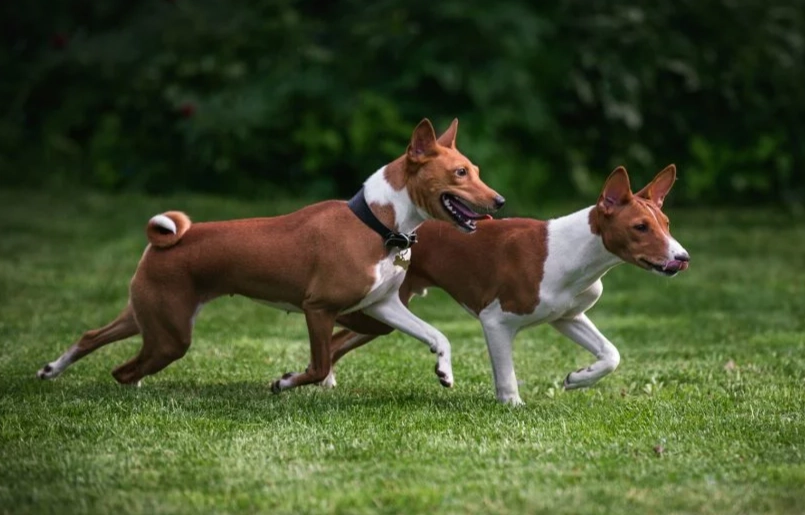
Here's a table summarizing key strategies:
One more thing: consider your home environment. Basenjis are sensitive to sounds and smells. If they're yodeling at windows, try using curtains or moving their bed away from high-traffic areas. I've found that white noise machines can also help mask outside noises that trigger yodeling.
Common Myths About Basenji Vocalizations
There's a lot of misinformation out there about Basenji yodeling. Let's debunk a few myths I've heard over the years.
Myth 1: Basenjis are completely silent. Wrong. They're not mute; they just don't bark in the conventional sense. Their yodel can be quite vocal, and some Basenjis even develop a sort of "scream" when extremely stressed. If you're getting a Basenji expecting total quiet, you might be disappointed.
Myth 2: Yodeling means the dog is in pain. Not necessarily. While yodeling can indicate discomfort, it's more often linked to excitement or attention-seeking. I've seen Basenjis yodel happily during play. The key is to observe context—if it's accompanied by pacing or whining, then vet check is wise.
Myth 3: You can train a Basenji to stop yodeling entirely. This is a setup for failure. As mentioned, yodeling is hardwired. Instead of elimination, focus on management. A common mistake is using shock collars or harsh corrections, which can lead to fear-based behaviors. Positive methods work better in the long run.
From my perspective, the biggest myth is that Basenjis are low-maintenance because they don't bark. Honestly, they require more attention than many barking breeds due to their intelligence and energy. Their yodel is just one aspect of that.
FAQ: Your Basenji Yodel Questions Answered
 Wrapping up, the Basenji yodel is a unique trait that defines this breed. It's not something to fear or eliminate, but to understand and manage. With patience and the right approach, you can live harmoniously with your yodeling companion. Remember, every Basenji is different—what works for one might not for another, so stay observant and adaptable.
Reader Comments