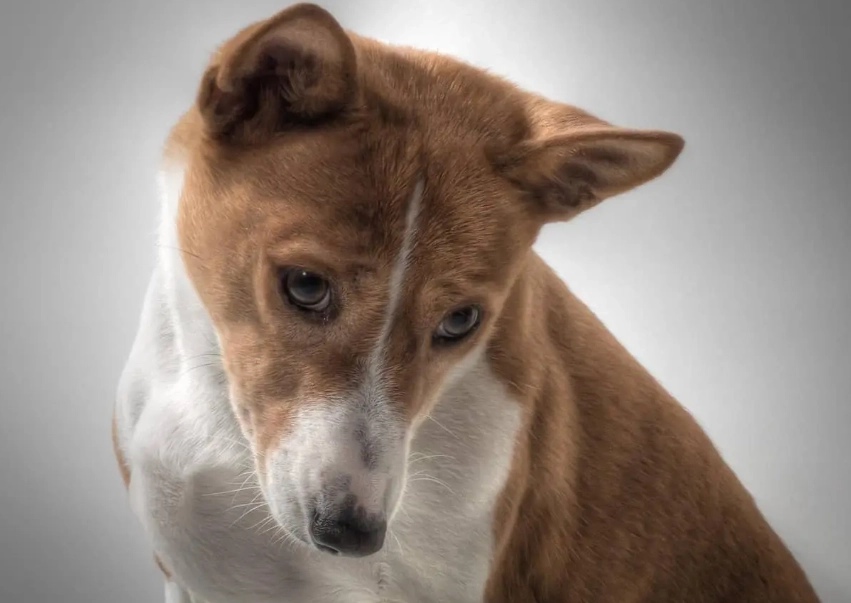
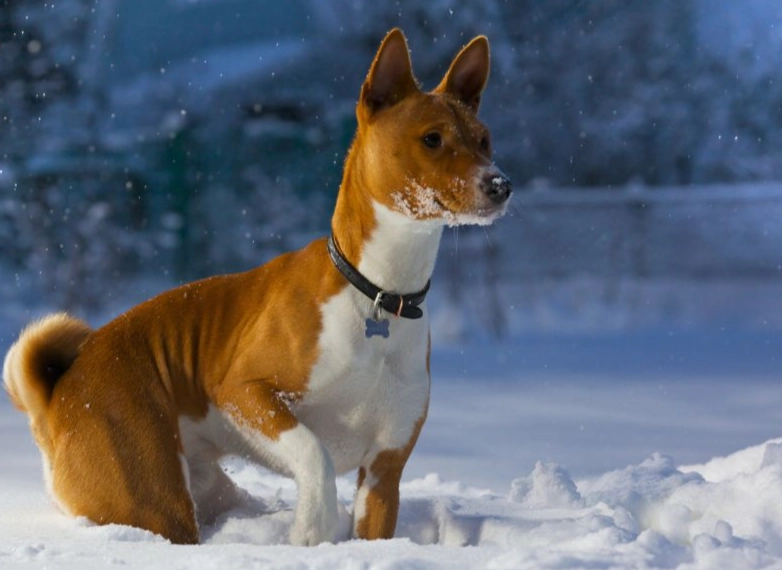
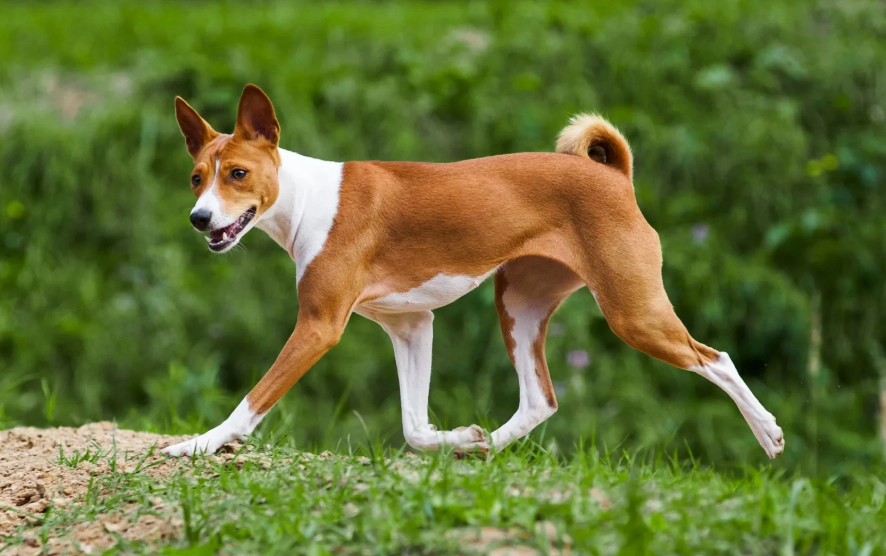
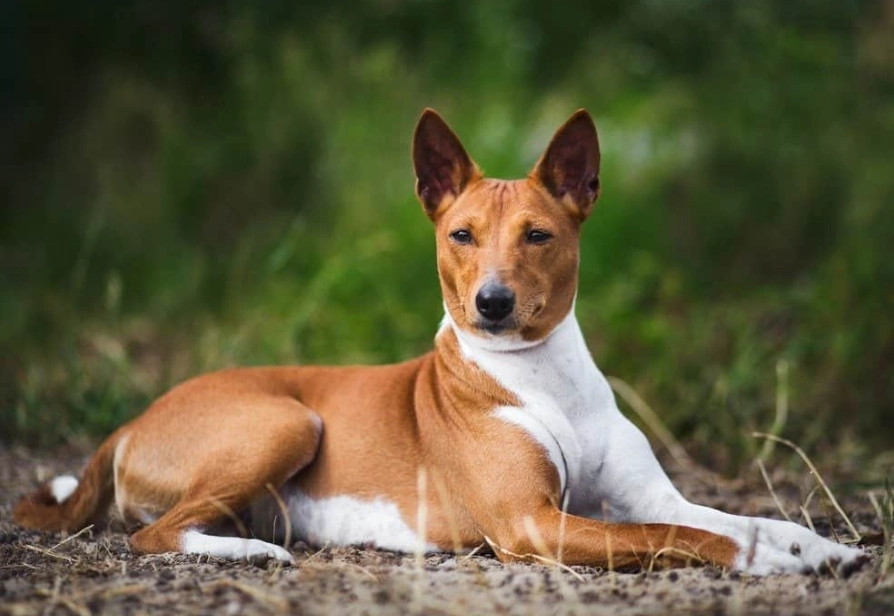
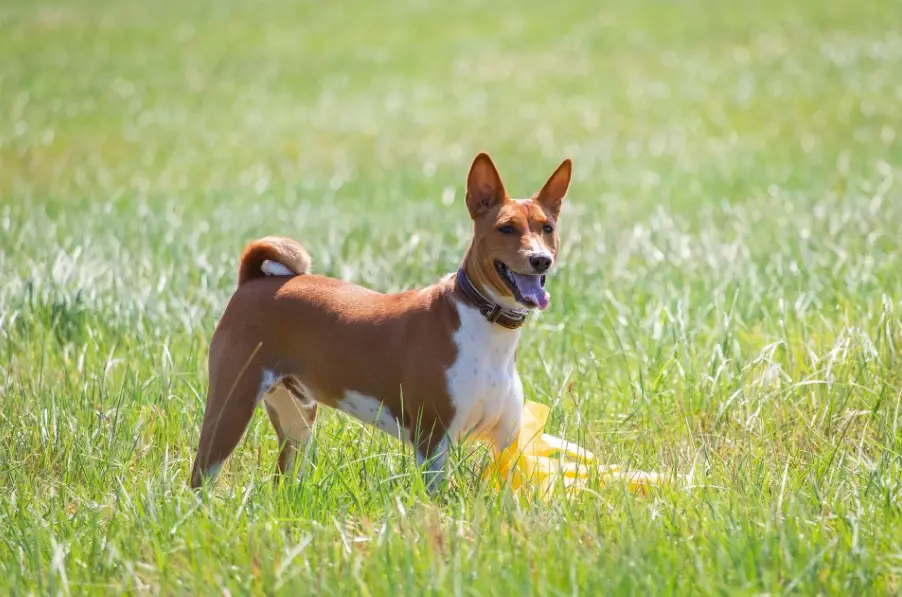
Let's be real. You're probably here because you saw a picture of a sleek, elegant Basenji, read about their "barkless" quality, and thought, "Perfect! A quiet, clean, independent dog." I get it. I had the same thought fifteen years ago before I brought my first Basenji, Kito, home. What I wasn't prepared for was the sheer, unadulterated feline stubbornness packaged in a dog's body. The internet loves to romanticize the Basenji as a low-maintenance, ancient, and quiet companion. That's a half-truth at best, and today, we're going to talk about the other half—the downsides of the Basenji that breed profiles often gloss over. This isn't about bashing the breed. I adore them. But loving a breed means being brutally honest about what you're signing up for. Too many Basenjis end up in rescues because people fall for the look and the gimmick ("they don't bark!") without understanding the profound behavioral realities. If you're considering a Basenji, you need to read this first. Everyone says Basenjis are smart. They are. But their intelligence is self-serving. Think of the smartest cat you've ever met, then give it the physical capabilities of a dog. That's a Basenji. They were bred in Central Africa to hunt independently, making decisions without human input. This isn't a Labrador waiting for your command. This is a partner who assesses your command and decides if it's worth their time. The biggest mistake new owners make is using traditional, repetition-based training. It fails. Spectacularly. You ask for a "sit" ten times, they might do it twice, and by the third session, they've walked away. They bore easily. Their motivation isn't praise; it's what's in it for me? You need high-value treats (think real chicken, not kibble) and endless patience. Even then, recall off-leash in an interesting environment? Forget it. That squirrel's opinion is more important than yours. My Experience: I spent six months trying to get Kito to reliably "come" in my fenced yard. One day, a leaf blew in a fascinating way. My recall command vanished into the void. He looked at me, looked at the leaf, and made his choice. I realized I wasn't training a dog; I was negotiating with a tiny, furry CEO. This independence manifests in ways that can be frustrating. Want to cuddle on the couch? Only if the Basenji is in the mood. Trying to get them into the car for a vet visit? Prepare for a strategic game of evasion. They are not eager-to-please dogs. If you crave a companion who lives for your approval and follows you from room to room, a Basenji will feel aloof and disinterested. This is often misinterpreted as them not loving you. They do, but on their own terms, which can be hard for some owners to accept. This is the non-negotiable core of a Basenji. Their prey drive isn't just high; it's operating system-level programming. Small, fast-moving things trigger an instinctual sequence that overrides almost all training. We're talking squirrels, rabbits, cats (yes, sometimes even the family cat if not introduced properly), birds, and even fast-moving bicycles or skateboards. This makes them a serious liability around other small pets. A "small pet" isn't just a guinea pig; to a Basenji, a toy-breed dog or a quick cat can trigger the chase. Managing this requires constant vigilance. You cannot have a Basenji off-leash in an unsecured area, period. The risk is not just that they'll run off, but that they will fixate on a target and become deaf to the world, often running into dangerous situations like traffic. Even on a leash, a sudden sighting can result in a powerful, unexpected lunge. A standard 6-foot leash and a flimsy collar are insufficient. You need a secure harness (like a Ruffwear Front Range or similar) to distribute pressure and prevent injury to their neck. Combine high intelligence, intense curiosity, and a history of hunting in dense brush, and you get an escape artist of legendary skill. Basenjis are climbers, diggers, and squeezers. A standard 6-foot fence is a suggestion, not a barrier. Your yard security needs to be Fort Knox-level. This means at least a 6-foot solid wood or vinyl fence with no nearby objects they can use as a launching pad. The bottom of the fence should be secured with hardware cloth buried into the ground to prevent digging. Regularly patrol the perimeter for new weaknesses. For many, this means a Basenji is never left alone in the yard unsupervised. Ever. Yes, they groom themselves like cats and have minimal doggy odor. That's the upside. The downsides are specific and messy. They have short hair, but they shed—a lot. It's fine, needle-like hair that embeds itself into furniture, carpets, and clothing. It's worse seasonally. The "low-shedding" claim is a myth compared to truly non-shedding breeds. You will need a rubber grooming mitt (like a Kong ZoomGroom) weekly to pull out the loose undercoat. They don't bark in the traditional sense, but they are not silent. Their vocalizations—a yodel, a chortle, a scream—are unique and can be piercing. When they are upset, frustrated, or overly excited, the sound can be startlingly loud and odd. Neighbors might think you're strangling a goose. Like all purebreds, they have predispositions. Fanconi Syndrome, a serious kidney disorder, is the big one. Reputable breeders test for it, but it's a lifelong concern. Progressive Retinal Atrophy (PRA) and Hip Dysplasia are also on the list. Pet insurance is not a luxury for a Basenji owner; it's a necessity. Treatment for Fanconi can run into the thousands. Basenjis are primitive dogs. Their social skills are often... nuanced. With other dogs: They can be dog-selective or same-sex aggressive. They often don't understand or tolerate the boisterous, in-your-face play style of retrievers or spaniels. Introducing a second dog, especially of the same sex, is risky and should be done with extreme caution and professional guidance. Dog parks are generally a terrible idea. With children: They are not naturally "nanny" dogs. They tolerate respectful, calm older children well. However, they have zero patience for tail-pulling, ear-grabbing, or being treated like a plush toy. A toddler's unpredictable movements can startle them. They will not endure discomfort quietly; they will snap or nip to make themselves clear. They are best suited for homes with older, dog-savvy kids. With strangers: They are often aloof and reserved. Don't expect a wagging greeting for your guests. They may ignore them or keep a wary distance. This is not aggression, but it's not golden retriever enthusiasm either.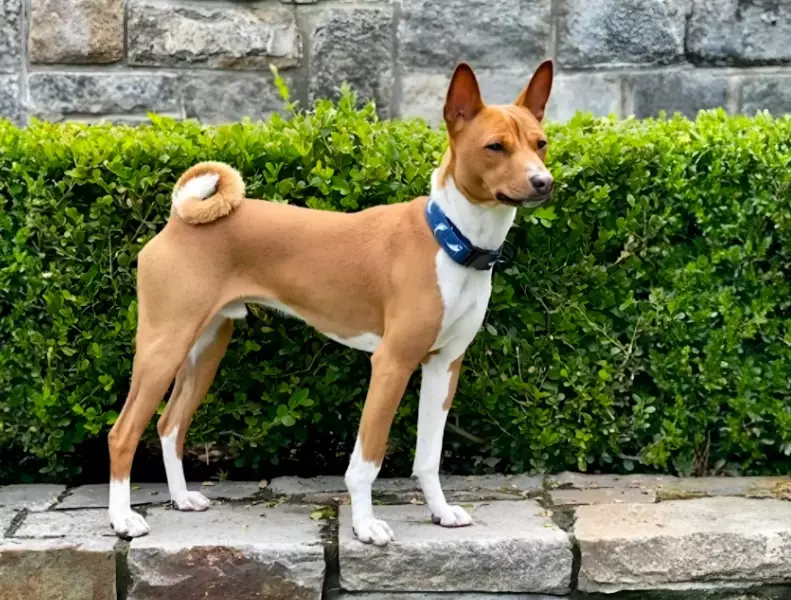
Quick Navigation: What You Need to Know
1. The Independence & Stubbornness Problem: It's Not Just "Being Smart"
What This Means Day-to-Day
2. The Prey Drive That Rules Everything
3. The Escape Artist Masterclass: Houdini Had Nothing on Them
4. Grooming & Health Quirks (Beyond the "Clean Dog" Label)
The Shedding Reality
The "Basenji Yodel" and Other Noises
Health Concerns to Budget For
5. Social Complexities: With Dogs, Kids, and Strangers
Your Basenji Reality Check: Frequently Asked Questions
 How do you manage a Basenji's boredom and destructiveness?
Are Basenjis good for first-time dog owners?
Rarely. The combination of stubborn independence, high prey drive, and escape tendencies creates a steep learning curve. A first-time owner is often unprepared for the lack of biddability. You're not learning basic dog training; you're learning advanced canine diplomacy. If you're a first-timer dead set on a Basenji, commit to finding a mentor—an experienced Basenji owner or a trainer familiar with primitive breeds—before you even bring the puppy home.
Can a Basenji ever be trusted off-leash?
In a vast, empty, fully enclosed area like a secure baseball field, maybe. In any area with wildlife, distractions, or no fence, absolutely not. Their prey drive is a switch that flips off their connection to you. I know owners who have trained for years for reliable recall, and 99% success still means a 1% chance of a catastrophic bolt. For most, the risk is never worth it. Long lines (30-50 foot leashes) are your best friend for giving them run-space safely.
Physical walks are not enough. They need mental jobs. Food puzzles (like Kong Wobblers or snuffle mats) are mandatory. Scent work is brilliant for them—hiding treats around the house or yard taps into their hunting brain. Rotate their toys to keep things novel. A bored Basenji isn't just mischievous; they are inventive in their destruction. Crate training is essential for when you can't supervise.
Are Basenjis good apartment dogs?
They can be, due to their size and cleanliness. But it's a double-edged sword. Apartments lack a secure yard, so all exercise and toilet breaks are on-leash, multiple times a day, regardless of weather. Their high energy and need for mental stimulation must be met indoors. Thin walls also mean your neighbors will hear every yodel and "baroo." It's possible, but it requires an owner with a very consistent and active routine.
What's the one thing you wish you knew before getting a Basenji?
I wish I understood that "independent" didn't mean a dog who would just do its own thing peacefully. It meant a dog who has its own agenda, constantly, and my job was to make my agenda more attractive than theirs, every single day. It's a perpetual, engaging, sometimes exhausting negotiation. The love is deep, but it's earned through respect, not demanded through command.
Comment