Let's cut to the chase. If you're asking "Is a Basenji a friendly dog?", the short answer is: it's complicated. Unlike a Golden Retriever that greets everyone with a wagging tail, a Basenji's friendliness is more nuanced, wrapped in independence and ancient instincts. I've seen owners get frustrated because they expected a cuddly companion, only to find a dog that values its personal space. But that doesn't mean they're unfriendly—far from it. With the right approach, a Basenji can be a loyal, affectionate pet. This guide dives deep into what "friendly" really means for this unique breed. Basenjis are often called the "barkless dogs" of Africa, originating from Central Africa where they were used for hunting. They're small to medium-sized, weighing around 22-24 pounds, with a sleek coat, curled tail, and expressive forehead wrinkles. But their physical traits are just the start. What defines them is their temperament: intelligent, curious, and fiercely independent. According to the American Kennel Club (AKC), Basenjis are classified as hounds, known for their keen sight and scent abilities. They're not your typical lap dog—think more like a cat in dog's clothing. I remember meeting a Basenji named Kito who would follow his owner around but never demand attention, perfectly content observing from a distance. When people ask about Basenji friendliness, they're usually thinking about how the dog interacts with family, strangers, kids, and other pets. Let's break it down. Basenjis form strong bonds with their families. They're loyal and can be affectionate, but on their own terms. Don't expect constant cuddles. My friend's Basenji, Zara, would sleep at the foot of the bed but rarely jump up for hugs. She showed her love by staying close and protecting the home. This independence is often mistaken for aloofness, but it's just their way. They're friendly in a quiet, reserved manner. Basenjis tend to be wary of strangers. They might not run up to greet guests; instead, they'll observe from afar. This isn't aggression—it's caution. With proper socialization, they can learn to tolerate newcomers, but they'll never be the life of the party. I've seen Basenjis that take days to warm up to new people, which can be frustrating if you host often. If you have kids, Basenjis can be friendly, but there's a catch. They have low tolerance for rough handling. Teach children to respect the dog's space. A Basenji raised with gentle kids can be a great playmate, but they might not suit toddlers who pull tails. One owner told me her Basenji would simply walk away when her preschooler got too loud—a clear boundary set without aggression. Basenjis have a high prey drive, so small animals like rabbits or cats might trigger their hunting instincts. With other dogs, especially if socialized early, they can be friendly. But they can be dominant, so introductions should be slow. I recall a case where a Basenji got along fine with a larger dog but would chase the family cat—it took months of training to manage that behavior. Deciding if a Basenji is friendly enough for you depends on your lifestyle. Here's a quick assessment based on common scenarios. You might be a good fit if: You value independence in a pet, have a secure yard (they're escape artists), and are willing to invest time in training. You don't need a dog that's constantly by your side. Think twice if: You want a dog that's instantly friendly to everyone, have very young children, or have small pets. Basenjis require patience—they're not for first-time owners looking for an easy companion. Let's say you're a single professional who works from home. A Basenji could be perfect: they're quiet (no barking!), low-shedding, and content with intermittent attention. But if you're a family with hectic schedules, the Basenji's need for mental stimulation might lead to destructive behavior if ignored. Friendliness in Basenjis isn't automatic—it's built. Here's how to foster it, step by step. Puppyhood is critical. Expose your Basenji to different people, places, and sounds before 16 weeks. Don't just introduce them; make it positive. Give treats when they meet new faces. I made the mistake with my first Basenji of waiting too long, and he became fearful of crowds. It took years to undo that. Basenjis are smart but stubborn. Yelling or punishment backfires. Use rewards like treats or playtime to encourage friendly behavior. For example, if your Basenji approaches a guest calmly, reward them immediately. This reinforces that good things happen when they're social. Commands like "sit", "stay", and "come" help manage their independence. Practice daily in short sessions. Basenjis get bored easily, so keep it fun. One trainer I know uses puzzle toys to teach commands—it taps into their problem-solving nature. Despite their independence, Basenjis can develop separation anxiety if left alone too much. This can manifest as chewing or howling (yes, they don't bark, but they yodel!). Gradually accustom them to alone time. Start with 5 minutes and increase slowly. I've seen owners use cameras to monitor and soothe their dogs remotely. There's a lot of misinformation out there. Let's clear up a few myths. Myth 1: Basenjis are unfriendly because they don't bark. Not true. Their quiet nature is genetic; it doesn't reflect temperament. They communicate through body language and occasional vocalizations. Myth 2: They're aggressive towards other dogs. While they can be dominant, aggression isn't inherent. Proper socialization reduces this risk. I've met Basenjis that thrive in dog parks, playing gently with others. Myth 3: Basenjis don't bond with owners. Absolutely false. They bond deeply but show it differently. One owner described her Basenji as a "shadow"—always nearby, just not in your lap. The biggest mistake I see? People compare Basenjis to more overtly friendly breeds and label them as cold. It's like comparing apples to oranges. Their friendliness is subtle, earned through trust.What You'll Learn in This Guide
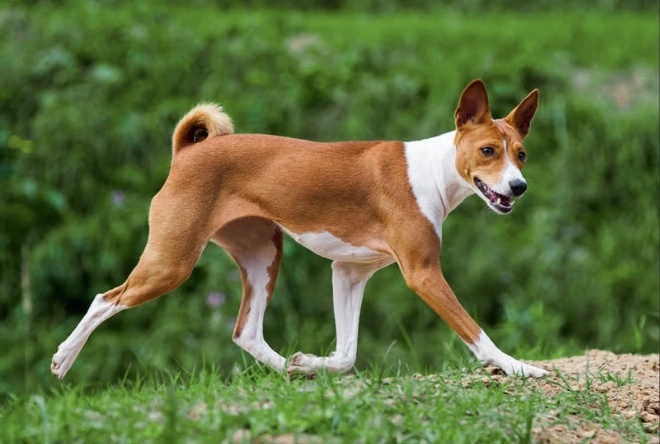
What Exactly is a Basenji?
Basenji Temperament: The Friendly Factor Broken Down
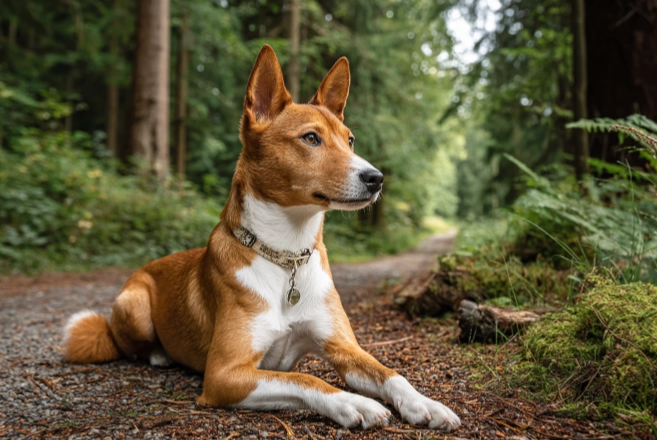 With Family: Loyal but Not Clingy
With Strangers: Cautious and Reserved
With Children: Good with Supervision
With Other Pets: Selective Compatibility
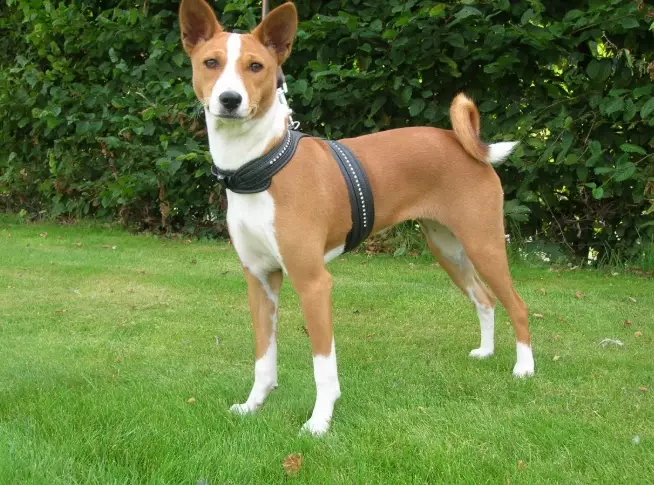
How to Assess if a Basenji is Right for Your Home
Training and Socialization Strategies for a Friendlier Basenji
Start Socialization Early
Use Positive Reinforcement, Not Force
 Teach Basic Commands with Consistency
Address Separation Anxiety Proactively
Common Misconceptions About Basenji Friendliness
FAQ: Your Burning Questions Answered
 So, is a Basenji a friendly dog? It boils down to your definition. If you want a dog that's openly affectionate with everyone, a Basenji might disappoint. But if you appreciate a loyal, intelligent companion that shows friendliness through quiet devotion, this breed could be perfect. They're not for everyone, but for the right owner, they offer a unique bond built on mutual respect. Take your time, socialize diligently, and you might just find a friend for life in those curious, wrinkled eyes.
Can a Basenji be friendly with small children in a busy household?
It's possible, but requires strict supervision. Basenjis have low patience for chaos. Teach kids to interact calmly, and always monitor playtime. I recommend a trial period if adopting—some Basenjis adapt well, while others find constant noise stressful.
How does a Basenji's lack of barking affect their friendliness with strangers?
The absence of barking doesn't make them less friendly; it just changes how they communicate. They might use stares or posture to express discomfort. Socialize them to associate strangers with positive experiences, like treats, to build confidence without relying on vocal cues.
What's the biggest training mistake that ruins Basenji friendliness?
Using punishment-based methods. Basenjis shut down or become defiant if forced. I've seen owners resort to shock collars, only to create a fearful dog. Stick to reward-based training—it builds trust, which is the foundation of their friendliness.
Do Basenjis get along with cats if raised together from puppyhood?
Early exposure helps, but it's not guaranteed. Their prey drive is strong. Supervise all interactions initially, and provide escape routes for the cat. One success story involved feeding them on opposite sides of a baby gate to build positive associations.
How can I tell if my Basenji is being friendly or just tolerant?
Look for subtle signs: a relaxed body, soft eyes, or initiating contact. Tolerance might involve avoiding eye contact or moving away. Friendly Basenjis might bring you a toy or lean against you. It's a slow burn—don't expect overt enthusiasm.
Comment