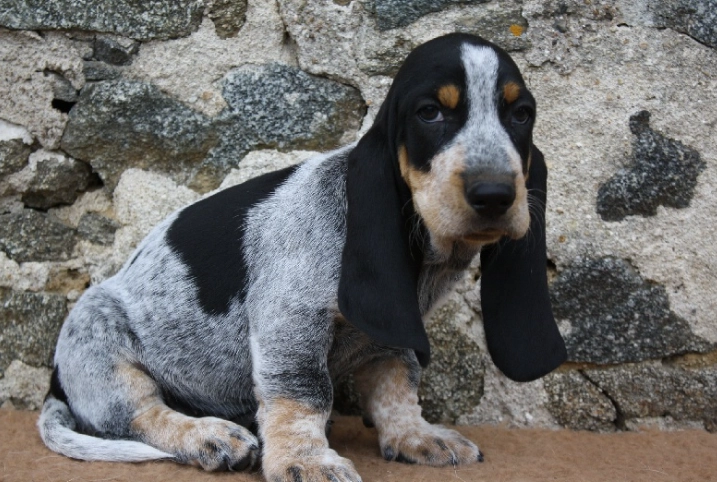
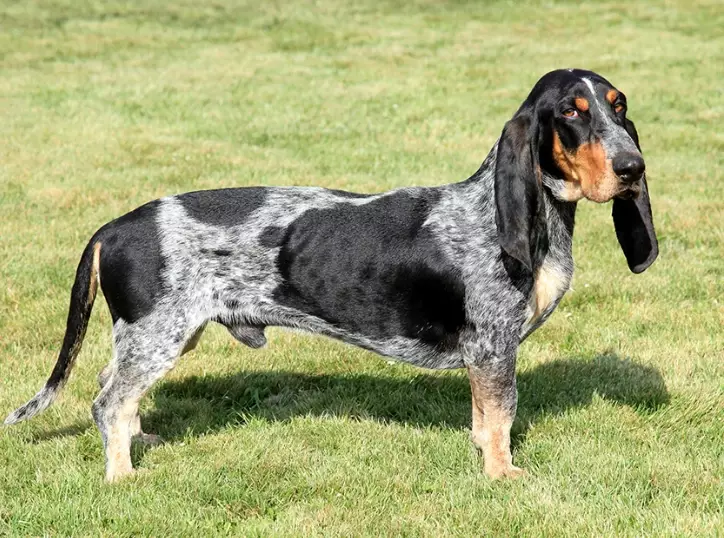
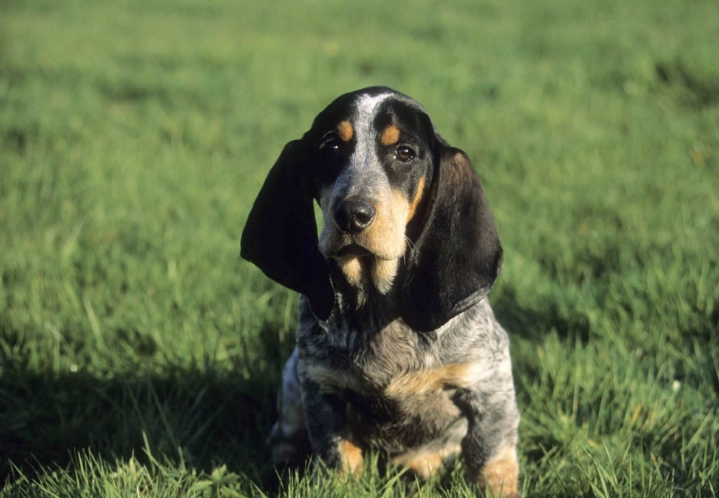
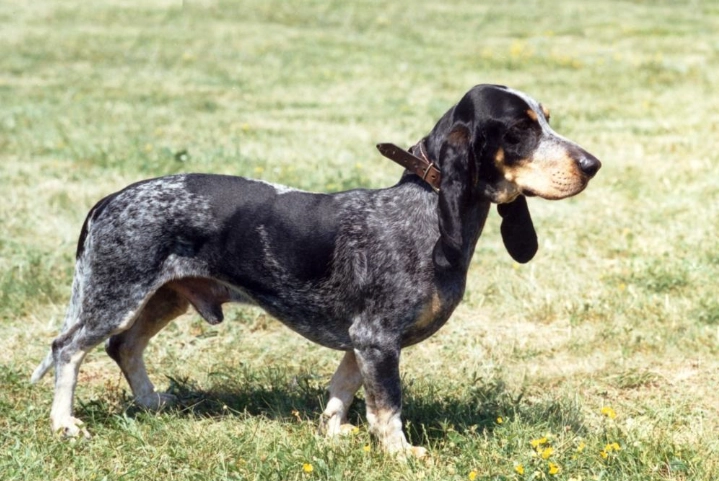
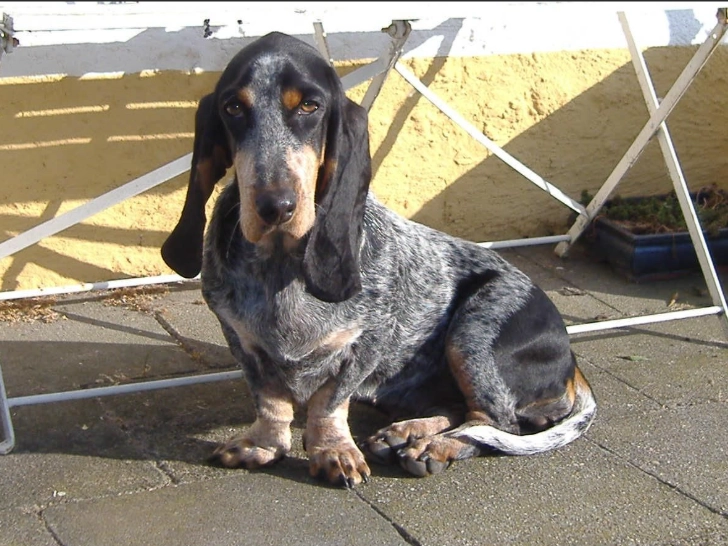
Let's cut to the chase. You're not here for a generic dog breed description. You're trying to figure out if the soulful eyes and droopy ears of the Basset Bleu de Gascogne come with a personality you can actually live with. I've spent over a decade around scent hounds, including sharing my home with a particularly opinionated Basset, and I can tell you this: the Bleu de Gascogne is not your average couch potato hound. Their temperament is a fascinating, sometimes frustrating, blend of gentle companionship and single-minded determination. If you're picturing a lazy dog that just needs a short walk, you're setting yourself up for a surprise. This guide will walk you through exactly what to expect, the good, the challenging, and the utterly charming. Think of the Basset Bleu's temperament as a layered cake. The top layer, the one everyone sees first, is all affection and calm dignity. Indoors, they are often serene, enjoying a good nap at your feet. They form deep bonds with their family and are typically excellent with children, showing a patience that seems bottomless. This isn't a high-strung, neurotic dog. But scratch that surface, and you hit the second layer: the born hunter. This is a working scenthound from the Gascony region of France, bred to track hare and boar for hours across rough terrain. That genetics is not a suggestion; it's their operating system. When their nose hits a compelling scent, their brain effectively disconnects from you. Recall? Commands? They vanish into a world of olfactory information. This isn't disobedience in the moment—it's a genetic override. The final layer is a quiet, observant intelligence. They're not border collies eager to please; they're problem-solvers. If the food is in the pantry, they'll figure out how to nudge it open. If the comfiest spot is your armchair, they'll wait for you to get up and claim it. They learn quickly, but only if they see a clear benefit for themselves. A nuance most sites miss: People often mistake their calm indoor demeanor for low energy needs. This is the #1 reason these dogs end up overweight and destructive. A bored Basset Bleu isn't hyper; they become ingenious in finding their own fun, which usually involves chewing something valuable or digging a crater in your yard. Their exercise requirement is moderate but non-negotiable and must engage their mind as much as their body. This isn't a one-size-fits-all breed. Let's break down the ideal and less-than-ideal scenarios. Forget the rigid, command-heavy methods you see with herding breeds. With a Basset Bleu, you're not the drill sergeant; you're the negotiator and motivator. Food is your primary currency, but not just any food. Find the high-value treat that makes them forget the world (dried liver, cheese, hot dog bits). Use it liberally for the first two years of life to build rock-solid associations. The most critical command isn't "sit" or "stay"; it's a bulletproof recall. And here's the expert tip everyone glosses over: You must practice recall by calling them AWAY from increasingly interesting things, not just when they're already coming to you. Start in the house with low distractions. Then in the yard. Then on a 30-foot long line in a park. Never, ever scold them when they finally come back, even if it took five minutes. You must make coming to you the best possible outcome, every single time. For stubbornness, like refusing to move on a walk, turning and walking the other way with an excited voice often works better than pulling. They want to be with you, but sometimes need a nudge to remember that. A 20-minute walk around the block does nothing for this dog's brain. They need sniff-centered activities. Here’s what a typical day for a content Basset Bleu might look like: Morning: 30-minute sniffari in the neighborhood. Day: Chew time (bully stick, yak chew), food puzzle for breakfast, long nap. Late Afternoon: 15-minute training session focusing on fun tricks (spin, touch) for treats, followed by free time in the secure yard to patrol and dig in their sandbox. Evening: Another 20-30 minute leisurely walk or a short session of indoor scent games. A dog in pain or discomfort will act out. Basset Bleus are generally robust, but their structure predisposes them to issues that can affect behavior. Regular vet checks, a good diet, and weight management are not just about longevity; they're about preserving the sweet, steady temperament you signed up for. Are Basset Bleu de Gascogne good for first-time dog owners? How do I stop my Basset Bleu from following his nose and ignoring me completely? My Basset Bleu is calm with me but seems anxious or aloof with strangers. Is this normal? At what age does the Basset Bleu puppy temperament calm down into the adult dog?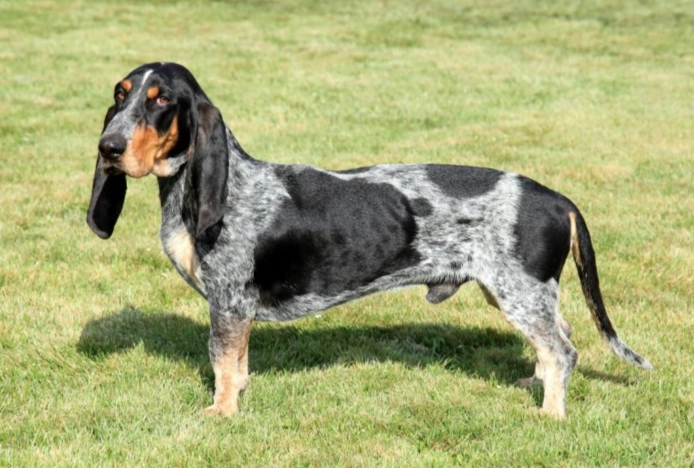
Your Blue Gascony Companion at a Glance
The Core Basset Bleu de Gascogne Personality
Is a Basset Bleu de Gascogne Right for Your Family?
The Perfect Basset Bleu Home Looks Like This:
Reconsider If Your Situation Involves:
Pros of the Basset Bleu Temperament
Cons to Consider Seriously
Extremely affectionate and loyal with their inner circle.
Stubborn and independent thinker. Training requires patience and creativity.
Generally excellent with children and other dogs.
Powerful prey drive. Not trustworthy off-leash in unsecured areas.
Calm and quiet indoors when needs are met.
Prone to baying and howling, especially if bored or on a scent.
Funny and charismatic personality that provides constant entertainment.
Can be a skilled escape artist if under-stimulated or following a smell.
Intelligent and capable of learning complex tasks (when motivated).
Requires consistent, secure fencing. A wanderer by nature.
Training a Stubborn Scent Hound: What Actually Works
Exercise & Mental Stimulation: Beyond the Leash Walk
How Health Links to Temperament
Your Basset Bleu de Gascogne Temperament Questions Answered
 Do they bark a lot?
They can be a challenge for a complete novice. Their independence and training stubbornness require a confident, patient owner willing to learn positive reinforcement techniques. If a first-time owner is deeply researched, committed to puppy classes, and ready for a dog that thinks for itself, it's possible. But an easier breed like a Labrador is often a gentler introduction to dog ownership.
You don't stop the instinct; you manage it and build a stronger incentive to check in with you. Always use a leash or long line in unsecured areas. Practice the "Look at Me" command (eyes on you for a treat) in low-distraction settings, gradually increasing difficulty. Carry ultra-high-value treats on walks and randomly reward them for glancing at you voluntarily. Make yourself more interesting than the environment through play and rewards. Understand that in the face of a fresh rabbit trail, you will likely lose—so prevention (the leash) is key.
It's common. They are often "one-person dogs" or deeply bonded to their family unit. They're not typically outgoing, party-loving dogs. They may be politely indifferent or reserved with strangers. Proper socialization during puppyhood (positive exposures to many people, places, sounds) is crucial to prevent this from tipping into fearfulness. Never force interaction; let them approach strangers on their own terms for a treat.
They are not constant, yappy barkers. However, they are vocal hounds. They bay and howl—a deep, melodious sound—when excited, on a scent, or sometimes just for fun. They may also "talk" with grumbles and whines to communicate. If you have close neighbors in a thin-walled apartment, this is a serious consideration. Providing enough mental and physical exercise minimizes boredom barking.
You'll see the calm, adult demeanor start to settle in around 2-3 years old. The first two years are the most intensive for training and channeling their energy. Adolescence (8-18 months) can be particularly testing as they push boundaries. Consistency through this period is what leads to that wonderful, steady adult companion.
Comment