Let's be honest. Feeding a Beagle feels like a constant negotiation with a furry, four-legged food critic who thinks every crumb is a five-star meal. I've had Beagles for over a decade, and I've seen the desperation in their eyes when a cheese packet rustles. It's not just hunger; it's a primal, scent-driven mission. That's why generic dog food advice often falls flat. Your Beagle isn't just any dog. They're a compact powerhouse with a metabolism built for endurance, joints prone to stress, and a nose that can undermine the best diet plans in seconds. This guide cuts through the noise. We'll talk about what to feed, how much, when, and—crucially—how to outsmart their legendary appetite for long-term health. You can't just grab a bag of "active breed" food and call it a day. Beagles have a specific biological profile. They were bred to track for hours, which means they conserve energy efficiently. In modern life, that translates to a terrifying talent for gaining weight. The Association for Pet Obesity Prevention consistently lists Beagles as a high-risk breed. Their love for food isn't a personality quirk; it's hardwired. Here's what most guides miss: it's not just about calories. It's about satiety—the feeling of fullness. A food low in protein and fiber but high in simple carbs will leave your Beagle physically full but metabolically hungry again in an hour, leading to more begging and potential overfeeding. You need a diet that manages their energy, supports their often-active joints (glucosamine and chondroitin aren't just for seniors), and keeps them feeling satisfied. A study referenced by the Cummings School of Veterinary Medicine at Tufts University emphasizes that dietary protein is crucial for maintaining lean body mass in dogs, which is your first line of defense against obesity. Puppyhood is when you set the metabolic thermostat. Beagle puppies are little rockets of energy, but their growth needs to be steady, not explosive. Rapid growth can worsen joint problems like hip dysplasia. Look for a small or medium breed puppy formula. These are calibrated for a slower, more appropriate growth rate compared to large breed formulas. The kibble size is also smaller, easier for their mouths. Key nutrients to prioritize: Forget free-feeding. It's a one-way ticket to an overweight adult. Follow the guide on your chosen food bag, but use it as a starting point. Your puppy's body condition is the real guide. I made the mistake of keeping my first Beagle on puppy food until 14 months because the bag said "up to 1 year." He started getting a bit pudgy. My vet recommended starting the transition earlier because he was reaching adult size. It made a huge difference. This is the long haul. An adult Beagle (1-7 years) needs maintenance, not growth. The goal is optimal weight, sustained energy, and disease prevention. This is the million-dollar question. A typical, moderately active adult Beagle (20-25 lbs) usually needs between 550 to 750 calories per day. But "moderately active" is key. A Beagle who sniffs around the yard for 30 minutes needs less than one who goes on hour-long hikes. Here's the non-negotiable step: Use a measuring cup. Eyeballing it fails 100% of the time. Find the calorie count per cup on your food's bag or website. Start at the middle of the recommended range, then adjust weekly based on their waistline. You should easily feel their ribs with a slight fat covering, and see a visible waist from above. The debate is endless. Let's break it down for Beagles specifically: My approach? I use a high-quality kibble as the base (for consistency and dental benefit) and mix in a spoonful of wet food or a topper like plain pumpkin or green beans. It adds moisture, flavor, and fills them up with low-calorie bulk. Turn the bag over. The first five ingredients are what you're primarily paying for. Seek Out: Be Wary Of: So your Beagle is round. It happens. The path back isn't just dieting; it's system redesign. 1. The Food Swap: Transition to a weight management or "light" formula. These are higher in fiber and protein, lower in fat and calories, designed specifically for satiety. Brands like Hill's Science Diet Perfect Weight or Royal Canin Beagle Adult (formulated for their specific calorie needs) are examples. 2. The Vegetable Trick: This was a game-changer for me. Replace up to 1/4 of their kibble volume with low-calorie, steamed vegetables. Green beans, carrots, broccoli, or pumpkin (plain, not pie filling). It fills their bowl and their stomach for maybe 30 extra calories. 3. Treat Accountability: Treats count! Use their daily kibble allowance as treats during training. For extra-special rewards, use tiny pieces of freeze-dried liver or single-ingredient treats. I stopped giving milk bones and switched to chopped-up baby carrots or apple slices for half my "treat" interactions. 4. The Slow Feeder Mandate: Get a slow feeder bowl or a puzzle feeder. It turns a 30-second gulping session into a 10-minute mental workout, increasing mealtime satisfaction. Weight loss should be gradual—1-2% of body weight per week. Crash diets can cause serious health issues. Beagles have sensitive stomachs? Sometimes. More often, a rapid switch causes issues. Do it over 7-10 days. If you see loose stools, pause the transition or go back a step. Adding a probiotic supplement or plain pumpkin can help firm things up. My Beagle acts starving all the time, even after eating. Am I not feeding enough? Probably not. It's more likely the food isn't satisfying them metabolically. That "starving" act is often bred-in scavenging behavior, not genuine hunger. First, confirm your portion is correct with your vet. If it is, look at the food's composition. Switching to a formula with higher protein (>25%) and fiber (>4%) can promote satiety. Also, ensure you're not accidentally reinforcing the begging by giving in. When should I switch my Beagle puppy to adult food? Most Beagles can start the transition between 10 and 12 months old. Don't just go by the calendar; look at your dog. If they're nearing their expected adult weight (20-25 lbs for females, 22-30 lbs for males) and their growth has visibly slowed, it's time. Continuing high-calorie puppy food past this point is a direct contributor to adolescent weight gain. Are grain-free diets safe for Beagles? This is critical. The FDA has been investigating a potential link between grain-free diets (often high in legumes like peas and lentils) and a heart disease called Dilated Cardiomyopathy (DCM) in dogs. Unless your Beagle has a diagnosed grain allergy (which is rare), there's no proven benefit to going grain-free. A diet with wholesome grains like brown rice or oats is perfectly safe and may be a wiser choice given the ongoing research. Always discuss diet choices with your vet. What human foods are actually safe for my Beagle as occasional treats? Stick to simple, whole foods. Small pieces of cooked chicken, turkey, or fish (boneless). Raw or cooked carrots, green beans, apple slices (no seeds), blueberries, or banana. Plain, air-popped popcorn. The key is "small" and "occasional." Never give grapes, raisins, onions, garlic, chocolate, or anything with xylitol. How can I tell if my Beagle's food is agreeing with them? Look beyond the bowl. Good signs: consistent, firm stools; a shiny, soft coat; healthy skin without excessive itching; steady energy levels; and maintaining an ideal weight. Bad signs: chronic loose stools, excessive gas, dull coat, frequent ear infections (can be linked to food allergies), or sudden weight changes. It can take 8-12 weeks to see the full effects of a new diet on skin and coat. Is it worth paying extra for a breed-specific Beagle food? It can be. Brands like Royal Canin design their Beagle formula with a specific kibble shape and size to encourage chewing (slowing down eating) and a nutrient profile aimed at their calorie needs and joint support. It's not magic, but it's targeted nutrition. For many owners, the convenience of a scientifically tailored formula is worth the premium. For others, a high-quality, non-breed-specific food that meets the criteria we've discussed works perfectly.
What's Inside This Guide
What Makes a Beagle's Diet Different?

Beagle Puppy Feeding: Building a Healthy Foundation
Choosing the Right Puppy Food
Beagle Puppy Feeding Schedule & Portions
Age
Meals Per Day
Key Focus
8-12 weeks
4
Consistency, small meals for tiny tummies.
3-6 months
3
Steady growth, introducing gentle training treats.
6-12 months
2
Transitioning to adult food (start around 10-12 months).

The Adult Beagle Feeding Blueprint
How Much to Feed an Adult Beagle
Wet Food vs. Dry Food vs. Raw

Beyond the Bag: Ingredients That Make or Break Beagle Food
The Real Strategy for Beagle Weight Control
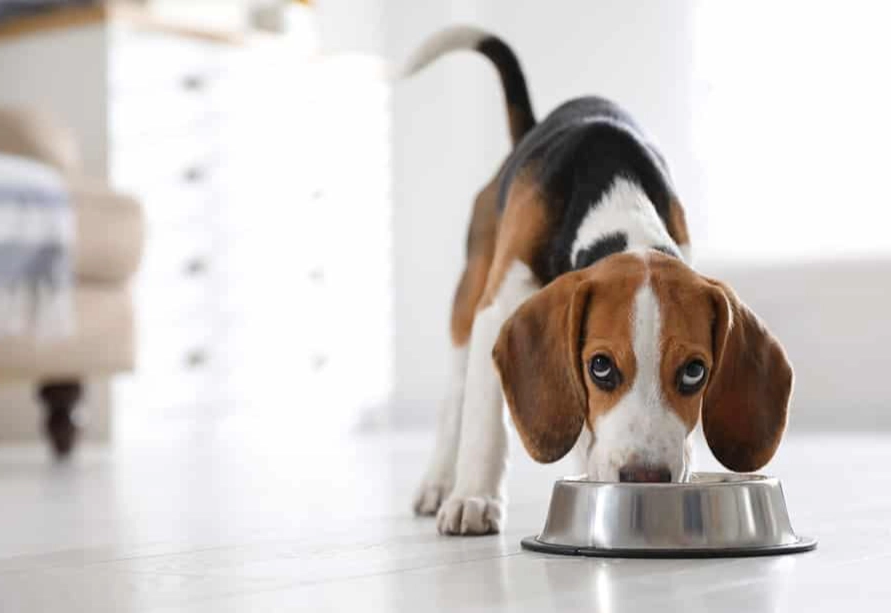
How to Switch Your Beagle's Food Without Drama
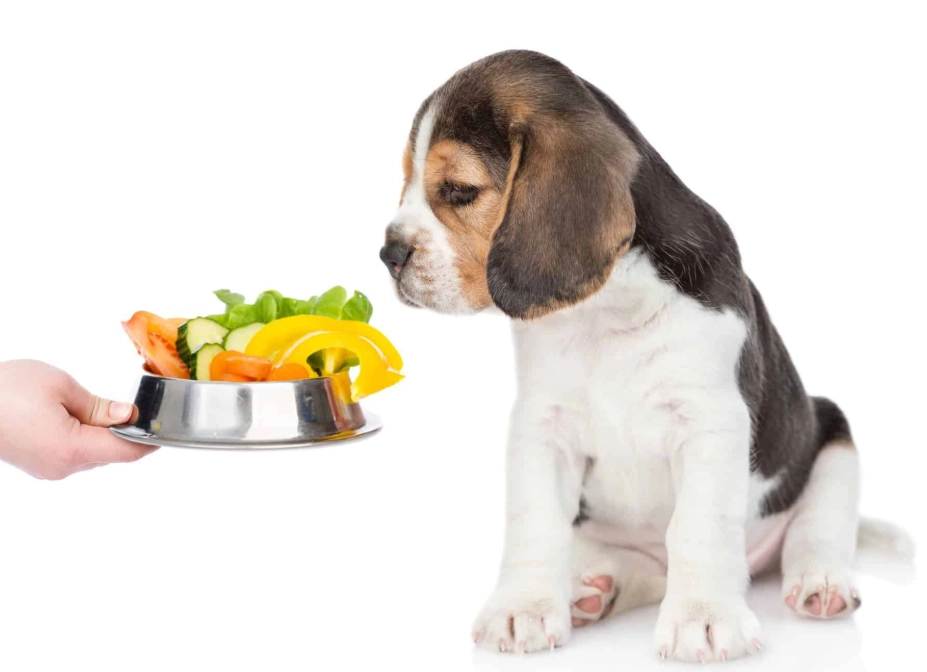
Your Beagle Food Questions, Answered

A Common Mistake I See: Owners panic about weight and drastically cut portion sizes of a calorie-dense, low-quality food. The Beagle becomes nutrient-deficient and even more food-obsessed. The fix isn't always less food; it's better food.
Comment