Let's cut to the chase. If you're asking, "Do Beagles bark a lot?" the short, honest answer is yes. They are vocal dogs. But slapping a simple "yes" on it does a disservice to the Beagle and to you as a potential owner. The real question isn't just about frequency; it's about why they vocalize, what that vocalization sounds like (it's not always a bark!), and whether you can live with it—or better yet, manage it. I've lived with a Beagle named Barney for eight years, and the first thing I tell people is: forget what you know about other dogs' barking. A Beagle's voice is a tool, a heritage, and sometimes, at 3 AM because a leaf dared to rustle outside, a genuine test of patience. You can't talk about Beagle noise without starting with history. Beagles were bred for hundreds of years to be hunting hounds, specifically for tracking small game like rabbits. Their job wasn't to silently stalk and pounce. It was to find a scent, follow it relentlessly, and tell the whole world—specifically the hunter following on foot—exactly where they were and what they were doing. That instinct isn't a switch you can flip off. It's woven into their personality. Think of it as their internal commentary turned up to eleven. A squirrel in the yard isn't just a squirrel; it's a target that must be announced. A doorbell ringing isn't just a visitor; it's a potential pack member arriving that requires a greeting chorus. Boredom isn't just lying around; it's a vacuum that must be filled with sound. Key Insight: Many owners misinterpret "excitement" barking for "aggression" or "anxiety" barking. A Beagle barking at the dog park is often just shouting, "Hey! This is amazing! Let's play!" in the only language they know. Understanding the emotion behind the noise is half the battle. The most common triggers for Beagle vocalization are: This is where new owners get tripped up. Beagles don't just bark. They have a repertoire. Knowing the difference helps you respond correctly. The bay is their signature. It's deep, musical, and carries for miles. If you live in an apartment with thin walls, this is the sound your neighbors will learn to recognize. I remember Barney catching a rabbit's scent on a hiking trail. The switch from quiet snuffler to full-throated, echoing bay was instantaneous. It was impressive and incredibly loud. You can't eliminate the instinct, but you can absolutely manage it. The goal isn't a silent Beagle (an impossible dream), but a Beagle who vocalizes appropriately. A tired Beagle is a quieter Beagle, but not just any tired. A 30-minute walk on a leash does little for their brain. They need scent work. This is non-negotiable. Hide treats around the house or yard. Use snuffle mats. Play "find it" games. A 20-minute intense sniffing session is more tiring than an hour of walking. It satisfies that primal tracking urge in a constructive way, leaving less mental energy for nuisance barking. Everyone says "teach 'quiet'," but most do it wrong. The mistake? Yelling "Quiet!" while the dog is barking. You're just adding to the noise. Wait for a natural pause, even a half-second one, mark it with a clicker or a "yes!" and shove a high-value treat in their mouth. You're rewarding the silence, not the barking. This takes consistency, but it works. You can avoid many barking fits by being proactive. If they bark at the window, use frosted film or move furniture to block access. For door-related barking, teach a solid "go to your place" mat training routine, so they have a job (staying on the mat) instead of barking. White noise machines can dampen outside sounds that trigger them. Avoid This: Never use punishment like shock collars or spray bottles for barking. For a stubborn, driven breed like the Beagle, this usually increases anxiety and can make the problem worse or manifest in other destructive behaviors. You're fighting genetics, not disobedience. If the howling happens primarily when you leave, it's not just boredom—it could be anxiety. Practice short departures. Don't make a big fuss when leaving or returning. Provide a special long-lasting treat (like a frozen Kong) that they only get when you go. If it's severe, consult a professional. The American Kennel Club has excellent resources on recognizing separation anxiety. After working with countless Beagle owners, I see the same patterns. Mistake 1: Assuming they'll "grow out of it." Beagles don't. Their vocal nature matures with them. An untrained adolescent Beagle is a barking, howling tornado. Start management and training from day one. Mistake 2: Giving attention to stop the barking. Even negative attention ("Stop it!") can be reinforcing. The dog thinks, "My barking made my human talk to me!" Ignoring the barking and rewarding the quiet is harder but far more effective. Mistake 3: Not providing an outlet for the drive. You can't just suppress a Beagle's nose. If you don't give them a legal way to use it (scent games, tracking activities), they will create their own illegal ways, which usually involve baying at the fence line. One owner I know was at her wit's end with her Beagle's backyard barking. She started doing five-minute daily "tracking" sessions in her yard, letting him follow a treat trail. The mindless fence-line barking dropped by about 80% within two weeks. He was finally using his voice for the "job" he craved. So, do Beagles bark a lot? Yes. They also bay, howl, and whine. It's the price of admission for a dog brimming with personality, friendliness, and a joyful spirit. The noise isn't a flaw; it's a feature of the breed. Your success as a Beagle owner won't be measured in silence, but in your ability to understand the song and, with patience and smart training, help your hound sing it at the right time and place.What’s Inside This Guide
Why Beagles Bark: It’s in Their DNA

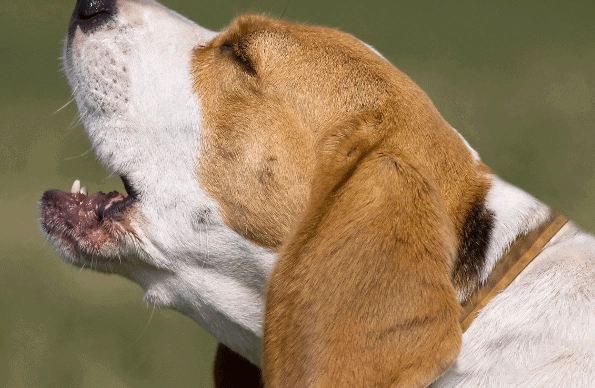
Bark, Howl, or Bay? Decoding Beagle Noises
Sound
What It Is
Typical Trigger
What It Means
The Standard Bark
A sharp, short, "yip" or "woof."
Alert to immediate stimuli (doorbell, knock).
"Heads up! Something's happening!"
The Howl
A long, mournful, drawn-out sound (often starts with an "Arooo...").
Hearing other dogs howl, sirens, loneliness.
Long-distance communication. "I'm here!" or "Where is everyone?"
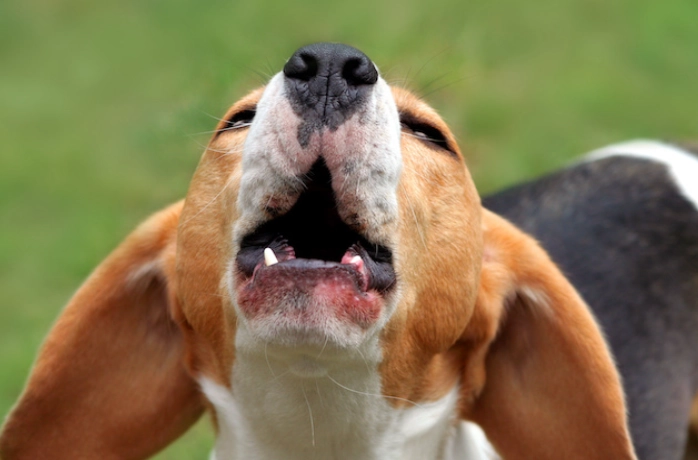
The Bay
The classic hound sound. A mix of bark and howl, often repeated in a pattern.
Actively on a scent trail, high excitement during play.
"I'm on the trail! Follow me!" This is the hunting cry.
The Whine/Whimper
High-pitched, nasal complaining sound.
Anticipation (waiting for food), frustration, mild discomfort.
"I want something and I'm not getting it fast enough."
How to Manage a Vocal Beagle: Practical Strategies
1. Exercise Their Body AND Their Nose
2. Master the "Quiet" Cue (The Right Way)
3. Manage the Environment

4. Address Separation Anxiety Early
Common Training Mistakes (And What to Do Instead)
Your Beagle Barking Questions, Answered
My Beagle barks at every little noise outside. How can I stop this?
This is classic alert barking. Management is your first step. Block the view. Then, work on desensitization. Record the triggering sound (doorbell, knock) at a very low volume while feeding them treats. Gradually increase the volume over many sessions. You're changing their emotional response from "Alert! Intruder!" to "Oh, that sound predicts chicken."
Are some Beagles just quieter than others?
There is individual variation, but it's a spectrum of loud, louder, and loudest. You might get a slightly more placid one, but a truly "quiet" Beagle is an extreme outlier. Focus less on finding a unicorn and more on preparing to manage a normal, vocal hound.
Is it cruel to use a citronella or vibration collar on a Beagle?
I strongly advise against it for barking. The risk is that the dog doesn't associate the correction with the act of barking, but with the environment itself. This can create a fearful, anxious dog who is still stressed and may just find another outlet. Positive reinforcement for the behavior you want (quiet, calm) is safer and builds a better relationship.
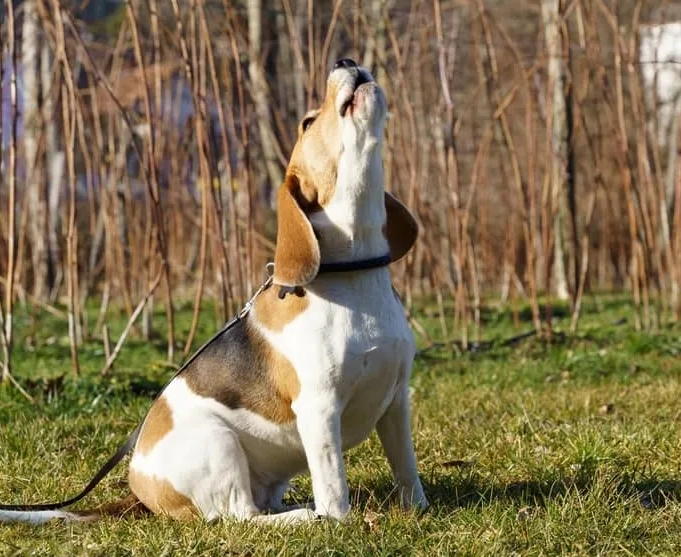
My Beagle only howls when I play a specific song or when sirens go by. Why?
They're joining the chorus! Howling is a social, pack-bonding behavior for dogs. Certain high-pitched sounds trigger that instinct to communicate and harmonize. It's not distress; it's participation. My Barney howls along to the intro of a specific TV show theme. It's annoying during movie night, but it's pure, instinctual dog.
I live in an apartment. Is a Beagle a terrible idea?
It's a significant challenge, but not impossible with extreme commitment. You must be proactive about exercise (long walks, dog park trips) and mental stimulation (puzzle toys, daily training). You must be diligent about teaching a "quiet" cue and managing triggers. And you absolutely must have understanding neighbors and a solid plan for when the inevitable bay happens. Be brutally honest with yourself about your lifestyle before committing.
Comment