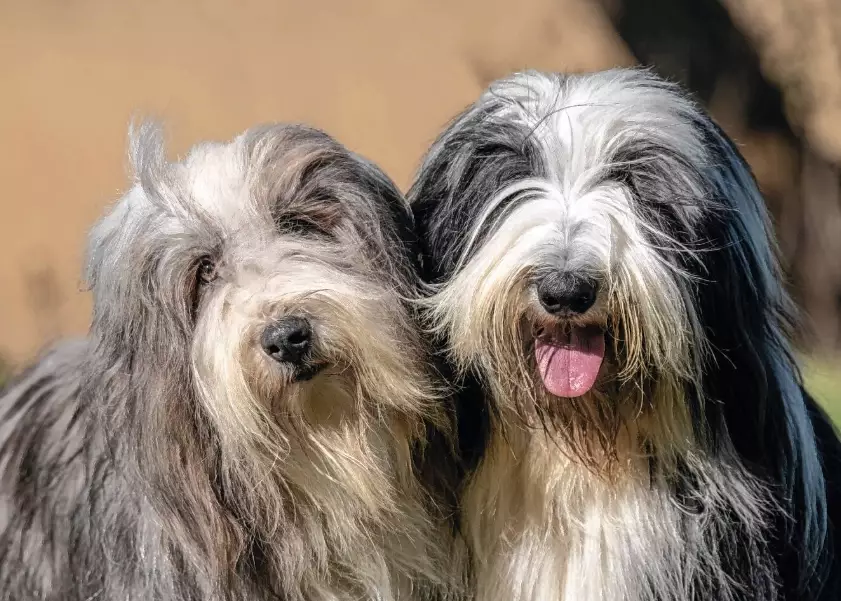
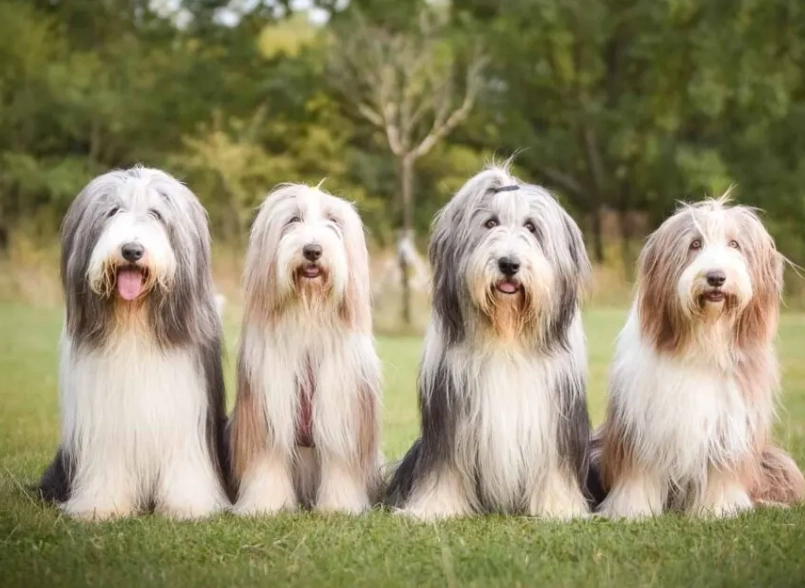
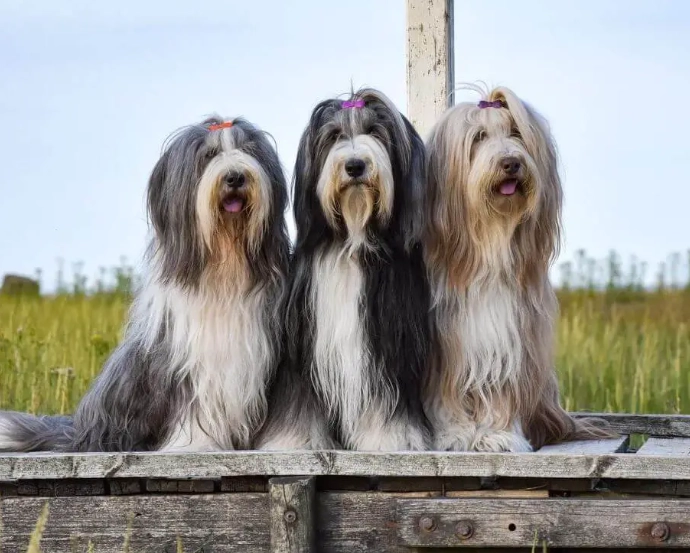
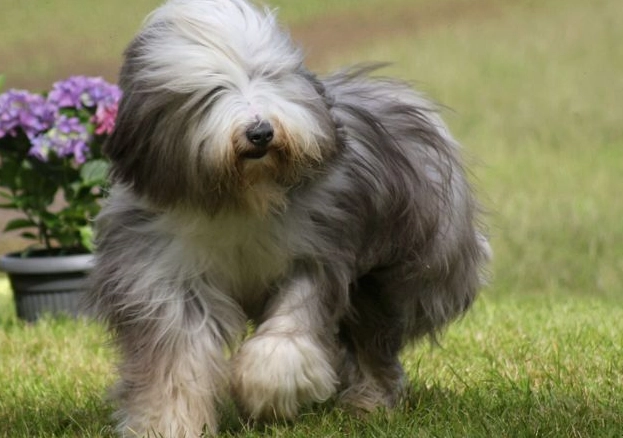
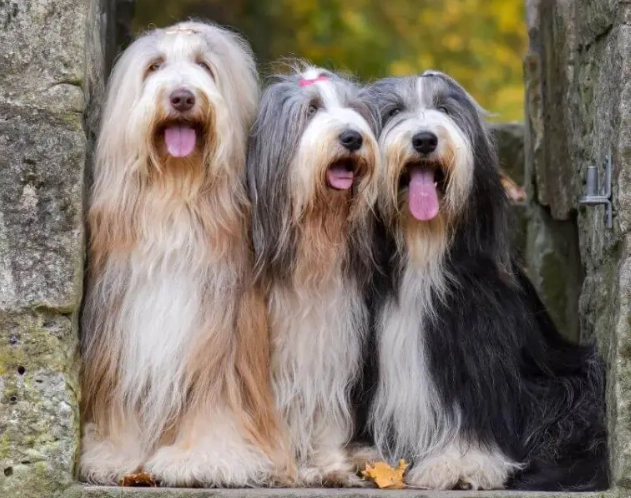
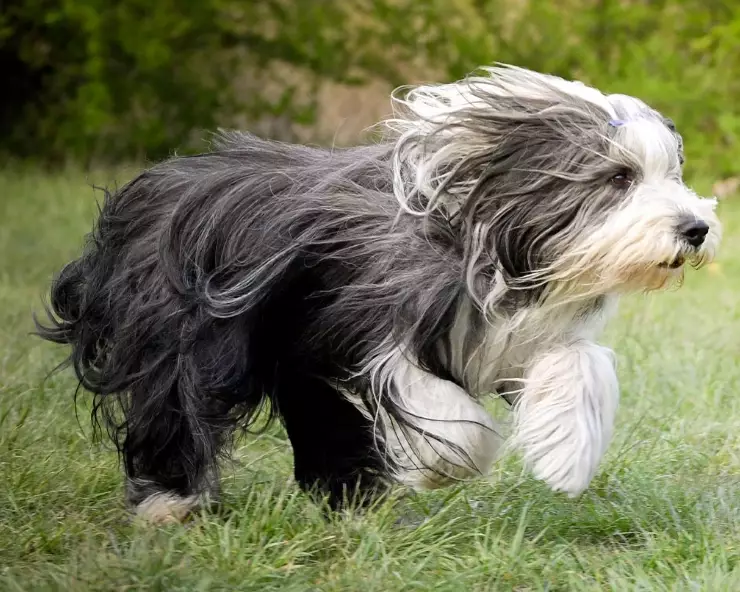
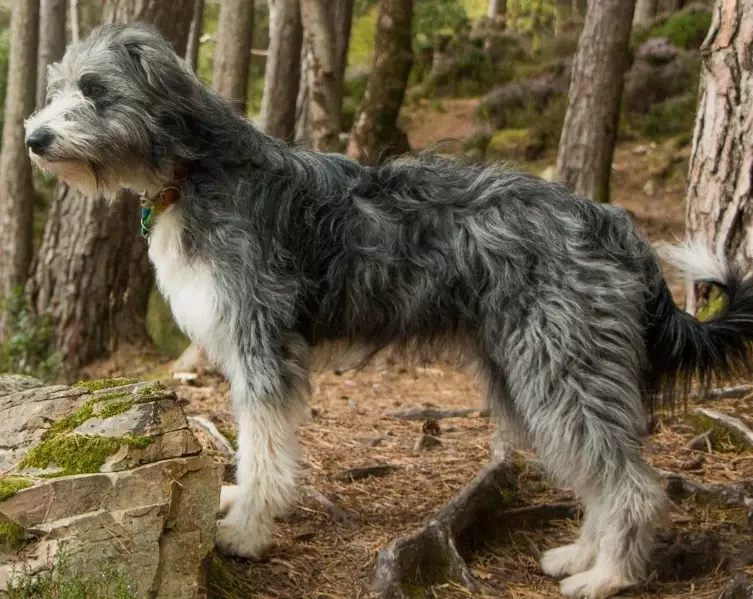
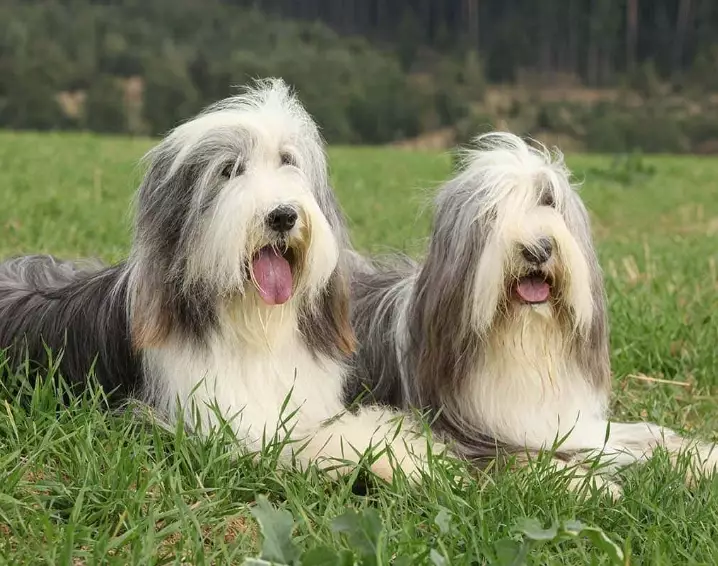
That iconic, windswept grey coat is what draws most people to the Bearded Collie. It's the stuff of shampoo commercials and pastoral dreams. But behind that beautiful, often slate-grey or silver fur lies a specific set of needs, a fascinating genetic story, and a personality that's anything but laid-back. If you're searching for information on the grey Bearded Collie, you've likely moved past the "aren't they cute" phase and into the "what does owning one really entail" stage. Good. That's where we need to start. This isn't just another breed overview. We're going to dig into the gritty details of living with a grey Beardie – the grooming realities most sites gloss over, the truth about their energy levels, and those little quirks that only become apparent after the first year. I've spent over a decade around herding breeds, and I've seen too many Beardies rehomed because someone fell for the coat but not the commitment underneath it. First, let's clear something up. "Grey" in Bearded Collies isn't like the solid grey of a Weimaraner. It's a complex, evolving color. Puppies are often born dark – black, brown, or blue – and lighten significantly as they grow. What you call grey is usually a diluted version of these base colors, resulting in shades like slate, silver, chocolate grey, or fawn. The official breed standard from kennel clubs like the American Kennel Club (AKC) accepts all these variations. The key player here is the G locus (specifically the G gene). This is the "progressive greying" gene. It doesn't just lighten the coat; it acts over time, which is why a black puppy can turn a stunning silvery grey by age three. There's a common misconception that grey Beardies shed less or have different hair textures. Not true. The color has zero impact on the density, texture, or shedding propensity of their double coat. A grey Beardie's grooming needs are identical to a black or brown one's. This is the make-or-break section for most potential owners. The glorious grey coat is a high-maintenance feature. It's not just about keeping it pretty; it's about preventing serious health and comfort issues for your dog. Forget the quick weekly brush. Effective grooming is a multi-step, frequent process. The biggest mistake I see? People only brush the top layer. The dense, soft undercoat is where mats form, starting close to the skin where you can't see them. By the time you feel a tangle on the surface, there's likely a solid mat underneath. Here’s a breakdown of the essential toolkit and routine: The "problem zones" everyone misses? Behind the ears, the armpits, the belly, and the feathering on the back legs. These areas rub and mat quickly. A full grooming session for an adult Beardie can easily take 45-60 minutes. Many owners opt for professional grooming every 4-8 weeks to handle baths, blow-drying (which is crucial to prevent mildew in the dense coat), and thorough brushing, but this doesn't replace your home maintenance. If you want a serene, grey-haired sage, look elsewhere. The Bearded Collie is a perpetual optimist with a sense of humor. Bred to herd in the Scottish Highlands independently, they're smart, bouncy, and often a bit goofy. They're not Border Collie intense, but they're not couch potatoes. Their energy is persistent, not explosive. They need at least 60-90 minutes of activity daily—not just a walk around the block. This means off-leash running in a secure area, hiking, agility, or advanced obedience. A bored Beardie will find their own fun, which usually involves redecorating your home with stuffing from your couch. They are famously good with children and other pets, but that herding instinct is strong. Don't be surprised if your grey shadow tries to gently herd kids, other dogs, or even cats by nudging them with their nose. Early socialization and training are non-negotiable. Their intelligence means they learn fast, but they can also be stubborn and creatively disobedient if they see no point in your command. The greying gene itself isn't linked to health problems, but the breed has some predispositions to be aware of. A responsible breeder will test for these. That beautiful coat also needs protection from the elements. In summer, the dense fur can lead to overheating—exercise during cooler parts of the day. In winter, snow and ice can form painful balls between their toes and in their leg feathering, requiring regular checks and trims. Let's be brutally honest. A grey Bearded Collie is not a low-maintenance dog. They are a commitment in time, energy, and money (grooming, training, potential health care). You might be a great fit if: You lead an active, outdoor-oriented lifestyle. You have time for daily exercise and serious grooming. You enjoy training and engaging with a clever, sometimes silly dog. You have a secure yard (6-foot fence, no exceptions—they can jump). Think twice if: You want a low-shedding dog (they shed, a lot, especially during seasonal blows). Your idea of exercise is a short leash walk. You're not prepared for muddy paw prints and stray hairs as part of your decor. You're away from home for long hours regularly. Consider adopting an adult from a Bearded Collie rescue organization. You'll skip the puppy chaos and often get a clearer sense of the dog's adult personality and grooming needs.What's Inside This Guide
What Makes a Bearded Collie "Grey"? It's Not Simple Genetics
Grooming a Grey Bearded Collie: The Unvarnished Truth
How to Groom a Grey Bearded Collie (The Right Way)
Tool
Purpose
Frequency / Technique
Slicker Brush
Breaking up tangles and removing loose undercoat.
Use 2-3 times per week. Brush in layers, lifting the top coat to reach the undercoat. Be gentle on the skin.
Long-toothed Undercoat Rake (or Greyhound Comb)
Your most important tool for preventing mats. It reaches down to the skin.
Use 2-3 times per week. After the slicker brush, comb through every single section of coat, ensuring the teeth reach the skin. If it snags, work the tangle out with your fingers first.
Professional-Grade Clippers
For sanitary trims and managing problem areas.
Every 4-6 weeks, trim hair around the paws, sanitary area, and inside the ears. Never shave the body coat—it ruins the texture and insulation.
Detangling Spray & Conditioner
Prevents static, adds slip, and protects the hair during brushing.
The Personality Behind the Grey Fur
Health Considerations for the Grey Coat and Beyond
Is a Grey Bearded Collie Right For Your Home?
Your Grey Bearded Collie Questions Answered
Expert Note: Don't choose a puppy based solely on its newborn color expecting it to stay that way. Ask the breeder about the parents' adult colors. A black puppy from two silvery-grey parents is almost certainly going to lighten up dramatically.
I want a grey dog but can't handle daily brushing. Are there any Bearded Collie mixes that shed less?
Mixing a Beardie with a Poodle (a "Beardedoodle") is popular, but it's a genetic lottery. You might get a lower-shedding coat, but you might also get the high-maintenance Beardie coat texture with even curlier hair that mats worse. There's no guarantee. If low shedding is a top priority, look at breeds consistently bred for that trait, like Portuguese Water Dogs or certain terriers, rather than hoping a mix will cancel out the Beardie's defining feature.
My grey Bearded Collie's fur gets stained brown around the mouth and feet. How do I manage this?
This is usually porphyrin staining from saliva and tears. It's more visible on light grey/white areas. Keep the hair around the mouth trimmed short. Wipe the muzzle with a damp cloth after eating or drinking. For paws, ensure they are thoroughly dried after going outside. Some staining is inevitable. Avoid harsh whitening shampoos, as they can dry out the skin and coat. A balanced diet and ensuring your dog drinks from a stainless steel or ceramic bowl (not plastic) can sometimes reduce staining.
At what age will I know my puppy's final grey color?
The lightening process (caused by the progressive greying gene) can continue until the dog is about 3 years old. The most dramatic change happens in the first year. By 18 months, you'll have a very good idea of the adult shade, but some subtle lightening may still occur. A breeder familiar with their bloodline's color progression can give you the best prediction.
Is it true that grey or light-colored Bearded Collies have more skin sensitivity?
There's no scientific evidence linking coat color to skin sensitivity in Beardies. Skin issues are usually related to allergies (environmental or food), autoimmune conditions, or poor coat care leading to hot spots under mats. All Beardies, regardless of color, have skin protected by their dense coat. The real risk is not the color, but moisture and debris trapped against the skin due to inadequate grooming.
Comment