You see a Bearded Collie, and you picture that glorious, flowing double coat. It's their signature. But what if your Beardy's coat is short? Maybe it's always been that way, or perhaps a recent grooming session left you with a surprisingly trim companion. The term "Bearded Collie short hair" can mean a few different things: a specific grooming style, a genetic throwback, or even a sign to check in with your vet. It's not the breed standard, but it's a reality for many owners. And caring for a short-haired Beardie comes with its own set of rules that most generic dog care articles completely miss. I've worked with this breed for over a decade, and I've seen the confusion firsthand. Owners of short-coated Beardies often get contradictory advice. This guide cuts through the noise. We'll cover the practical, day-to-day care that actually works, the health signals you shouldn't ignore, and what your dog's shorter coat might really be telling you. First, let's define our terms. A true, genetically short-haired Bearded Collie is exceptionally rare and not recognized by kennel clubs like the American Kennel Club (AKC). Their breed standard explicitly calls for a long, harsh outer coat and a soft, furry undercoat. So, when we talk about a short coat, we're usually looking at one of three scenarios: Here's a quick breakdown to help you identify your situation: Grooming a short Beardy is different, but it's not less work. It's different work. The biggest mistake I see? People think they can put the brush away. You can't. Forget the fancy, expensive kits. For a short coat, you need three core tools: Even with short hair, aim for 2-3 brushing sessions per week. Here's my recommended sequence: Bathing can be more frequent with a short coat—every 4-6 weeks is fine. Use a mild, moisturizing shampoo to protect the skin barrier. A conditioner is still a good idea to keep the coat supple. A shorter coat exposes more skin. This changes the game for health and comfort. Sun Protection is Non-Negotiable. That pink skin under the white or light fur is vulnerable to sunburn. For summer hikes or beach days, a dog-safe sunscreen (zinc oxide-free) on the nose, ear tips, and back is essential. A lightweight UV-protection shirt is an even better solution for extended outdoor time. Temperature Regulation Myths. Many believe a short coat means their dog is always cooler. It's more nuanced. The double coat acts as insulation both ways—keeping heat out in summer and in during winter. A shaved or very short Beardie may actually be more susceptible to temperature extremes. In winter, they might need a coat. In summer, they still need shade and water, perhaps more so because the insulating buffer is reduced. Skin Issues Become More Visible. You'll spot hot spots, allergies, ticks, and dry patches much easier. This is a hidden advantage. Regular brushing becomes a health check. Feel for bumps, look for redness, and note any excessive flaking. If the short coat is not by design, a veterinary workup should include thyroid panel (T4, fT4, TSH), a general blood chemistry panel, and a discussion about diet. Skin scrapings or allergy testing might follow. According to resources like the Orthopedic Foundation for Animals (OFA), hypothyroidism is a known concern in the breed and a classic culprit for poor coat quality. The AKC breed standard is clear: the coat should be "long." In the show ring, a short-coated Bearded Collie would be heavily penalized. But let's be real: the vast majority of Beardies are beloved pets, not show dogs. Choosing a shorter trim for your pet's comfort and your sanity is a perfectly valid choice. It doesn't make your dog any less of a Bearded Collie. The essence of the breed is their bouncy, joyful personality, their intelligence, and their herding heritage—not the length of their fringe. The key is to do it well. A bad short clip on a Beardie can make them look unbalanced or oddly proportioned. A good groomer will leave some feathering on the legs, tail, and chest to maintain the breed's silhouette. It's about a tidy, functional version of the classic look. If your dog's coat is short due to health reasons, your focus shifts entirely to management and their well-being. A healthy, happy dog with a weird coat is infinitely better than a "correct" coat on a miserable dog.What's Inside This Guide?
What Does "Short Hair" Really Mean for a Bearded Collie?
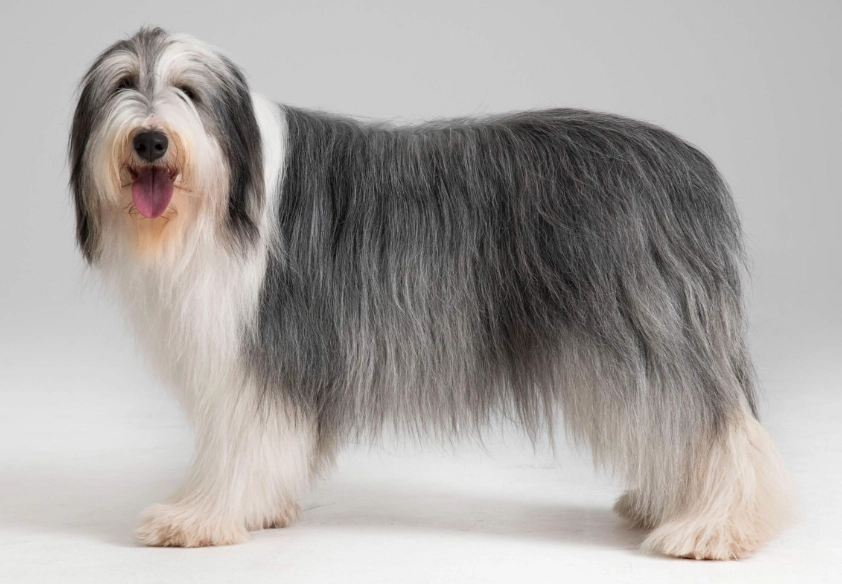
Coat Type
Cause
Coat Texture
Action Needed
Neatly trimmed, uniform length
Intentional grooming clip
Feels normal, just shorter
Follow grooming maintenance.
Patchy, thin, brittle, or balding
Health issue (thyroid, allergy, etc.)
Dry, sparse, easily broken
Consult a veterinarian.
Very short, woolly after regrowth
Previous full shave due to matting
Softer, cotton-like
Intensive conditioning and careful regrowth management.
How to Groom a Short-Haired Bearded Collie
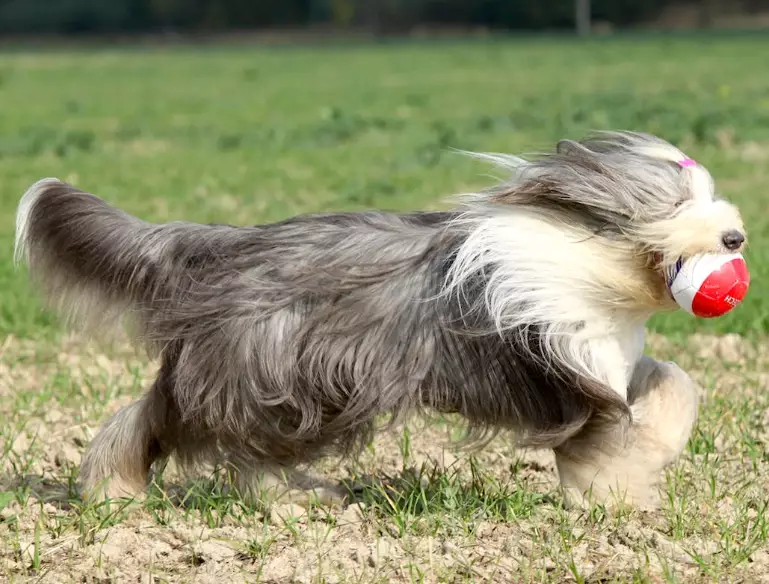
The Essential Tools You Actually Need
The Weekly Routine (Not Optional)
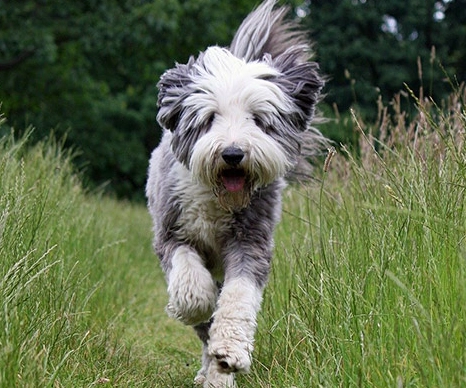
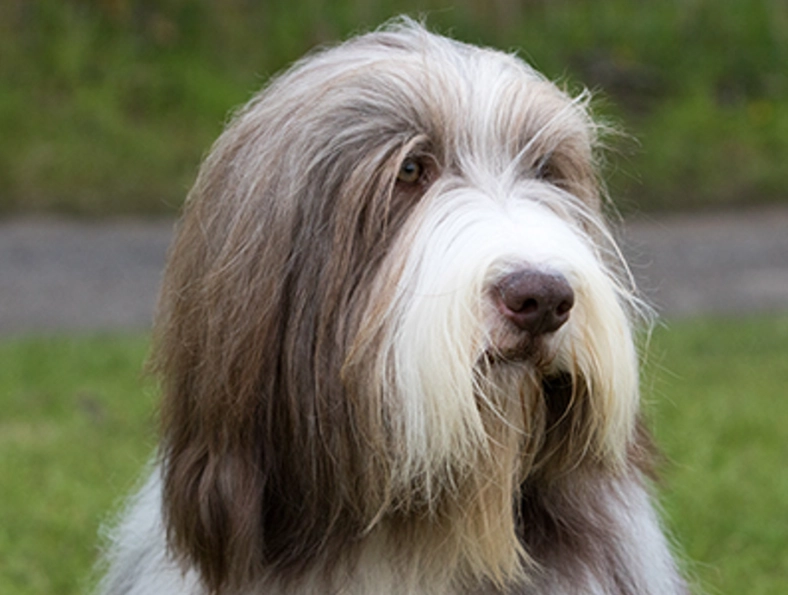
Health Considerations for Short-Coated Beardies
The Breed Standard, Myths, and Making Peace with Your Dog's Coat
Your Top Questions Answered
A crucial point most miss: Even a short-coated Bearded Collie still has a double coat. Shaving or clipping it too short doesn't eliminate shedding or magically make them cooler. In fact, it can disrupt their natural insulation. The goal is maintenance, not removal.
Pro Tip from the Grooming Table: When clipping, always go with the grain of the hair, not against it. Going against the grain on a double coat increases the risk of clipper irritation and creates a too-short cut that looks unnatural and can feel prickly to your dog.
How often should I brush my short-haired Bearded Collie compared to a long-haired one?
The frequency is similar—2-3 times a week. The difference is in the time and technique. A long coat requires lengthy sessions to prevent mats. A short coat session is quicker but must be thorough. You're not battling huge tangles, but you are ensuring skin health and removing that dense undercoat before it sheds all over your house. Skipping brushing because the coat "looks fine" is the fastest way to end up with a dog with impacted undercoat and dull, unhealthy skin.
My short-coated Beardy seems to shed just as much as a long-haired one. Is this normal?
Absolutely normal, and it's the number one complaint I hear. You're not imagining it. Shedding comes from the undercoat, which is still fully present. The difference is the hair length. Instead of long hairs wrapping around your furniture, you get a fine layer of shorter, more needle-like hairs that embed themselves in carpets and upholstery. Regular, thorough brushing with a slicker is the only effective way to manage it. No clip stops the shed.
What are the most common health problems I should watch for with my short-coated Bearded Collie?
Beyond general breed concerns like hip dysplasia, the short coat puts a spotlight on skin health. Be vigilant for: Seasonal Allergies (licking paws, red skin), Hot Spots (sudden, moist, red lesions), and Sunburn. Also, because you can see their skin, you might notice conditions like sebaceous adenitis (scaling skin) earlier. Any persistent itch, odor, or hair loss warrants a vet check. Don't assume it's just "dry skin."
Is a short-haired Bearded Collie a good choice for a family with allergies?
No Bearded Collie is hypoallergenic. Allergens come from dander (skin flakes), saliva, and urine, not just hair. A shorter coat may trap less dander and saliva near the skin, and it's certainly easier to wash off during baths, which might reduce allergen load in the home slightly. But it is not a solution for someone with significant dog allergies. A "low-shedding" breed like a Poodle or Schnauzer is a better bet if allergies are a primary concern.
Can the coat grow back to normal after being shaved short?
It can, but it's not guaranteed and takes patience—often over a year. The new growth may be a different texture (softer, woolier) and color. The key during regrowth is meticulous care: gentle brushing to stimulate follicles, high-quality nutrition rich in omega fatty acids, and never letting the new coat mat. Even small mats can pull on the delicate new hairs and damage them. Think of it as rehab for the coat.
Comment