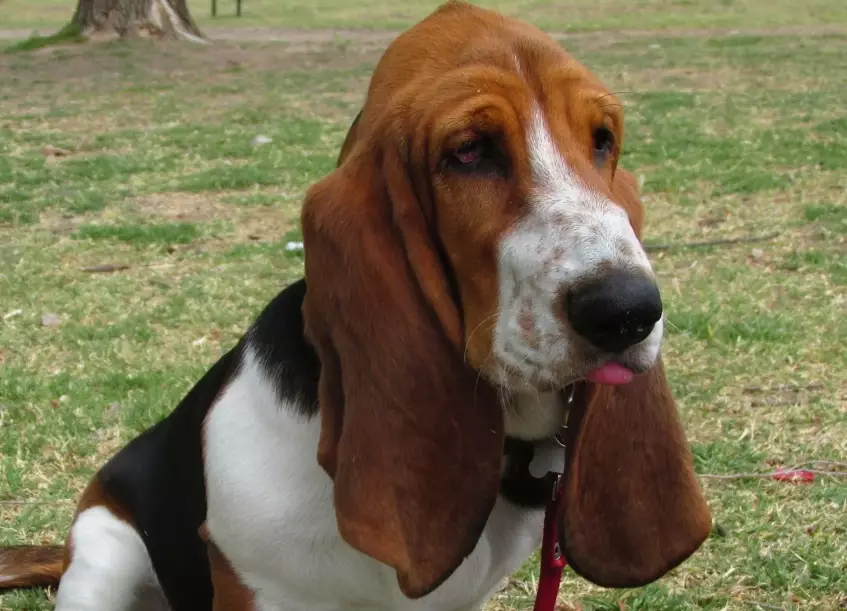
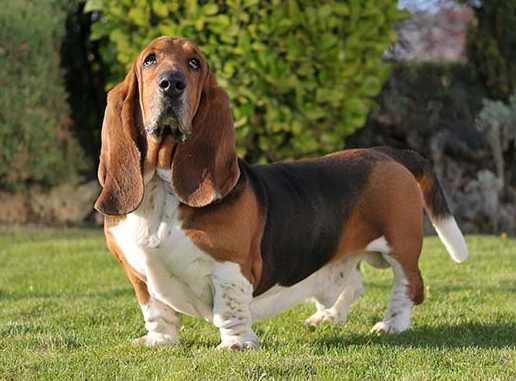
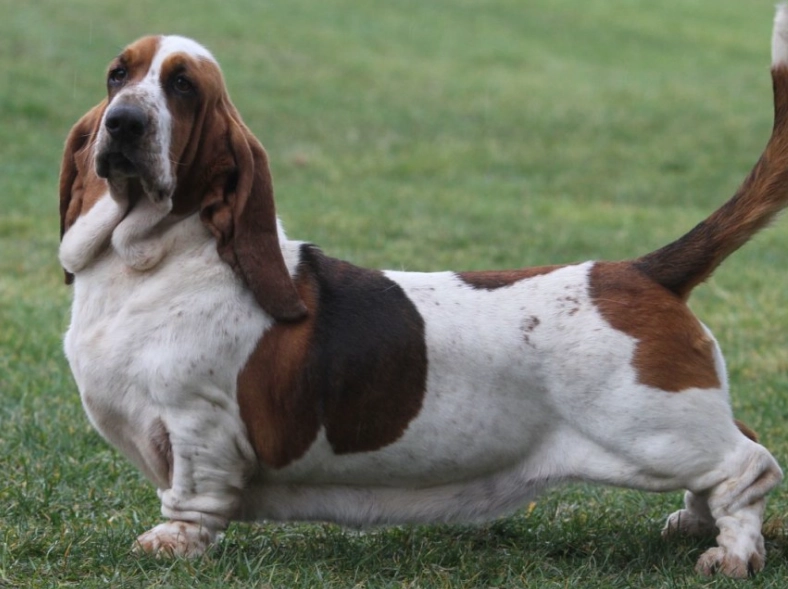
Let's be honest, you're probably here because you saw a picture of a Basset Hound. Those long, velvety ears, the soulful eyes, and that comically serious expression. It's an irresistible package. But living with a Basset Hound breed is a world away from just admiring one in a meme. I've shared my home with Bassets for over a decade, and while they are wonderful, they come with a manual written in a language you need to learn. This isn't just another breed overview. This is a deep dive into what it really means to live with one of these scent-obsessed, stubborn, and utterly charming lowriders. Forget the cartoon image. The Basset Hound is a working dog, bred in France and refined in Britain for one purpose: to track game on foot. Every single one of their distinctive features serves that purpose. That's the key to understanding them. Their loose skin and long ears help trap and funnel scent particles toward their nose. Those short, powerful legs aren't a design flaw—they allow them to keep their nose to the ground without tiring, moving slowly and methodically so hunters could follow. The American Kennel Club breed standard emphasizes this functional build. It's not just about looking cute; it's about being a relentless, ground-scenting machine. Their personality is deceptively calm. Inside the house, they are often couch potatoes, famous for their epic naps. But outside, if that nose switches on, a different dog emerges. That mild-mannered pup transforms into a single-minded tracking unit. I've seen my own dog, Barnaby, freeze for 20 minutes analyzing a single spot where a rabbit might have passed hours earlier. You don't walk a Basset; you accompany them on their olfactory investigations. New owners often mistake their Basset's behavior for being dumb or disobedient. It's neither. They are intelligent but independent. When you call them and they look at you, then deliberately turn and walk the other way, they've made a cost-benefit analysis. Your call versus the fascinating smell they're investigating? The smell wins every time. It's not spite; it's genetics. This is the single biggest adjustment for people used to biddable breeds like Labradors. Caring for a Basset isn't overly complex, but it's specific. Miss these steps, and you're inviting health problems. Exercise: Don't believe the "low-energy" label means no energy. A young Basset needs regular, moderate exercise to stay fit and sane—think 30-45 minutes of walking daily. The catch? It's mental exercise too. Let them sniff. A 20-minute "sniffari" where they choose the path is more tiring than an hour of forced marching. Avoid high-impact activities like frequent stair climbing or jumping. Grooming: That short coat sheds. A lot. Weekly brushing with a rubber grooming mitt or hound glove helps control it. The real focus areas are the folds and ears. Ear Cleaning Ritual (Non-Negotiable): This is the hill I will die on with new owners. Every week, without fail. Use a vet-recommended ear cleaner, soak a cotton pad, and wipe the easily accessible parts of the inner ear flap. Do not jam cotton swabs down the ear canal. I use a drying solution after baths or swimming. Ignore this, and you'll face chronic yeast infections—smelly, itchy, and expensive to treat. Skin Folds: Especially around the face and neck, moisture and food get trapped. Wipe these folds dry with a soft cloth after they eat, drink, or go out in the rain. A quick check prevents fold dermatitis. Dental Health: Many brachycephalic (short-faced) breeds have crowded teeth. Brushing several times a week is ideal to prevent periodontal disease, which can affect overall health. Feeding: Bassets are food vacuums. They will eat anything, anytime, and then look for more. This makes them highly prone to obesity, which exacerbates every other health issue they face. Use a measured bowl, stick to scheduled meals (not free-feeding), and choose high-quality food appropriate for their age and activity level. Treats must be accounted for in their daily calorie intake. Being aware of breed-specific health issues isn't about scaring you—it's about empowerment. Responsible breeders test for these, and you should ask to see the results (OFA or PennHIP for hips, eye certifications). Pet insurance for a Basset Hound is something I strongly recommend. When issues arise, they can be costly, and insurance provides peace of mind. Let's paint a realistic picture of life with a Basset. The Ideal Basset Home: A family or individual with a sense of humor and patience. A home with a secure, fenced yard (check for gaps—they are low and persistent). Someone who values companionship over obedience trophies. They do well with children if the kids are taught to respect the dog's space, especially while eating. They usually get along with other pets. Think Twice If: You prize a spotlessly clean house (drool, shedding). You want a reliable off-leash hiking partner. You have lots of stairs in your home. You're away from home for 10+ hours a day regularly; they are social and can develop separation anxiety. The Cost Reality: Beyond purchase from a reputable breeder ($800-$2000+), budget for: Finding a Reputable Breeder: This is the most important step. Avoid pet stores and online marketplaces. A good breeder will: Contact the Basset Hound Club of America for a breeder referral list. Consider rescue, too—organizations like Basset Hound Rescue Network often have wonderful dogs needing homes.What You'll Find in This Guide
What Makes a Basset Hound a Basset Hound?
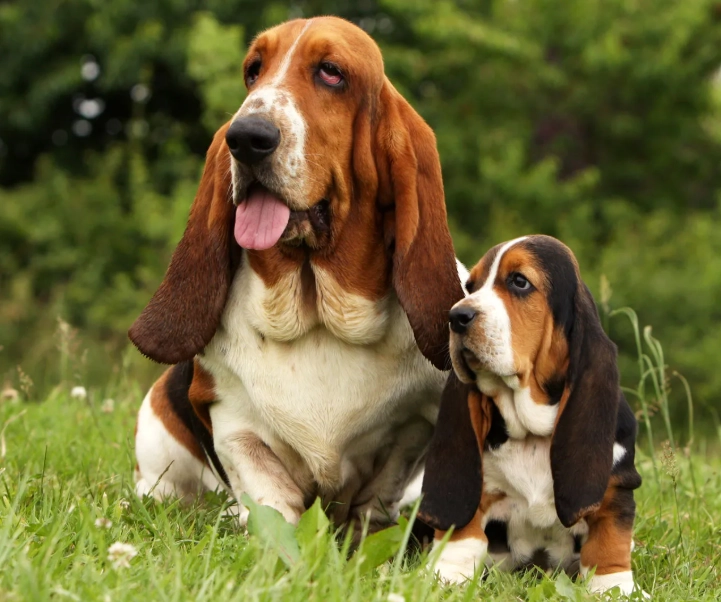
Feature
Purpose & Characteristic
What It Means for You
Nose & Sense of Smell
Second only to the Bloodhound. Primary sense; overrides all others.
Recall is challenging. They will follow a scent into danger. Secure fencing is non-negotiable.
Ears
Long, low-set, velvety. Trap scent and keep nose close to ground.
Weekly cleaning is mandatory to prevent painful infections. They drag in food and water.
Body Structure
Heavy bone, short legs, long back. Powerful and close to the earth.
Prone to back issues (IVDD). Must avoid obesity and jumping on/off furniture.
Temperament
Placid, friendly, mild. Stubborn when on a scent or disinterested.
Not a high-energy jogging buddy. Training requires patience and high-value treats.
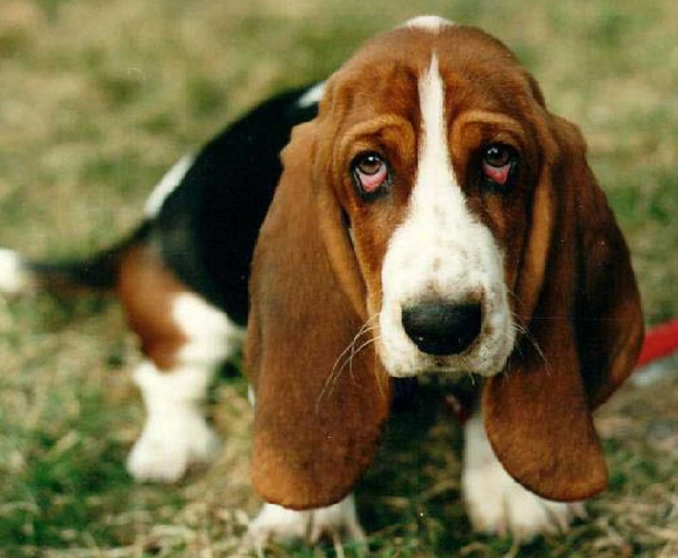
The Stubborn Streak: It's Not Disobedience
How to Care for a Basset Hound’s Unique Anatomy
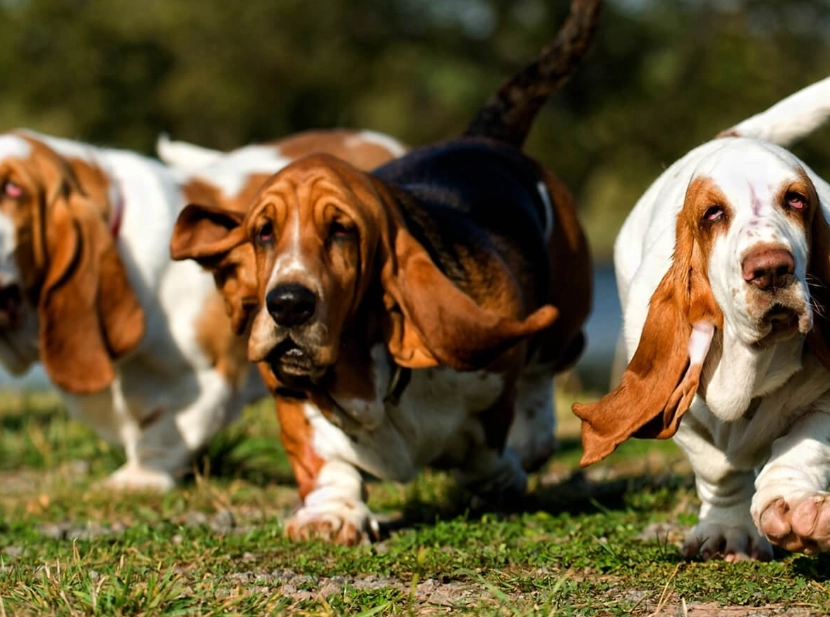
Navigating Basset Hound Health Concerns
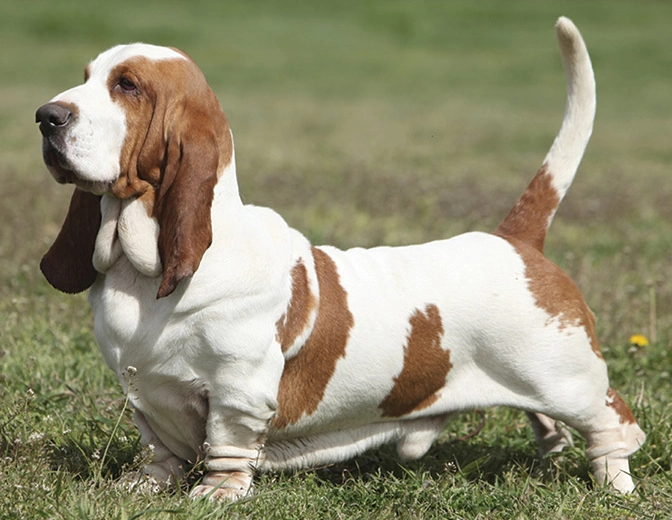
Is a Basset Hound Right for Your Family?
Your Basset Hound Questions, Answered
Are Basset Hounds good with young children?
Generally, yes, their placid nature is a good match. But it's about management. Their long backs are fragile. A toddler falling on them or trying to ride them can cause serious injury. Always supervise interactions and teach kids not to disturb a sleeping or eating Basset. Their food drive is intense, and they might snap if surprised while eating.
I've heard they are stubborn and hard to train. Is that true?
They are independent thinkers, not blindly obedient. You won't train a Basset with repetition alone. You need to make yourself more interesting than the environment. This means high-value treats (cheese, chicken), keeping sessions short and fun, and using their nose to your advantage. Scent work games are brilliant for them. Housebreaking can take longer than with some breeds—consistency and patience are everything.
How can I prevent the constant ear infections everyone talks about?
The weekly cleaning ritual is your front line. But also ensure their ears are completely dry after baths or swimming. I lift each ear flap and gently towel-dry the entrance, then use a vet-recommended ear-drying solution. Watch for head shaking, scratching, or a foul odor—these are red flags for an infection starting. Catching it early means simpler treatment.
How serious are the back problems, and what can I do now to prevent them?
IVDD is a serious, potentially paralyzing condition. Prevention starts the day you bring your puppy home. Get them used to using a ramp for the couch and your car. Discourage jumping on and off furniture. The single most important preventive measure is weight control. A lean Basset puts exponentially less stress on its spine. Ask your vet to show you how to body condition score your dog.
Do they drool a lot?
It varies by dog, but yes, most Basset Hounds drool. It happens after drinking, when they're excited about food, or sometimes just because. You'll find "Basset glitter" (drool strings) on your walls, windows, and clothes. Keeping a "drool rag" handy by their water bowl and your doors is a pro move. It's part of the package—if you can't handle it, this isn't the breed for you.
Comment