That little lamb-like creature staring back at you from a breeder's photo isn't a sheepdog mix—it's a Bedlington Terrier puppy. With their pear-shaped head, curly coat, and arched back, they look like something out of a storybook. But behind that gentle exterior lies the heart of a true terrier: energetic, clever, and brimming with personality. Bringing one home is an adventure that requires specific know-how. This guide cuts through the generic puppy advice to give you the breed-specific details you need, from navigating their unique grooming demands to understanding a critical health test you must not skip.
What’s Inside This Guide?
- What Does a Bedlington Terrier Puppy Look and Act Like?
- The Bedlington Puppy Care Routine: Beyond the Basics
- Training Your Bedlington Terrier Puppy: Mind Over Muscle
- Common Health Issues in Bedlington Terrier Puppies
- Finding a Healthy Bedlington Terrier Puppy
- Your Bedlington Puppy Questions Answered
What Does a Bedlington Terrier Puppy Look and Act Like?
Don't expect the classic terrier look. Newborn Bedlington puppies are often born dark—black, blue, or liver—and their famous light, curly coat grows in over time. By 8-10 weeks, you'll see that soft, woolly texture forming. Their build is graceful and athletic, not stocky.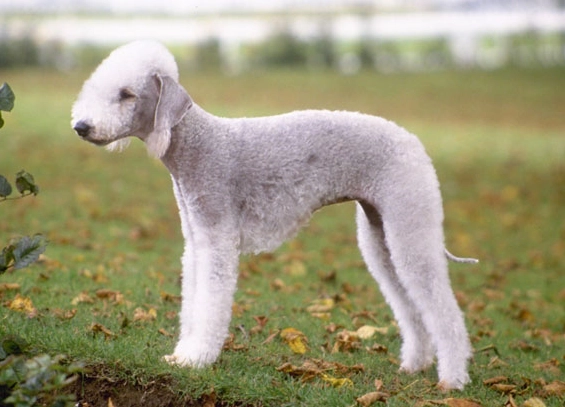
Personality is a fascinating blend. They're affectionate and love to snuggle, earning the nickname "the little lamb." But turn your back, and the terrier instincts kick in. They have a high prey drive. A squirrel in the yard triggers a chase mode that's impressive for their size. They're also surprisingly fast and love a good run.
One subtle mistake new owners make is treating them like delicate lap dogs. They need mental and physical exercise. A bored Bedlington puppy will find its own fun, and you might not like their choice of entertainment (think: redecorating your sofa cushions).
The Bedlington Puppy Care Routine: Beyond the Basics
General puppy care applies, but Bedlingtons have some special requirements. Their coat is the biggest one. It doesn't shed much (great for allergies), but it grows continuously like human hair.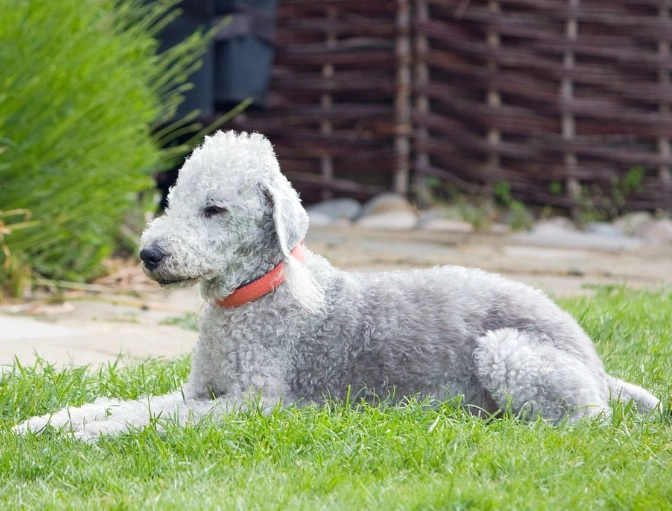
Grooming: It's Non-Negotiable
You can't just brush a Bedlington. That woolly coat mats incredibly easily. Start handling your puppy's paws, face, and body from day one to prepare for grooming. By 4-5 months, they need regular clipping every 6-8 weeks to maintain the breed's signature look and prevent painful mats.
Pro Tip: Never shave a Bedlington down to the skin. Their unique coat texture can be permanently damaged. Find a groomer experienced with the breed or learn to use clippers and curved shears yourself. The Bedlington Terrier Club of America has breeder referrals who can recommend groomers.
Here’s a quick breakdown of the grooming commitment:
| Task | Frequency | Why It's Critical for Bedlingtons |
|---|---|---|
| Brushing/Combing | Every 2-3 Days | Prevents tight mats that require shaving, which ruins the coat. |
| Professional Clipping | Every 6-8 Weeks | Maintains coat health and the breed's characteristic shape. |
| Ear Cleaning | Weekly | Their folded ears can trap moisture and debris. |
| Nail Trimming | Every 2-3 Weeks | Fast-growing nails affect their graceful gait. |
Nutrition and Exercise
Feed a high-quality puppy food formulated for small to medium breeds with moderate energy. Because of the risk of copper toxicosis (more on that below), some breeders recommend avoiding foods with excessive copper supplementation. Ask your breeder for their specific dietary advice.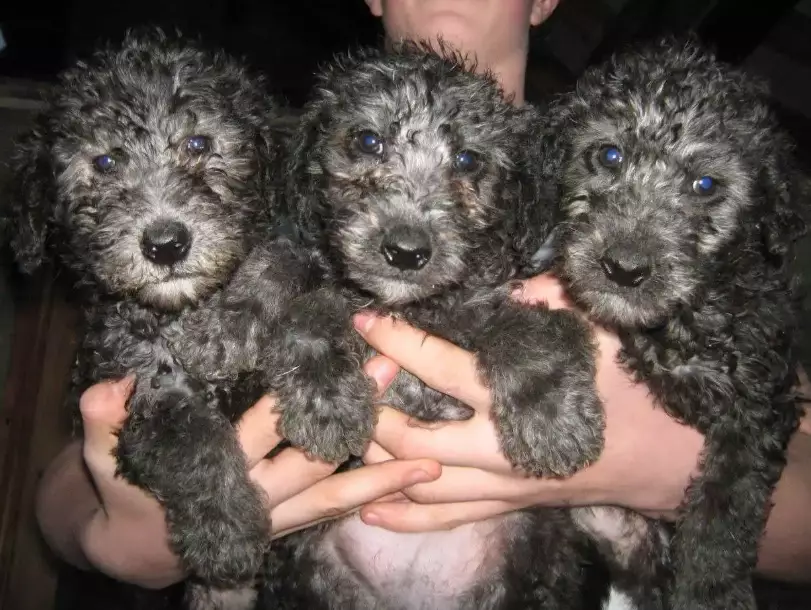
Exercise needs are moderate but must be consistent. Several short walks and play sessions daily are better than one long, exhausting outing. They excel at dog sports like agility, which is fantastic mental and physical stimulation.
Training Your Bedlington Terrier Puppy: Mind Over Muscle
Bedlingtons are smart. Scary smart. This means they learn commands quickly, but they also learn how to get around your rules if you're not consistent.
Positive reinforcement is the only way. Harsh corrections will make them shut down or become sly. Use treats, praise, and play. They can be stubborn, especially if they sense something isn't worth their while. Make training a game.
Two non-negotiable training focuses:
1. Recall (Come): That terrier prey drive is strong. A reliable recall in a fenced area before you ever try off-leash in an open space is crucial. Start in low-distraction environments and build up slowly.
2. Socialization: This isn't just about meeting other dogs. It's about exposing your puppy positively to all sorts of people, sounds, surfaces, and experiences during their critical window (up to about 16 weeks). A well-socialized Bedlington is a confident, adaptable dog. A poorly socialized one can develop timidity or reactivity.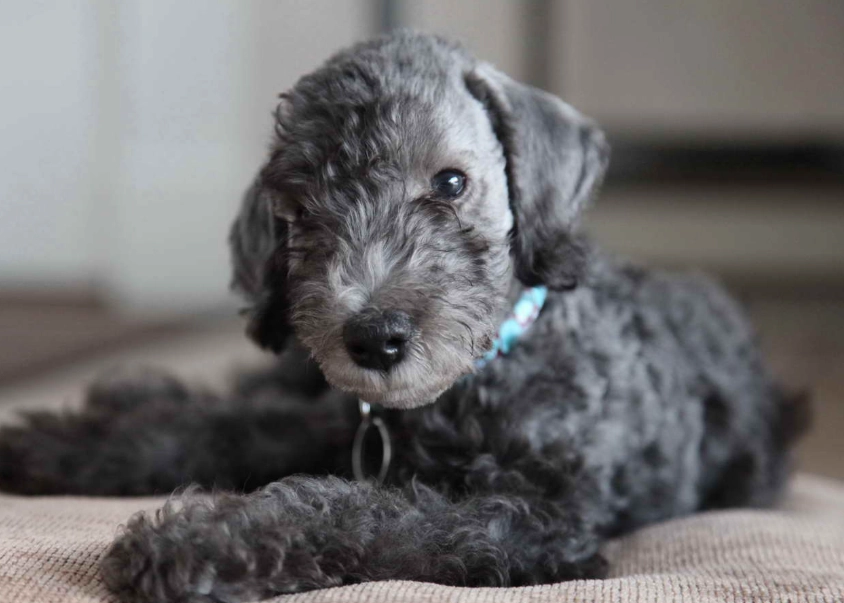
A Common Pitfall: Many owners mistake a Bedlington's initial quietness for shyness and coddle them. This can reinforce nervous behavior. Instead, project calm confidence and pair new experiences with high-value treats.
Common Health Issues in Bedlington Terrier Puppies
Responsible breeders screen their dogs to minimize risks. According to the Orthopedic Foundation for Animals (OFA), breeders should test for patellar luxation and eye conditions. But one issue stands above the rest for this breed.
Copper Toxicosis: The #1 Genetic Concern
This is the big one. Bedlington Terriers have a genetic mutation that can cause them to accumulate toxic levels of copper in their liver, leading to liver failure. It's autosomal recessive, meaning a puppy needs to inherit a bad copy from both parents to be affected.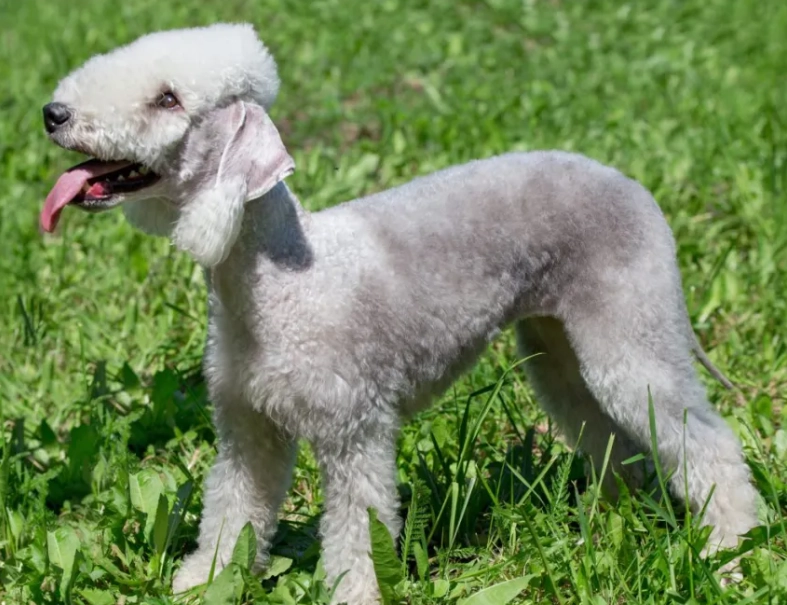
Here’s what you must do: Reputable breeders will have tested the parents' DNA for the COMMD1 mutation (the gene responsible). You should receive documentation showing both parents are either clear (normal/normal) or carriers (normal/mutant). A carrier bred to a clear dog will not produce affected puppies. Never buy a puppy from a breeder who cannot provide these DNA test results.
Even with clear parents, many vets recommend a baseline liver enzyme blood test for your puppy and periodic checks throughout their life.
Finding a Healthy Bedlington Terrier Puppy
This is where patience pays off. Good breeders have waiting lists. Avoid pet stores and online marketplaces like Craigslist.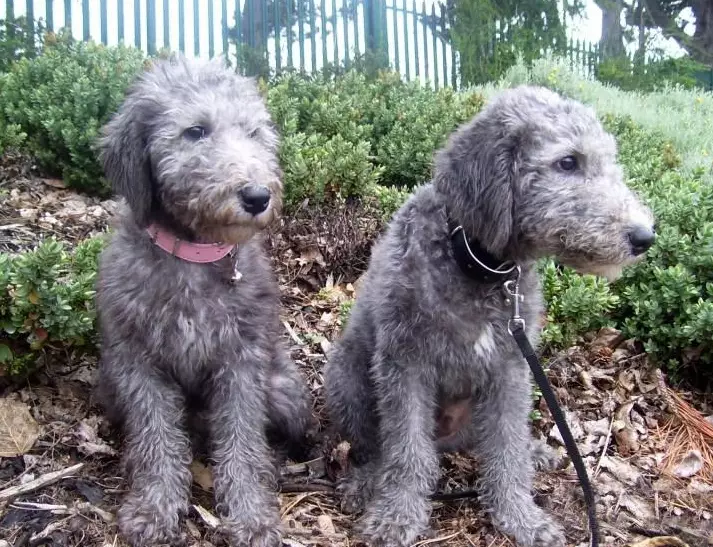
Your checklist when talking to a breeder:
- They ask YOU more questions than you ask them.
- They provide DNA test results for copper toxicosis for both parents.
- They show OFA or other health clearances for the parents (patellas, eyes).
- They raise puppies in their home, not in an isolated kennel.
- They have a contract that includes a health guarantee and requires you to return the dog to them if you can't keep it.
- They encourage you to visit and meet the puppy's mother.
Expect to pay between $1,800 and $3,000+ for a well-bred puppy from health-tested lines. The initial cost is a fraction of what treating a genetic illness will be.
Your Bedlington Puppy Questions Answered
Raising a Bedlington Terrier puppy is a uniquely rewarding experience. You're not just getting a pet; you're gaining a charismatic, loyal companion with a look all their own. By understanding their specific needs—from that essential DNA test to the grooming table—you're setting the stage for a long, healthy, and happy life together. Do your homework, find a great breeder, and get ready for a wonderful journey with your little "lamb."
Reader Comments