If you're looking at a Bedlington Terrier, you might think it's a tiny lamb—but that elegant, arched back and slender build come with specific size numbers. Let's cut to the chase: a healthy adult Bedlington typically stands 15 to 17.5 inches tall at the shoulder and weighs between 17 and 23 pounds. But there's more to it than just numbers. I've owned Bedlingtons for over a decade, and I've seen how misconceptions about their size can lead to health issues. In this guide, we'll dive deep into everything from official standards to practical tips you won't find on generic breed sites.
Quick Navigation
Official Bedlington Terrier Size Standards
According to the American Kennel Club (AKC), the Bedlington Terrier breed standard specifies a height of 15 to 17.5 inches at the withers (that's the shoulder point) for both males and females. Weight should be proportional, generally ranging from 17 to 23 pounds. But here's something many new owners miss: the AKC emphasizes balance over strict numbers. A dog that's 16 inches tall but weighs 25 pounds might look off—it's not just about hitting metrics, but about that graceful, lamb-like silhouette.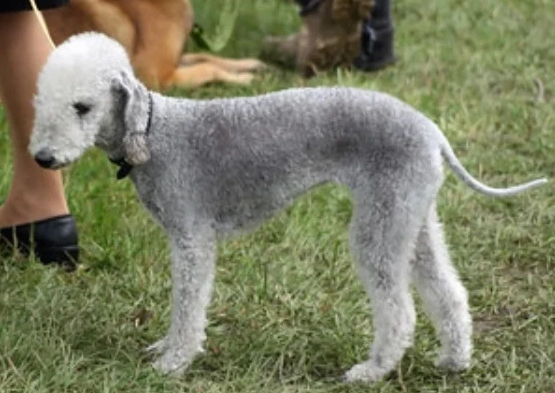
I remember judging a local dog show where a Bedlington was disqualified for being too heavy. The owner had focused solely on height, ignoring weight. That's a common pitfall. Let's break it down with a table:
| Measurement | Male Range | Female Range | Notes |
|---|---|---|---|
| Height at Withers | 15-17.5 inches | 15-17.5 inches | Measured from ground to shoulder blade top |
| Weight | 18-23 pounds | 17-22 pounds | Varies with muscle vs. fat; females often lighter |
| Body Length | Slightly longer than tall | Slightly longer than tall | Key for that arched back appearance |
These standards are based on the AKC's guidelines, which you can verify on their official website. But don't just trust the numbers—look at your dog's overall shape. A Bedlington should move with a light, springy step, not a lumbering gait.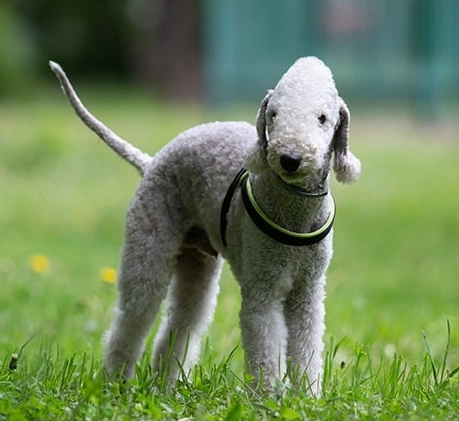
From Puppy to Adult: Bedlington Terrier Growth Stages
Bedlington puppies grow fast, and it's easy to overfeed them thinking they need more bulk. In my experience, most reach their full height by 10 to 12 months, but weight can fluctuate until 18 months. Here's a rough timeline:
- 0-3 months: Puppies weigh 3-8 pounds. They're all legs and energy. Feed a high-quality puppy food, but watch portions—overfeeding now can set up obesity later.
- 4-6 months: Height shoots up to 10-14 inches. Weight: 10-15 pounds. This is when many owners panic, thinking their dog is too skinny. But Bedlingtons are naturally lean; focus on muscle development through play.
- 7-12 months: Near adult height, 15-17 inches. Weight: 15-20 pounds. Growth slows, but appetite might not. Switch to adult food around 9 months to avoid excess calories.
- 12-18 months: Filling out phase. Weight stabilizes at 17-23 pounds. This is when you should see that characteristic arched back and tucked abdomen.
I had a Bedlington named Charlie who was a slow grower—he didn't hit 17 pounds until he was 2 years old. Vet checks confirmed he was healthy, just on the smaller side. So, don't stress if your dog is slightly outside ranges; consistency is key.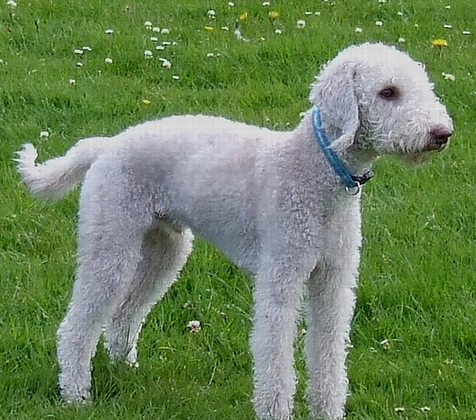
Tracking Growth: A Practical Approach
Keep a simple log: measure height and weight monthly. Use a bathroom scale—weigh yourself, then weigh yourself holding the dog, and subtract. For height, a rigid tape measure works best. Plot it on a chart; if growth plateaus early, consult your vet. But avoid comparing to online charts blindly; every dog is unique.
How to Measure Your Bedlington Terrier Correctly
Most people measure dogs wrong. They go from head to toe, which inflates numbers. For Bedlingtons, accuracy matters because even an inch can indicate health issues. Here's how I do it, step by step:
- Get your dog standing square: On a flat surface, encourage your Bedlington to stand naturally. Treats help. If they're slouching, wait—this isn't a race.
- Locate the withers: That's the highest point of the shoulder blades, where the neck meets the back. Feel for the bony prominence.
- Use a rigid measuring tape: Place one end on the ground, vertical against the leg, and extend to the withers. Don't angle it; keep it straight. Record in inches.
- Weight measurement: Use a digital scale. If your dog won't stay still, weigh a carrier first, then add the dog.
Common mistake: measuring to the top of the head. That adds 2-3 inches, skewing results. I've seen owners claim their Bedlington is 20 inches tall—no, that's likely incorrect unless it's a mix. Double-check with a vet during annual visits.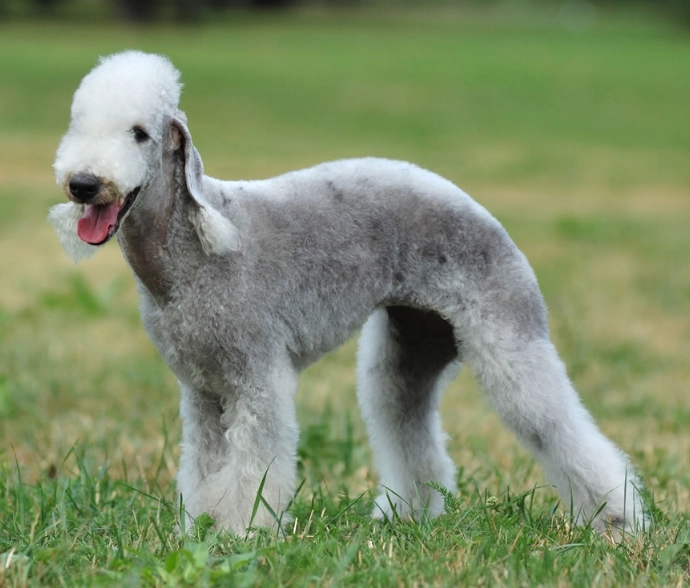
Pro tip: Measure at the same time each month, like after morning feeding. Growth spurts can happen overnight, so consistency reduces errors.
Why Size Matters: Health Implications for Bedlington Terriers
Size isn't just about looks; it's a health indicator. Bedlingtons are prone to certain conditions linked to weight and structure. For instance, obesity can exacerbate copper toxicosis, a genetic issue in the breed. A dog even 5 pounds overweight might struggle with joint stress, especially given their arched back.
Let's talk numbers: a study by the Association for Pet Obesity Prevention found that over 50% of dogs in the U.S. are overweight. For Bedlingtons, that's risky because their lean build masks fat. You might think your dog is fine, but pinch the ribs—if you can't feel them easily, it's time to cut back on treats.
From my own mess-ups: I once overfed my Bedlington during winter, thinking she needed extra warmth. She gained 4 pounds, and her energy dipped. The vet warned about liver strain. We switched to measured meals and added short, frequent walks. Within months, she was back to 19 pounds and much happier.
Here's a quick health checklist tied to size:
- Underweight (below 17 pounds): Could signal parasites or dental issues. Check appetite and stool.
- Overweight (above 23 pounds): Increases risk of diabetes and heart disease. Reduce carbs, increase protein.
- Height deviations: Too tall? Might indicate poor breeding or nutrition gaps. Too short? Could be stunting from illness.
Regular vet visits are non-negotiable. Share your measurements—they help track trends.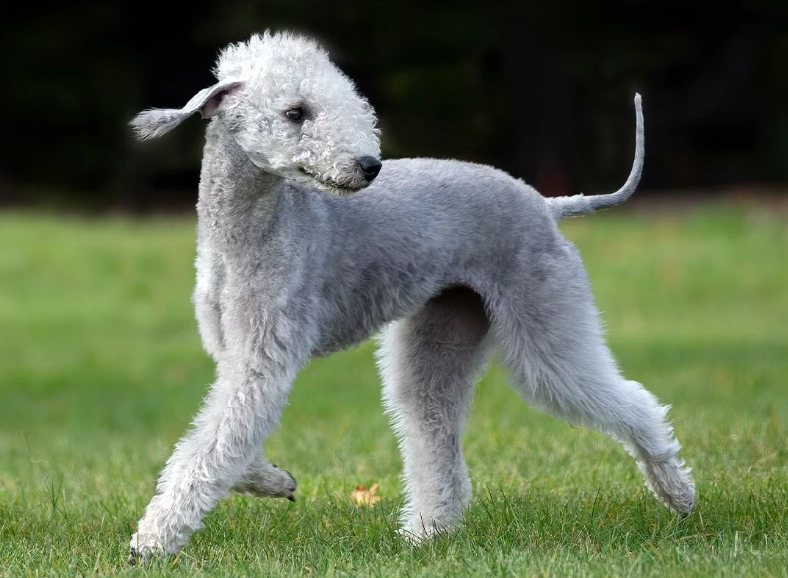
Bedlington Terrier Size FAQs: Expert Answers to Your Questions
My Bedlington Terrier is 20 pounds but looks skinny. Is that normal?
Absolutely normal—Bedlingtons are meant to be lean. Muscle weighs more than fat, so a fit dog might seem slender but weigh adequately. Use a body condition score: ribs should be palpable with a slight fat cover, and a waist should be visible from above. If your dog is active and eating well, don't worry. I've had vets compliment my Bedlington's physique while owners fretted over "thinness." Focus on energy levels, not just the scale.
Can Bedlington Terriers be smaller than the breed standard?
Yes, but it's rare and often linked to genetics or health. Some lines produce smaller dogs, around 14 inches and 15 pounds. However, deviating significantly might affect agility and longevity. If your Bedlington is undersized, ensure it's not due to malnutrition or thyroid issues. I've seen a few petite Bedlingtons in shows—they can still be healthy, but breeding them is discouraged to maintain standards. Always consult a breeder or vet for personalized advice.
How do I prevent my Bedlington Terrier from becoming overweight?
Start with portion control. Measure food using a cup, not eyeballing. High-quality kibble with protein over 25% helps. Exercise is key: aim for 30-45 minutes daily, split into walks and play. Avoid table scraps—they're calorie bombs. I use puzzle feeders to slow eating and mental stimulation. Monitor weight monthly; if you see a gain, cut treats by half. Remember, Bedlingtons are terriers—they'll beg, but stay firm. A lean dog lives longer and moves better.
Wrapping up, understanding Bedlington Terrier size goes beyond numbers. It's about that unique balance that makes them look like graceful lambs. Keep measurements accurate, track growth, and prioritize health. If you're ever in doubt, reach out to breed clubs like the Bedlington Terrier Club of America for resources. Happy measuring!
Reader Comments