Let's get straight to the point. The phrase "Bedlington Terrier ungroomed" doesn't mean a neglected, matted mess. It describes the natural, untrimmed state of this unique dog's coat between professional clips. And understanding this state is the key to keeping your lamb-like terrier healthy and happy. Most guides talk about the show clip, but what about the weeks in between? That's where the real work—and the most common mistakes—happen. I've seen too many owners panic when their Bedlington's coat starts to curl and soften, thinking they've done something wrong. You haven't. You're just seeing the real dog underneath the haircut.
What's Inside This Guide
- The Unique Bedlington Terrier Coat: It's Not Just Hair
- The Real Risks of an Ungroomed Bedlington Terrier Coat
- How to Properly Care for an Ungroomed Bedlington Terrier Coat
- What Does an Ungroomed Bedlington Terrier Actually Look Like?
- Ungroomed vs. Groomed: Which Style is Right for Your Bedlington?
- Your Ungroomed Bedlington Terrier Questions Answered
The Unique Bedlington Terrier Coat: It's Not Just Hair
First, forget everything you know about typical dog fur. The Bedlington Terrier coat is a mix of hard and soft hair with a distinctive, crinkly texture. It's more like a blend of wool and cotton than straight canine hair. This isn't just for looks; it was historically functional, providing protection from weather and rough terrain for a dog bred to hunt vermin. According to the Bedlington Terrier Club of America's breed standard, the coat should be "a very distinctive mixture of hard and soft hair, standing well out from the skin."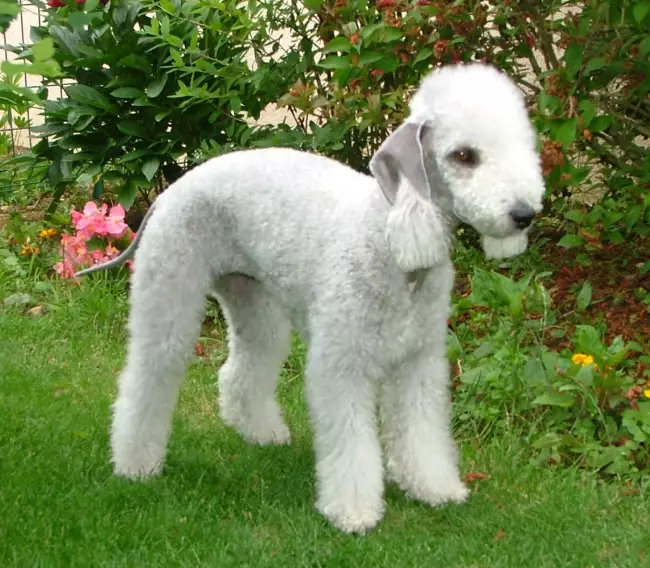
Here's the thing most new owners miss: the coat changes. A freshly trimmed coat feels harsher. As it grows out, the softer undercoat becomes more prominent, and the whole feel becomes lintier, more wool-like. This is the "ungroomed" phase. It's not wrong; it's the natural growth cycle. Trying to fight it by over-bathing or using the wrong products is where problems start.
The Real Risks of an Ungroomed Bedlington Terrier Coat
Choosing to let your Bedlington go ungroomed isn't a low-maintenance option. It's a different kind of maintenance. The risks aren't about looks; they're about health and comfort.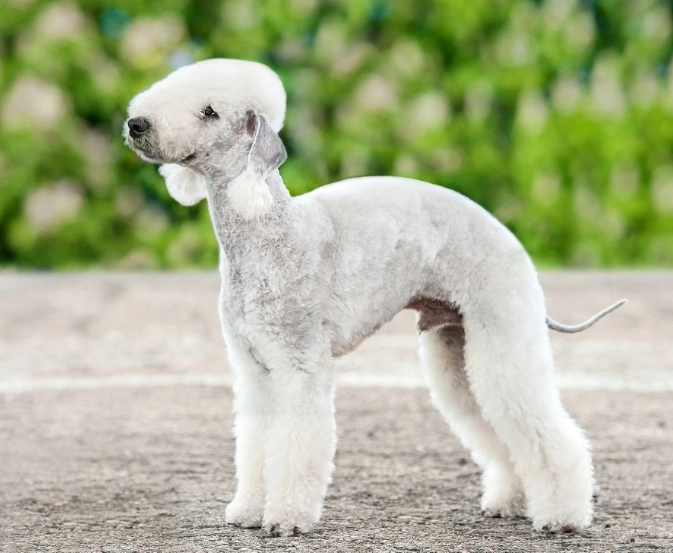
- Matting and Pellting: This is the big one. That soft undercoat tangles incredibly easily, especially behind the ears, in the armpits, and around the collar. A mat isn't just a knot; it pulls on the skin, restricts airflow, and creates a perfect, moist environment for bacteria. Removing severe mats often requires shaving, which ruins the coat texture for months.
- Skin Infections (Pyoderma): Trapped moisture and bacteria under mats or within a thick, unmaintained coat lead to hot spots and infections. Bedlingtons can be prone to skin issues anyway, so a dirty coat is asking for trouble.
- Overheating: That woolly coat is warm. While it provides insulation in cold weather, an ungroomed, thick coat in summer can cause a Bedlington to overheat quickly during exercise.
- Compromised "Lamb" Shape: This is the aesthetic risk. Severe matting or an uneven, blown-out coat makes it much harder for a professional groomer to execute the classic Bedlington trim. You might need a full reset shave-down, which is stressful for the dog and owner.
I once worked with a client who only brushed the top layer. Their dog seemed fine until a vet visit revealed a solid sheet of matting across the entire back, glued to the skin. The dog had been hiding its discomfort. It took two long sessions to carefully shave it out. That dog was lucky it didn't get a serious infection.
How to Properly Care for an Ungroomed Bedlington Terrier Coat
This is your actionable plan. An ungroomed coat needs consistent, knowledgeable care. It's not about weekly marathons; it's about short, daily touch-ups.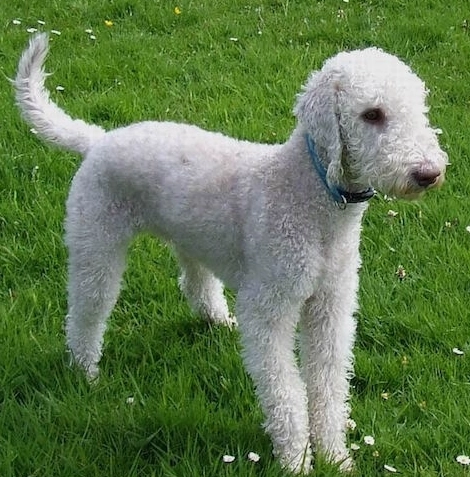
The Essential Tool Kit
Forget cheap pet store brushes. You need precision tools.
- A High-Quality Steel Comb: This is your primary tool. Look for one with both wide- and fine-spaced teeth (a "greyhound comb"). The Chris Christensen 007 Buttercomb is a gold standard for a reason—it glides through hair without static or snagging.
- A Slicker Brush: Not all are equal. Get one with fine, bent wires and padded tips. The Andis Pet Fine-Tooth Slicker is excellent for fluffing the coat and catching surface tangles before the comb goes in. Use it gently.
- Detangling Spray/Conditioner: A light, leave-in conditioner spray is non-negotiable. It provides slip, reduces static, and protects the hair shaft. BioSilk for Dogs or Chris Christensen Ice on Ice are fantastic options. Avoid heavy, greasy sprays.
- Blunt-Tipped Scissors: For safely snipping out the occasional small mat or trimming stray hairs around eyes and paws. Never use pointed scissors near a wiggling dog.
The Daily/Weekly Maintenance Routine
Think of this like brushing your own hair. It should be a calm, positive routine.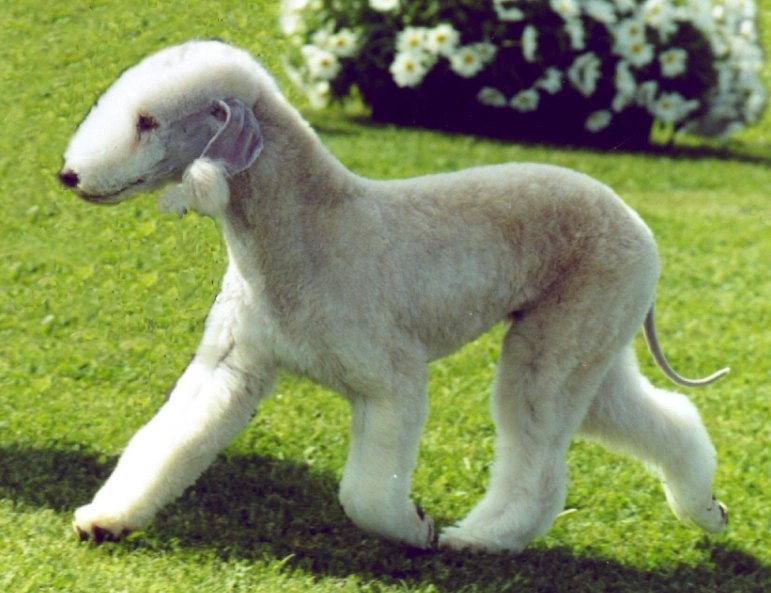
- Mist and Separate: Lightly spritz the coat with your detangling spray. Don't soak it. Use your fingers to gently separate the hair into sections, starting at the back of the neck.
- Brush Layer by Layer: Use the slicker brush in short, gentle strokes. Don't just brush the top. Lift sections of hair and brush the layer underneath. Pay obsessive attention to friction points: behind ears, armpits, groin, under the collar.
- The Comb-Through Test: This is the final exam. After brushing, take your steel comb and slowly draw it through the coat, starting at the tips and working down to the skin. If it glides through smoothly to the skin in every section, you're done. If it catches, go back with the slicker in that spot.
- Paw and Face Check: Trim any long hair between the paw pads for traction and wipe the face with a damp cloth to prevent tear stains.
This whole process should take 5-10 minutes once your dog is used to it. Doing it every other day is the minimum to prevent mats from forming.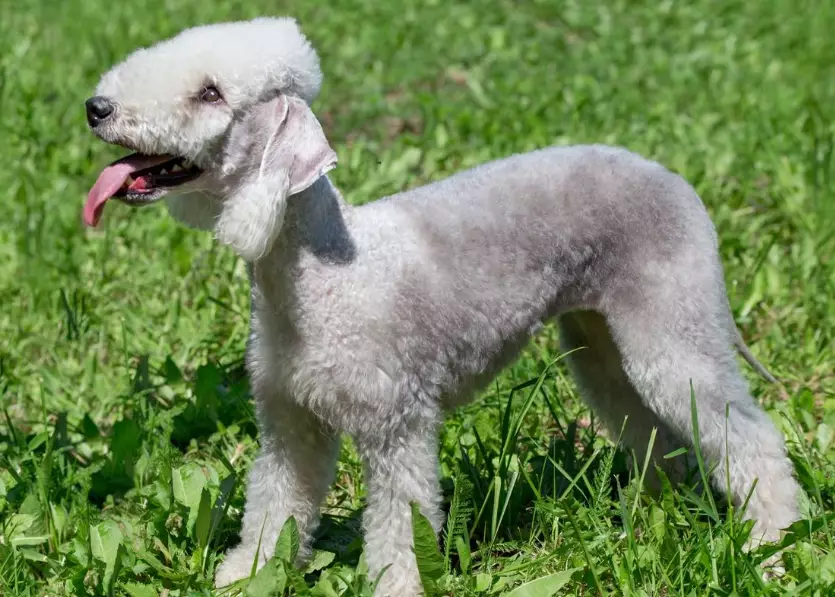
Bathing an Ungroomed Bedlington
Bathing too often strips the coat's natural oils, making it dry and more prone to breakage and matting. Every 4-6 weeks is usually plenty.
Critical Pre-Bath Step: NEVER bathe a matted Bedlington. Water will tighten any existing mats into impossible, felt-like pads. You must completely brush and comb out the coat before the dog gets wet.
Use a mild, moisturizing shampoo and a heavy conditioner. Rinse for twice as long as you think you need—conditioner residue is a magnet for dirt. Dry with a high-velocity dryer on a cool setting while brushing the coat upward and outward. This "fluffs" the coat and prevents it from drying flat and tangled.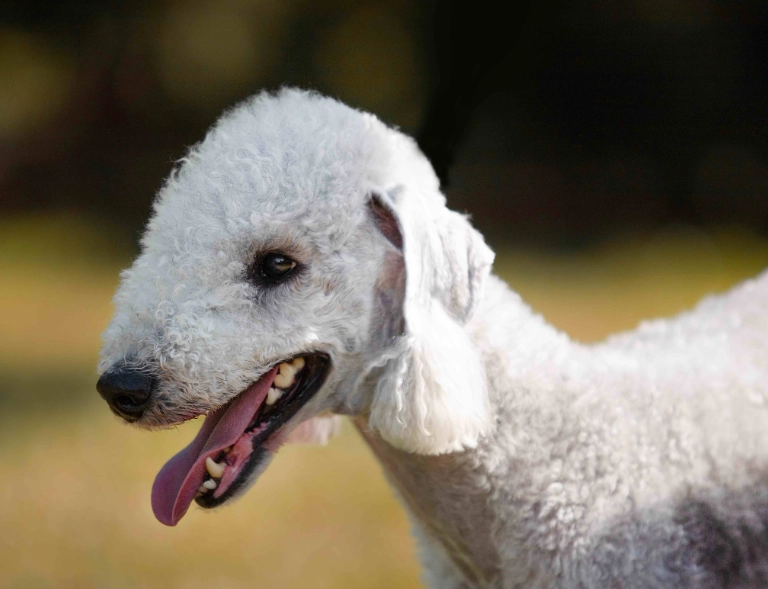
What Does an Ungroomed Bedlington Terrier Actually Look Like?
It's not a scary sight. An ungroomed but well-maintained Bedlington loses the sharp, sculpted lines of the show clip. The head grows rounder and fuller, losing the distinct topknot. The body looks more like a fluffy oval than an arched lamb. The legs get "pantaloons," and the tail becomes a plump bottlebrush.
Frankly, it can look a bit scruffy. But there's a charming, old-fashioned terrier look to it that many owners adore. The color might also appear different—less silvery and more of a blended, tweedy hue as the lighter tips grow out.
Ungroomed vs. Groomed: Which Style is Right for Your Bedlington?
This isn't an all-or-nothing choice. Most pet owners operate on a spectrum. Here’s a breakdown to help you decide your approach.
| Factor | Primarily Ungroomed (Full Coat) | Regularly Professionally Groomed |
|---|---|---|
| Time Commitment | High at home. Daily/every-other-day brushing is mandatory. | Moderate. Lower daily upkeep, but requires trips to the groomer every 6-8 weeks. |
| Cost | Lower professional cost. You might only see a groomer 2-3 times a year for a sanitary trim or shape-up. | Higher professional cost. Regular groomer visits are a fixed expense. |
| Dog's Comfort | Can be warmer in summer. Risk of discomfort if home care lapses. | Generally cooler and cleaner. The classic trim keeps hair out of eyes and away from sanitary areas. |
| Coat Health | Requires expert-level home care to maintain skin health and prevent mats. | Easier for professionals and owners to monitor skin and coat condition. |
| Best For | Dedicated owners who enjoy grooming, live in cooler climates, or prefer a natural look. | Busy owners, those in warm climates, or anyone who loves the iconic Bedlington silhouette. |
My personal take? A hybrid model works best for most people. Keep the body coat at a manageable length (1-2 inches) with occasional professional trims, but maintain it meticulously at home. This gives you the charming texture without the overwhelming maintenance of a full, untouched coat.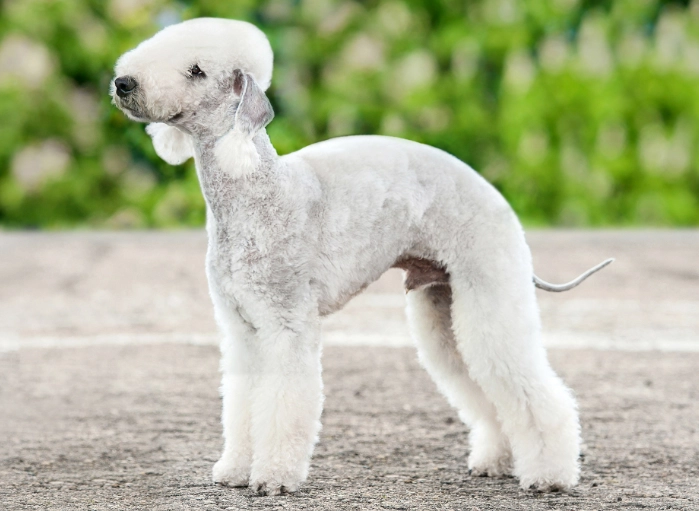
Your Ungroomed Bedlington Terrier Questions Answered
The bottom line on the "Bedlington Terrier ungroomed" life is this: it's a commitment to understanding and working with a remarkable coat, not against it. It's not easier than regular grooming, just different. But for those who put in the time, the reward is a deep connection with your dog and the satisfaction of maintaining one of the canine world's most unique features in its natural, beautiful state.
Reader Comments