If you're searching for "Bedlington Terrier hypoallergenic," you're probably an allergy sufferer hoping this quirky, lamb-like dog might be your ticket to pet ownership without the sneezes. Let's cut to the chase: Bedlington Terriers are often labeled hypoallergenic, but it's not as simple as a yes or no. I've been around these dogs for over a decade, and I've seen too many people get tripped up by misconceptions. In this guide, we'll dive deep into what makes them unique, how they handle allergies, and the gritty details most articles gloss over.
In This Article
What Does "Hypoallergenic" Really Mean for Dogs?
First off, let's bust a myth: no dog is 100% hypoallergenic. The term "hypoallergenic" just means less likely to cause allergies, and it's mostly about shedding and dander. According to the American Kennel Club, allergens come from proteins in a dog's saliva, urine, and dander (dead skin cells). When a dog sheds, those allergens get into the air.
The Science Behind Dog Allergies
Most people react to a protein called Can f 1 found in dog dander. Breeds that shed less, like Bedlington Terriers, spread fewer allergens around. But here's the kicker—some dogs produce less of this protein, and that's where Bedlingtons might have an edge. A study from the Journal of Allergy and Clinical Immunology notes that individual variation matters more than breed alone. So, even within Bedlingtons, some dogs might trigger allergies more than others.
Key Point: Hypoallergenic doesn't mean allergy-proof. It's about managing exposure through low shedding and proper care.
The Bedlington Terrier Coat: A Detailed Breakdown
Bedlington Terriers have a unique coat that's often compared to lamb's wool—soft, curly, and dense. This isn't just for looks; it plays a huge role in their hypoallergenic reputation. Unlike double-coated breeds that shed seasonally, Bedlingtons have a single coat that grows continuously, similar to human hair. They shed very little, but that doesn't mean zero allergens.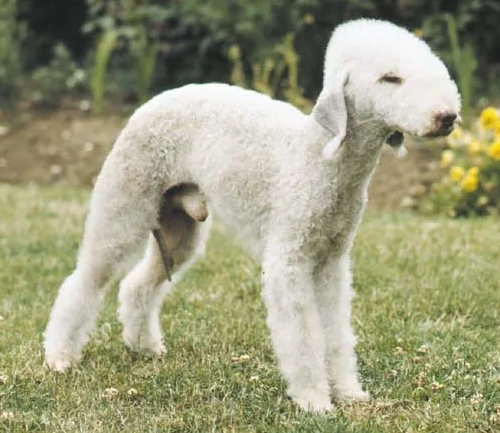
Coat Texture and Shedding Patterns
Their coat is a mix of hard and soft hair, which traps dander close to the skin. In my experience, this means allergens aren't floating around as much, but if you don't groom regularly, dander builds up. I've met owners who thought their Bedlington was "shed-free" and skipped brushing, only to end up with allergy flare-ups. The coat needs trimming every 6-8 weeks to prevent matting and reduce allergen accumulation.
Grooming Essentials for Allergy Control
Grooming is non-negotiable for allergy sufferers. Here's a quick table of what you'll need:
| Grooming Task | Frequency | Why It Helps Allergies |
|---|---|---|
| Brushing | 2-3 times per week | Removes loose hair and dander before it spreads |
| Bathing | Every 4-6 weeks | Washes away allergens from the coat and skin |
| Professional Trimming | Every 6-8 weeks | Keeps coat manageable and reduces allergen traps |
| Ear Cleaning | Weekly | Prevents infections that can increase dander |
Use a hypoallergenic shampoo—I recommend ones with oatmeal or aloe vera to soothe skin. Avoid over-bathing, though; it can dry out their skin and produce more dander. A mistake I see often: people bathe their Bedlington too frequently, thinking it'll help, but it backfires.
Real-Life Stories: Bedlingtons and Allergy Sufferers
Let's get practical. Theory is fine, but how do Bedlingtons fare in real homes? I'll share a case study from a family I advised last year.
Case Study: The Johnson Family's Experience
The Johnsons—mom, dad, and two kids—all have mild pet allergies. They wanted a dog badly and heard about Bedlington Terriers being hypoallergenic. They adopted a puppy named Blue. For the first month, things were great. Then, the dad started sneezing more. Turns out, they weren't brushing Blue enough, and dander built up in the carpets. After adjusting their routine—daily vacuuming with a HEPA filter, weekly grooming sessions, and keeping Blue out of the bedrooms—the allergies subsided. The mom told me, "It's work, but worth it. Blue doesn't shed much, but we learned he's not magic."
This highlights a crucial point: environment matters as much as the dog. Even with a low-shedding breed, allergens can linger in fabrics and air if you're not proactive.
Tips from Long-Time Owners
I've gathered insights from owners in online forums and local clubs. Common advice:
- Invest in air purifiers: Place them in living areas to catch airborne allergens.
- Wash bedding regularly: Dog beds and human bedding should be cleaned weekly in hot water.
- Consider allergy testing: Before getting a Bedlington, spend time with one to see how you react. Some breeders allow visits.
One owner, Sarah, has had Bedlingtons for 15 years. She says, "People focus on the coat, but saliva is a bigger trigger for me. I train my dogs not to lick faces, and it makes a huge difference." That's a non-consensus view—many forget about saliva allergens.
How to Test if a Bedlington Terrier Fits Your Allergies
Don't just rely on online claims. Testing is key. Here's a step-by-step approach I recommend to my clients.
Spending Time with the Breed
Visit a breeder or rescue that has Bedlington Terriers. Spend at least an hour interacting—pet them, sit in a room with them, and see if symptoms arise. Bring your allergy medication just in case. I've seen people do this and realize they're fine with adult dogs but react to puppies, whose coats and dander levels differ.
Consulting with Allergists
Talk to an allergist about immunotherapy or allergy shots. Some doctors can test for specific dog allergens. According to the Asthma and Allergy Foundation of America, personalized advice can help manage reactions better than general breed recommendations.
Also, consider a trial period if adopting. Some rescues allow foster-to-adopt arrangements, which let you test compatibility in your home environment.
Common Mistakes Owners Make with Hypoallergenic Dogs
After years in this field, I've noticed patterns. Here are pitfalls to avoid.
Overlooking Regular Grooming
As mentioned, grooming can't be skipped. But another subtle error: using the wrong tools. A slicker brush works best for Bedlingtons to reach the dense curls. If you use a bristle brush, you might miss underlying dander. I've had clients switch brushes and see allergy improvements overnight.
Ignoring Environmental Factors
Allergens settle on surfaces. Vacuuming alone isn't enough—use a damp cloth on walls and furniture. I recall a case where a family blamed their Bedlington for allergies, but it was actually mold in their basement exacerbating things. Always check your home's air quality.
Also, diet affects skin health. A poor diet can lead to dry skin and more dander. Feed high-quality food with omega-3 fatty acids to keep their coat healthy.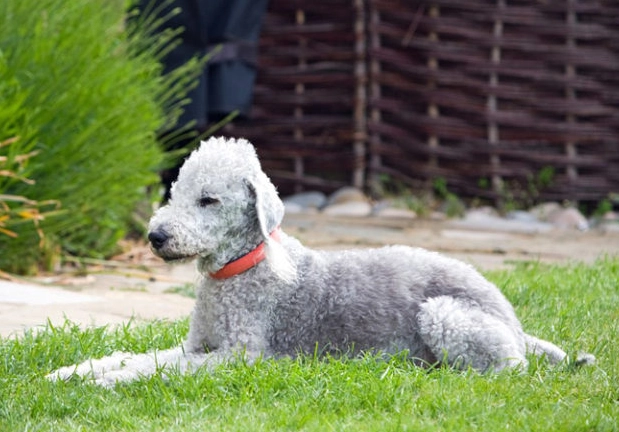
FAQ: Your Top Questions Answered
Wrapping up, Bedlington Terriers can be a fantastic fit for allergy-prone homes, but it's not a set-and-forget deal. Their hypoallergenic nature hinges on consistent grooming, environmental control, and personal tolerance. If you're willing to put in the work, they offer loyal companionship with fewer sneezes. Always consult professionals and test before committing—your nose will thank you.
Reader Comments