Let's cut straight to the point. If you're searching "are bloodhounds aggressive," you're likely either considering bringing one of these gentle giants into your home and have heard conflicting things, or you're living with one and seeing some concerning behaviors. The short, direct answer is this: Bloodhounds are not inherently aggressive dogs. In fact, their breed standard, as outlined by the American Kennel Club, describes them as affectionate, patient, and somewhat stubborn, but notably not aggressive. However, like any dog breed weighing up to 110 pounds, the potential for problematic behavior exists if their needs are misunderstood or mismanaged. A fearful or poorly socialized bloodhound can develop issues. This guide isn't about scaring you; it's about giving you the real, nuanced picture from the ground up—the one you won't get from a generic breed summary.
What You'll Find in This Guide
Understanding the Bloodhound's Core Temperament
You can't talk about behavior without first knowing what you're dealing with. A Bloodhound is a scent hound, first and foremost. Their brain is wired for one primary mission: to follow a scent trail. This single-minded focus is the key to understanding everything about them. When their nose is down, the rest of the world—including you calling their name—fades into background noise. This isn't disobedience in the classic sense; it's a genetic override.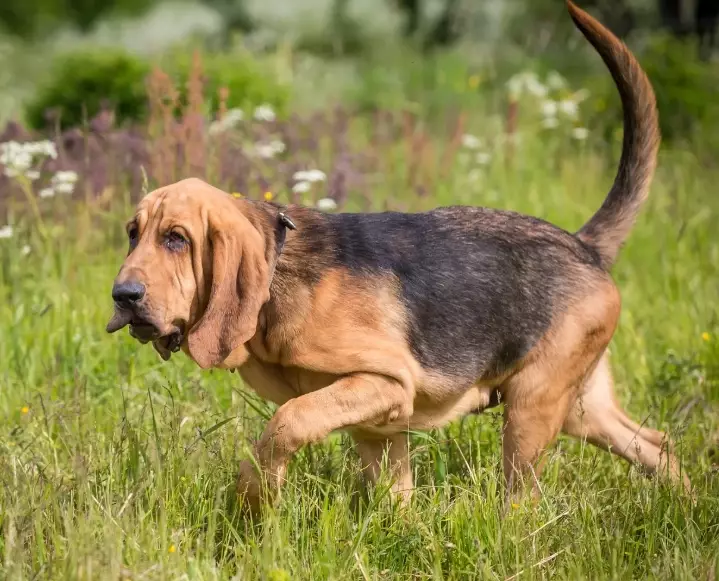
Their temperament is famously gentle and tolerant. I've seen Bloodhounds calmly endure the clumsy hugs of toddlers and the pestering of puppies. They are pack-oriented dogs that thrive on companionship, both human and canine. They are not guard dogs. A typical Bloodhound is more likely to slobber on an intruder than challenge them. This placid nature is why aggression stands out so starkly when it appears—it's a major red flag that something is wrong.
A key point most breed profiles miss: The "stubborn" label is often a misunderstanding. What looks like stubbornness is usually either intense scent focus or a simple lack of motivation. They don't see the point in sitting on command for the 10th time when there's a fascinating smell wafting from the kitchen. Your training needs to be more interesting than the environment.
Are Bloodhounds Aggressive? The Nuanced Truth
So, do Bloodhounds have aggressive tendencies? Statistically, they rank very low among breeds for bite incidents. But statistics don't matter if it's your dog showing teeth. True, human-directed aggression is rare in well-bred, well-adjusted Bloodhounds. More common are dog-to-dog issues, often stemming from poor socialization or same-sex rivalry (especially between males).
The aggression you're more likely to encounter is resource guarding. A Bloodhound who loves food more than anything might grumble if you try to take their bowl or a prized chew. This isn't breed-specific, but with a dog this large, it can't be ignored.
Here’s a comparison to put their disposition in context:
| Breed Trait | Bloodhound | Common Misconception | Reality Check |
|---|---|---|---|
| Primary Drive | Scent/Tracking | Guarding/Protection | They follow scents, not patrol territories. |
| Response to Strangers | Typically aloof or friendly | Suspicious or aggressive | They may investigate a stranger for food or pets, not to challenge. |
| Family Demeanor | Affectionate, gentle, goofy | Distant or independent | They form strong bonds and can be velcro dogs. |
| Common Behavioral Issue | Stubbornness, howling, scent obsession | Aggression, dominance | Problem behaviors usually stem from boredom or unmet instinctual needs, not a desire to dominate. |
The bottom line? An aggressive Bloodhound is almost always a symptom, not a default setting. The cause is what we need to find.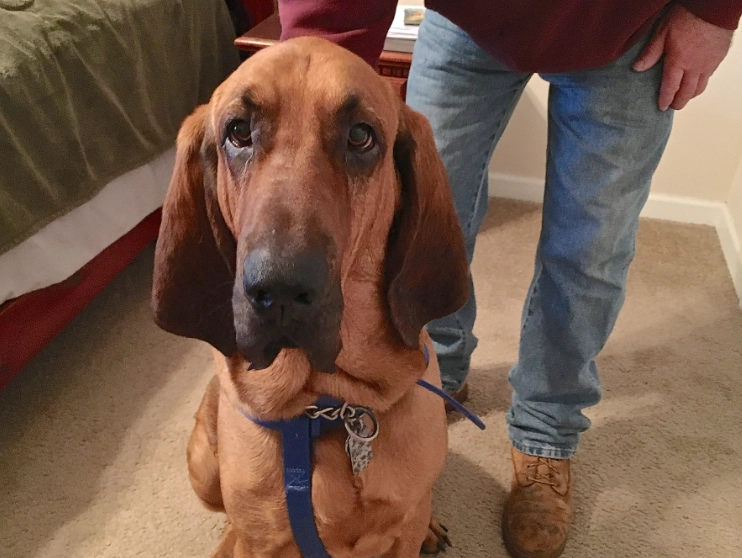
How to Prevent Aggression in Bloodhounds
Prevention is everything. It's far easier to build good habits than to fix bad ones. This starts the moment you bring your puppy or rescue dog home.
The 3 Most Common Triggers for Bloodhound Aggression
If aggression pops up, it usually links back to one of these:
- Fear or Anxiety: A scared dog is a defensive dog. Bloodhounds can be sensitive to loud noises, chaotic environments, or rough handling.
- Poor Socialization: A Bloodhound not exposed positively to various people, dogs, sounds, and experiences during its critical period (before 16 weeks) may perceive the unfamiliar as a threat later.
- Resource Guarding: Food, toys, beds, even favorite people. This is the most common form of "aggression" I'm consulted about.
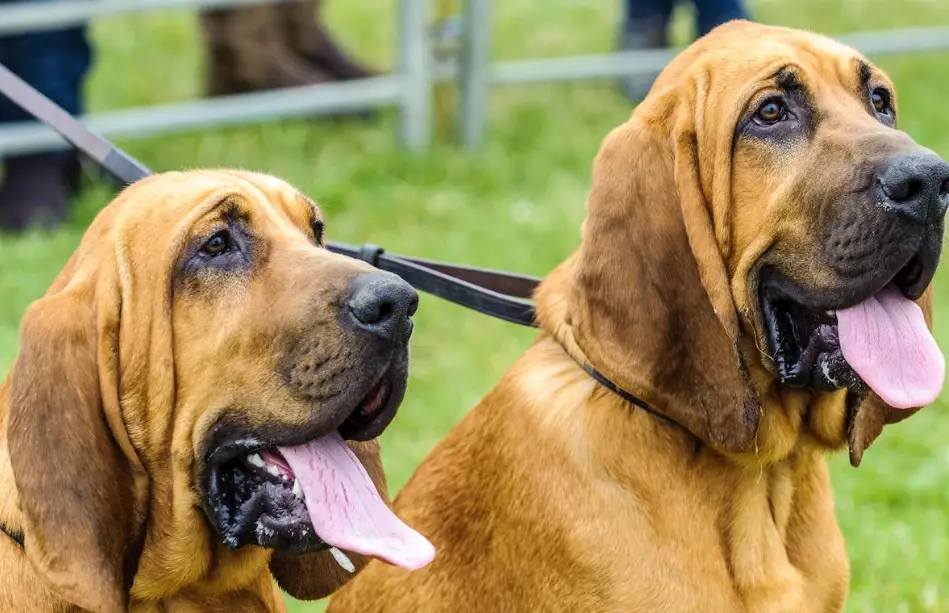
Let's talk socialization, because most people do it wrong. It's not just about meeting 100 dogs at the park. That can backfire. It's about controlled, positive exposures. Invite calm friends over. Let your pup observe children from a distance. Play recordings of thunderstorms at low volume while feeding treats. The goal is to build a library of "this is normal and safe" experiences.
For resource guarding, prevention is simple but requires consistency. Practice "trade-up" games from day one. Approach your puppy while they have a chew, offer a piece of chicken, and when they drop the chew to get the chicken, you pick it up, praise them, and give it back. You're teaching that your approach means something better is coming, not that their treasure is being stolen.
The big mistake I see: Owners mistake a Bloodhound's deep, rumbling bark or groan for aggression. These dogs are vocal. They groan in contentment, bay in excitement, and sigh dramatically. Learn your dog's normal sounds so you can accurately identify a true, low-pitched growl that signals discomfort.
Training That Actually Works for Bloodhounds
Forget harsh corrections. They shut down a sensitive hound. Use their motivators: food and scent. Training sessions should be short, fun, and smell-based. Hide treats for them to find. Use a long line in a safe area to practice recall with high-value rewards (liver, hot dogs). A mentally and physically exercised Bloodhound is a calm Bloodhound. A bored, under-stimulated Bloodhound will find its own fun—like chewing your doorframe—and then may guard that destruction from you.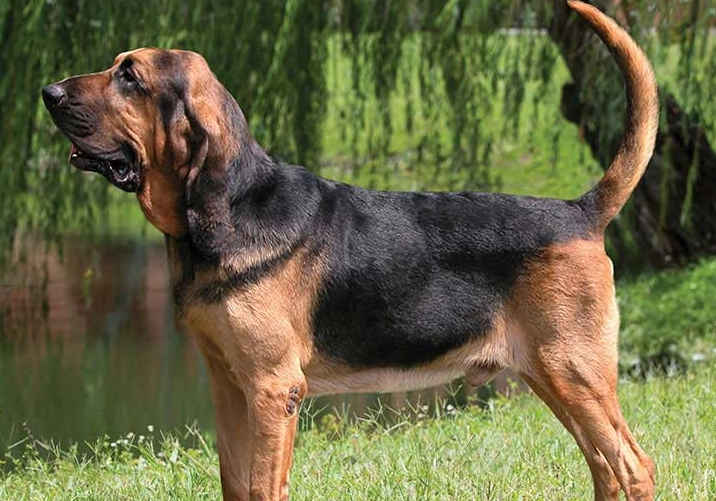
If Aggression Happens: Steps to Take
Okay, let's say you're seeing warning signs: a hard stare, stiff body, curled lip, or a growl. First, do not punish the growl. The growl is a communication. Punish it, and you teach the dog to skip the warning and go straight to a bite.
- Manage the Environment: Immediately prevent rehearsal of the behavior. If they guard the couch, block access to the couch. If they are tense around other dogs on walks, increase distance. Management is not failure; it's safety.
- Identify the Trigger: Be a detective. What exactly was happening? Who was nearby? What object was present? When and where did it happen? Patterns will emerge.
- Seek Professional Help: This is non-negotiable for actual aggression. Not just any trainer—look for a Certified Applied Animal Behaviorist (CAAB) or a veterinary behaviorist (Dip ACVB). Your regular vet can be a good referral source. Avoid anyone who promises quick fixes using dominance theory or aversive tools.
- Rule Out Medical Causes: Pain is a massive trigger for aggression. A dog with a sore hip or an ear infection may snap when touched. A full veterinary workup is your first stop. The American College of Veterinary Behaviorists has resources to find specialists.
I worked with a client whose 5-year-old male Bloodhound, Barnaby, started growling when his harness was put on. The owner thought it was dominance. Turns out, Barnaby had a subtle skin infection where the chest strap rubbed. Pain, not spite. The problem resolved with medication and a differently shaped harness.
Your Bloodhound Behavior Questions, Answered
Wrapping this up, the question "are bloodhounds aggressive" reveals a worry about safety and compatibility. You can put that worry largely to rest. These are not aggressive dogs. They are sensitive, driven, loving, and sometimes frustratingly single-minded companions. The path to a well-behaved Bloodhound isn't through dominance, but through understanding their unique scent-hound mind, providing clear and motivating guidance, and meeting their needs for mental and physical activity. Do that, and you'll be rewarded with one of the most uniquely affectionate and characterful companions imaginable.
Reader Comments