Quick Navigation: What You'll Find in This Guide
If you're looking at brown Border Collies, you might be wondering if they're different from the classic black-and-white ones. From my decade of experience with these dogs, I can tell you that the brown coat is just the tip of the iceberg. These dogs are bundles of energy and intelligence, and their color doesn't change their core herding instincts. But there are nuances that many owners miss, especially when it comes to grooming and sun exposure. Let's dive into what makes brown Border Collies unique, starting with the basics.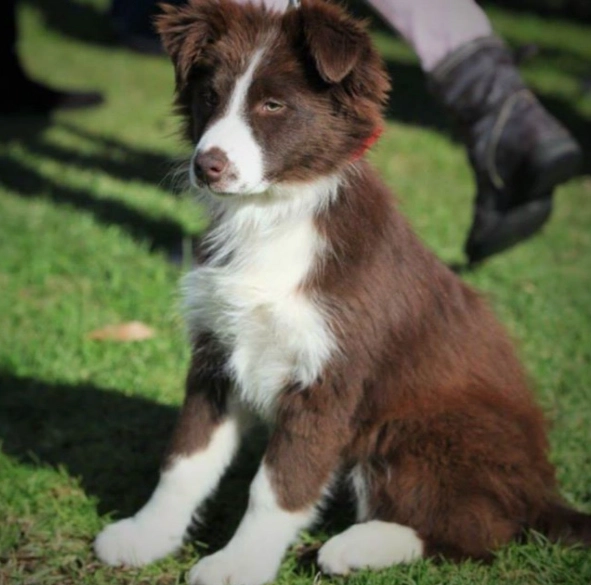
What is a Brown Border Collie?
Brown Border Collies, often called chocolate or liver, are a color variation of the Border Collie breed. According to the American Kennel Club, Border Collies come in various colors, and brown is one of the recognized shades. It's caused by a recessive gene that affects pigment production. I've seen many people assume brown Collies are mixed breeds, but that's a misconception—they're purebred if from reputable lines.
The brown coat can range from light tan to deep chocolate, sometimes with white markings. It's not just about looks; this color might influence certain care aspects. For instance, in my own dog, Max, a brown Border Collie I've had for 12 years, I noticed his coat fades faster in the sun compared to darker-colored Collies. That's something you won't find in most guides.
Key Traits of Brown Border Collies
These dogs share the same traits as other Border Collies: high intelligence, endless energy, and a strong herding drive. But here's a table to break down specifics:
| Trait | Description | Note for Brown Coats |
|---|---|---|
| Coat Type | Double coat, medium length | Brown fur may show dirt more easily |
| Energy Level | Extremely high | Requires at least 2 hours of exercise daily |
| Intelligence | Ranked among smartest dog breeds | Needs mental stimulation to prevent boredom |
| Herding Instinct | Strong, may nip at heels | Color doesn't affect this behavior |
| Common Colors | Black, white, brown, merle | Brown is less common but not rare |
One thing I've learned is that brown Border Collies aren't for everyone. Their energy can overwhelm first-time owners. I remember a friend who got one without realizing the commitment—it ended up chewing furniture out of boredom. So, before you fall for that cute brown puppy, assess your lifestyle.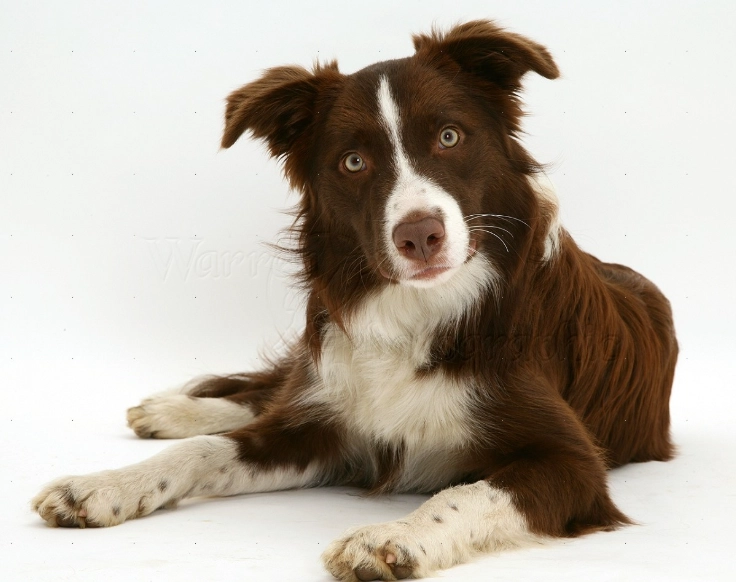
How to Care for a Brown Border Collie
Caring for a brown Border Collie goes beyond feeding and walking. It's about meeting their physical and mental needs. Let's break it down into grooming, exercise, and diet.
Grooming Needs for Brown Coats
Brown fur tends to show stains and dirt more than darker colors. You'll need to brush at least twice a week to prevent mats. Use a slicker brush and an undercoat rake during shedding seasons. I've found that a monthly bath with a gentle dog shampoo helps maintain the coat's shine, but over-bathing can dry out their skin.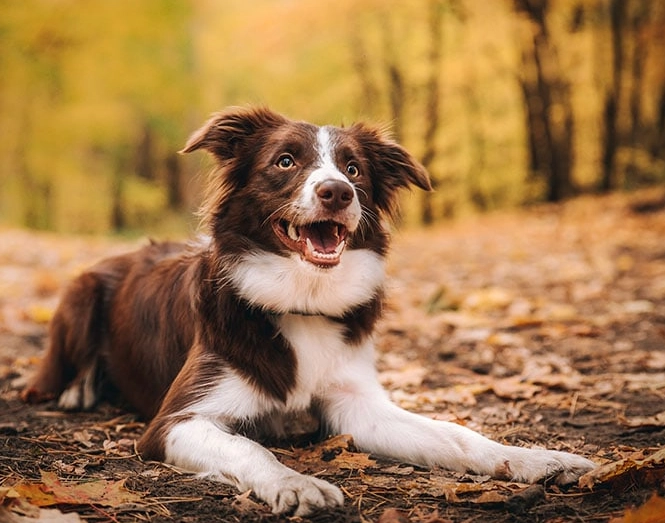
Pro tip: Apply dog-safe sunscreen on exposed skin areas, like the nose and ears, for brown Border Collies in sunny climates. Their lighter pigment makes them more prone to sunburn, a detail many owners overlook.
Exercise Requirements
These dogs need intense activity. A simple walk won't cut it. Aim for:
- Daily runs or hikes: At least 5 miles total.
- Interactive play: Fetch, agility courses, or herding balls.
- Mental challenges: Puzzle toys or training sessions.
From my experience, if you skip exercise, they become destructive. Max once dug up my garden after I was too busy for his usual run. It's a clear sign of pent-up energy.
Diet and Nutrition
Feed high-quality dog food rich in protein. Brown Border Collies aren't different in dietary needs, but monitor their weight—they can gain easily if under-exercised. I recommend consulting a vet for portion sizes based on activity level.
Training Tips for Brown Border Collies
Training is crucial for these smart dogs. They pick up commands fast, but consistency is key. Here's how to avoid common pitfalls.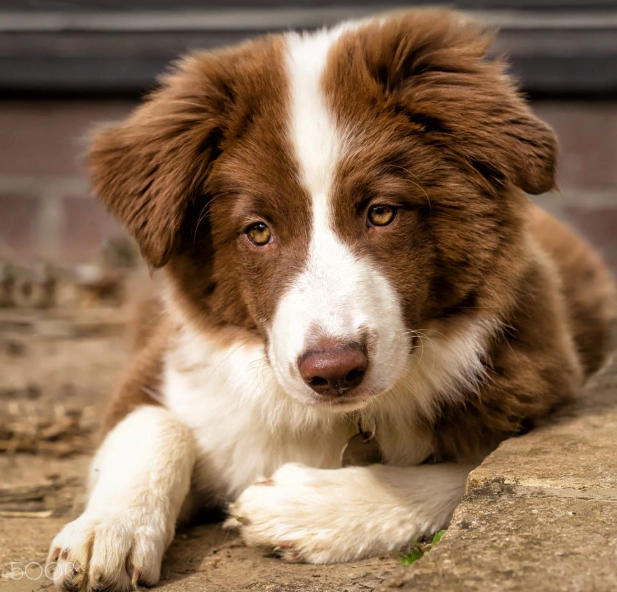
Start Early and Socialize
Begin training as puppies. Socialize them with other dogs and people to curb herding instincts around strangers. I made the mistake of delaying socialization with Max, and he became wary of new faces. It took months to correct.
Use Positive Reinforcement
Reward-based training works best. Avoid harsh methods—they can lead to anxiety. Incorporate short, fun sessions to keep them engaged. For example, teach tricks like "spin" or "play dead" to stimulate their minds.
One nuanced point: brown Border Collies might be more sensitive to tone of voice. I've noticed Max responds better to calm, firm commands rather than loud ones. It's a subtle thing that can improve training outcomes.
Health Considerations for Brown Coats
Brown Border Collies share common health issues with the breed, but coat color can hint at specific risks. According to the Orthopedic Foundation for Animals, Border Collies are prone to hip dysplasia and eye problems. However, brown coats might be linked to a higher chance of skin allergies due to pigment-related genes.
Regular vet check-ups are essential. Watch for signs like excessive scratching or lethargy. I schedule bi-annual visits for Max to catch issues early. Also, consider genetic testing from breeders to screen for conditions like Collie Eye Anomaly.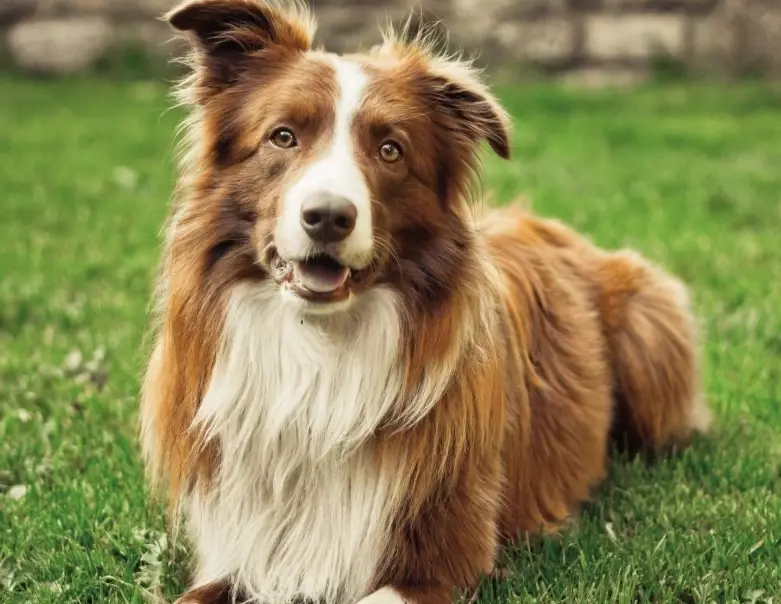
Common Health Problems
- Hip Dysplasia: Common in active breeds; maintain a healthy weight.
- Epilepsy: Can occur; monitor for seizures.
- Skin Allergies: More frequent in brown coats; use hypoallergenic products.
A study from the University of California, Davis, suggests that liver-colored dogs might have increased sun sensitivity, so provide shade outdoors.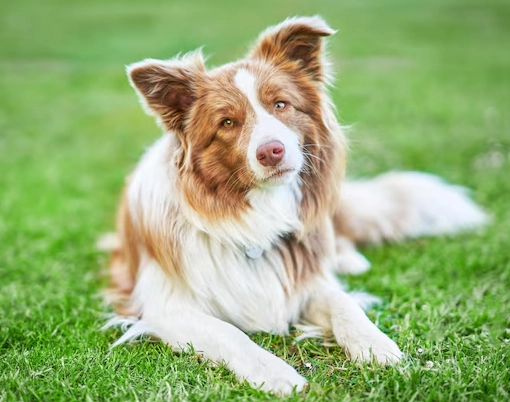
Common Questions Answered
Wrapping up, brown Border Collies are fantastic companions if you're prepared for their demands. Their coat color adds a unique twist, but it's their personality and needs that define them. Whether you're a seasoned owner or a beginner, focus on providing structure and engagement. And remember, every dog is an individual—my Max has his quirks, but that's what makes the journey rewarding.
Reader Comments