Let's cut to the chase. You're probably looking at pictures of those majestic, shaggy Briards with their expressive eyes and thinking, "What's the catch?" The coat looks incredible, but the maintenance must be a nightmare, right? And the big question: do Briard dogs shed all over my black pants and sofa?
The short, direct answer is: Briards are considered a low-shedding breed. They don't "blow coat" like a Husky or Labrador. You won't find tumbleweeds of fur rolling across your floor every day. But—and this is a massive "but"—low shedding does NOT mean low maintenance. In fact, it often means the exact opposite. Their unique double coat is a trap for the unprepared owner. I've seen too many people adopt a Briard for its "hypoallergenic" reputation only to surrender it a year later, matted and miserable, because they couldn't handle the grooming. This guide will tell you the whole truth, not just the marketing slogan.
What’s Inside: Your Quick Guide to Briard Grooming
The Science of the Briard Coat: Why It’s “Low Shed”
To understand shedding, you need to understand the hair. Briards have a double coat, but it's nothing like a German Shepherd's.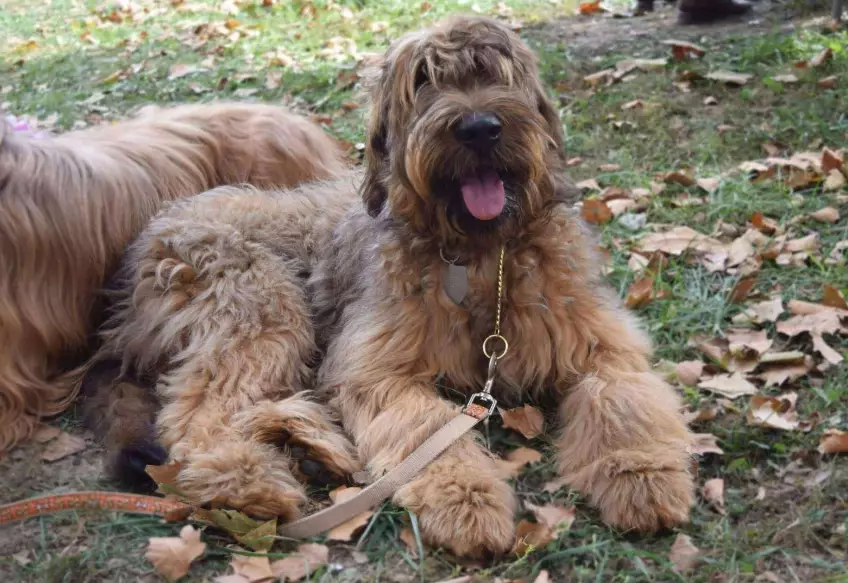
- The Undercoat: Fine, soft, and woolly. It's dense and provides insulation. This is the part that sheds—but it sheds internally. Instead of falling out onto your floor, the loose hairs get trapped by the outer coat.
- The Outer Coat (Guard Hair): Long, harsh, dry, and slightly wavy. It's described as "goat-like." This rough texture is what prevents the soft undercoat from escaping. It's also water-resistant.
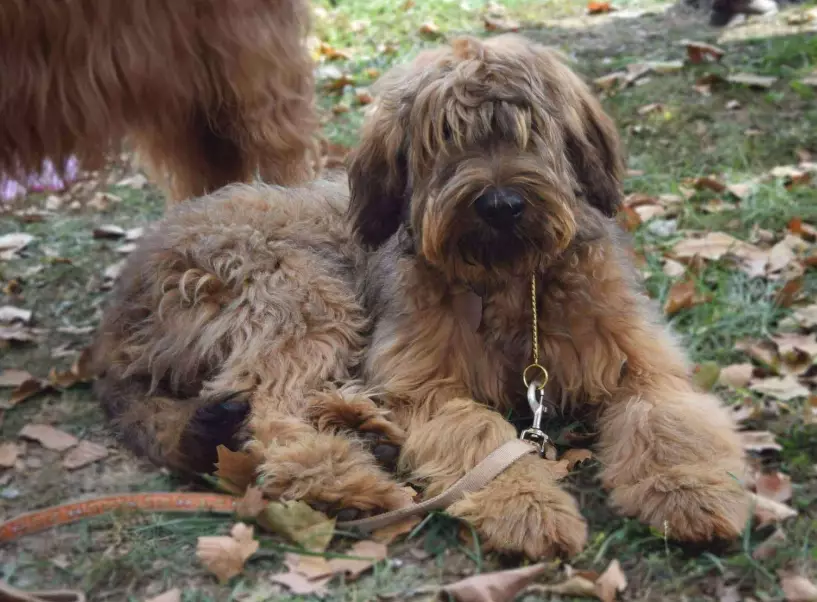
This setup is why you see "low shedding" on breed profiles. The loose hair isn't released into your environment; it's held captive within the coat matrix. This is the core of the Briard grooming paradox. The very feature that minimizes visible shedding creates a massive maintenance requirement. If you don't manually remove that trapped undercoat through brushing, it felts and mats against the skin. A mat isn't just a tangle; it's a tight, solid piece of fabric that pulls on the skin, restricts movement, traps moisture, and can lead to horrific skin infections.
The Grooming Reality: Time, Tools, and Real Cost
Forget the "brush once a week" advice you might read on casual forums. For a Briard, that's a recipe for disaster. Here’s what you're actually signing up for.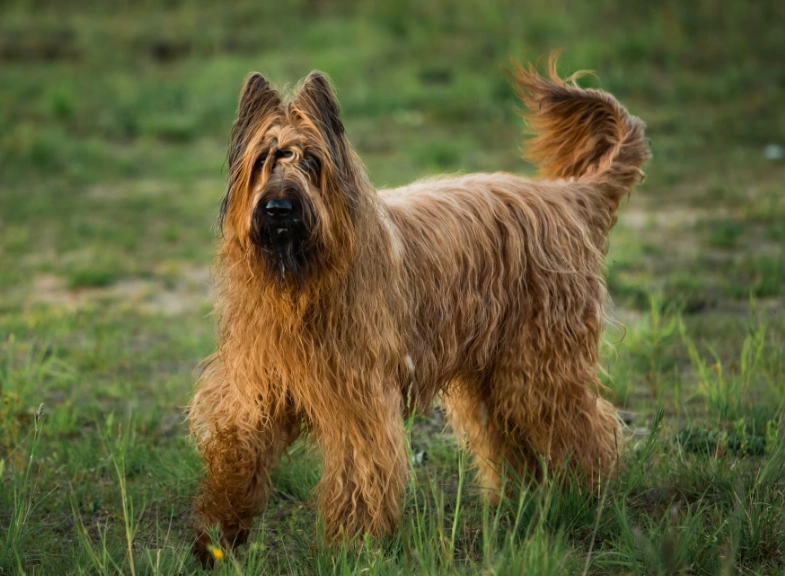
Your Weekly Non-Negotiable Routine
This isn't optional. It's as essential as feeding them.
- Frequency: A full, thorough brush-out 2-3 times per week. During seasonal changes (spring and fall), when they "blow" their undercoat more noticeably, you might need to do it daily for a few weeks.
- Time Investment: For an adult Briard with a full coat, budget 30-45 minutes per session. Puppies are quicker, but it's about building the habit.
- The Right Tools: Using the wrong brush is worse than using no brush. You need:
A high-quality slicker brush (like a Chris Christensen) to break up undercoat and small tangles.
A long-toothed metal comb (a greyhound comb) to check your work and get down to the skin. If the comb doesn't glide through every section from skin to tip, you're not done.
A detangling spray or conditioning spray is a lifesaver for dry hair and small knots.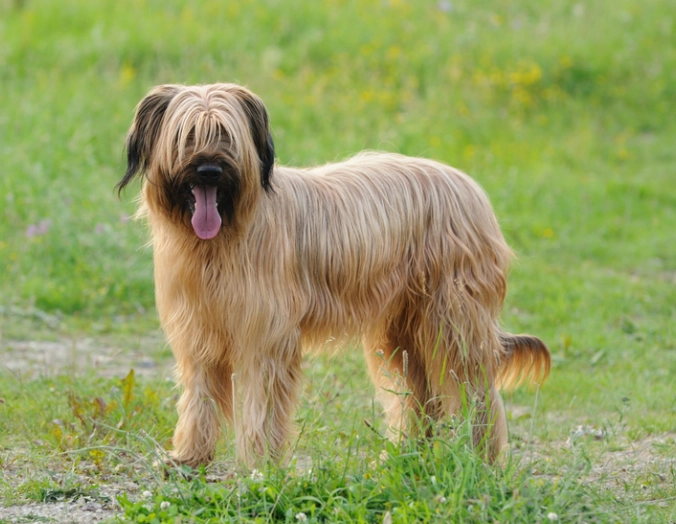
Professional Grooming: Not Just a “Sometimes” Thing
Even with perfect home care, you need a pro. Briard coats need shaping, and the hair between their paw pads and in their ears needs regular trimming to prevent issues.
| Service | Frequency | Estimated Cost (USD) | Why It's Critical |
|---|---|---|---|
| Full Groom (Bath, Dry, Brush, Haircut/Trim) | Every 6-8 weeks | $90 - $150+ | Prevents matting, maintains coat health, trims sanitary areas. |
| "Touch-up" or Maintenance Bath & Brush | Between full grooms (optional but helpful) | $60 - $90 | Keeps coat manageable, reduces home brushing time. |
| Paw Pad & Sanitary Trim | Every 3-4 weeks (can learn to do at home) | $15 - $25 | Prevents slipping on floors, keeps area clean, avoids matting between toes. |
The annual cost for professional grooming alone can easily hit $800-$1,200. This is a significant, recurring expense most first-time owners don't fully account for.
Is a Briard Right for Your Family? A Honest Checklist
Don't just ask if they shed. Ask if you can handle everything that comes with the coat.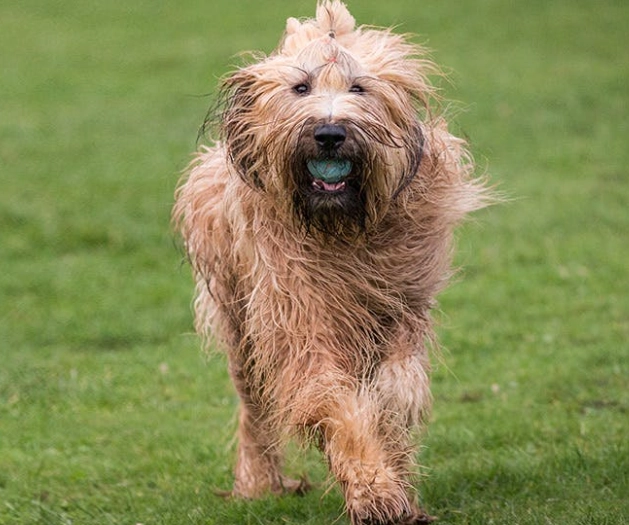
Think twice if: Your life is chaotic and unpredictable. You travel frequently without your dog. The thought of weekly 45-minute brushing sessions makes you groan. Your budget is very tight. You have young children who might not respect the dog's space during grooming. You want a "wash and wear" dog.
Briards and Allergies: Separating Hope from Hype
This is a major point of confusion. "Low shedding" gets conflated with "hypoallergenic." The American Kennel Club and other reputable bodies note that no dog is 100% hypoallergenic.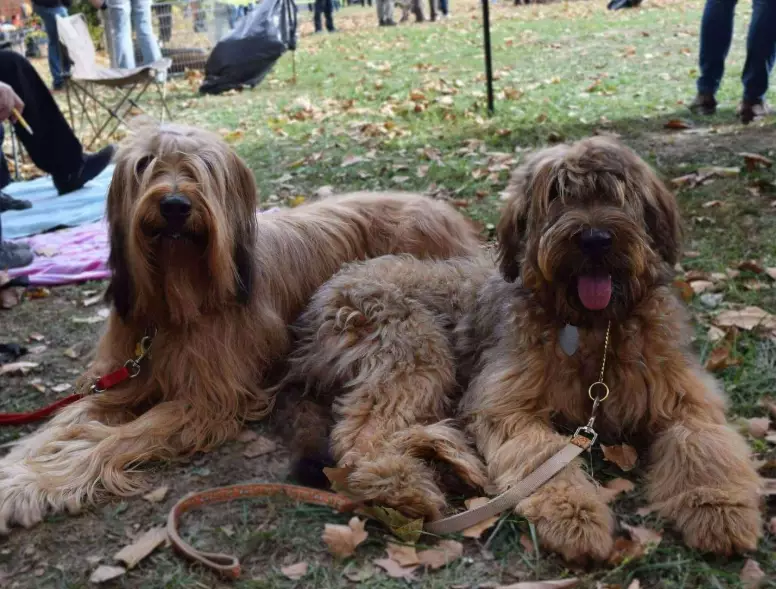
Allergies are primarily triggered by a protein found in dog dander (dead skin flakes), saliva, and urine, not just hair. Because Briards shed less dander-carrying hair into the environment, they may be better for some allergy sufferers. However, they still produce dander and saliva.
The real test: Spend extended, repeated time with an adult Briard before committing. Visit a breeder's home, stay for a few hours, see how you react. Don't rely on a 10-minute puppy cuddle. Allergies can build up over exposure.
3 Costly Mistakes New Briard Owners Make
After talking to breeders, groomers, and vets for years, these are the patterns I see.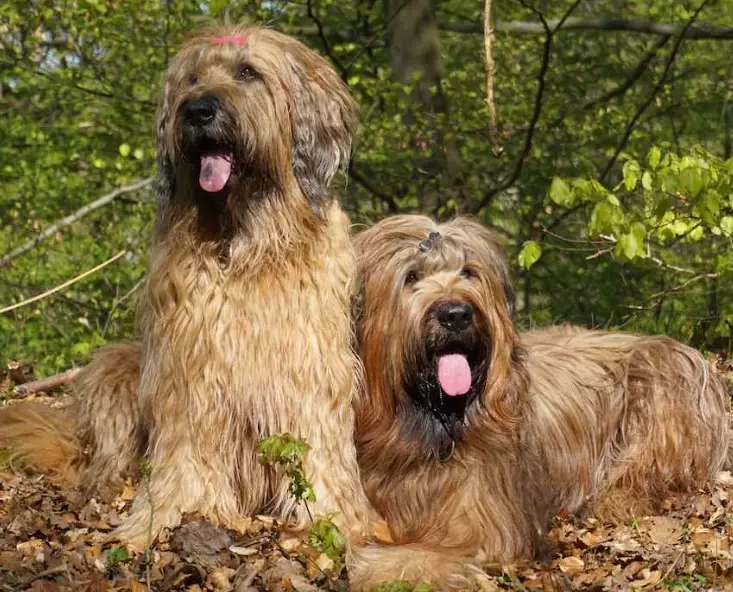
- Brushing the Top Only (The "Deception Brush"). You run a brush over the surface, the top looks beautiful, and you call it a day. Meanwhile, a solid mat is forming close to the skin where the comb never reaches. Always comb to the skin.
- Bathing a Dirty, Unbrushed Coat. Water and shampoo will tighten any existing mats or loose undercoat into a solid, impenetrable felt. Always do a full brush-out BEFORE any bath.
- Shaving the Coat to "Solve" the Problem. This is the nuclear option and usually a terrible idea. The Briard's double coat regulates temperature. Shaving it can ruin its texture (it may grow back soft and cottony, losing its protective qualities) and expose the skin to sunburn. Only shave under a vet's direction for medical reasons.
Your Briard Shedding & Care Questions Answered
So, do Briard dogs shed? Technically, very little ends up on your floor. But what they do shed gets trapped, demanding your time, skill, and money in return. It's a trade-off. If you provide the meticulous care their magnificent coat requires, you'll be rewarded with a breathtakingly beautiful, clean companion who truly lives up to the "low-shedding" label. If you don't, you'll both pay the price. Choose with your eyes wide open.
Reader Comments