So you're thinking about bringing home a Boykin Spaniel puppy. That little bundle of brown energy and floppy ears isn't just a pet; you're signing up for a lifelong partnership with one of the most versatile, driven, and affectionate dogs out there. I've raised a few of these dogs over the years, and let me tell you, they're not your average backyard pup. They're a project, in the best way possible. This guide cuts through the generic puppy advice and dives into what it really takes to raise a Boykin Spaniel from a wiggly puppy into a confident, well-mannered companion, whether your goal is a master retriever or the star of your living room.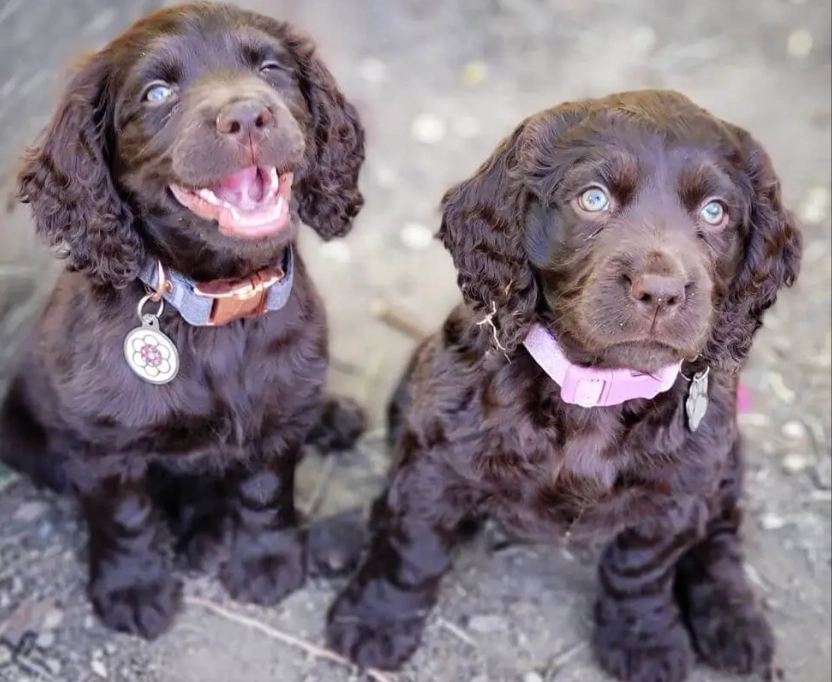
What's Inside?
What Makes a Boykin Spaniel Puppy Tick?
Understanding their origin is key. Bred in South Carolina for hunting turkey and later waterfowl, the Boykin is a compact, powerful flushing and retrieving machine. That heritage isn't just trivia; it's wired into your puppy's brain.
You'll see it in their obsessive chase instinct for anything that moves (squirrels, leaves, kids' toys). You'll feel it in their relentless energy. And you'll benefit from their deep-seated desire to work with you. They're not independent thinkers like some hounds; they want to be your teammate. This makes them incredibly trainable, but it also means they can develop neurotic behaviors if left mentally idle.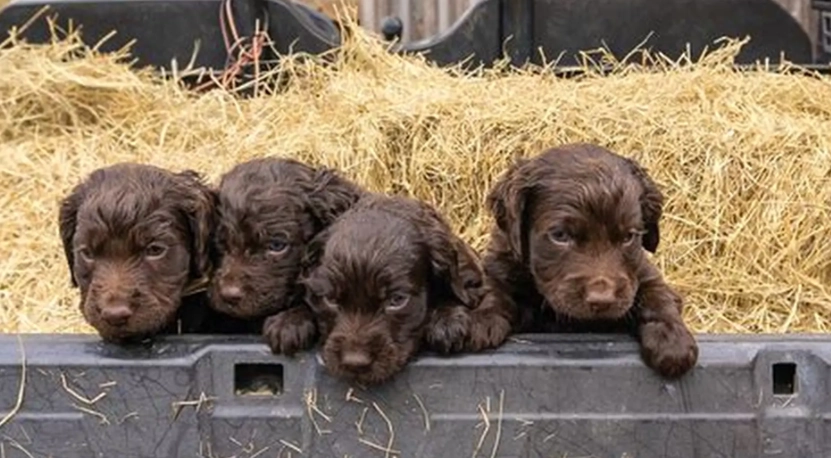
Boykin Spaniel Puppy Temperament: The Good, The Wiggly, The Chewy
Expect a puppy that is: Eager to please, highly social, mouthy (retrievers carry things, and puppies explore with their mouths), and water-obsessed. Puddles, bowls, hoses—it's all a swimming pool to them. They are typically great with kids and other dogs, thanks to their social nature, but that same friendliness means they can struggle with being alone.
The First 48 Hours: Puppy-Proofing Your Life
Bringing your puppy home is chaos. Let's plan for it. Before they arrive, your house needs to transform.
- Safe Zone: Set up a crate or pen in a busy part of the house (kitchen, living room). This is their den, not a prison. Make it cozy with a washable bed and a safe chew toy.
- Puppy-Proofing Audit: Get on your hands and knees. Look for electrical cords, toxic plants (check the ASPCA list), small objects they can swallow, and loose rugs they can ruin. Boykins are curious and agile.
- The First Night: It will whine. It's scary. Keep the crate next to your bed. A hot water bottle wrapped in a towel and a ticking clock can mimic littermates. Resist bringing them into bed—it sets a precedent that's hard to break.
My first Boykin, Sam, spent his first night chewing the corner of my drywall. I missed a spot in the audit. Learn from my error.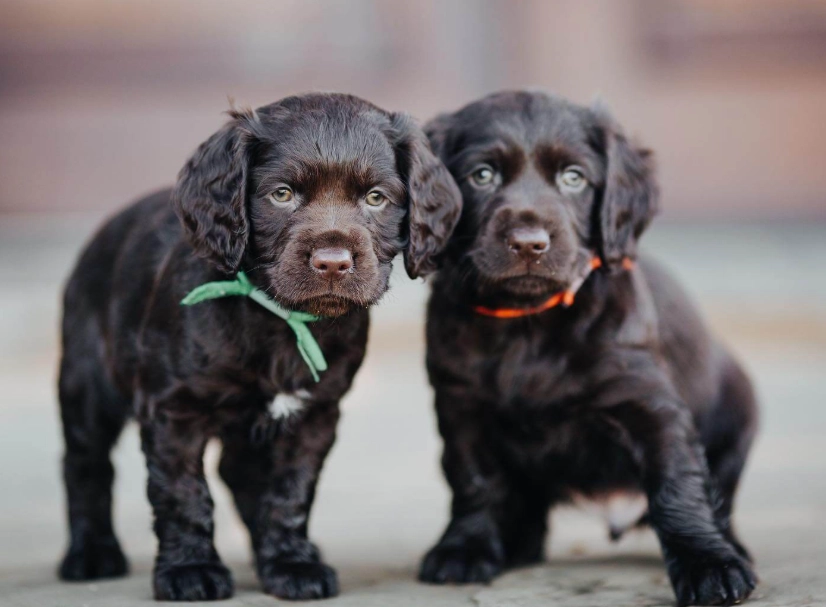
Fueling the Engine: Boykin Puppy Feeding & Nutrition
These are athletic dogs with specific needs. A generic store-brand puppy food often won't cut it. You need a diet that supports rapid growth, high energy, and joint health.
Look for a high-quality puppy formula, ideally one labeled for "active" or "sporting" breeds. The first ingredient should be a named meat (chicken, salmon, lamb). Be wary of foods heavy in corn, wheat, or vague "meat by-products."
| Age | Meals Per Day | Key Nutritional Focus | Common Pitfall to Avoid |
|---|---|---|---|
| 8-12 Weeks | 4 | Easy digestion, DHA for brain development | Overfeeding; follow package guidelines based on projected adult weight (30-40 lbs for Boykins). |
| 3-6 Months | 3 | Controlled calcium/phosphorus for steady bone growth | Free-feeding (leaving food out all day). This ruins potty training and fails to teach food motivation for training. |
| 6-12 Months | 2 | Joint supplements (like glucosamine) can be introduced; maintain lean body condition | Switching to adult food too early. Most Boykins need puppy food until 12-14 months. |
A note on treats: Use them! Training is your lifeline. Use small, soft, smelly treats (like chopped-up hot dogs or commercial training treats). Reserve part of their daily kibble for training sessions to avoid overfeeding.
Training Foundations: Beyond Basic Commands
Formal obedience is important, but with a Boykin, you need to think bigger. Your training goals should channel their natural instincts.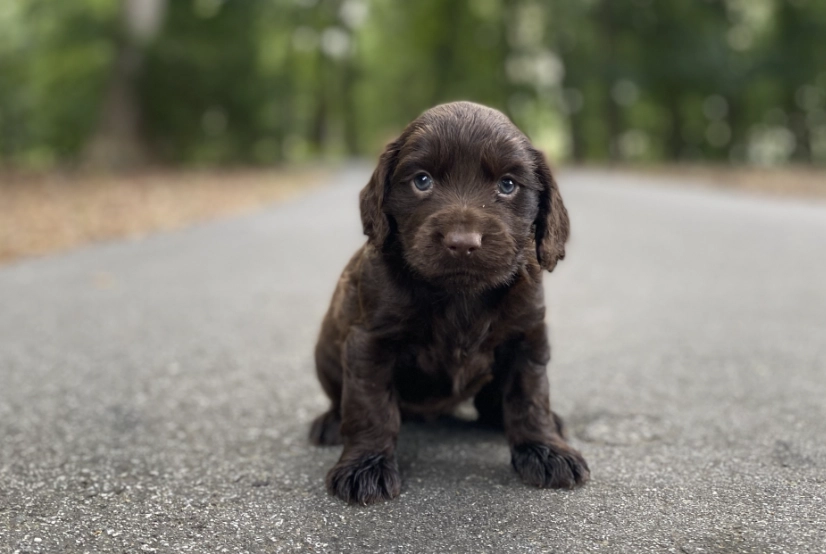
Priority #1: Bite Inhibition & Mouth Manners
All puppies nip. Boykins, with their retrieving heritage, are pros. When those needle teeth grab your hand, let out a high-pitched "Yelp!" and immediately stop play, turning away for 30 seconds. This mimics how littermates teach each other. Consistency here is everything. Never punish, just teach that biting skin ends the fun.
Priority #2: The Name Game and Recall
Their name should mean "Look at you, good things happen!" Say their name, when they look, mark with a "Yes!" and treat. Do this everywhere. Recall ("come") is your most important safety command. Start indoors on a leash. Say "Sam, come!" cheerfully, gently pull them to you, and throw a party when they arrive. Never call them to you for something they perceive as negative (like ending playtime or a bath).
Priority #3: Introducing the Crate & Potty Training
The crate is a management tool, not a cure-all. Feed meals in it. Toss treats inside. Make it the source of all amazing chews. A common error is only using the crate for punishment or leaving the puppy in too long. A good rule: Puppy's age in months = max hours in crate (a 3-month-old can do 3 hours, then needs a potty break).
For potty training, take them out:
- Immediately after waking up.
- Immediately after eating/drinking.
- After intense play.
- Every 45-60 minutes during the day.
Praise lavishly when they go outside. If you catch them mid-accident indoors, interrupt with a clap, say "Outside!" and rush them out. Clean indoor accidents with an enzymatic cleaner to remove the scent.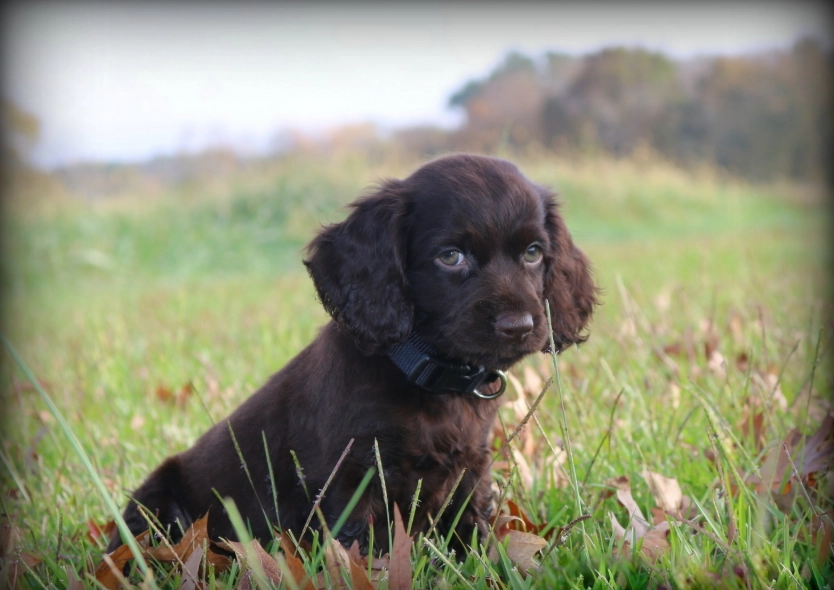
The Non-Negotiables: Socialization & Exercise
This is where Boykins are made or broken. Socialization isn't just meeting other dogs. It's positive exposure to the world before 16 weeks: different people (hats, beards, uniforms), surfaces (grass, gravel, tile), sounds (vacuum, traffic, thunder recordings), and safe, vaccinated dogs. The goal is to build confidence, not overwhelm.
Exercise is non-negotiable. A tired Boykin is a good Boykin. But structured exercise is better than just letting them run wild. Short, frequent training sessions (5-10 minutes) drain mental energy. Fetch is their love language. Swimming is the ultimate exercise—it tires them out without stressing young joints. Start in shallow, calm water and let them explore.
Keeping Your Boykin Puppy Healthy
Start with a reputable breeder who tests the parents for common Boykin health issues like hip dysplasia, eye conditions (like CMR), and cardiac issues. Get your puppy's veterinary records and schedule a first vet visit within 72 hours.
Stick to the deworming and vaccination schedule your vet provides. Core vaccines are crucial. Discuss non-core vaccines (like Lyme or Leptospirosis) based on your location and hunting plans.
Don't forget:
- Grooming: Their curly coat needs regular brushing to prevent mats, especially behind the ears and under the legs. Get them used to brushing and nail trims early.
- Parasite Prevention: Monthly heartworm preventative and flea/tick control are essential, especially for dogs that will be in the woods and water.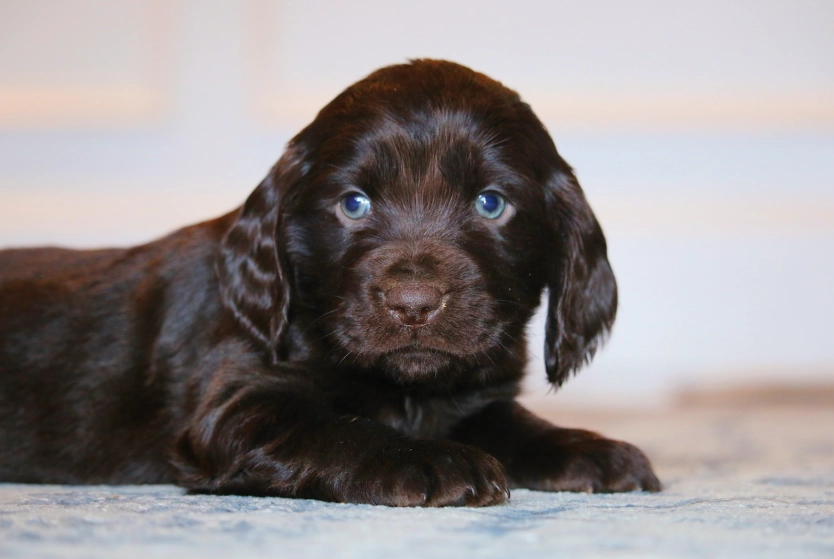
Your Boykin Puppy Questions Answered
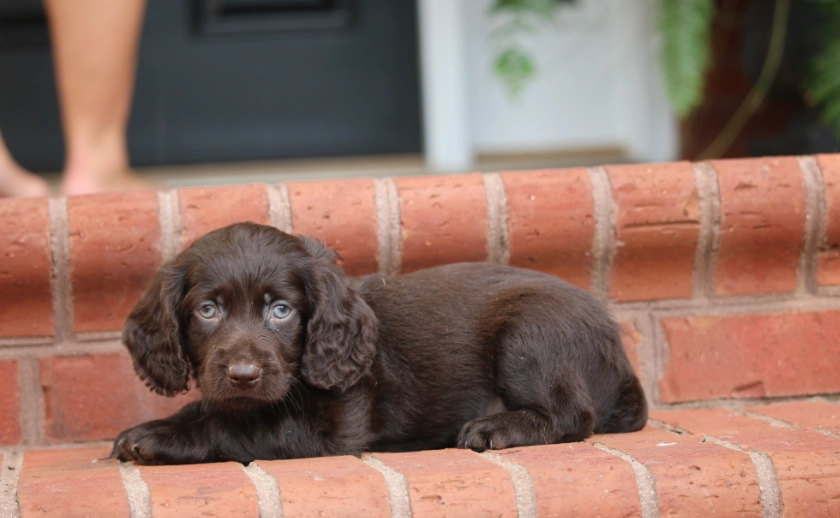 My puppy seems hyperactive and can't settle down, even after play. What's wrong?
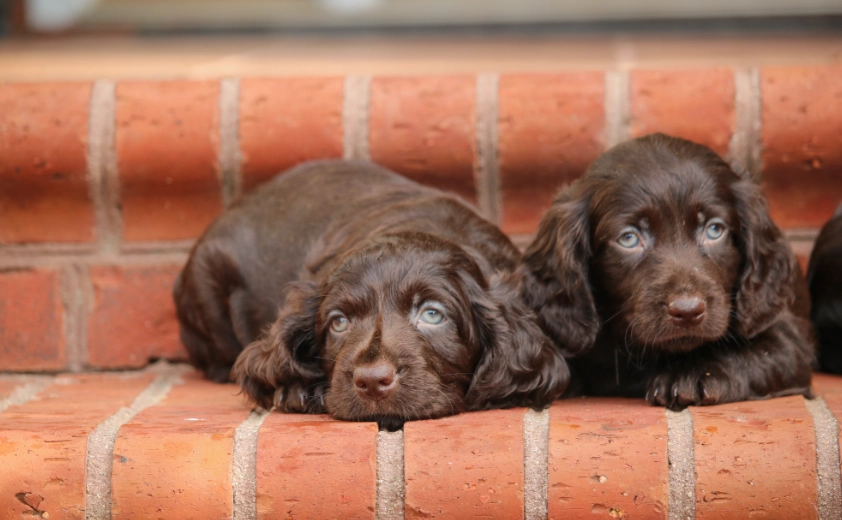 Raising a Boykin Spaniel puppy is an investment. It demands time, patience, and a sense of humor. There will be chewed shoes, puddles on the floor, and moments of sheer frustration. But the payoff is a dog that looks at you like you're the center of the universe, a partner on countless adventures, and a loyal, goofy, brown shadow for life. Do the work upfront, and you'll have a companion unlike any other.
Reader Comments