Let's talk about your Boykin Spaniel's weight. It's not just a number on a scale. That number is a direct line to their health, energy, and how many years they'll be by your side in the duck blind or on the couch. Most sources will tell you the same average range: 25 to 40 pounds. But as someone who's seen dozens of Boykins over the years, I can tell you that's just the starting point. The real story is in the why behind the weight and the how you manage it. An unfit Boykin isn't just a little chunky; they're at risk for joint problems, diabetes, and a shorter, less vibrant life. This guide dives deeper than the standard numbers, giving you the tools to assess, understand, and manage your Boykin's weight for the long haul.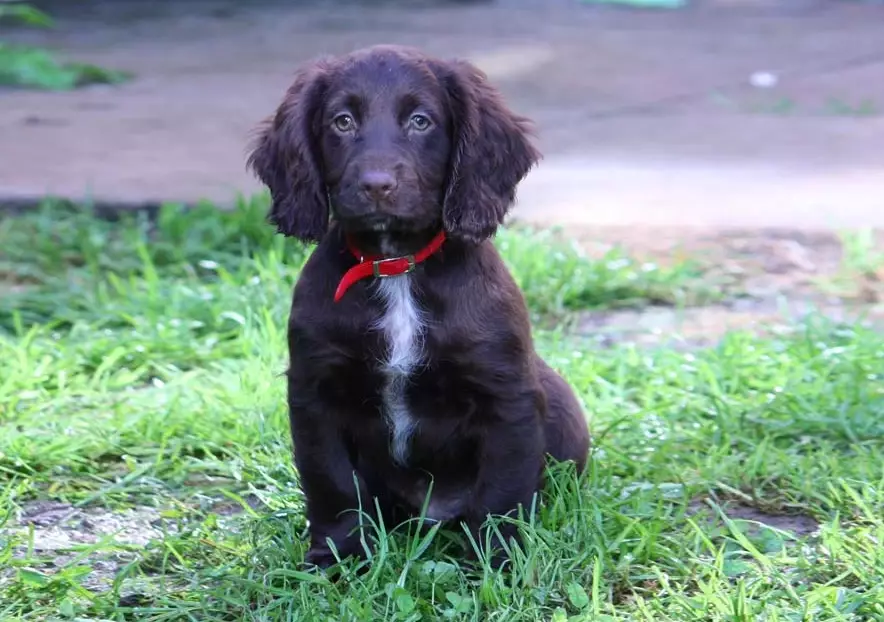
What's Inside This Guide?
- Ideal Weight Range: It's More Than a Number
- The Puppy Growth Journey: A Month-by-Month Look
- The Body Condition Score: Your Best Tool (Forget the Scale)
- What Really Affects Your Boykin's Weight?
- Practical Steps for Managing a Healthy Weight
- Spotting and Solving Common Weight Problems
- Your Boykin Weight Questions, Answered
Ideal Weight Range: It's More Than a Number
Yes, the textbook answer is 25-40 lbs. But that's a huge range. Where your dog falls depends almost entirely on their sex and frame. A petite female might be perfectly healthy at 28 pounds, while a broad-shouldered, big-boned male could be lean at 38 pounds. The American Boykin Spaniel Society notes this range as the breed standard, but they emphasize proportion over pounds.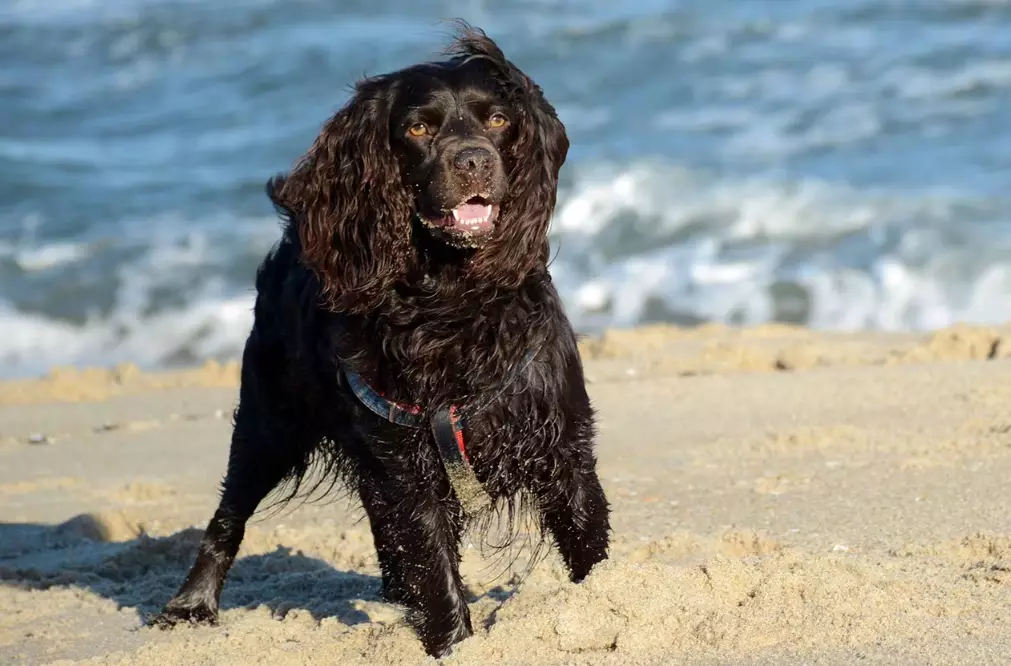
The biggest mistake I see? Owners of smaller-framed dogs aiming for the middle of that range, say 35 pounds, and accidentally overfeeding. Your dog's ribs should be easily felt with a thin layer of fat over them. You should see a distinct waist when looking down from above, and an abdominal tuck when viewing from the side. If you're only checking the scale, you're missing half the picture.
| Category | Typical Weight Range | Key Visual Cues |
|---|---|---|
| Adult Male | 30 - 40 lbs (13.6 - 18.1 kg) | Muscular build, defined waist, ribs palpable. |
| Adult Female | 25 - 35 lbs (11.3 - 15.9 kg) | More refined frame, clear abdominal tuck. |
| Overweight | Exceeds above ranges with poor body score | No visible waist, ribs difficult to feel, fat deposits on back/base of tail. |
| Underweight | Below ranges with poor body score | Ribs, spine, hip bones prominently visible. |
The Puppy Growth Journey: A Month-by-Month Look
Boykin puppies grow fast. They'll reach about half their adult weight by 4-5 months, but their bones and joints are still developing until 12-18 months. Pushing for rapid growth with high-calorie food is a recipe for future orthopedic issues like hip dysplasia.
Here's a rough growth trajectory based on my observations and breeder logs. Remember, this is a guideline, not a strict rulebook. A puppy's weight can vary by 10-15% and still be perfectly normal.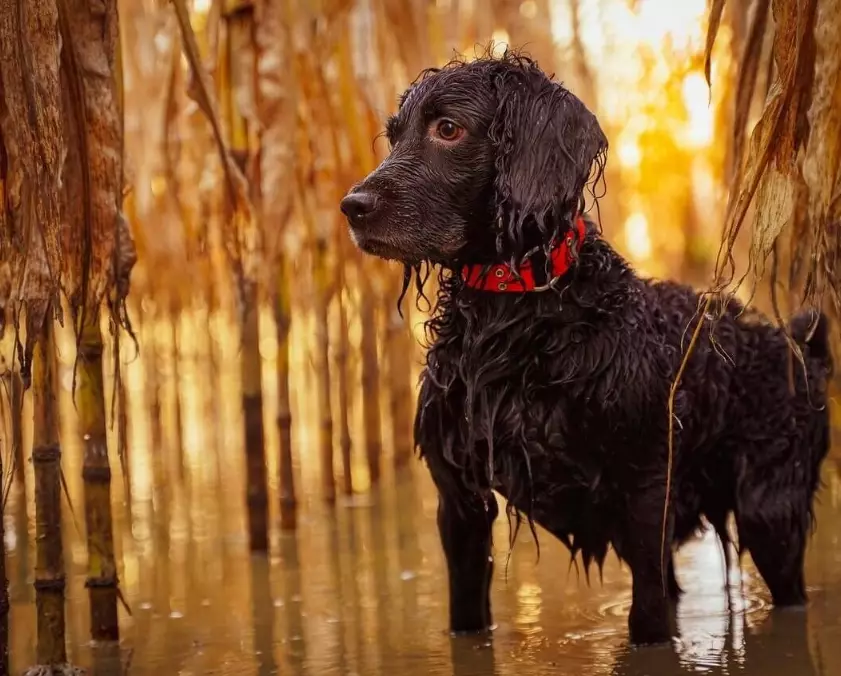
- 8 Weeks (Going Home): 5 - 8 lbs. They're little balls of energy and fluff.
- 4 Months: 12 - 18 lbs. The lanky, awkward teenage phase begins. They're all legs.
- 6 Months: 18 - 25 lbs. You'll see their adult shape starting to form.
- 9 Months: 22 - 32 lbs. Growth starts to slow, filling out more than shooting up.
- 12 Months: 24 - 36 lbs. Most are near their adult weight, but may still "fill out" musculature until 18-24 months.
The Body Condition Score: Your Best Tool (Forget the Scale)
This is the most underutilized tool in dog ownership. The Body Condition Score (BCS) is a 1-to-9 scale where 1 is emaciated and 9 is obese. A score of 4 or 5 is ideal. The World Small Animal Veterinary Association has great visual guides for this.
How to do it at home:
- Rib Check: Run your hands along their sides. You should easily feel individual ribs with slight padding, like the back of your hand. If you have to press hard, they're too heavy. If ribs are sharp and obvious, they're too thin.
- Overhead View: Look down. You should see a clear hourglass shape—a waist behind the ribs. No waist means a BCS of 6 or higher.
- Profile View: Look from the side. The belly should tuck up from the bottom of the rib cage to the hips. A sagging or straight line from chest to hindquarters indicates excess weight.
Do this every two weeks. Your hands and eyes are more accurate than any scale for tracking fat loss or gain.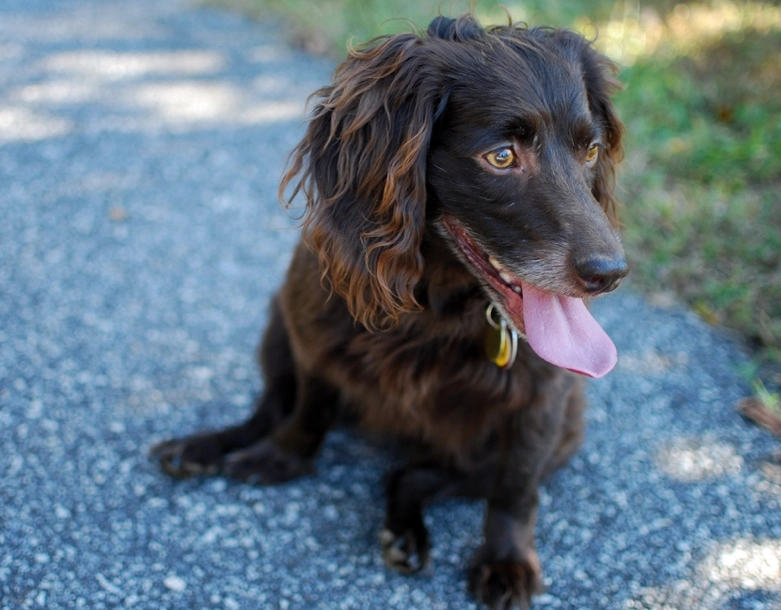
What Really Affects Your Boykin's Weight?
It's not just food.
Genetics and Lineage
Some lines are bred to be stockier retrieving machines, others are leaner and built for endurance. Ask your breeder about the size of the parents and grandparents. It sets a baseline expectation.
Activity Level: The Hunter vs. The Couch Companion
A Boykin running fields and swimming daily during hunting season burns calories like a furnace. The same dog in the offseason, with just leash walks, needs far fewer calories. I've seen dogs need a 20% food reduction in the off-months to avoid creeping weight gain. This is the most common seasonal weight management blind spot.
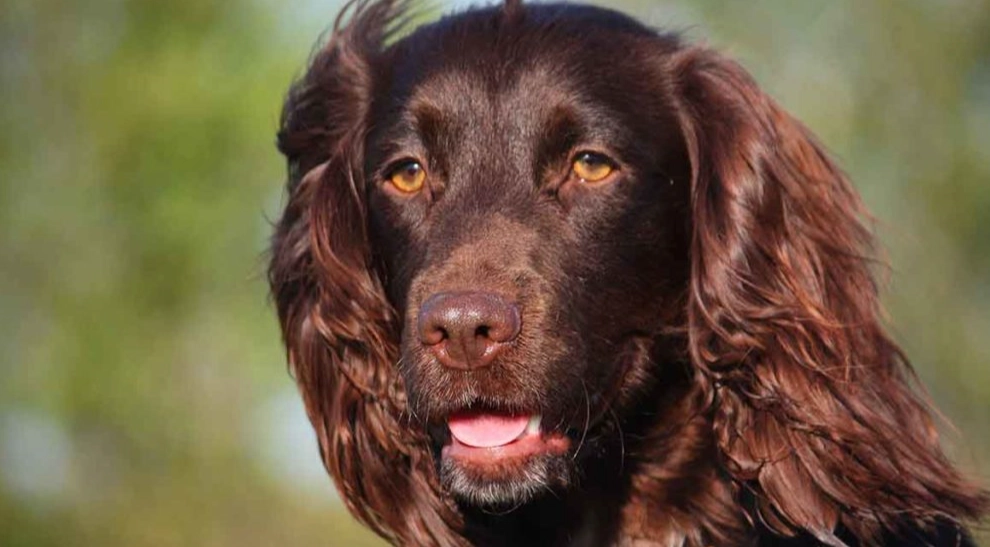 Neutering/Spaying
The procedure can slow metabolism by up to 30%. It's not the surgery itself, but the hormonal change. You must adjust food intake downward within a week or two of the procedure, often before you even notice weight gain. Don't wait for the vet to tell you they're overweight at the next checkup.
Underlying Health Issues
Hypothyroidism is not uncommon in the breed. Symptoms include unexplained weight gain, lethargy, and poor coat quality. If your dog is gaining weight despite controlled feeding and good exercise, a thyroid test is a smart move.
Practical Steps for Managing a Healthy Weight
It's simple, but not easy. Consistency wins.
- Measure Food, Don't Guess: Use a standard measuring cup. "A couple of scoops" turns into extra pounds over a year. Follow the bag's guidelines as a starting point, but adjust based on your dog's BCS.
- Account for Treats: Treats count. If you're doing training sessions with kibble, deduct that from the meal portion. High-value treats should be tiny (pea-sized).
- Choose the Right Food: For less active or senior Boykins, consider an "active adult" or "healthy weight" formula with higher protein/fiber and lower fat. Discuss options with your vet.
- Exercise Beyond the Walk: These are sporting dogs. Mental exercise burns energy too. A 20-minute session of retrieving, puzzle toys, or scent work can tire them out as much as a long walk. Mix it up.
Spotting and Solving Common Weight Problems
The "Creeping Gain": This is the big one. Your dog gains half a pound a month. In a year, that's 6 pounds—a 20% increase for a 30 lb dog! The fix is regular BCS checks and a monthly weigh-in. Keep a log.
The "Skinny Hunter": During intense activity, some Boykins struggle to keep weight on. They burn everything they eat. The solution isn't just more food; it's higher-calorie food (maybe a performance blend), more frequent meals, and adding healthy fats like a spoon of salmon oil to their diet.
The "Picky Eater" Weight Loss: Sometimes it's behavioral. If a dog learns that holding out gets them tastier human food, they'll skip their kibble. Stick to a schedule. Offer food for 15 minutes, then pick it up. They won't starve themselves into trouble.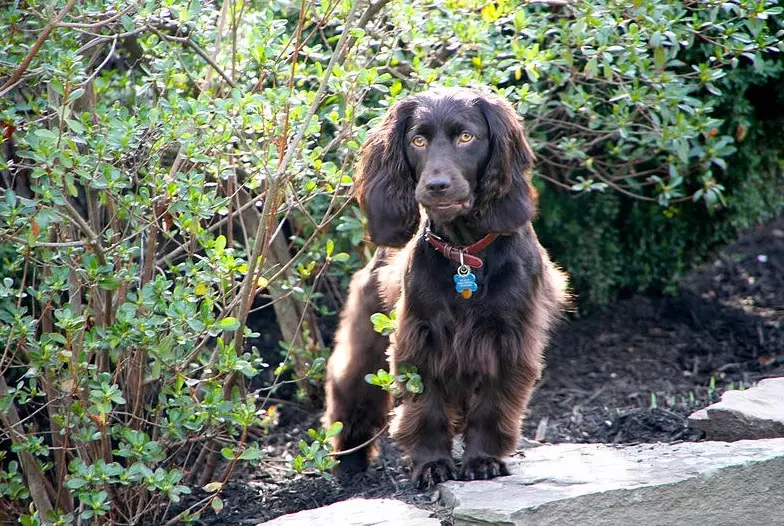
Your Boykin Weight Questions, Answered
 My spayed female seems hungry all the time and is gaining weight. What can I do?
Reader Comments