You're looking at pictures of this powerful, noble-looking dog and wondering: could a Bullmastiff be the perfect addition to our family? The short answer is a qualified yes, but it's a yes with a lot of fine print. I've been around large guardian breeds for over a decade, and the Bullmastiff is a dog that rewards the prepared owner and can overwhelm the unprepared one. They aren't a generic "family dog" like a Golden Retriever. They're a specific tool for a specific job, and that job, in a modern home, is being a loyal, calm guardian and companion. Let's cut through the generic breed descriptions and talk about what living with a Bullmastiff is actually like.
Your Quick Guide to This Article
The Bullmastiff Temperament: A Deep Dive
Most breed profiles will tell you they're "fearless, confident, and affectionate." That's true, but it's like describing a car as "fast"—it doesn't tell you how it handles. The Bullmastiff's core design, as a gamekeeper's dog bred to silently track and hold poachers, gives you clues. They are inherently watchful and possess a strong protective instinct. This isn't an aggressive dog looking for a fight; it's a supremely confident one that assesses situations and acts if it perceives a genuine threat to its family.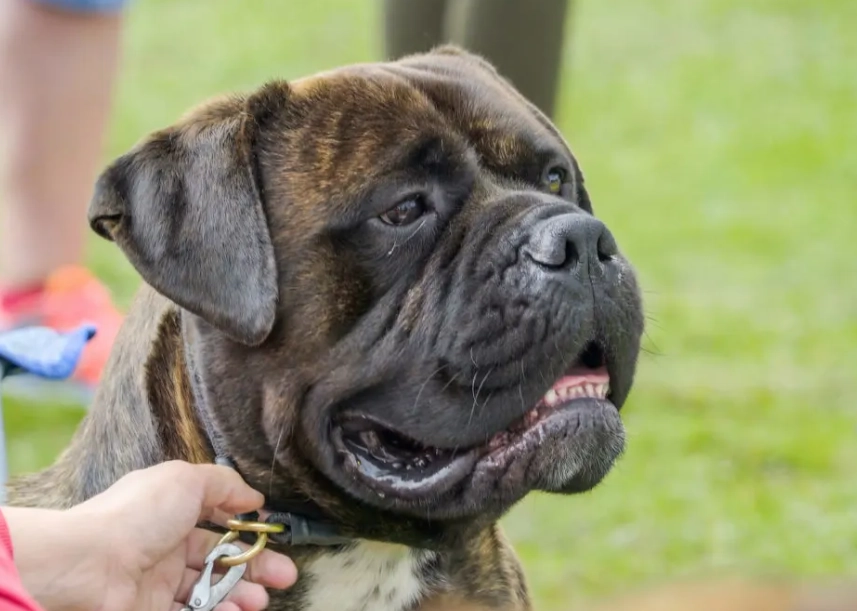
Where many new owners get tripped up is mistaking their calmness for laziness or low intelligence. A Bullmastiff is often a couch potato, but their mind is always working. They're observing. This makes them excellent judges of character, but it also means they can be stubborn. They won't blindly obey commands they think are pointless. Training becomes less about drill-sergeant repetition and more about convincing them that what you're asking is a good idea.
Their affection is immense but often quiet. Don't expect constant, exuberant licks. Expect a heavy head in your lap, a constant shadow following you from room to room, and a deep, contented sigh as they settle at your feet. This low-energy, high-presence demeanor is what makes them excellent indoor companions for many families.
Bullmastiffs and Children: What You Really Need to Know
This is the million-dollar question. A well-bred, well-socialized Bullmastiff raised with children is often phenomenal. They are famously tolerant and gentle with their own family's kids, often taking on a patient, guardian-like role. Their sturdy build means they can handle clumsy toddler hugs better than a delicate small breed.
But here's the critical, often understated part: supervision is non-negotiable, and it's not just about the dog. It's about the children and the dog's sheer size.
- The Size Hazard: A playful swipe of a paw or a happy tail whip at coffee-table height can easily knock a small child over. This isn't malice; it's physics. You need to teach kids how to interact calmly and teach the dog to be calm around kids.
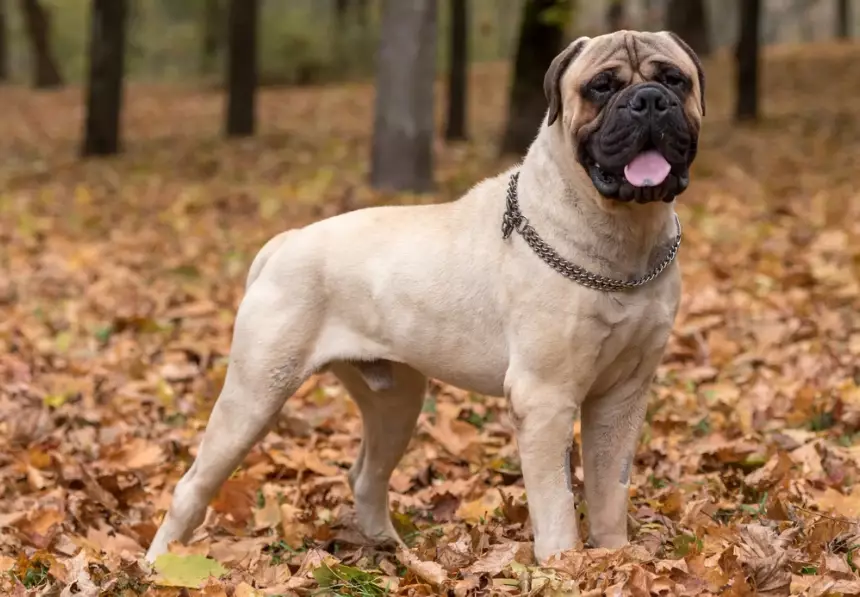
- Resource Guarding: This is a potential issue in any dog, but with a 100+ pound dog, the stakes are higher. You must manage high-value items (food, special toys) and never leave a child unsupervised with a dog that is eating or chewing a prized bone.
- The "Nanny Dog" Myth: No dog is an automatic babysitter. Trust is earned through consistent training and management, not bestowed by breed. A Bullmastiff will protect a child from an outsider, but it's the parents' job to ensure safe interactions within the home.
If your kids are loud, hyperactive, or don't respect animal boundaries, a Bullmastiff is a poor choice. The dog may become stressed or irritable. If your household is generally calm and you're committed to teaching everyone—two-legged and four-legged—how to coexist, the potential for a beautiful bond is huge.
Training Your Bullmastiff: Beyond Sit and Stay
Obedience training is just the entry ticket. With a Bullmastiff, these are the pillars you must build.
Early and Extensive Socialization
This isn't just meeting other dogs. It's positive exposure to everything: men with hats, people on bikes, loud garbage trucks, umbrellas, vacuum cleaners, people of different ages and ethnicities. The goal is to build a dog that is confident and neutral in the world, not one that sees the unfamiliar as a threat. Miss this window (roughly up to 16 weeks), and you may be fighting an uphill battle against suspicion later.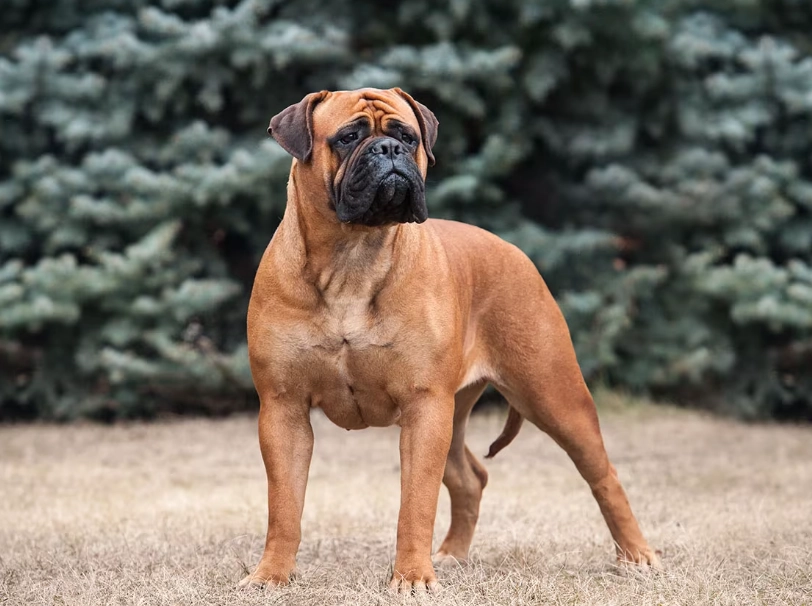
Rock-Solid Recall and Leash Manners
You cannot physically manhandle a determined adult Bullmastiff. A reliable recall (coming when called, even with distractions) is a safety essential. Similarly, leash pulling must be addressed from puppyhood. A dog that pulls you into traffic is a disaster waiting to happen. Use positive reinforcement—find what motivates your dog (often food!) and make listening to you more rewarding than pulling toward a squirrel.
Impulse Control and "Off" Switches
Teach "leave it," "drop it," and most importantly, how to settle on a mat or bed. Bullmastiffs are naturally calm, but puppies aren't. Teaching calm behavior as a default is a gift that keeps giving for the next 8-10 years.
A Day in the Life: Space, Exercise, and Grooming
Let's get practical. What does caring for a Bullmastiff actually entail?
| Aspect | Reality Check | Why It Matters |
|---|---|---|
| Living Space | Apartments can work if you're active, but a house with a secure yard is ideal. They are indoor dogs. | Their size needs room to move comfortably. A tiny apartment with many stairs can be hard on joints. |
| Exercise Needs | Moderate. 30-60 minutes of walking/play per day is sufficient for an adult. Puppies need shorter, frequent bursts. | Over-exercising puppies can damage developing joints. Adults are prone to overheating. Mental stimulation (training, puzzles) is as important as physical. |
| Grooming | Easy. Weekly brushing manages shedding. Focus on facial wrinkles (clean daily to prevent infection) and nail trimming. | They are moderate shedders. The main grooming task is health-focused: keeping those deep facial folds clean and dry. |
| Drool Factor | High. You will need "drool rags" strategically placed. After drinking, shaking their head can redecorate your walls. | This is a deal-breaker for some. It's not occasional; it's a fact of life. If you're fastidious, reconsider. |
Their low exercise needs are a plus for many families, but don't confuse "low energy" with "no needs." A bored, under-exercised Bullmastiff might express itself through chewing or other undesirable behaviors.
Health, Lifespan, and the Financial Commitment
This is the sobering part. Large and giant breeds come with specific health challenges and costs.
- Lifespan: 7-9 years on average. Some live longer, but you must be prepared for a shorter journey than with a smaller breed.
- Major Health Concerns: Hip and Elbow Dysplasia (joint issues), Bloat (Gastric Dilatation-Volvulus - a life-threatening emergency), certain cancers, and heart conditions. Reputable breeders test their breeding stock for these issues. Always ask for health clearances from organizations like the Orthopedic Foundation for Animals (OFA).
- The Cost: Everything is bigger. Food bills are significant (high-quality large-breed formula). Medications, anesthesia, and surgeries are often priced by weight. Pet insurance is highly recommended from puppyhood, or you should have a substantial savings fund earmarked for veterinary care.
Choosing a breeder who prioritizes health and temperament over looks is the single most important decision you can make. A well-bred dog from health-tested lines is your best chance at avoiding heartbreak and financial strain. The American Kennel Club and the UK Kennel Club provide breeder referrals and detailed breed standards.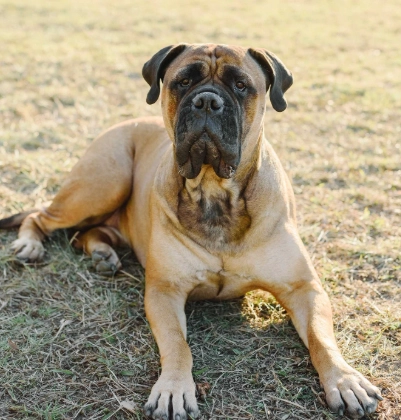
The Final Verdict: Should a Bullmastiff Live With You?
A Bullmastiff is a good family dog for a specific type of family.
Choose a Bullmastiff if: You have a stable, relatively calm home. You have older children or are committed to teaching young ones. You have the space and budget for a giant breed. You are a confident, patient leader who enjoys training. You want a loyal, low-energy, deeply affectionate guardian who is content to be by your side.
Reconsider a Bullmastiff if: Your household is chaotic or highly active. You have very young, unsupervised children. You are a first-time dog owner (they are a challenging first dog). You are on a tight budget. You dislike drool or are unwilling to manage a powerful animal. You want a dog to take on long, strenuous hikes or runs.
They are not for everyone. But for the right family, a Bullmastiff offers a unique blend of serene companionship and steadfast protection that is hard to find in any other breed.
Reader Comments