You're looking at pictures of a Bouvier des Flandres online, and you're smitten. That shaggy coat, the intelligent eyes, the sturdy build. But then the practical side of your brain kicks in. Wait, how big do these dogs actually get? Is "large" an understatement? Can that powerful frame fit into your life, your car, your home? If you're searching for "Bouvier des Flandres size," you're not just looking for numbers. You're trying to visualize a living, breathing, possibly drooling companion in your daily routine. Let's cut through the generic breed descriptions. I've lived with large working breeds for over a decade, and the Bouvier's size is its most defining—and most misunderstood—trait. It's not just about inches and pounds; it's about presence, impact, and a whole lot of practical logistics.
What You'll Find in This Guide
- Official Size & Weight Numbers (Male vs. Female)
- From Fluffy Puppy to Gentle Giant: The Growth Timeline
- Real Talk: Space, Exercise & The Apartment Question
- The Good, The Bad, and The Hairy: Pros & Cons of Their Size
- The Grooming Bill: How Size Drives Cost and Effort
- Your Top Bouvier Size Questions, Answered
Official Size & Weight Numbers (Male vs. Female)
Let's start with the hard data. According to the American Kennel Club (AKC) breed standard, the Bouvier is squarely in the large-to-giant category. But there's a significant range, especially between males and females.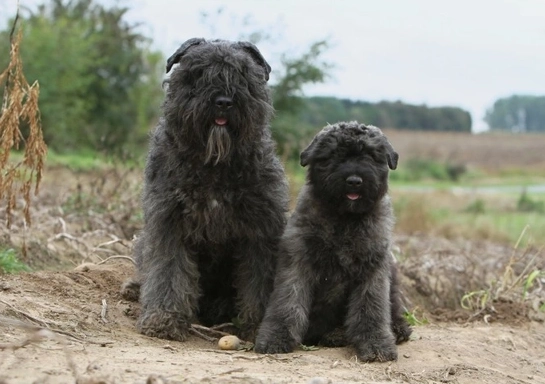
| Gender | Height at the Withers | Weight Range | Key Physical Trait |
|---|---|---|---|
| Male Bouvier | 24.5 to 27.5 inches (62-70 cm) | 80 to 120 pounds (36-54 kg) | Substantial bone, powerful neck, distinctly masculine appearance. |
| Female Bouvier | 23.5 to 26.5 inches (60-67 cm) | 60 to 90 pounds (27-41 kg) | Elegant but still robust, slightly less massive than males. |
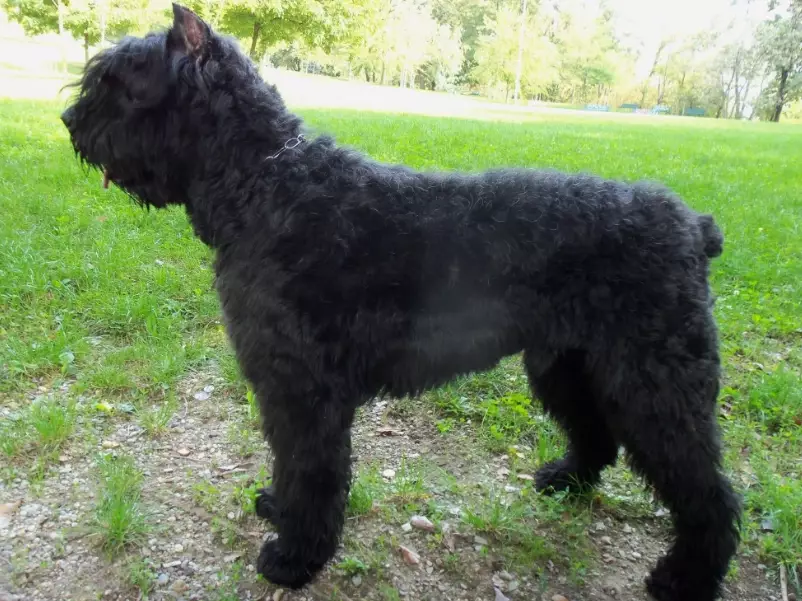
Those numbers tell only half the story. A Bouvier isn't a lean Greyhound. They're stocky, muscular, and dense. When a 100-pound Bouvier leans against you, you feel every ounce. Their chest is broad, their head is large and impressive, and their heavy-boned legs contribute to a surprisingly low center of gravity. This isn't a dog you can easily pick up in an emergency (a point many first-time owners overlook).
Here's a non-consensus point I've observed: many pet-line Bouviers today are trending toward the upper limits of that weight range, even exceeding it, while some working-line dogs are leaner and more agile. A show-bred male pushing 115 pounds is common, but that extra mass can impact joint health over time. Always ask your breeder about the typical size of their adult dogs.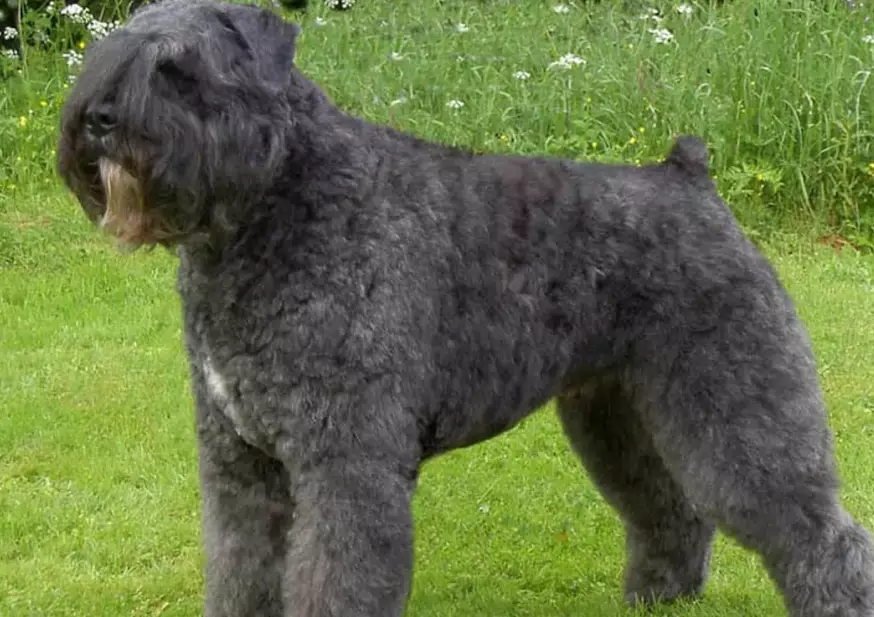
From Fluffy Puppy to Gentle Giant: The Growth Timeline
Bouviers don't mature quickly. They're slow growers, both physically and mentally, which is a blessing for their joint development but requires patience.
Pro Tip: Never encourage rapid growth in a large-breed puppy. Stick to a large-breed puppy food formulated to support controlled growth and avoid excessive calcium. Overfeeding to "get them big" is a direct path to orthopedic issues like hip dysplasia.
0-6 Months: This is the rapid growth phase. That adorable, potato-shaped puppy will gain several pounds a week. By 6 months, they can already be 50-70% of their adult height and weigh 40-70 pounds. They look like lanky, clumsy teenagers with oversized paws.
6-18 Months: Growth slows but continues steadily. They fill out, developing muscle and chest width. Most Bouviers reach their full height by 12-15 months, but they are far from finished.
18-36 Months (2-3 Years): This is the "filling out" period. They put on the final adult muscle mass, their chest deepens, and they achieve their mature, powerful physique. Mentally, they're still adolescents until around 3, which means you have a very large, sometimes goofy, and occasionally stubborn teenager on your hands.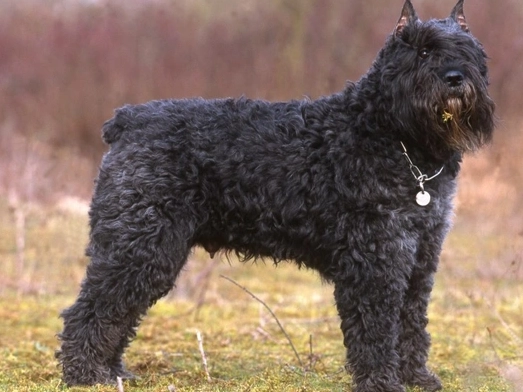
Monitoring Your Puppy's Growth
Forget comparing to online charts that are one-size-fits-all. The best metric is your vet's assessment of body condition score. You should be able to feel their ribs easily under a thin layer of fat, and see a distinct waist when looking down from above. A pudgy Bouvier puppy is not a healthy one.
Real Talk: Space, Exercise & The Apartment Question
This is the million-dollar question: "Can a Bouvier des Flandres live in an apartment?" The textbook answer is a hesitant "no." My real-world, lived-experience answer is more nuanced: It's less about square footage and more about lifestyle and access.
I've known Bouviers thriving in city apartments and miserable on sprawling country properties. The key isn't the size of your home, but what you do outside of it.
The Non-Negotiables:
- Mental Exercise > Physical Space: A bored Bouvier is a destructive Bouvier. Their size turns boredom into a liability—chewed doorframes, rearranged furniture. Daily training, puzzle toys, and scent work are non-negotiable, regardless of your home's size.
- Structured Walks, Not Just Yard Time: Having a yard is great, but it's not a substitute for leashed walks. Bouviers need structured exercise and socialization in the wider world. Two solid 30-45 minute walks per day are a better baseline than letting them loaf in a yard.
- Access to Elevators/Easy Exits: In an apartment, consider what happens if your elevator breaks or you need to evacuate quickly. Carrying a 90-pound dog down 10 flights of stairs is not an option.
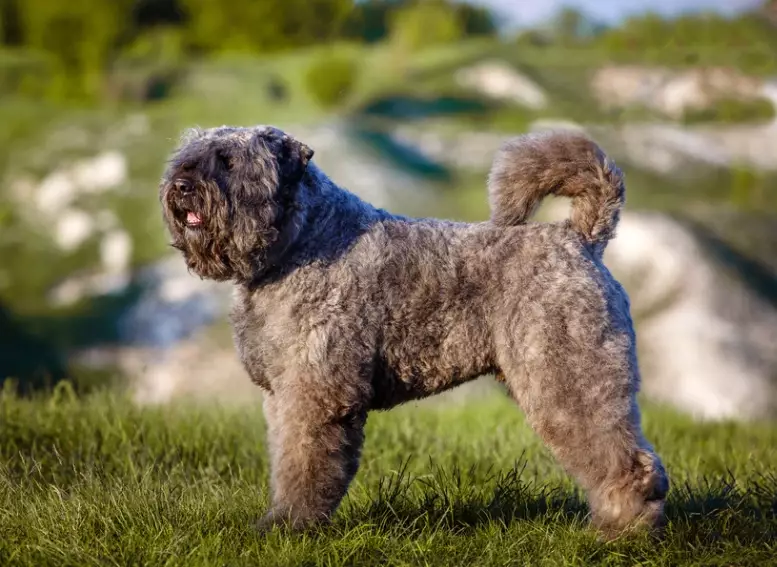
The biggest challenge in smaller spaces is their "bull in a china shop" factor. Their wagging tail is a weapon at coffee table height. They don't always know their own size, especially as goofy adolescents. You need to be vigilant about creating clear pathways and teaching a solid "place" command for settling.
The Good, The Bad, and The Hairy: Pros & Cons of Their Size
Let's be brutally honest. The size of a Bouvier comes with a mixed bag of consequences.
The Advantages (The Good):
- Natural Deterrent: Their imposing presence is a significant crime deterrent. You'll rarely feel unsafe on a walk.
- Sturdy Companion: They are incredibly sturdy for hiking, camping, and outdoor adventures. They can carry their own pack.
- Calm Demeanor: When properly exercised and trained, a mature Bouvier is a calm, low-energy house dog. Their size allows them to be imposing outside and a couch potato inside.
The Challenges (The Bad & The Hairy):
- Cost Multiplier: Everything costs more. Food, preventatives, medications are dosed by weight. A bag of high-quality food disappears quickly.
- Vet & Grooming Logistics: Not all vets or groomers can or will handle a dog this large and powerful. You must find professionals experienced with giant breeds. Getting them onto a grooming table is a two-person job.
- Travel Headaches: Flying in-cabin is impossible. Road trips require a large vehicle (SUV, van) and a heavy-duty crate or harness. Many hotels have weight limits for pets.
- The Drool & Slobber: It's real. It gets on walls, ceilings (a head shake can project it impressively), and your clothes. Keep a "slobber towel" handy at all times.
The Grooming Bill: How Size Drives Cost and Effort
Grooming is where the Bouvier's size hits your wallet hardest. That double coat—a rough outer layer and soft undercoat—covers a lot of surface area.
Professional grooming for a full bath, blow-dry, brush-out, and trim (not a full hand-strip) can easily cost $120 to $200+ every 6-8 weeks, depending on your location. If you learn to do it yourself, you're investing in a high-velocity dryer, a sturdy grooming table, and several hours of labor every few weeks. Neglect leads to mats, which are painful for the dog and expensive to remove.
A common mistake is shaving a Bouvier in summer. This ruins the protective texture of their coat, can affect regrowth, and doesn't necessarily keep them cooler—their coat actually provides insulation. Regular brushing to remove the undercoat is more effective.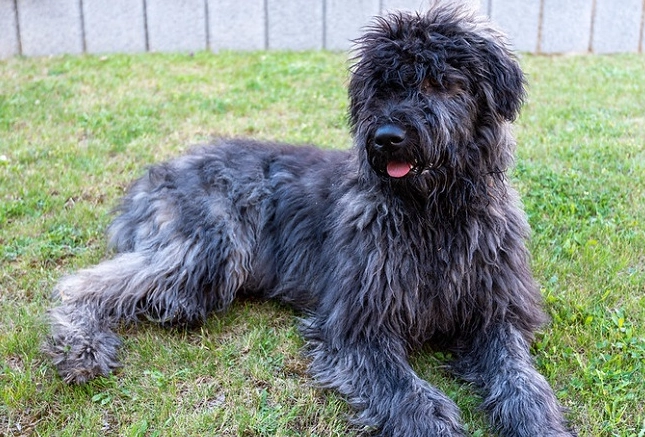
Your Top Bouvier Size Questions, Answered
So, what's the final verdict on Bouvier des Flandres size? It's a commitment that permeates every aspect of your life—from your living room layout to your vacation plans and your monthly budget. Their size grants them a noble, commanding presence and a heart to match, but it demands an owner who plans ahead, trains consistently, and embraces the occasional slobber on their ceiling. If you can meet the logistical challenges, you'll gain a loyal, courageous, and wonderfully substantial companion who truly earns the title "Gentle Giant."
Reader Comments