You typed that question into Google, didn't you? Maybe you saw a picture of this powerful, bearded dog and wondered if it could fit into your family life. The short, honest answer is: it's complicated. Labeling a Bouvier des Flandres as simply "aggressive" is like calling a Swiss Army knife just a blade—it misses the point entirely. These dogs are a blend of deep loyalty, formidable instincts, and a sensitive soul. I've seen too many people get this wrong, either by being intimidated away from a potentially wonderful companion or by diving in unprepared and creating problems. Let's cut through the noise and look at what really makes this breed tick, and whether their temperament is a deal-breaker or a manageable trait.
What You’ll Discover
What "Aggression" Really Means for a Bouvier
First, we need to unpack the word "aggressive." In dog behavior, it's an umbrella term. It can mean fear-based reactivity, territorial guarding, predatory drive, or resource guarding. For a Bouvier, the most relevant forms are protective/territorial behavior and same-sex dog intolerance. This isn't a dog that attacks without cause. Their behavior is almost always a response.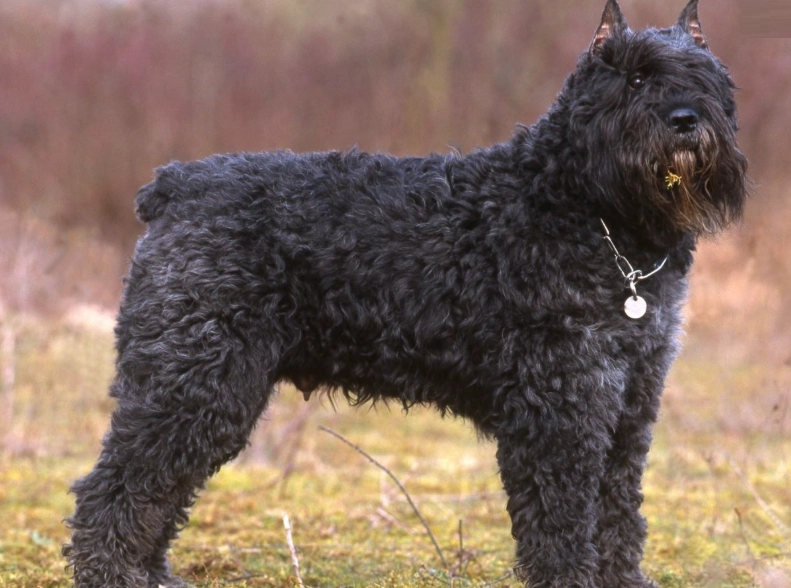
The American Kennel Club standard describes them as "calm, rational, and strong-willed." That "rational" part is key. A well-bred, well-raised Bouvier assesses a situation before acting. They are not inherently human-aggressive. In fact, with their family, they are often gentle giants, famously good with respectful children. The potential for problematic behavior lies almost entirely in their instinct to guard and protect, which, if mismanaged, can look like aggression to the untrained eye.
Key Takeaway
Don't think "vicious." Think "vigilant." A Bouvier's default mode is to monitor their environment for threats. Whether that vigilance becomes a problem depends entirely on how you channel it.
The Farmer's Guardian: History and Hardwired Instincts
You can't understand a Bouvier without understanding where they came from. Bred in Flanders (Belgium/France) as a true farm utility dog, their job description was vast: herding cattle, pulling carts, and guarding the homestead. This created a specific mindset.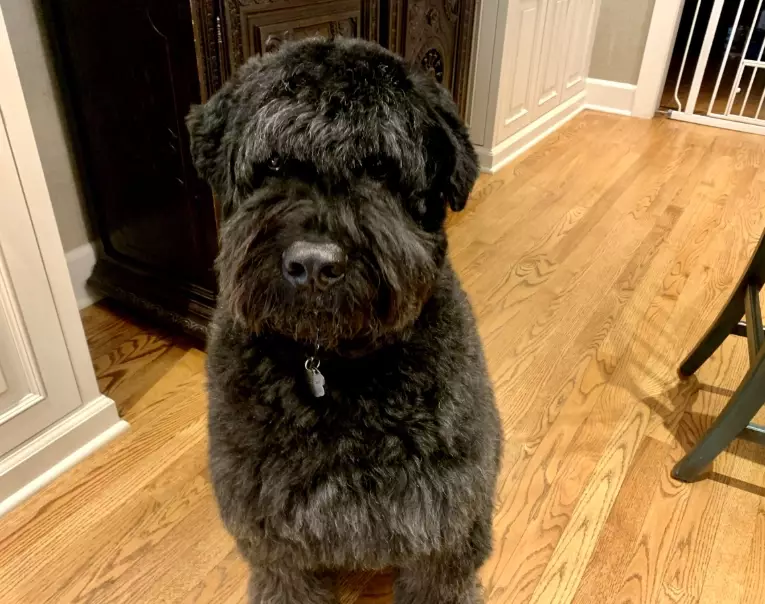
They are decision-makers. Left alone to tend the farm, they had to think for themselves. This independent streak is often mistaken for stubbornness. You don't command a Bouvier; you collaborate with one.
They have a strong sense of property. The farm, the family, the livestock—it was all their charge. This translates directly to the modern home and yard. A stranger approaching "their" territory unannounced will trigger a response, usually a deep, authoritative bark and a imposing stance, not an immediate bite.
They can be dog-selective. Working alongside other dogs was part of the job, but fighting off predators or stray dogs was also a possibility. This can lead to intolerance, particularly with dogs of the same sex. It's not a guarantee, but it's a common enough trait that you must be prepared for it.
The Critical Window: Socialization Is Everything
Here's the subtle error I see constantly: people think socialization means just letting their puppy meet a bunch of people and dogs. For a Bouvier, that's a recipe for disaster. Indiscriminate friendliness is not the goal. Controlled exposure is.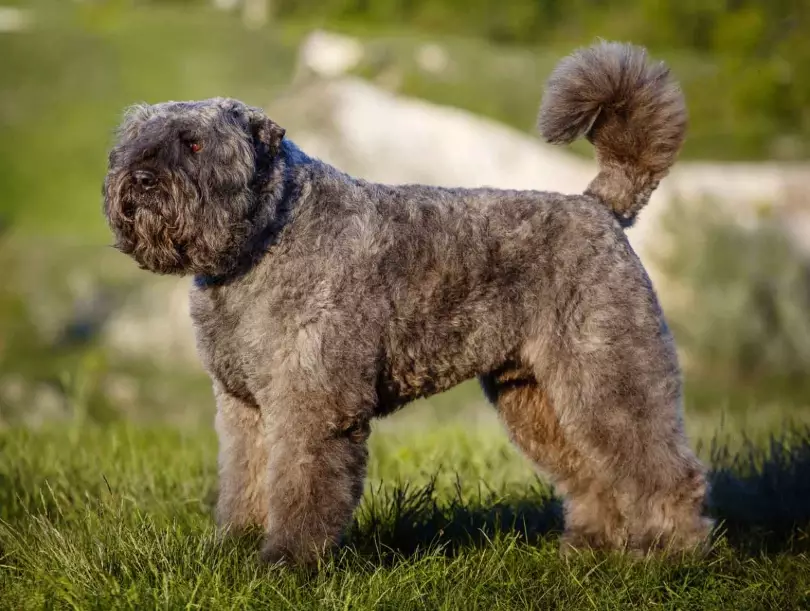
Proper socialization for a Bouvier means teaching them to be neutral and confident in a wide range of situations. It's about exposing them to strange sights, sounds, and people at a distance where they remain calm, and rewarding that calmness. The goal is for them to learn: "The mail carrier, the jogger, the skateboarder—they are not part of my job. I can observe them without needing to intervene."
Skimp on this, and those hardwired guarding instincts can generalize to everything new or unfamiliar, creating a dog that is chronically anxious and reactive. This is where many "aggression" problems start.
Training, Exercise, and Daily Management
Owning a Bouvier is a lifestyle, not a hobby. You don't just train them; you manage their environment and meet their needs.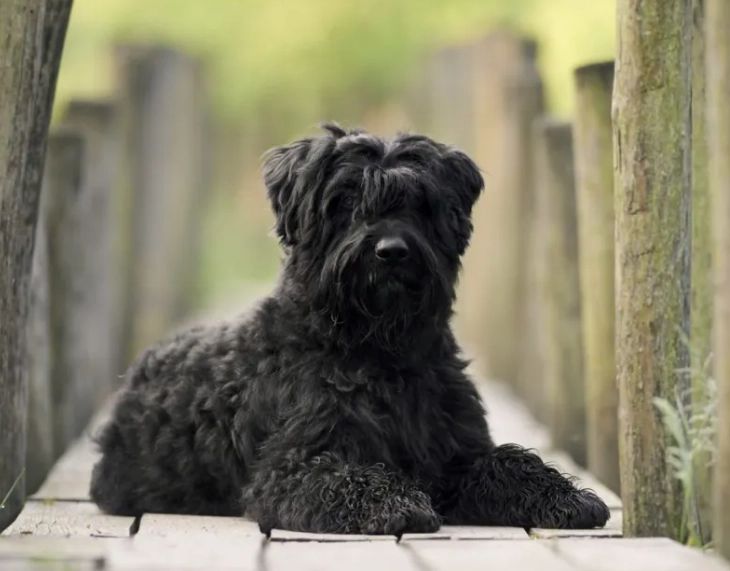
Non-Negotiable Training Principles
Positive Reinforcement is King, but Consistency is Emperor. They respond poorly to harshness, which can break trust and create resentment. Use high-value treats, praise, and play. But be utterly consistent with rules. If they're not allowed on the couch, it's never allowed. Mixed messages confuse them and invite them to make their own rules.
Obedience as a Game, Not a Chore. Make training sessions short, fun, and varied. Focus on rock-solid basics: recall (come), loose-leash walking, and a reliable "leave it." A strong recall is your biggest safety tool.
Mental Stimulation is as Vital as Physical. A bored Bouvier is a destructive Bouvier. Use puzzle feeders, scent work (hiding treats), and structured tasks. They need a job, even if it's "find your toy" or "carry this bag."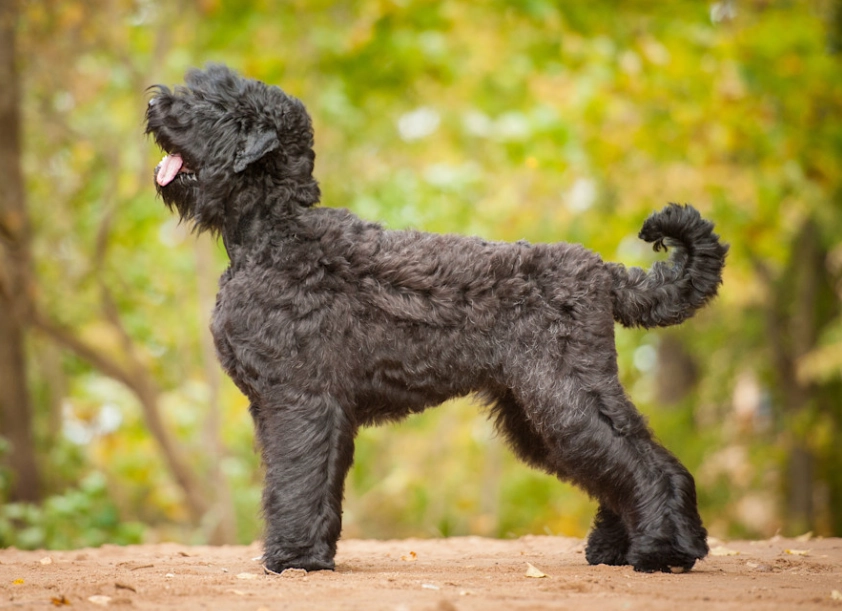
The Daily Reality: Exercise and Environment
This isn't a dog for an apartment unless you're an extreme outdoor enthusiast. They need space and substantial daily exercise—long walks, hikes, or secure yard time. But even more, they crave being with their people. They are velcro dogs.
Management is crucial. A secure, tall fence is mandatory. They are not candidates for dog parks—the risks of dog-to-dog conflict are too high. On walks, use a sturdy harness and be prepared to create space from other dogs if needed.
| Factor | Why It Matters for Temperament | Actionable Tip |
|---|---|---|
| Breeder Choice | Health and stable nerves are genetic. A poorly-bred Bouvier is a liability. | Ask breeders about OFA health testing and meet the dam (mother). Is she calm and confident? |
| Early Socialization (8-16 weeks) | Sets the neural blueprint for what is "normal" and non-threatening. | Expose to 100+ novel things (hats, umbrellas, men with beards) positively before 16 weeks. |
| Adolescence (8-18 months) | Fear periods and testing boundaries are common. Guarding instincts may emerge. | Don't panic. Double down on positive training. Avoid confrontational corrections. |
| Adult Routine (2+ years) | They mature slowly. A 3-year-old is very different from a 1-year-old. | Establish predictable routines. They thrive on knowing what to expect. |
Is a Bouvier des Flandres Right for Your Family?
Let's be brutally honest. A Bouvier is not for first-time dog owners. It's not for passive owners. It's not for those who want a low-maintenance pet.
A Bouvier IS for you if: You have experience with strong-willed or working breeds. You lead an active lifestyle and want a canine partner. You have a secure home environment. You understand and value the role of a guardian dog, and you're committed to the 10+ year responsibility of shaping that instinct appropriately. You want a deeply loyal, loving, and dignified companion who is part shadow, part guardian.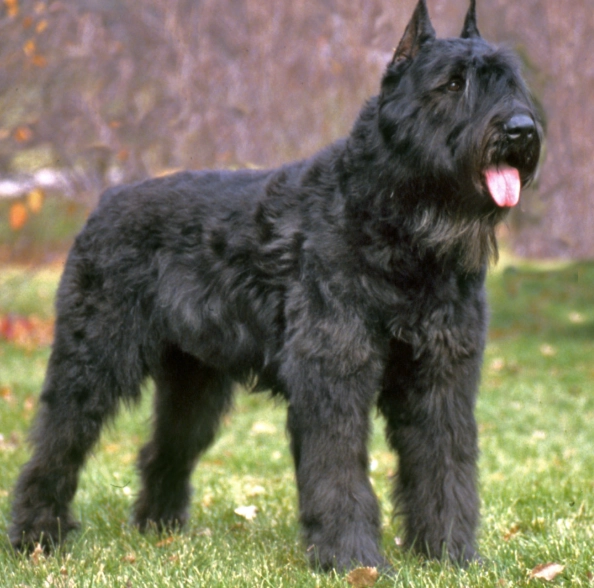
How do they stack up against other guardian breeds? It's informative.
Vs. German Shepherd: Bouviers are often less "sharp" and reactive, more stoic. They may be slightly less driven to please, more independent.
Vs. Rottweiler: Similar in loyalty and guarding instinct. Bouviers can be slightly more aloof with strangers and less overtly playful.
Vs. Great Pyrenees: Both are independent guardians. Pyrenees are more likely to roam and bark; Bouviers tend to stick closer to home and owner.
The bottom line? If you provide clear leadership, abundant socialization, rigorous training, and a lifetime of engagement, a Bouvier des Flandres will reward you with unparalleled devotion. If you don't, you risk creating a fearful, overly protective, or difficult dog. The power—and the responsibility—lies entirely with you.
Your Top Bouvier Temperament Questions Answered
My Bouvier is great with us but barks ferociously at anyone approaching the house. Is this aggression?
That's not aggression in the pathological sense; it's the job you signed up for. It's territorial alerting. The goal isn't to stop it completely (you want a watchdog), but to control it. Train a "quiet" command by capturing moments of silence after the initial alert bark and rewarding heavily. Teach them to go to a specific mat when the doorbell rings. Management-wise, use window film or gates to limit their visual access to the street if they're constantly on patrol.
Are male or female Bouviers more aggressive?
This is less about aggression and more about style and conflict likelihood. Males are often larger, more confident, and may be more overtly territorial. Females can be equally protective but sometimes more subtly so. The more significant issue is same-sex aggression, which can be pronounced in either sex. Many experienced Bouvier owners and breeders recommend having only one dog of the same sex in a household to avoid conflict as they mature.
I've heard Bouviers are stubborn and hard to train. Does this lead to aggression?
Stubbornness doesn't cause aggression. Frustration on both ends does. Their independent thinking means they ask, "Why should I?" If your answer is only "because I said so," you'll hit a wall. If your answer involves a compelling reason (a great treat, a fun game, clear communication), they are highly capable learners. The key is motivation and mutual respect. Using force or anger will damage your relationship and can create defensive behaviors.
Can a Bouvier des Flandres live safely with cats or small pets?
It depends heavily on early introduction and the individual dog's prey drive. Many can coexist peacefully, especially if raised together from puppyhood. However, their herding and guarding instincts can sometimes get muddled. They might be fine with their own cat but chase the neighbor's. Always supervise interactions, provide the small pet with escape routes, and never assume it's 100% safe. Their size alone is a risk to smaller animals during play.
What's the single most important thing to look for in a Bouvier puppy to ensure a good temperament?
Beyond health clearances, look for confidence, not boldness. The ideal puppy is curious, approaches novel things with interest but not fear, and recovers quickly from a mild scare (like a dropped book). Avoid the puppy that hides in the corner or the one that bullies its littermates relentlessly. A middle-of-the-road puppy who is engaged with people, takes treats gently, and shows a balance of exploration and caution is often your best bet for a stable adult. Discuss these observations openly with a reputable breeder—they know their lines best.
Reader Comments