If you've ever seen a Bull Terrier, you probably remember it. That egg-shaped head, those tiny triangular eyes, and a body that's both muscular and playful. But what are Bull Terriers really known for? It's not just the looks. After years of working with dogs and owning a Bull Terrier named Spike, I've learned they're a bundle of contradictions—tough yet sensitive, energetic but lazy at times. This guide dives deep into their traits, temperament, and care, cutting through the myths to give you the full picture.
Jump to What Matters
The Iconic Bull Terrier Look
Let's start with the obvious: Bull Terriers are known for their unique appearance. That egg-shaped head isn't just for show—it's a result of selective breeding in the 19th century. Breeders wanted a dog with a strong jaw for bull-baiting, but the modern look is more about aesthetics. The head is almost flat on top, with small, deep-set eyes that give them a keen expression. I've had people stop me on walks just to ask about Spike's head. It's a conversation starter, but it also serves a purpose: the skull structure allows for powerful biting force, though today's Bull Terriers are far from their aggressive ancestors.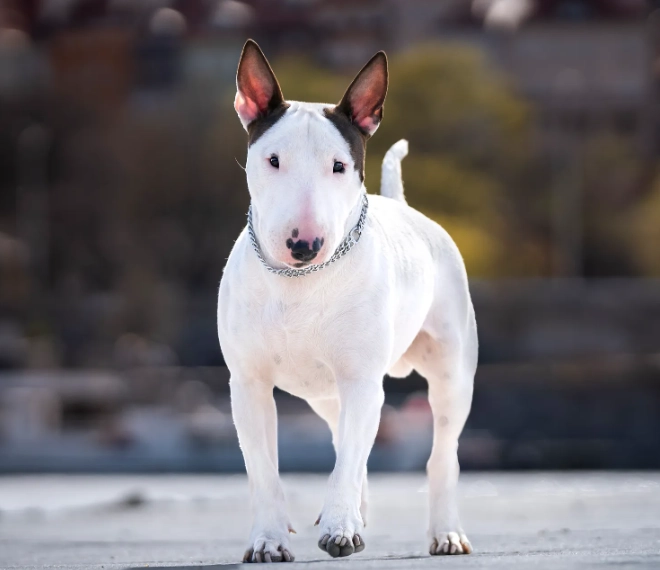
The Egg-Shaped Head: More Than Just Looks
This head shape means they have a unique bite alignment. Unlike other breeds, Bull Terriers can have dental issues if not cared for. Regular vet check-ups are a must. Their coat is short and glossy, coming in colors like white, brindle, or black. White Bull Terriers often have patches of color on the head. The skin is tight, but they can suffer from sunburn, especially the white ones. I always apply dog-safe sunscreen on Spike during summer hikes.
Coat Colors and Patterns
Bull Terriers come in a variety of colors. Here's a quick breakdown:
| Color | Common Patterns | Notes |
|---|---|---|
| White | Solid white, often with head markings | Prone to sunburn; requires extra care |
| Brindle | Tiger-like stripes | Popular and striking; less sun-sensitive |
| Black | Solid or with white patches | Less common but elegant |
| Red | Rich reddish-brown | Eye-catching; needs regular grooming |
Their body is muscular and stocky, weighing between 50-70 pounds. They're not huge dogs, but they're solid. The tail is short and carried horizontally. Overall, the look is distinctive—you won't mistake them for any other breed.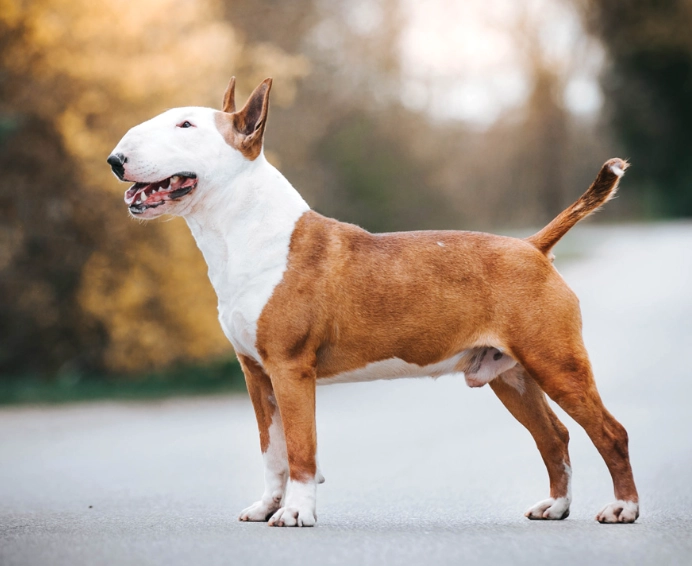
Personality: More Than Just a Tough Exterior
Bull Terriers are known for their clownish, energetic personality. They're often called "the kid in a dog suit" because of their playful nature. Spike will chase a ball for hours, then collapse on the couch like a lump. But here's the thing: they're also stubborn. If they don't want to do something, good luck convincing them. This isn't aggression; it's independence. Many owners mistake this for disobedience, but it's just how they're wired.
From my experience, Bull Terriers thrive on routine. They get anxious if their schedule is disrupted. A daily walk at the same time, meals on schedule—it keeps them calm. Skip a walk, and you might find your shoes chewed up. It's not malice; it's boredom.
The Clownish Personality
They love to entertain. Spike will do silly things like spin in circles or "talk" with grumbles when he wants attention. This makes them great family dogs, but they need supervision with young kids. Their energy can be overwhelming for toddlers. I've seen Bull Terriers gently play with children, but they might knock them over accidentally. Socialization from puppyhood is key.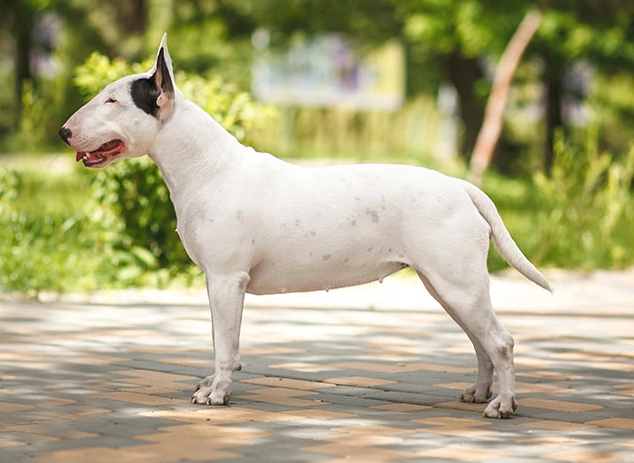
Energy Levels and Exercise Needs
Bull Terriers are high-energy dogs. They need at least an hour of exercise daily. This isn't optional—without it, they become destructive. A fenced yard is ideal, but they also enjoy agility training or fetch. I take Spike to a local dog park twice a week, and he loves it. But be warned: they can be territorial with other dogs. Early socialization helps, but some Bull Terriers prefer human company over canine friends.
A Brief History: From Bull-Baiting to Family Pets
Bull Terriers were originally bred in England in the 1800s by crossing Bulldogs with Terriers. The goal was to create a dog for bull-baiting and ratting—sports that are now banned. After bull-baiting was outlawed, breeders focused on temperament, making them companion animals. The American Kennel Club (AKC) recognized the breed in 1885, and today, they're popular as family pets. Despite their tough past, modern Bull Terriers are affectionate and loyal. But that history explains their strong prey drive. Spike will chase squirrels relentlessly; it's in his DNA.
Caring for Your Bull Terrier: A Practical Guide
Caring for a Bull Terrier isn't hard, but it requires consistency. Here's a breakdown of their needs.
Grooming Requirements
Their short coat is low-maintenance. Brush weekly to remove loose hair. Bathing every few months is enough, unless they get dirty. But pay attention to their ears—they're prone to infections. Clean them weekly with a vet-recommended solution. Nails should be trimmed monthly; Bull Terriers hate this, so start young. Spike fights me every time, but treats help.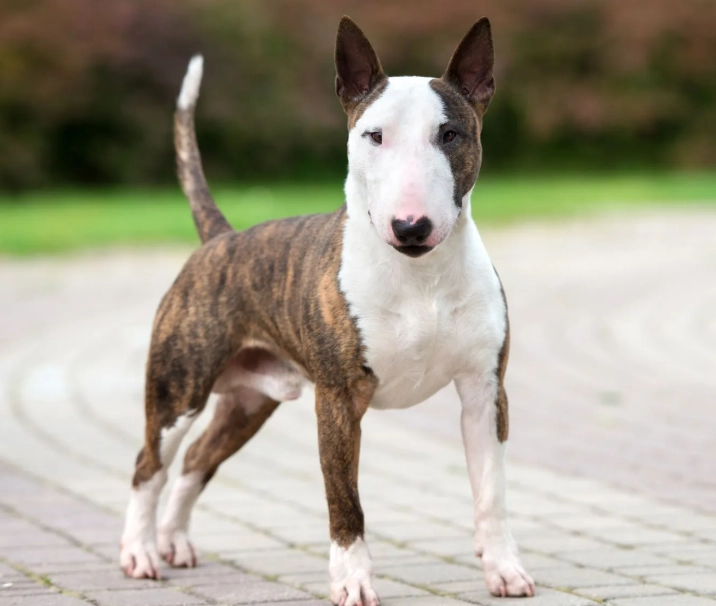
Health Considerations
Bull Terriers are generally healthy, but they have breed-specific issues. According to the Bull Terrier Club of America, common problems include:
- Deafness: Common in white Bull Terriers; test puppies early.
- Skin allergies: They can be sensitive to food or environmental factors. Spike gets itchy in spring, so I use hypoallergenic shampoo.
- Heart issues: Such as mitral valve disease; regular vet check-ups are crucial.
- Kidney problems: Like hereditary nephritis; buy from reputable breeders who test for this.
Feed them high-quality dog food, and avoid overfeeding—they gain weight easily. A lean Bull Terrier is a healthy one.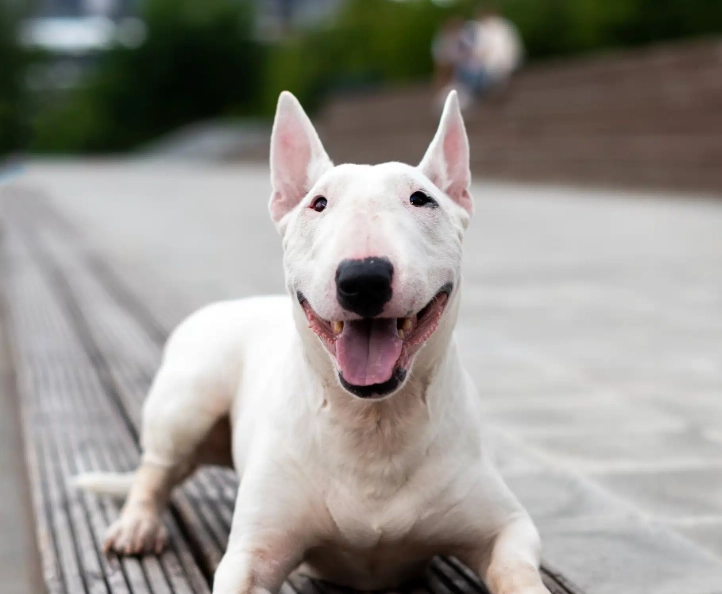
Training Challenges and Triumphs
Training a Bull Terrier can be frustrating. They're intelligent but stubborn. Positive reinforcement works best—treats, praise, and patience. Never use harsh methods; they'll shut down. I made the mistake of yelling at Spike once, and he ignored me for days. Consistency is key. Start with basic commands like sit, stay, and come. Socialize them early with people, dogs, and different environments. A well-trained Bull Terrier is a joy, but it takes time. Consider obedience classes; they helped Spike learn to focus.
Debunking Bull Terrier Myths
There are many myths about Bull Terriers. Let's clear them up.
- Myth 1: They're naturally aggressive. False. With proper training and socialization, they're friendly. Aggression often stems from neglect or abuse.
- Myth 2: They're dumb. Not true. They're independent thinkers. Spike can open doors if he wants to—it's cleverness, not stupidity.
- Myth 3: They're good guard dogs. Maybe, but they're more likely to lick an intruder than bite. Their appearance might deter, but they're not protective by nature.
These myths scare people away. In reality, Bull Terriers are loyal companions who need dedicated owners.
Frequently Asked Questions (FAQs)
Bull Terriers are known for their unique blend of looks, personality, and loyalty. They're not for everyone—they demand time, patience, and understanding. But if you're willing to put in the work, they'll reward you with endless entertainment and companionship. From Spike's antics to their unwavering affection, these dogs leave a mark. Do your research, talk to breeders, and consider adoption. They're more than just an egg head; they're a lifelong friend.
Reader Comments