Let's cut to the chase. The Canaan Dog isn't your average family pet. It's a living relic, a direct descendant of the pariah dogs that roamed the Middle Eastern deserts for millennia. Think of them less as a "man-made" breed and more as a natural artifact that was recognized and refined. I've spent years around primitive breeds, and the Canaan Dog consistently surprises even experienced dog people. They're fiercely loyal but operate on their own terms. If you're looking for a biddable, eager-to-please golden retriever type, stop reading now. But if an intelligent, self-sufficient, and profoundly bonded guardian intrigues you, you're in the right place.
What's in This Guide?
What Exactly is a Canaan Dog?
This is where most articles just repeat the same history. Here's the deeper cut. The breed's modern story starts with Dr. Rudolphina Menzel in the 1930s. Tasked by the pre-state Israel defense force to create sentry dogs, she didn't invent a new breed. Instead, she went into the Negev desert and selectively bred the most tractable and alert native pariah dogs. That's key. The foundation was natural selection, not human whimsy for looks. The breed standard, recognized by the FCI and later the AKC, intentionally preserves those primitive traits: the wedge-shaped head, the prick ears that swivel like satellite dishes, the bushy tail curled over the back. They were meant to be working dogs—guarding, herding, detecting. That purpose is baked into their DNA.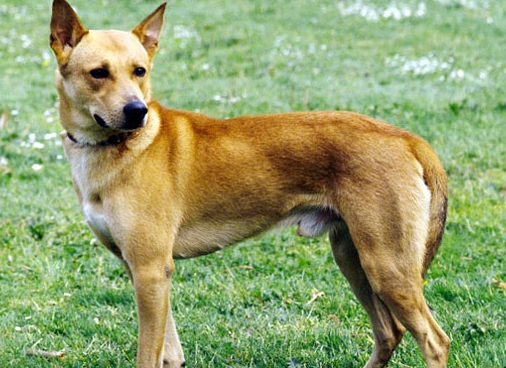
A Quick Profile: Medium-sized, square-built, and incredibly agile. They move with a light, trotting gait that looks effortless. The coat is double-layered—a harsh, straight outer coat and a soft undercoat—designed for desert nights and scorching days. Colors are typically sandy to reddish-brown, often with a black mask, or solid black or white. They're not "fluffy"; they're built for function.
Canaan Dog Temperament and Personality: The Independent Thinker
This is the make-or-break section. Calling them "independent" is an understatement. It's not stubbornness; it's a deeply ingrained survival trait. In the desert, a dog that blindly obeyed every command wouldn't last long. A Canaan Dog assesses every situation. Here’s the breakdown you won't find in breed club pamphlets.
The Good (The Amazing Bits)
Loyalty on their terms: Their bond is profound but not needy. They'll follow you from room to room, not for cuddles, but to monitor and guard. It's a quiet, constant presence.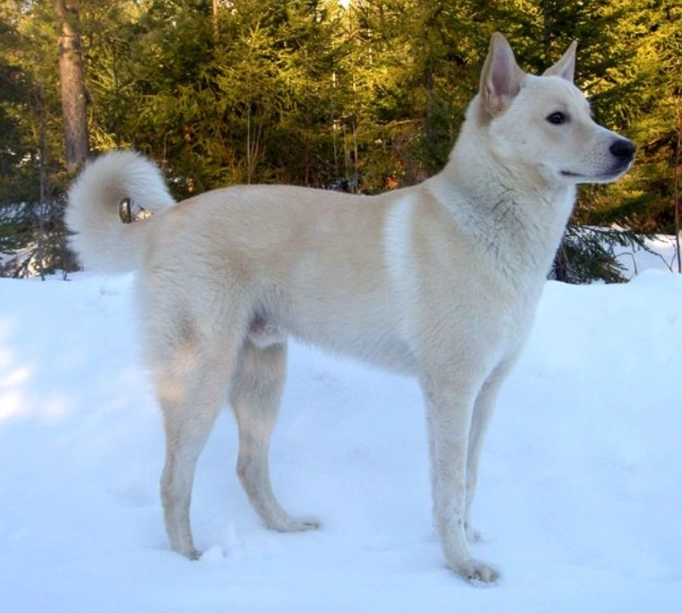
Natural guardians: They don't need training to be alert. Their default setting is to watch the perimeter. Strangers are announced with a sharp, loud bark—not incessant yapping, but a clear "something has changed" alert.
Clean and quiet indoors: They are famously cat-like in their fastidiousness. Easy to housebreak. When their needs are met, they are calm and undemanding in the home.
The Challenging (What They Don't Tell First-Timers)
The escape artist: This is the number one reason Canaan Dogs end up in rescues. A slightly ajar gate, a fence with a weak spot, a moment of curiosity—they're gone. Their intelligence is directed towards problem-solving, and "how to get to that interesting smell" is a prime problem to solve. Your yard must be a fortress.
Selective with strangers and dogs: They are not golden retrievers. Socialization is not a puppy-phase checklist; it's a lifelong management strategy. They may tolerate familiar dogs but are often aloof or assertive with new ones. They need an owner who reads canine body language fluently.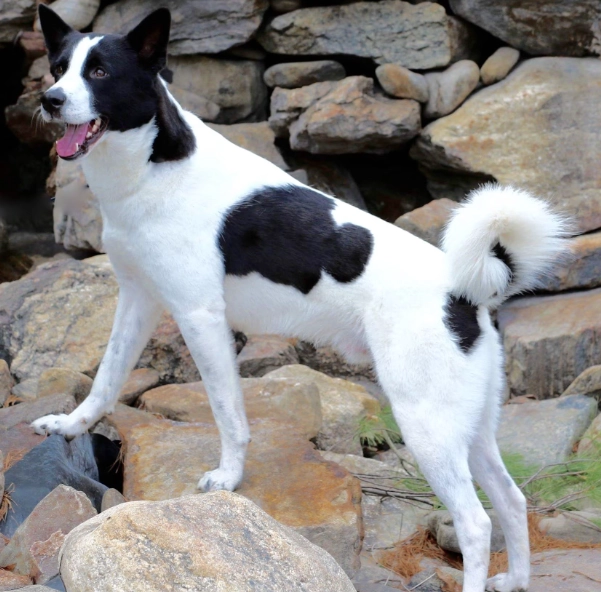
High prey drive: Squirrels, cats (sometimes even their own if not raised together), rabbits—they are hardwired to chase. Off-leash reliability in an unfenced area is a pipe dream for 99% of Canaan owners.
| Trait | Description & Implication for Owners |
|---|---|
| Intelligence | Extremely high, but used for self-preservation. Learns commands quickly but questions their utility. Training must be engaging and rewarding. |
| Energy Level | Moderate to high. Not a marathon runner, but needs daily mental and physical challenges. A bored Canaan is a destructive Canaan. |
| Family Compatibility | Excellent with respectful children they are raised with. Protective of them. May be wary of chaotic, noisy environments or unfamiliar kids. |
| Vocality | Alert barkers. Not constant barkers, but will sound off at perceived threats (mail carrier, passing dog). Can be managed with training. |
Caring for a Canaan Dog: The Real Deal
Forget generic care advice. Here's what living with a Canaan actually entails.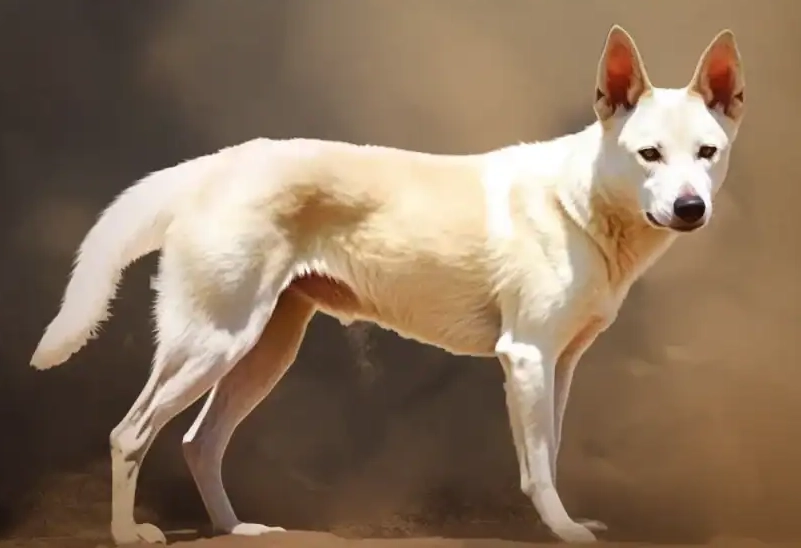
Exercise Needs: Mind Over Muscle
Two 30-minute leash walks won't cut it. They need a job. This is where new owners fail. It's not about tiring them out physically (though that helps); it's about engaging their brain.
- Nosework/Scent Games: This taps into their primal skills. Hiding treats, using sniffing mats, or formal K9 Nosework classes are golden.
- Agility or Rally Obedience: The problem-solving and partnership elements are perfect. It turns obedience into a game.
- Secure Off-Leash Time: This is non-negotiable. A fully fenced, secure yard where they can patrol, sniff, and just "be a dog" is critical for their mental health.
Training Philosophy: Be a Partner, Not a Dictator
Force-based methods will backfire spectacularly. You'll create a shut-down or reactive dog. Positive reinforcement with high-value rewards (think chicken, not kibble) is the only path. The trick? Making them believe the idea was theirs all along. Keep sessions short, fun, and end on a success. Consistency is everything. If you let them jump on you when you're in sweats but scold them in work clothes, they'll deem you unpredictable and unreliable.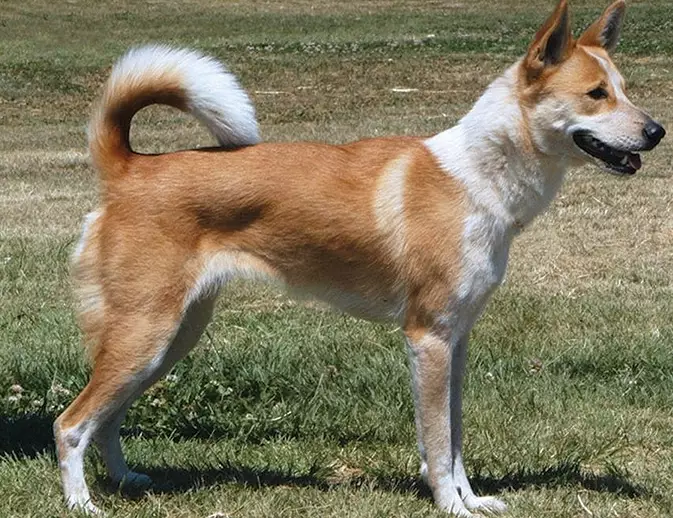
Grooming: Surprisingly Low Maintenance
Their harsh coat sheds dirt and water. Weekly brushing removes dead hair. They blow their undercoat heavily twice a year—during which you'll wonder if you can make a second dog out of the fur. Otherwise, basic care: nail trims, ear checks, dental hygiene.
Canaan Dog Health and Lifespan
One of their greatest assets is robust health, a benefit of their natural origins and a relatively broad gene pool (when sourced from responsible breeders). They commonly live 12-15 years. However, "generally healthy" doesn't mean bulletproof.
Hip Dysplasia: Can occur. Reputable breeders screen their breeding stock. Ask to see Orthopedic Foundation for Animals (OFA) or PennHIP certificates.
Autoimmune Thyroiditis: This is the main breed-specific concern. It's manageable with medication, but breeders should test for it. The Orthopedic Foundation for Animals maintains a thyroid registry.
Epilepsy: Appears in some lines. Again, a responsible breeder will be transparent about the health history of their dogs.
Progressive Retinal Atrophy (PRA): A degenerative eye disease. Certified breeders test for it.
The takeaway? Health testing isn't optional. A good breeder will volunteer this information, often published on the OFA website.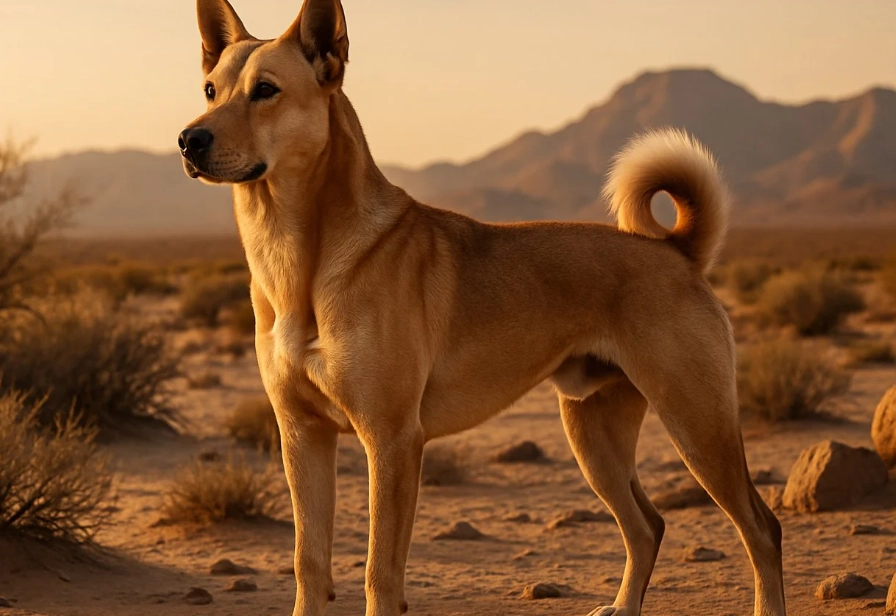
Is a Canaan Dog Right for You? A Brutally Honest Checklist
Don't fall for the "unique breed" allure. Be realistic.
You might be a good fit if you:
- Have prior experience with independent, primitive, or guardian breeds (Shiba Inu, Akita, Basenji, livestock guardians).
- Value a quiet, clean housemate over a constant cuddle bug.
- Have a securely fenced yard (6-foot minimum, with dig-proof barriers).
- Enjoy training as a mental exercise and are patient, consistent, and positive.
- Want a natural watchdog and are home a good part of the day.
Look elsewhere if you:
- Are a first-time dog owner.
- Desire an off-leash hiking companion in open areas.
- Want a dog park regular or a canine social butterfly.
- Have a chaotic, high-traffic household with lots of unpredictable visitors.
- Are gone for 8+ hours a day regularly.
Reader Comments