Talk to any seasoned Chessie owner about coat color, and you'll quickly hit a nerve. The black Chesapeake Bay Retriever sits at the center of a quiet but persistent debate. Is it a purebred anomaly, a genetic ghost, or just a stunningly dark shade of brown that plays tricks in the light? I've lived with Chessies for over a decade, and my own dog, Bracken, is often mistaken for black until you see him in direct sun, where his dark sedge roots show through. The truth is, the conversation about a "black" Chessie often misses the point entirely. It's not about finding a loophole in the breed standard; it's about understanding the unique, oily, dense double coat that defines this breed—regardless of its shade—and how to care for it when it's that dark. This guide cuts through the noise. We'll settle the color debate with facts from the American Kennel Club (AKC) standard, but more importantly, we'll dive into what really matters: the specialized grooming, training, and healthcare a dark-coated Chessie needs to thrive as the ultimate waterfowl partner and family companion.
What’s Inside This Guide
The Straight Talk on Color: AKC Standard vs. Reality
Let's get the official word out of the way. According to the American Kennel Club breed standard, Chesapeake Bay Retrievers come in colors that match their working environment: any shade of brown, sedge (a reddish-yellow), or deadgrass (varying light straw hues). Nowhere does it list black. I've seen judges at shows dismiss incredibly dark dogs, calling them "off-color." But here's where it gets muddy. The breed's coat has a unique, reddish undertone caused by its oils. In low light, a very dark brown ("dark sedge" or "chocolate") Chessie can look jet black. I call it the "midnight brown" effect.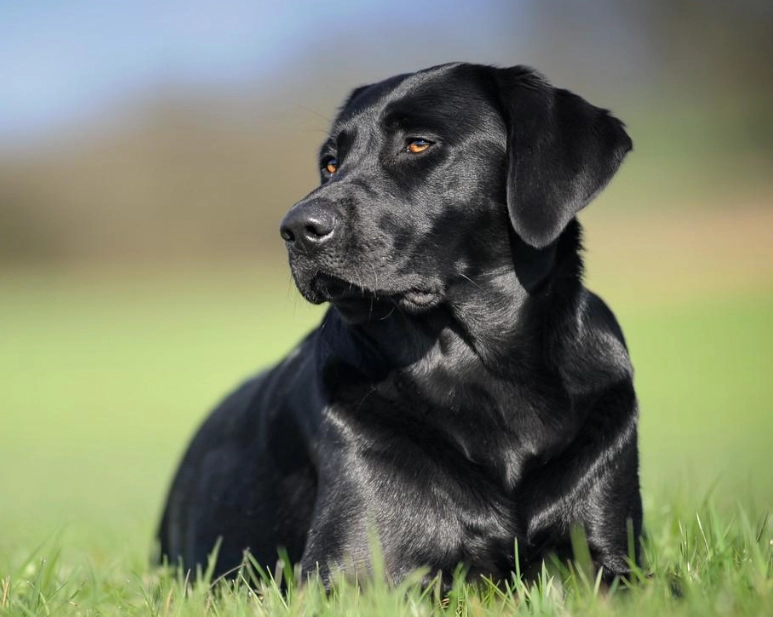
If someone is advertising a "rare black Chesapeake," be skeptical. A truly solid black coat likely indicates mixed ancestry somewhere down the line, perhaps with a Flat-Coated Retriever or a Labrador. For a working dog, this might not matter a bit. For a show prospect, it's a disqualification. The focus should always be on the coat's texture and function: it must be oily to the touch, wiry on the outside, and woolly underneath to shed icy water. That's what kept dogs retrieving ducks in the freezing Chesapeake Bay, not the specific hue.
Grooming a Dark Coat: It’s Not Just About Looks
Grooming a dark-coated Chessie is a different beast than grooming a light one. Every speck of dandruff, every bit of dust, shows up like snow on a black car. But more than aesthetics, grooming is about maintaining the health of that legendary double coat. A neglected Chessie coat mats terribly, loses its water-shedding ability, and traps dirt next to the skin.
How to Groom a Black Chesapeake Bay Retriever
Forget the weekly brush. You need a system. The oily coat means dirt sticks, but that same oil is protective. Over-bathing strips it away, leaving the skin dry and the coat brittle. Here’s my routine, developed after years of trial and error with Bracken.
| Tool | Purpose | Frequency & Technique |
|---|---|---|
| Undercoat Rake | Remove loose undercoat (the main culprit for shedding). | Weekly. Be gentle, work in sections. This reduces 80% of your shed hair. |
| Slicker Brush | Break up mats and smooth the topcoat. | 2-3 times a week. Use short strokes to avoid scratching skin. |
| Bathing | Deep clean without stripping oils. | Only every 8-12 weeks, or after a muddy swamp dive. Use a clarifying shampoo for oily coats, followed by a light conditioner on the longer fur (feathers). Rinse, rinse, rinse. |
| High-Velocity Dryer | The game-changer. | After every bath or swim. It blasts out water and loose hair from the dense undercoat like nothing else. Prevents hot spots and mildew smell. |
The biggest mistake I see? People using a Furminator-style de-shedding tool too aggressively. On a Chessie's coat, it can actually cut and damage the precious topcoat. Stick with the rake and slicker combo.
Training & Temperament: The Chessie Mindset
Coat color doesn't change personality. The Chesapeake Bay Retriever is known for its intelligence, protectiveness, and occasional stubborn streak. They are not Golden Retrievers. They think for themselves, which is why they were bred to make decisions in rough water, independent of the hunter's command. This translates to a dog that needs a confident, consistent leader.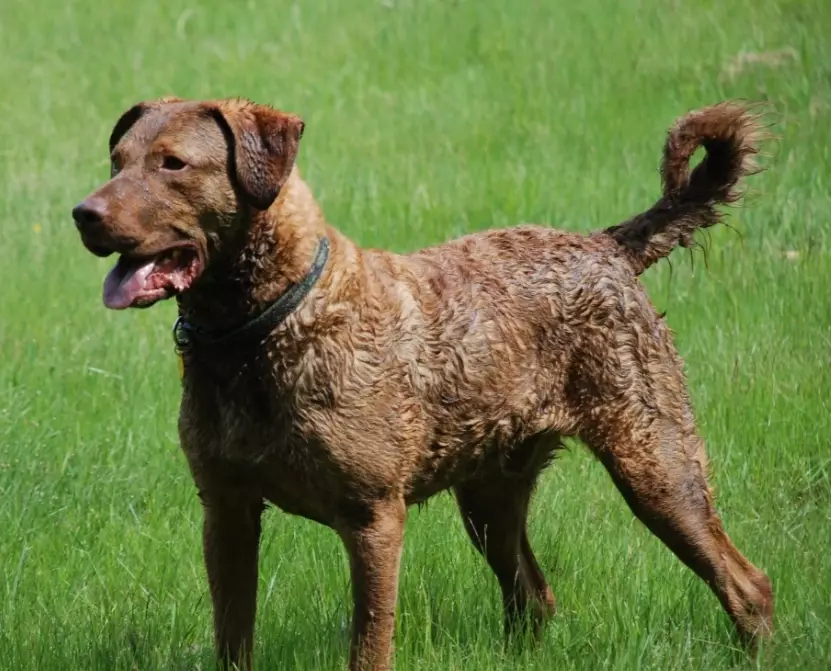
Training a Chessie, black or brown, requires understanding their motivation. They are driven, but not always by a treat. Often, a chance to work, to retrieve, or to protect is a higher reward. Here’s what works:
- Start Early and Socialize Widely: Expose a puppy to different people, dogs, and environments. A poorly socialized Chessie can become overly suspicious or protective.
- Use Their Drive: Make training a game of retrieve. Use bumpers, balls, or dummies. Incorporate water retrieves as soon as it's safe. This is their language.
- Be Firm and Fair: They respect clear rules. Yelling or harsh punishment shuts them down. A firm "no" and a redirection to a correct behavior is far more effective.
- Channel the Energy: A bored Chessie is a destructive Chessie. They need a job. Advanced obedience, field work, nosework, or dock diving are perfect outlets.
I made the mistake early on with my first Chessie of using only food rewards. He'd perform in the kitchen, but at the lake with distractions? He'd look at me like I was silly. Switching to toy-based rewards transformed his focus.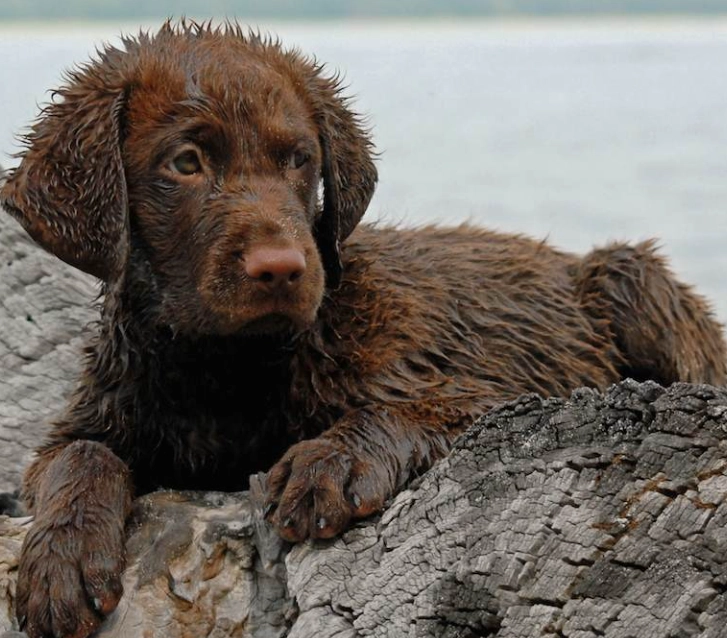
Health Considerations for a Robust Retriever
Again, color isn't a health predictor. Responsible breeding is. Reputable breeders test their stock for conditions common in the breed. When looking for a puppy, ask for these health clearances:
- Hip and Elbow Dysplasia: X-rays evaluated by the Orthopedic Foundation for Animals (OFA) or PennHIP.
- Progressive Retinal Atrophy (PRA): A genetic test for this eye disease that leads to blindness.
- Degenerative Myelopathy (DM): Another genetic test for this spinal cord disorder.
Beyond genetics, the dark coat can make it harder to spot certain skin issues. Regularly part the fur and check the skin for redness, hot spots, or parasites. Their love for water also makes them prone to ear infections. Weekly ear cleaning with a veterinarian-approved solution is non-negotiable.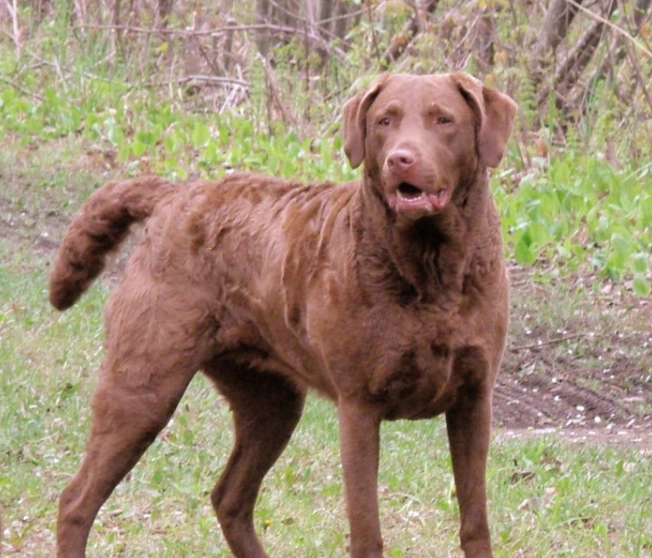
Your Top Chesapeake Questions, Answered
At the end of the day, the shade of your Chesapeake Bay Retriever—whether it's a light deadgrass, a rich sedge, or a deep, dark brown that passes for black in the twilight—is the least interesting thing about them. What matters is that incredible, oily coat doing its job, that sharp mind solving problems, and that unwavering loyalty. Focus on finding a healthy dog from a responsible source, commit to understanding their unique needs, and you'll have a companion for the ages, no matter what color you call them.
Reader Comments