So you're thinking about getting a small, fluffy companion and you've narrowed it down to two adorable options: the Shih Tzu and the Lhasa Apso. It happens all the time. You see pictures of both, and they look somewhat similar – both have long, flowing coats, cute faces, and a regal air about them. But let me tell you, having spent years around dogs (I used to volunteer at a shelter that saw plenty of both breeds), they are worlds apart in personality and care. Which is better, Shih Tzu or Lhasa Apso? That's the million-dollar question, and the answer isn't simple. It completely depends on you – your lifestyle, your patience level, and what you're truly looking for in a furry friend. This isn't just about which one is cuter (they're both impossibly cute). This is about which one will fit into your life like the missing puzzle piece, and which one might drive you up the wall. We're going to dig into everything: where they came from, what they're really like to live with, the nitty-gritty of grooming (spoiler: it's a lot for both), and their health. By the end of this, you should have a pretty clear picture of which little lion dog is meant for you. To understand these dogs, you really have to start with where they came from. Their history explains a ton about their behavior today. The Lhasa Apso is the old-timer here. We're talking ancient. They originated in the Himalayan mountains of Tibet over a thousand years ago. Their name gives it away: "Lhasa" is the sacred city, and "Apso" can be translated as "bearded" or even "goat-like" (which, once you see one freshly shorn, kind of makes sense). These weren't just pets; they were living alarm systems inside Tibetan monasteries and palaces. Their job was to listen, bark at anything unusual, and alert the bigger Tibetan Mastiffs outside. This bred a dog that is inherently watchful, independent, and a bit suspicious of strangers. The American Kennel Club (AKC) notes they were considered bringers of good luck and were rarely, if ever, sold – only given as sacred gifts. The Shih Tzu's story is a bit different, though equally noble. They were developed in China, likely from a mix of breeds that included the Lhasa Apso and the Pekingese. While they also have roots in Tibetan monasteries, they became the darlings of the Chinese imperial court during the Ming and Qing dynasties. They were bred purely for companionship and to resemble the lion, a sacred Buddhist symbol. The name "Shih Tzu" literally means "Lion Dog." Their entire existence revolved around being charming, affectionate, and delightful to their royal owners. This created a dog whose primary purpose is to love and be loved. At first glance, especially when both are in full show coat, it's easy to mix them up. But look closer. There are distinct differences that breed enthusiasts will spot a mile away. I remember a friend who got a "Shih Tzu" puppy that grew a surprisingly long muzzle and developed a very independent streak. Turns out, it was probably a Lhasa mix! The face, especially the eyes and muzzle length, is the biggest giveaway. This is where the rubber meets the road. This is the section that will likely make your decision for you. Forget looks; how do they act? If you want a shadow, get a Shih Tzu. Their mission in life is to be with you. On the couch, in the bathroom, at your feet while you work – it doesn't matter. They are quintessential "love sponges." They are outgoing, happy-go-lucky, and generally adore everyone they meet – family, friends, the mailman, the neighbor's cat (maybe). They have a silly, playful side that lasts well into adulthood. They're not big barkers, usually only letting out a few "yaps" to say hello or alert you. Their temperament is famously sweet and adaptable. Now, the Lhasa Apso loves its family deeply, but on its own terms. They are fiercely loyal but not necessarily demonstrative. Don't expect constant kisses. They might prefer to sit next to you rather than on you. They retain that ancient watchdog sensibility: alert, intelligent, and discerning. They are often reserved or outright suspicious of strangers. That aloofness is a breed trait, not a fault. They are confident, sometimes stubborn, and have a well-developed sense of self-importance. They can be wonderfully funny and playful with their inner circle, but they are not the dog to run up to a stranger in the park for pets. So, when you ask yourself, "Which is better, Shih Tzu or Lhasa Apso?" in terms of personality, you're really asking: Do I want an affectionate, people-pleasing cuddler (Shih Tzu), or a loyal, independent, and watchful companion (Lhasa Apso)? Let's not sugarcoat it. Both of these breeds are high-maintenance in the hair department. If you are not prepared for a significant grooming commitment, you need to look at a different type of dog. Seriously. Both require daily brushing to prevent mats and tangles. Their hair is like fine human hair – it keeps growing and will knot incredibly easily, especially behind the ears, under the legs, and around the sanitary area. A matted coat isn't just ugly; it's painful, can pull on the skin, and hide moisture and parasites. Here’s a quick rundown of the grooming reality: I made the mistake of skipping a single day of brushing with a Lhasa I was fostering once. One day! The resulting mat behind his ear took me 45 minutes of careful, patient scissor work to remove. Learn from my pain. Both are generally long-lived, sturdy little dogs. But like all purebreds, they have their predispositions. Responsible breeding is key to minimizing these risks. Lifespan: You can expect a well-cared-for dog of either breed to live between 12 to 15 years, sometimes longer. It's not uncommon to hear of them reaching 16 or 17. The question of which is better, Shih Tzu or Lhasa Apso, health-wise is a draw with different concerns. The Shih Tzu's breathing issues are a major daily consideration, while the Lhasa's potential kidney issues require vigilant screening. Both breeds are intelligent. But intelligence doesn't always mean "eager to please." Shih Tzus are often a bit easier to train for the average owner. They are motivated by praise, treats, and your happiness. They want to make you happy, so basic obedience and housebreaking (though small dogs can be tricky) usually go smoother. They can have a silly, distracted streak, but they're generally cooperative. Lhasa Apsos are famously independent and can be stubborn. They were bred to make their own decisions in a monastery. Asking them to sit might be met with a look that says, "Why? What's in it for me, and is it worth my time?" They require a patient, consistent, and firm (but never harsh) trainer. They respond well to positive reinforcement, but you have to convince them that your idea was theirs all along. They excel at things like agility when motivated, but they won't blindly follow commands. This is crucial, especially if you have a busy household. With Children: Shih Tzus are typically excellent with gentle, respectful children. Their sweet and tolerant nature makes them good family pets. However, their small size means they can be injured by rough handling, so supervision with young kids is a must. Lhasa Apsos can do well with children they are raised with, but their lower tolerance for poking and prodding and their independent nature mean they are often better suited to families with older, calmer children who understand dog boundaries. They are less likely to put up with toddler antics. With Other Pets: Both can get along with other dogs and cats if properly socialized from puppyhood. The Lhasa's stronger prey drive might make them less reliable around small animals like pet rabbits or birds. The Shih Tzu's amiable nature usually makes them more flexible in multi-pet homes. For Apartments/Small Spaces: Both are fantastic apartment dogs. Their size is perfect, and their exercise needs are moderate. The Lhasa's barking tendency is the only potential drawback in close quarters. Neither breed requires miles of running. A couple of short walks a day and some indoor play will satisfy most of them. Shih Tzus are quite happy with a leisurely stroll around the block. They are prone to overheating due to their short faces, so exercise in cool weather is best. They are champion nappers. Lhasa Apsos are a bit hardier and often have more stamina. They enjoy a good walk and can handle a bit more activity. They still don't need a marathon, but they appreciate engaging their minds and senses on a walk. For both, mental stimulation (puzzle toys, training sessions) is just as important as physical exercise to prevent boredom. Let's make this practical. Ask yourself these questions: Ultimately, the debate of which is better, Shih Tzu or Lhasa Apso has no universal winner. There's only the right dog for the right person. Look, at the end of the day, you can't go wrong with either if you're prepared for the grooming. They are both incredible, ancient breeds full of character. The Shih Tzu will shower you with unabashed love. The Lhasa Apso will earn your deep respect and offer a fiercely loyal, unique friendship. My final, totally personal piece of advice? Go meet some. Not just one, but several of each breed. Talk to breeders at shows, visit responsible breeders' homes, and meet adult dogs. See which personality truly connects with yours. That's how you'll find your answer to the age-old question: Which is better, Shih Tzu or Lhasa Apso, for me? Good luck! Whichever you choose, you're in for a wonderful, hairy, and unforgettable journey.Guide to This Article
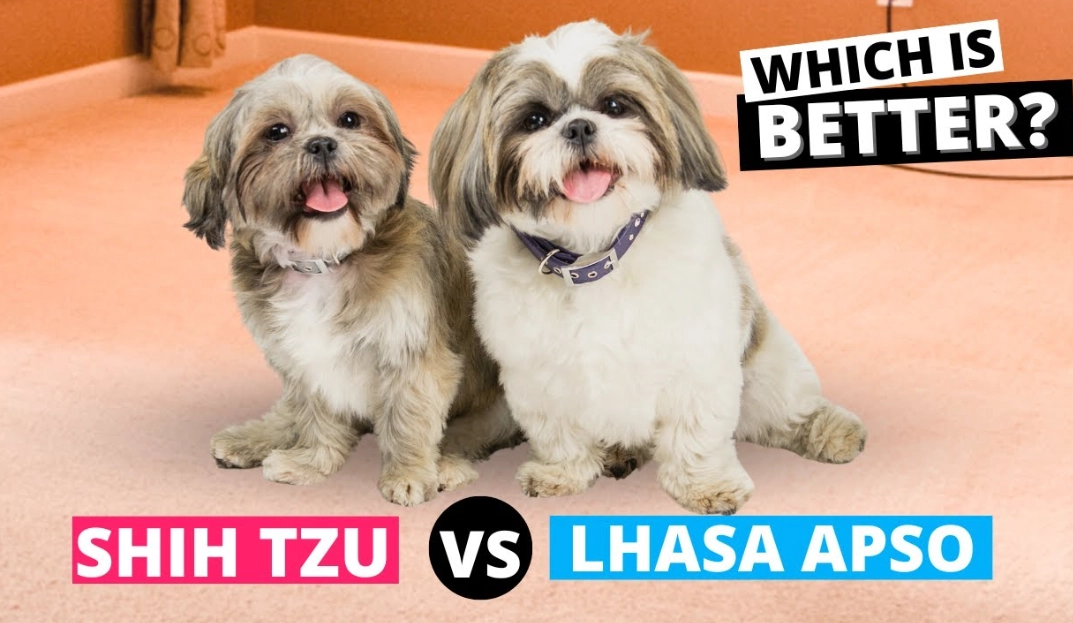
A Tale of Two Temples: History and Origins
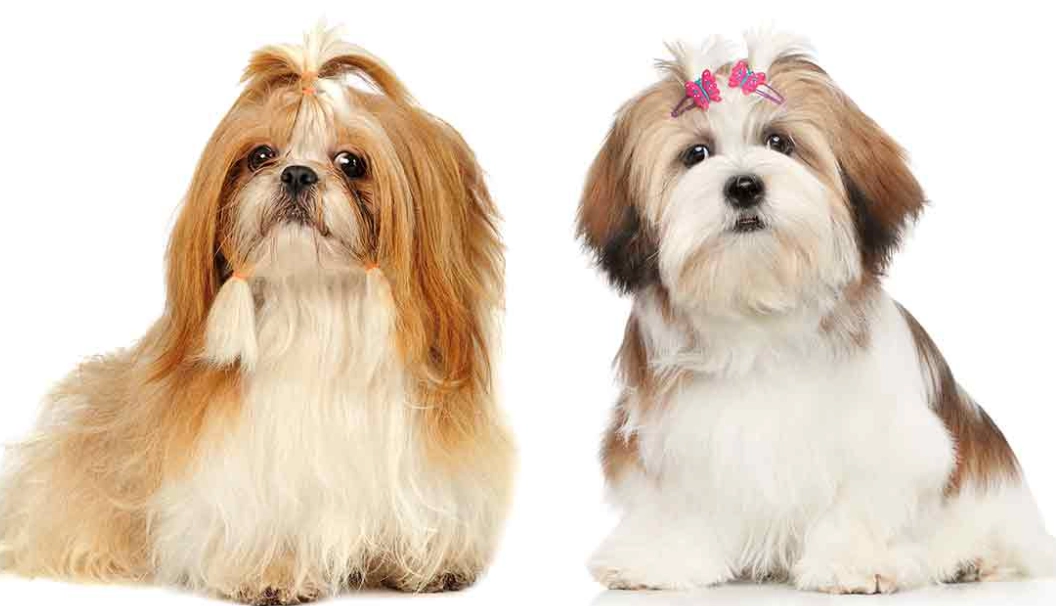
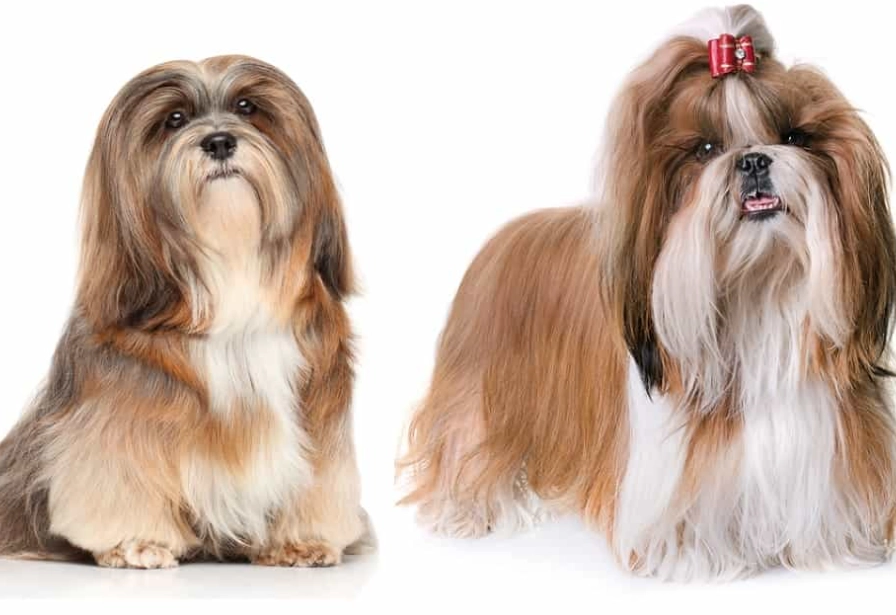
Looks Can Be Deceiving: Appearance Breakdown
Feature
Shih Tzu
Lhasa Apso
Size & Build
Generally slightly heavier and more stout. The AKC standard is 9-16 pounds. They have a shorter back.
Light and slightly longer-bodied. AKC standard is 12-18 pounds, but often appear leaner.
Head & Face
The defining feature. Large, round head with a short, upturned muzzle. The stop (dip between eyes) is very pronounced. Eyes are large, round, and set wide apart. The expression is often described as "warm," "sweet," and "childlike."
Head is narrower and less domed. Muzzle is longer and more rectangular. The stop is less dramatic. Eyes are smaller, darker, and deeper set. The expression is often "wary," "alert," or "dignified."
Coat & Colors
Hair is long, flowing, and tends to be silkier, growing straight out. Comes in virtually all colors and patterns. Often seen with a distinctive topknot.
Hair is heavy, straight, hard, and dense. It's not as silky, more of a "weather-resistant" texture. Also comes in many colors: gold, slate, smoke, and more.
Tail Carriage
Carried gaily over the back, plumed.
Carried over the back in a screw-like curl, with the plume falling to one side.
Overall Vibe
Cuddly teddy bear. Approachable and sweet-faced.
Regal, ancient, and a bit aloof. More "noble" in bearing.
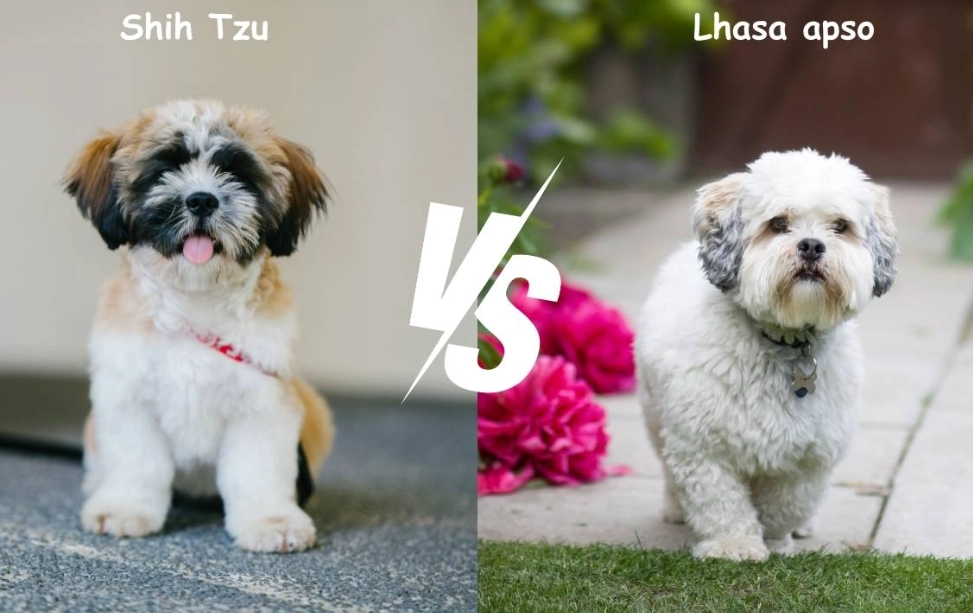
The Heart of the Matter: Personality and Temperament
The Shih Tzu: Your Velcro Companion
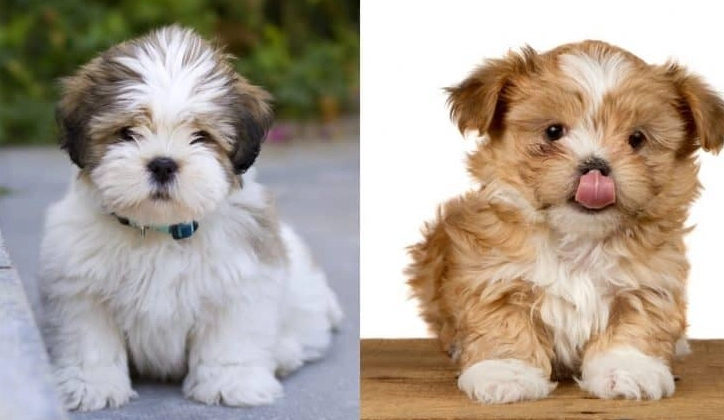
The Lhasa Apso: The Independent Thinker
The Grooming Elephant in the Room

Health and Lifespan: What to Expect
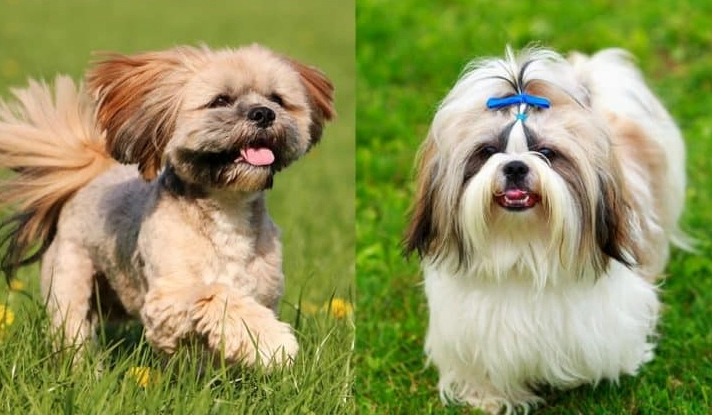
Common Shih Tzu Health Concerns:
Common Lhasa Apso Health Concerns:
Training and Intelligence: Stubborn vs. Sweet?
Living With Them: Family, Kids, and Other Pets
Activity Needs: Couch Potato or Explorer?
Decision Time: Which One Is For You?
Frequently Asked Questions (FAQs)
Let's settle this once and for all.
Key Takeaway: The Lhasa Apso is a watchdog from the mountains. The Shih Tzu is a lapdog from the palace. This fundamental difference in original job description echoes loudly in their personalities today.
My neighbor's Shih Tzu, Mochi, is a perfect example. He'll flop onto his back for a belly rub from anyone within a 10-foot radius. He has zero personal space boundaries and lives for cuddles. It's endearing, but it also means he can get a bit clingy and doesn't always do well being left alone for long stretches.
Heads up: That watchdog heritage means they will bark. And it's often a surprisingly loud, alert bark for their size. If you live in an apartment with thin walls, this is a serious consideration. They bark to tell you someone's at the door, a leaf blew by the window, or a squirrel dared to enter their kingdom.
Pro Tip: Start grooming routines – brushing, handling paws, looking in ears – the day you bring your puppy home. Make it positive with treats. A dog that tolerates grooming is a happy dog (and owner). The Fédération Cynologique Internationale (FCI) breed standards for both emphasize coat quality, highlighting its importance.
Think of it as training a willing student vs. training a clever business partner.
Can Shih Tzus and Lhasa Apsos be left alone during the workday?
Both can adapt to a normal 8-hour workday with proper training, but it's not ideal for either, especially puppies. The Shih Tzu, being more social, is more prone to separation anxiety. The Lhasa handles solitude better due to its independence, but it may fill the time with barking. A dog walker or midday break is highly recommended for any dog.
Are they hypoallergenic?
No dog is 100% hypoallergenic. However, both breeds have hair that grows similarly to human hair and sheds very little (minimal shedding is the correct term). This means dander (the common allergen) gets trapped in the coat instead of flying into the air, which can be better for some allergy sufferers. But you must brush them regularly to remove that dander-laden hair. Always spend time with the breed before committing if you have allergies.
Which breed is easier to housebreak?
Both can be challenging, as is common with many small breeds. They have small bladders and can be stubborn. The Shih Tzu might be slightly easier due to a more eager-to-please attitude. Consistency, a strict schedule, and positive reinforcement are key for either. Never use puppy pads long-term if you want reliable outdoor habits.
Is one noticeably smarter than the other?
Both are intelligent in different ways. Lhasa Apsos often score high in terms of independent problem-solving and working intelligence (what they were bred for). Shih Tzus score high in adaptive intelligence (learning from situations) and instinctive intelligence (their bred-for companionship). It's apples and oranges.
Where can I find a responsible breeder?
This is the most important step. Avoid pet stores and online marketplaces. Go directly to the national breed club websites. For Shih Tzus, visit the American Shih Tzu Club. For Lhasa Apsos, visit the American Lhasa Apso Club. These clubs have breeder referral programs that connect you with members who follow a code of ethics, perform health testing on their breeding stock, and are dedicated to the betterment of the breed. Expect to be interviewed and go on a waiting list. It's worth it.
Comment