So you're thinking about getting a Miniature Bull Terrier, or maybe you just got one, and you're wondering about their size. How big do they really get? Is "miniature" actually small, or is it more of a marketing term? I remember when I first saw one in person, I was surprised. I expected something tiny, like a Chihuahua in a muscular suit. What I got was a solid, dense little tank on four legs. The Miniature Bull Terrier size is one of those things that pictures just don't do justice. Let's cut through the vague descriptions and get into the real numbers, the growth patterns, and what living with this specific size actually means. Because knowing their size isn't just about whether they'll fit on your lap (they will, barely and insistently). It's about understanding their exercise needs, their health considerations, and their larger-than-life personality packed into a compact frame. Key Takeaway First: A Miniature Bull Terrier is a small, muscular, and substantial dog. They are not delicate or fragile. Their "miniature" status is solely in comparison to their standard Bull Terrier cousins. They stand about 10-14 inches tall at the shoulder, but what they lack in height, they make up for in sheer density and personality. Every recognized dog breed has an official "standard"—a blueprint that describes the ideal specimen. For the Miniature Bull Terrier, the major kennel clubs are fairly consistent, but there are slight nuances. It's worth checking these sources yourself. The American Kennel Club (AKC) is the go-to for the US, while the UK Kennel Club sets the standard in Britain. Here’s the breakdown you're looking for: Notice that the AKC doesn't give a weight. That's interesting, right? It emphasizes proportion over a specific number. A healthy Miniature Bull Terrier size is more about the overall build—muscular, solid, and balanced—than hitting an exact number on the scale. A dog that's 14 inches tall but skinny would be wrong. A dog that's 12 inches tall but built like a little brick would be perfect. The UK standard's weight range of 20-35 pounds feels about right for most dogs in good condition. My own male sits at a very solid 30 pounds, and he's right at that 14-inch mark. He's heavy to pick up! This is where you need to look at the dog, not just the tape measure. A well-proportioned Mini Bull Terrier should appear roughly square. The length of their body from chest to rump should be roughly equal to their height at the withers (shoulders). Their head is long and strong (described as "egg-shaped"), and it should be in balance with the rest of their body, not overly large or small. The whole package should scream "powerful" and "athletic," not "stocky" or "leggy." A Common Mistake: People often see a short, compact dog and think "easy to manage." Don't be fooled. The Miniature Bull Terrier size is deceptive. They possess the strength, energy, and stubbornness of a dog twice their physical dimensions. A 25-pound MBT can pull on a leash with the determination of a much larger animal if not properly trained. This is a common question. In many breeds, males are significantly larger. With Miniature Bull Terriers, the difference is often subtle, but it's usually there if you look for it. Generally, males tend to be at the upper end of the height and weight scale. They often develop a more muscular, "blockier" head and a slightly more substantial frame. Females are frequently, but not always, a bit finer-boned and may sit at the lower to middle range of the scale. However, I've seen some petite males and some very sturdy females. The overlap is considerable. The more noticeable difference is often in behavior and build rather than pure measurements. Males might carry themselves with a bit more... swagger. But when you're talking about a breed this confident, both sexes have attitude to spare. Watching a Mini Bull Terrier puppy grow is fascinating. They start off as little potatoes and slowly morph into their distinctive shape. Here’s a rough timeline of what to expect. Remember, every pup is an individual, and this is just a guideline. A critical point: Do not over-exercise growing puppies. Their joints are still developing. Long forced runs or repetitive jumping can cause problems later. Let them play in bursts and rest as needed. It's all relative. To give you a better mental picture, let's put the Miniature Bull Terrier size in context. Vs. Standard Bull Terrier: This is the obvious one. Standards stand at 21-22 inches and weigh 50-70 pounds. The Mini is essentially a scaled-down version, but the personality is identically huge. Vs. French Bulldog: Similar weight range (20-28 lbs), but Frenchies are shorter, more compact, and have a completely different (brachycephalic) head structure. MBTs are more athletic and less prone to breathing issues. Vs. Staffordshire Bull Terrier: Staffies are similar in spirit but are usually a bit taller (14-16 inches) and heavier (24-38 lbs for males). The build is comparable—both are muscular terriers. Vs. Jack Russell Terrier: Jack Russells are lighter (13-17 lbs) and built for speed and digging. The MBT is more of a powerhouse in comparison. Think of them as the "compact SUV" of the dog world. Not the smallest car in the lot, but built tough, with plenty of power in a manageable package. Given their Miniature Bull Terrier size, this is a top search query. The answer is a definite yes, but with major caveats. Physically, they are perfect for apartments. They don't take up much floor space. They don't need a huge yard to roam. However, their energy level and mental needs are not miniature. A bored Mini Bull Terrier in an apartment is a recipe for disaster—think chewing, barking, and inventive destruction. Success depends entirely on meeting their needs: So yes, they can thrive in an apartment, but it's an active commitment. It's not a low-maintenance pet situation. Their compact, muscular build comes with some specific health watch-outs. Being aware of these is part of responsible ownership. Reputable breeders test their breeding stock for these and other hereditary conditions. Always ask for health clearances from organizations like the Orthopedic Foundation for Animals (OFA). My Personal Rule: I judge my dog's weight by his "tuck." Looking from the side, his belly should tuck up from his ribs to his hindquarters. Looking from above, he should have a visible waist behind his ribs. If that waist starts to disappear, it's time to cut back on treats and up the exercise. It's a constant balance. Let's bust some myths floating around the internet. Myth 1: "They are just like a small Standard Bull Terrier." Mostly true in spirit, but some argue Minis can be a bit more intense or energetic because that big-dog drive is packed into a smaller body. I'm not sure if science backs that, but anecdotally, many owners agree. Myth 2: "Their small size makes them easy for first-time owners." Absolutely false. This is a challenging breed regardless of size. They are stubborn, strong-willed, and require consistent, confident training. Their small stature might make them seem more manageable, but their personality is 100% strong-headed terrier. Myth 3: "You can pick them up to control them." A terrible strategy. Using picking up as a primary method of control can create a nervous, reactive dog. It doesn't teach them anything. Management and training are key. Here are the questions I get asked most often, the ones people are really searching for. The Miniature Bull Terrier size is a wonderful paradox. It gives you a dog that's convenient for travel, easy to fit in a car, and doesn't eat you out of house and home. But it packages a heart and mind that are anything but small. Owning one means respecting that paradox. Don't baby them because they're small—they'll hate it and act out. Don't underestimate their physical needs because of their stature. Provide them with the structure, exercise, and mental challenges a working terrier deserves, and you'll have a loyal, hilarious, and endlessly entertaining companion whose size becomes the least interesting thing about them. They're not for everyone. They can be stubborn, they can be selective with other dogs, and they require an owner who understands terrier grit. But if you're the right match, you'll find that their compact, powerful little body contains a truly larger-than-life personality. And honestly, that's the best part of the whole deal.Quick Navigation
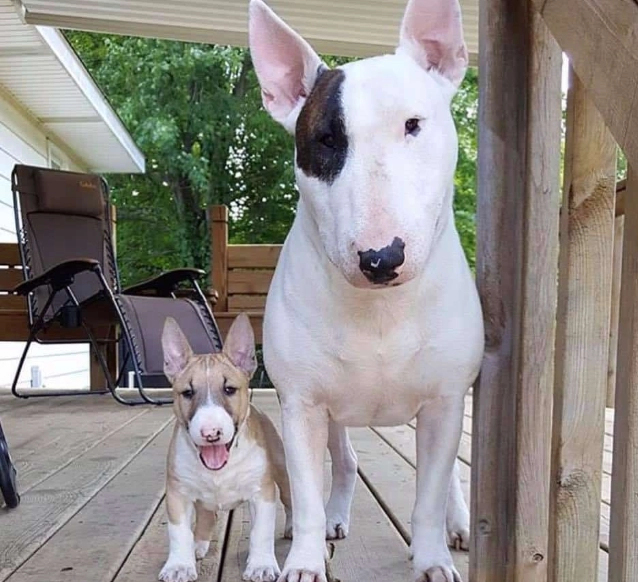
The Official Numbers: Breed Standard Height and Weight
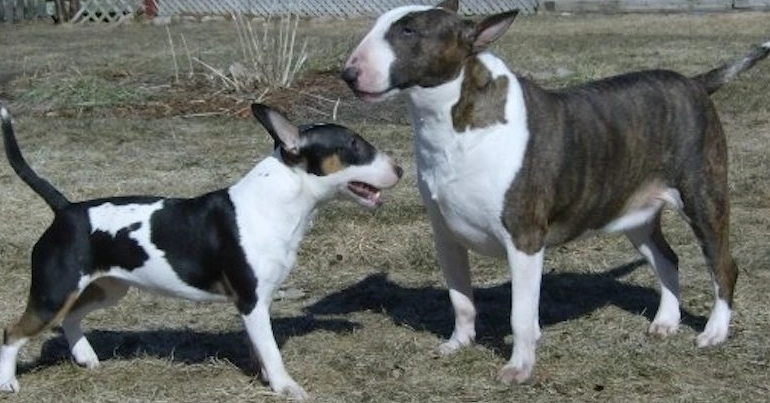
Breed Club
Maximum Height
Weight Range
Key Stipulation
American Kennel Club (AKC)
14 inches (35.5 cm)
Not specified, but proportionate
There is no specified minimum height or weight.
The Kennel Club (UK)
Not to exceed 35.5 cm (14 in)
Approx. 9-16 kg (20-35 lbs)
Should appear square and balanced.
Fédération Cynologique Internationale (FCI)
35.5 cm (14 in) max
Not specified
Must not exceed the height measurement.
What Does "Proportionate" Really Mean?
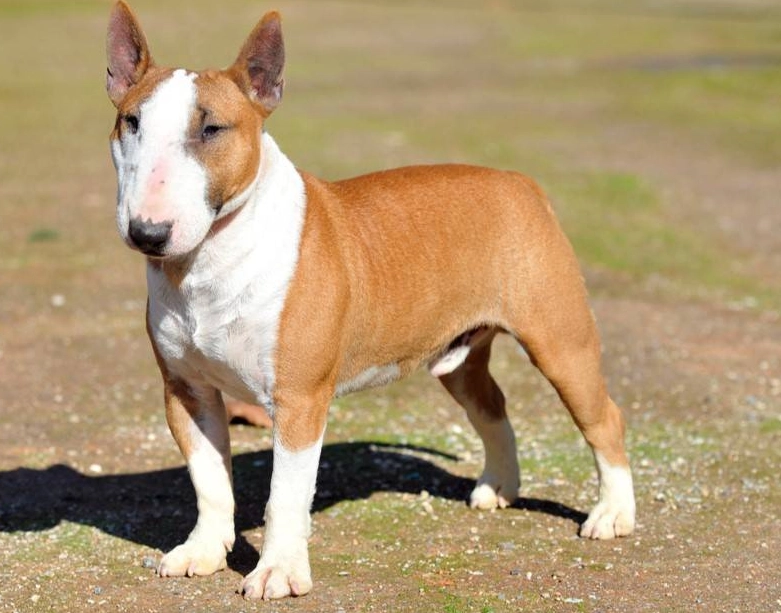
Male vs. Female Miniature Bull Terrier Size: Is There a Difference?
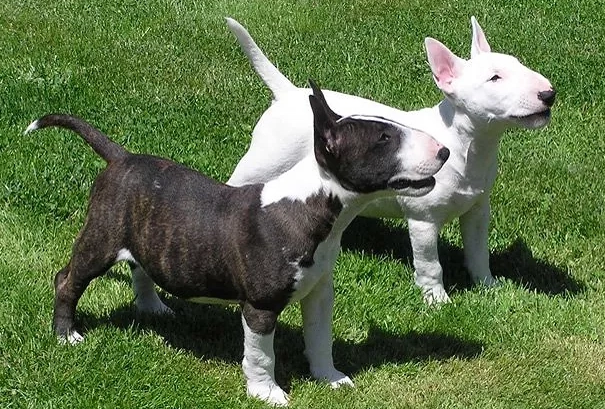
Growth Chart: From Puppy to Full-Grown Mini Bull Terrier
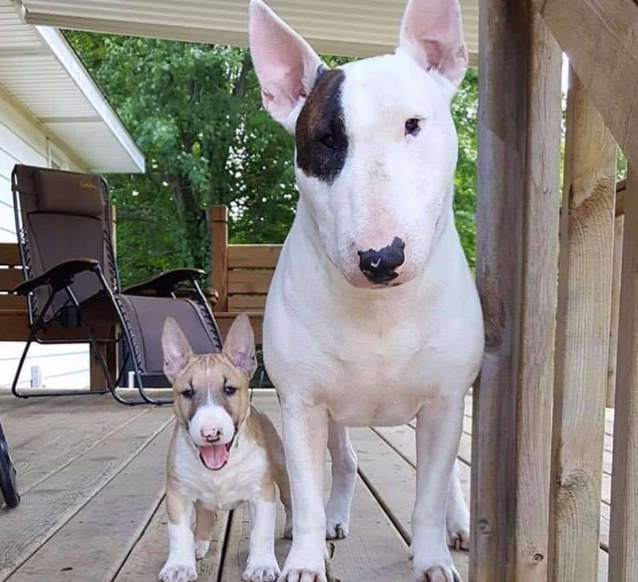
How Does Their Size Compare to Other Dogs?
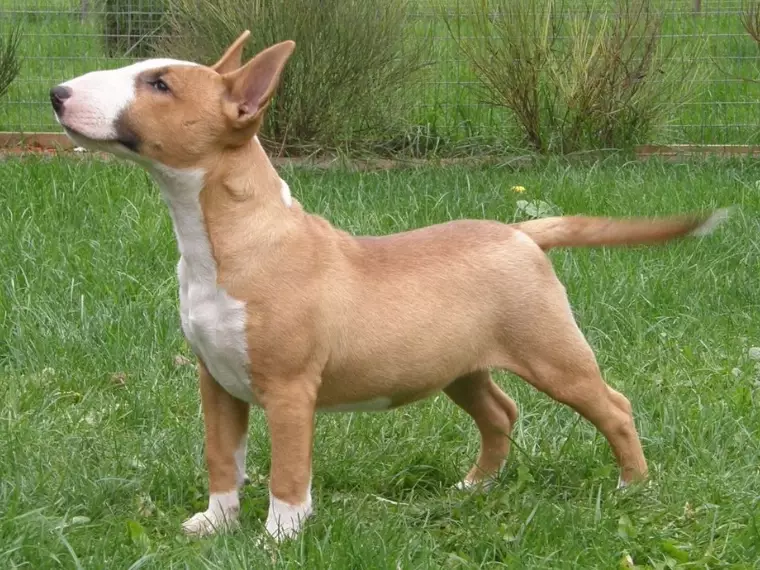
The Big Question: Are They Good Apartment Dogs?
Health Considerations Related to Size
Common Myths and Misconceptions About Their Size
Frequently Asked Questions (FAQs)
Final Thoughts: Living with This Unique Size
It's not a race. Let them grow at their own pace.
At what age is a Miniature Bull Terrier fully grown?
They typically reach their full height by 10-12 months, but they continue to fill out and develop muscle until they are about 2 years old. So, while they might look "adult" at a year, they aren't truly in their final, mature physical form until closer to age two.
How can I tell if my Mini Bull Terrier is overweight?
Use the "rib test" and the "aerial view." You should be able to easily feel their ribs without pressing hard—like feeling the bones on the back of your hand. Looking from above, they should have a defined waist behind the ribs. From the side, the abdomen should tuck up. If you're unsure, your vet is the best judge.
Is there a "toy" or "teacup" Miniature Bull Terrier?
No. This is a marketing ploy by unethical breeders. The breed standard has a maximum height for a reason. Breeders intentionally producing dogs significantly smaller than the standard are likely ignoring health and structure, leading to potentially frail, unhealthy dogs with a host of problems. Run, don't walk, away from anyone advertising "teacup" or "micro" Mini Bull Terriers.
Will my Mini Bull Terrier get along with smaller pets (cats, rabbits)?
This has less to do with their size and everything to do with their terrier heritage. They have a strong prey drive. Early, positive socialization is essential, but there are no guarantees. Many MBTs can live peacefully with cats they are raised with, but the cat must be dog-savvy. Small animals like rabbits, guinea pigs, or pet birds are at extreme risk and should never be left unsupervised. Ever.
Comment