Quick Navigation
So you're thinking about getting a Neapolitan Mastiff, huh? That's a big decision. I mean, a really big decision. You've probably seen pictures of these majestic, wrinkly giants looking like ancient Roman guardians and thought, "I need that in my life." I get it. They're incredible dogs. But let's hit the pause button for a second.
Before you fall head over heels for those droopy eyes, you need to ask the hard question: what are the disadvantages of a Neapolitan Mastiff? And I'm not talking about a quick list you skim. I mean a deep, honest, sometimes messy dive into what life is actually like with one of these living monuments. This isn't to scare you off. It's to make sure you're the right person for them, and they're the right dog for you. Because getting it wrong isn't fair on anyone, especially the dog.
I've talked to breeders, owners, vets, and trainers. I've heard the love stories and the "what was I thinking" stories. This guide is that conversation.
The Big Three: Health, Grooming, and Training
When people ask me about the downsides, three areas always dominate the conversation. They're intertwined, and each one is a major commitment.
1. A Lifetime of Health Concerns and Vet Bills
This is the heaviest part. Neapolitan Mastiffs, like many giant and giant-molosser breeds, are prone to a heartbreaking list of health issues. It's the single biggest disadvantage in my book. You're not just buying a puppy; you're signing up for a potential lifelong medical support role.
The list isn't short. We're talking about conditions that are expensive to manage, painful for the dog, and emotionally draining for you.
| Health Condition | Why It's a Problem for Neos | Potential Long-Term Impact & Cost |
|---|---|---|
| Hip & Elbow Dysplasia | Extremely common in large breeds. The abnormal development of these joints leads to arthritis, pain, and lameness. | Lifetime of pain medication, possible surgery (thousands of dollars), mobility aids (ramps, harnesses), reduced quality of life. |
| Bloat (GDV) | Deep-chested breeds are high-risk. The stomach twists, cutting off blood flow. It's a true, sudden emergency. | Without immediate surgery (often $3,000-$7,000+), it's fatal within hours. Even with surgery, survival isn't guaranteed. |
| Cardiac Issues | Including cardiomyopathy (heart muscle disease). Can be subtle until it becomes serious. | Regular cardiologist visits, expensive medications, risk of sudden death. Monitoring is key but costly. |
| Skin Fold Dermatitis & Infections | All those beautiful wrinkles? They're dark, moist breeding grounds for yeast and bacteria. | A constant, non-negotiable grooming task. Chronic infections lead to vet visits, antibiotics, medicated shampoos, and a smelly, uncomfortable dog. |
| Entropion/Ectropion | Eyelid abnormalities where the lid rolls in (entropion) or out (ectropion). Common in loose-skinned breeds. | Chronic eye irritation, ulcers, pain. Often requires corrective surgery to prevent blindness or permanent damage. |
You absolutely must get a puppy from a breeder who does all the recommended health testing on the parents (hips, elbows, heart, eyes) and can show you the OFA/PennHIP certificates. The American Kennel Club's breed page lists these recommended tests, and the Orthopedic Foundation for Animals (OFA) website is where you verify them. Don't skip this. A "good deal" on a puppy from untested parents is a potential $10,000+ vet bill waiting to happen.
I know an owner whose Neo needed double hip replacement before age five. The financial and emotional toll was immense. It's a real, common story.
2. The Grooming is a Physical Job, Not a Chore
Forget the idea of a quick weekly brush. Grooming a Neapolitan Mastiff is a sweaty, slobbery, all-hands-on-deck operation. It's about health maintenance, not just looks.
- The Wrinkle Cleaning Ritual: This is daily. Every single day, you need to get into every fold of skin—face, neck, body—dry it thoroughly, and often apply a prescribed powder or wipe to prevent infection. Miss a day or two, and you'll smell it. The dog will be itchy and miserable. It's time-consuming and requires a patient dog (which you have to train them to be).
- The Drool. Oh, the drool. It's not the cute little bit from a Labrador. It's long, sticky, rope-like strands that will hang from their jowls and be flung onto your walls, ceiling, clothes, and guests. You'll find drool spots everywhere. You need towels stationed all over the house. You'll wipe walls. If the thought of wiping saliva off your television screen grosses you out, stop right here.
- Shedding: They have a short coat, but they shed a lot. And because they're huge, it's a huge amount of hair. It's coarse hair that embeds itself in furniture. You'll be vacuuming constantly.
- Nail Trimming & Ear Cleaning: A struggle with any dog, but with a 150-pound dog who might be head-shy or resistant, it can be a two-person job requiring professional help. Their nails are thick and tough.
Seriously, think about your tolerance for mess.
3. Training: Stubborn is an Understatement
They were bred to think for themselves as guardians. This does not translate to an eager-to-please, biddable personality like a Golden Retriever. Training a Neapolitan Mastiff requires immense patience, consistency, and a deep understanding of dog psychology.
- Independent Thinkers: They will assess every command you give. "Is this worth my effort? What's in it for me? Do I feel like it right now?" They can be profoundly stubborn. This isn't disobedience out of spite; it's a calculated choice. You need high-value rewards and a compelling reason for them to comply.
- Socialization is NOT Optional: It's a life-or-death imperative. A poorly socialized, fearful, or aggressive 150-pound mastiff is not a pet; it's a dangerous liability. You must expose them positively to countless people, places, sounds, dogs, and situations during their critical socialization window (before 16 weeks) and continue for life. This takes massive, proactive effort.
- Professional Help is Strongly Advised: I would never recommend someone train a Neo without guidance from a professional trainer experienced in giant guardian breeds. You can easily make mistakes that create bigger problems. The UK Kennel Club's breed guide emphasizes their need for "fair, firm and consistent handling," which is harder than it sounds.
- Recall Off-Leash? Forget it. In an unsecured area, they should always be on a leash. Their guarding instincts can kick in, and if they decide to go investigate (or protect) something, you will not be able to stop them physically.
Their size makes every training challenge magnified. A 20-pound puppy jumping up is cute. A 100-pound adolescent Neo jumping up can knock over an adult.
Space, Lifestyle, and Family Fit
This is where the practical realities hit home. Your living situation must accommodate a small horse.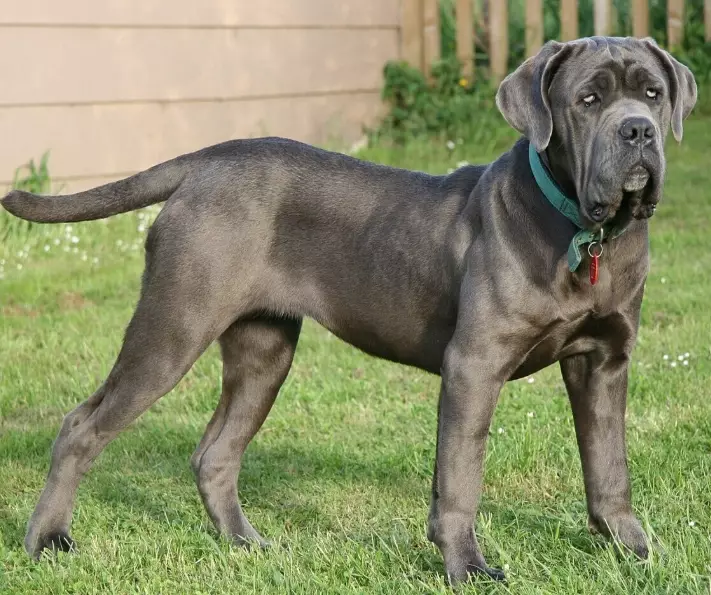
They Need (and Take Up) Serious Space
An apartment is a hard no. Even a small house with narrow hallways, tight corners, or a lot of fragile décor is a bad fit. They need room to move, turn around, and find a cool spot on the floor without knocking everything over.
- Floor Space > Yard Space: Ironically, they are not high-energy dogs needing acres to run. They are couch potatoes. But they need ample indoor space to sprawl. Your living room will become their room.
- Heat Sensitivity: Those massive bodies and short muzzles (brachycephalic traits) make them overheat dangerously fast. They cannot be outdoor dogs. They need constant access to air conditioning in warm climates. Walks must be in the coolest parts of the day.
- Car & Travel: You need a large SUV, van, or truck. Getting a sick or elderly 150+ lb dog to the vet is a logistical puzzle. Traveling with them is extremely difficult. Boarding facilities that can handle giants are rare and expensive.
Are They Good Family Dogs? It's Complicated.
This is a major point of research for people. The answer is: maybe, under very specific conditions.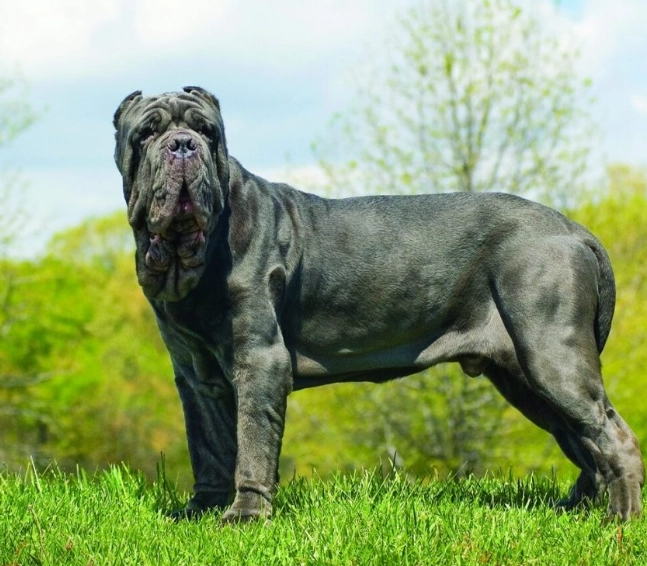
They are often a "one-person" or "one-family" dog. They can be aloof or suspicious of strangers, which includes your children's friends. Having friends over requires management and introduction protocols. The dog may need to be put in another room during loud parties.
What about other pets? With early socialization, they can coexist with family cats or other dogs. But their strong prey drive and guarding instincts mean small animals (like rabbits or neighbor's cats) are at risk. Same-sex aggression, particularly between males, is common in the breed.
The Financial Reality: A Breakdown
Let's talk money, because the disadvantages of a Neapolitan Mastiff hit your wallet hard and constantly.
- Initial Cost: A puppy from a reputable, health-testing breeder: $2,500 - $5,000+.
- Essential Gear: XXL everything. Extra-strong crate ($300+), heavy-duty leash/harness ($100+), raised feeder, orthopedic dog bed (they need two, at $150+ each), car harness/ramp.
- Food: 8-10 cups of high-quality large-breed formula kibble per day. We're talking $150-$250+ per month, easily.
- Preventive Meds: Heartworm, flea/tick for a 150+ lb dog costs 3-4 times what it does for a medium dog.
- Routine Vet Care: Vaccines, exams, etc., are often priced by weight. Everything costs more.
- Grooming Supplies & Professional Help: Constant resupply of wrinkle wipes, powders, shampoos. Professional grooming for nails/ears if you can't do it.
- Pet Insurance: $150-$300+ per month, with a high deductible, for decent coverage. And it will go up every year.
- Emergency Fund: You should have $5,000-$10,000 in accessible savings specifically for potential health crises, even with insurance.
It's a 8-10 year financial commitment at the level of a car payment.
Common Questions (The Stuff You're Secretly Searching)
Are Neapolitan Mastiffs aggressive?
They are not inherently aggressive, but they are inherently suspicious and protective. Without proper breeding, socialization, and training, that protective instinct can manifest as aggression. A stable Neo is aloof with strangers but not hostile without cause. An unstable one is a serious danger. It's all in how you raise and manage them.
How long do they live?
7-9 years is typical for a giant breed. Some may reach 10 with exceptional care and genetics. Their short lifespan is a profound emotional disadvantage. You are investing a decade of intense care for a relatively short return on companionship.
Can they be left alone?
Not for long periods. They are prone to separation anxiety and can be destructive (imagine the damage a bored, anxious giant can do). They are velcro dogs who want to be near their people. A full-time work-from-home situation or a family with someone usually home is ideal.
Are they smart?
Yes, but not in a "let's learn tricks" way. They are intelligent problem-solvers with strong situational awareness. They learn what they want to learn. Obedience titles are rare; they work on their own terms.
What's the #1 reason people rehome them?
From the rescues I've spoken to, it's a combination of: 1) The owner was unprepared for the sheer size and strength. 2) Unmanageable health issues (cost and care). 3) Behavioral problems stemming from lack of socialization and training, often related to fear or guarding. People get the puppy and are utterly overwhelmed by the adult.
Final Thoughts: Who Should Actually Get One?
After all this, you might wonder if anyone should own one. The answer is yes, but it's a very narrow slice of the dog-owning population.
A good Neapolitan Mastiff owner has: significant experience with giant/guardian breeds, a very stable and predictable lifestyle, a spacious home, no young children, a robust financial safety net, the time for daily maintenance and training, and a deep appreciation for a strong-willed, dignified companion rather than an obedient servant.
They are not for showing off. They are not a status symbol. They are a profound responsibility.
So, when you ask, "What are the disadvantages of a Neapolitan Mastiff?" you're really asking about a lifestyle change. You're asking if you're ready to center a significant part of your life—your time, money, space, and energy—around the needs of a gentle, stubborn, slobbery, expensive, and heartbreakingly short-lived giant. If you are, and you go in with eyes wide open, the rewards of their loyalty and unique presence are like nothing else. But go in unprepared, and the disadvantages will quickly become a crisis for both you and the dog.
Do your homework. Meet the breed in person. Talk to multiple owners and breeders. And be brutally honest with yourself. It's the only way to know if you're truly ready for all the challenges—and the incredible rewards—that come with those magnificent wrinkles.
For more information on responsible ownership and health testing, the American Veterinary Medical Association (AVMA) provides excellent resources on managing conditions common to large breeds, like osteoarthritis.
Reader Comments