Quick Navigation
- From Ship to Shore: The Newfoundland's Story
- More Than a Big Dog: Personality and Temperament
- Living with a Land Manatee: Daily Care and Needs
- Health Considerations: Being Proactive
- Newfoundland vs. Other "Giant" or "Gentle" Breeds
- Training Your Gentle Giant: It's Non-Negotiable
- Answering Your Burning Questions
- The Final Verdict: Is a Newfoundland Right For You?
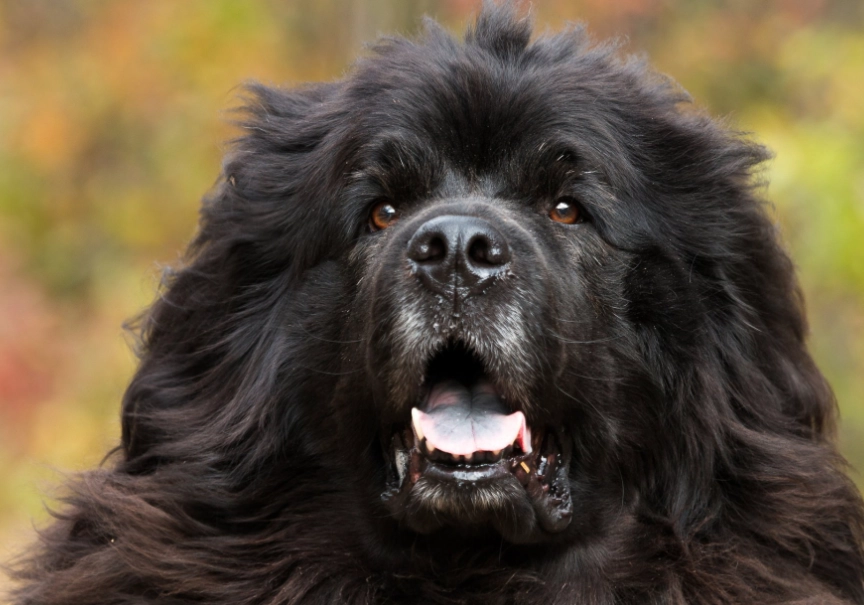
Okay, let's get one thing straight right off the bat. When people search for information on a "Newfoundland animal," nine times out of ten, they're not talking about the province's wildlife. They've seen a picture, or maybe met one in the park—a massive, bear-like creature with a soulful face and a surprisingly gentle demeanor. That's the Newfoundland dog. And if you're here, you're probably smitten and wondering, "Could one of these gentle giants really live with me?"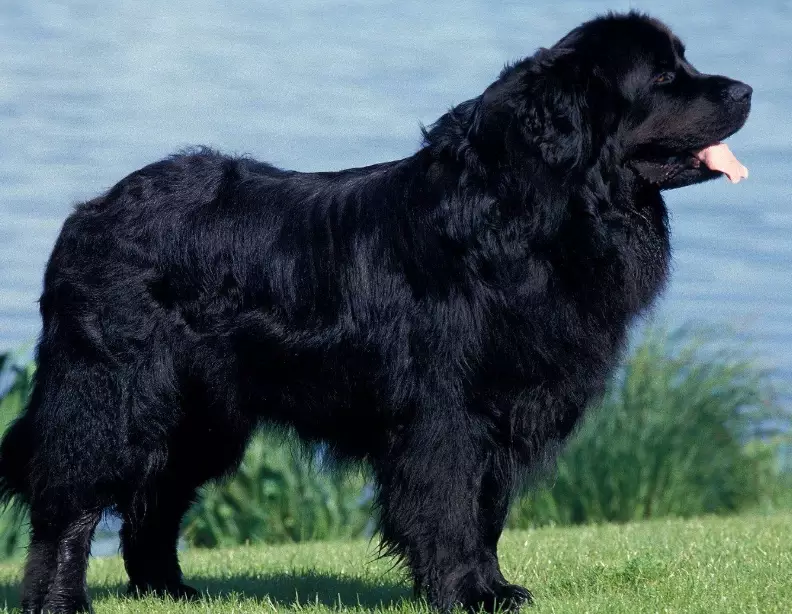
I get it. I was in your shoes years ago. The appeal is undeniable. But owning a Newfie isn't like owning a golden retriever or a beagle. It's a commitment on a different scale, literally and figuratively. This guide isn't just a fluffy list of breed traits. We're going to dig into the nitty-gritty: the legendary sweetness, the epic drool, the grooming marathons, the potential health bills, and the sheer amount of space they occupy, both physically and in your heart.
From Ship to Shore: The Newfoundland's Story
You can't really understand this breed without knowing where it came from. The origins are a bit murky, but the most accepted theory points to the dogs brought to the island of Newfoundland by European fishermen in the 1700s. Think big, strong working dogs like mastiffs and maybe the Portuguese Water Dog. These dogs had to survive a harsh climate and earn their keep.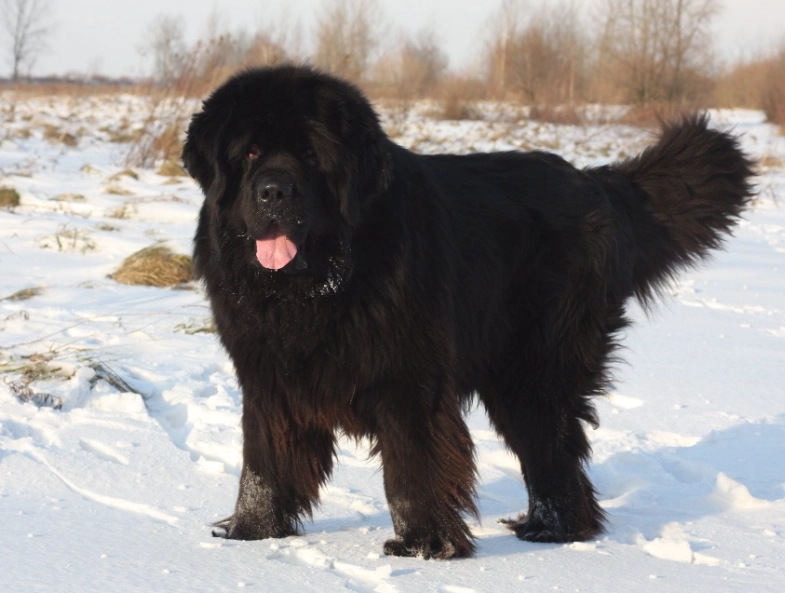
And earn it they did. Their webbed feet made them powerful swimmers. Their thick, oily double coat repelled icy water. Their immense strength allowed them to pull fishing nets to shore. Most famously, their calm intelligence and instinct made them unparalleled water rescue dogs. There are countless tales, some verified by historical records, of Newfoundlands saving sailors from drowning. This isn't just a cute trait; it's the essence of the breed. The American Kennel Club (AKC) and the Canadian Kennel Club (CKC) both detail this rich history as part of the breed standard. You can read more about their fascinating background on the AKC's Newfoundland breed page.
That working-dog mentality is still there. They might not be hauling nets in your backyard, but they'll want a job. Even if that "job" is carrying the groceries in a backpack (yes, they make backpacks for giant breeds) or being a steady, gentle pillow for your kids.
More Than a Big Dog: Personality and Temperament
This is where the Newfoundland dog truly shines, and why families fall in love. The phrase "gentle giant" might as well have been invented for them. But let's break that down beyond the cliché.
The Good (The Really, Really Good)
Their patience is almost supernatural. I've seen a toddler use a Newfie as a climbing gym, and the dog just sighed contentedly. They are famously good with children and other animals. There's a calm, watchful stability to them. They're not hyper or nervous; they have a steady, reassuring presence. They are intensely loyal and want to be part of the family action, though often from a prone position on the coolest floor in the house.
They are also surprisingly sensitive. A sharp tone of voice can crush them. They respond best to calm, positive reinforcement. Yelling is pointless and damaging with this breed.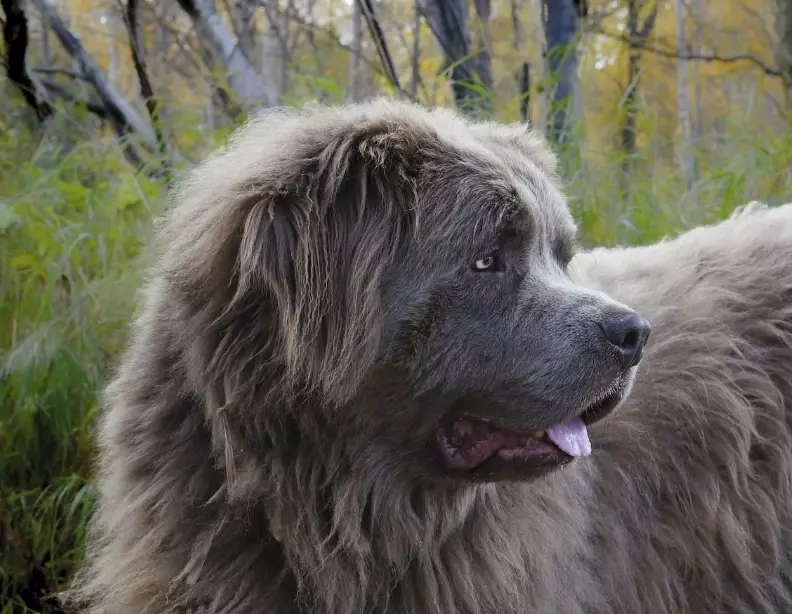
The... Quirks (Let's Be Real)
They drool. Oh boy, do they drool. It's not constant, but it's triggered by food, water, heat, excitement, and sometimes just gravity. You will find "Newfie glitter" (dried drool strings) on your ceiling, your walls, and your good black pants. Keep a "slobber towel" by the door and the food bowl. It's a fact of life.
They shed. Not just a little. They have a massive double coat that "blows"—sheds heavily—usually twice a year. During those times, you can create a whole new dog from the fur you collect. Regular brushing is non-negotiable, not just for your sanity but for their skin health.
They are big. This seems obvious, but it impacts everything. A full-grown male can easily weigh 140-150 pounds. They take up the entire hallway. They can clear a coffee table with a wagging tail. You need space, both indoors and out. A studio apartment is cruel for a Newfoundland animal.
Living with a Land Manatee: Daily Care and Needs
So, what does a day in the life with a Newfoundland dog actually look like? It's less about intense exercise and more about management.
Grooming: It's a Commitment
Forget quick weekly brushes. To prevent painful mats (which form close to the skin, especially behind ears, in the "pants" on the hind legs, and under the armpits), you need a serious toolkit and a routine. Here's the arsenal I recommend:
- A High-Quality Slicker Brush: For breaking up tangles in the undercoat.
- A Long-Pinned Rake or Undercoat Rake: This is the MVP for pulling out the dead undercoat during shedding season.
- A Steel Comb: The final check. If it doesn't glide smoothly to the skin, there's a mat starting.
- Dog-Specific Shampoo and Conditioner: Their coat has natural oils. Harsh human shampoo strips it. A good conditioner helps with manageability.
- A High-Velocity Dryer: This is a game-changer. Not a human hair dryer! It blows water out of the dense undercoat and helps fluff it up to prevent matting as it dries. Air-drying a soaked Newfie can take a day and almost guarantees mats.
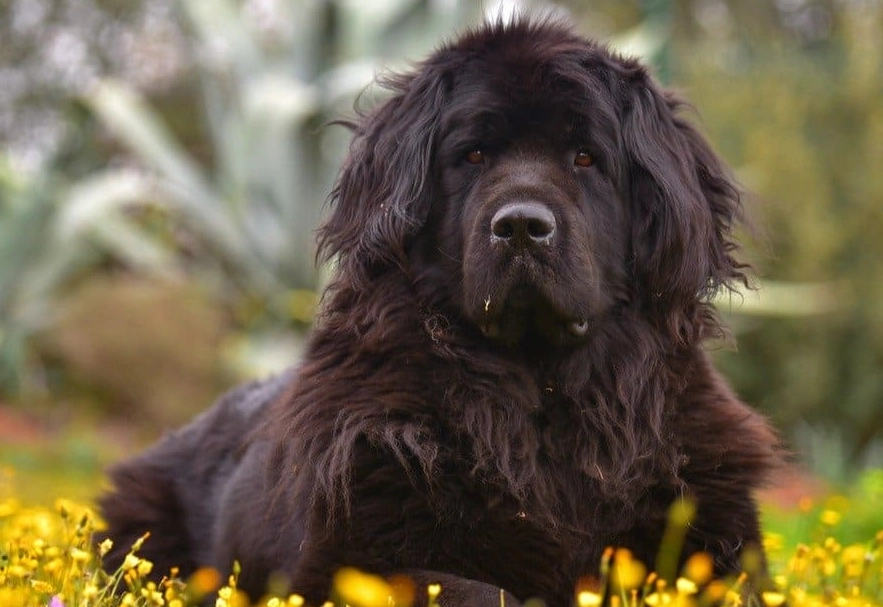
Expect to brush thoroughly 2-3 times a week, and daily during coat-blowing season. A full groom (bath, dry, brush-out) is a 2-3 hour event. Many owners opt for professional groomers every 6-8 weeks, which is a significant ongoing expense.
Exercise: Think Steady, Not Speedy
Newfoundlands are not endurance athletes. They are built for power, not speed. Over-exercising a puppy or adolescent can damage their developing joints. What they need is moderate, consistent activity.
- Two or three shorter walks a day are better than one long, forced march.
- Swimming is their absolute favorite thing in the world. It's zero-impact exercise that uses all their muscles and cools them down. If you have safe water access, it's a blessing.
- Mental exercise is just as important. Puzzle toys, scent work, or basic obedience practice tires them out nicely.
Nutrition and Cost
A giant breed eats a lot, but it's not just about quantity. You need a high-quality, large-breed or giant-breed formula. These are specifically formulated to control calcium and phosphorus levels for slower, steadier bone growth, which is critical for preventing joint issues. Expect to go through a 30-40 lb bag of premium food every few weeks. And treats? They're big, so training treats add up. Then factor in preventatives (flea/tick/heartworm for a 150lb dog), grooming, and the potential for higher veterinary costs (medication doses are by weight). The initial purchase price of the puppy is just the entry fee.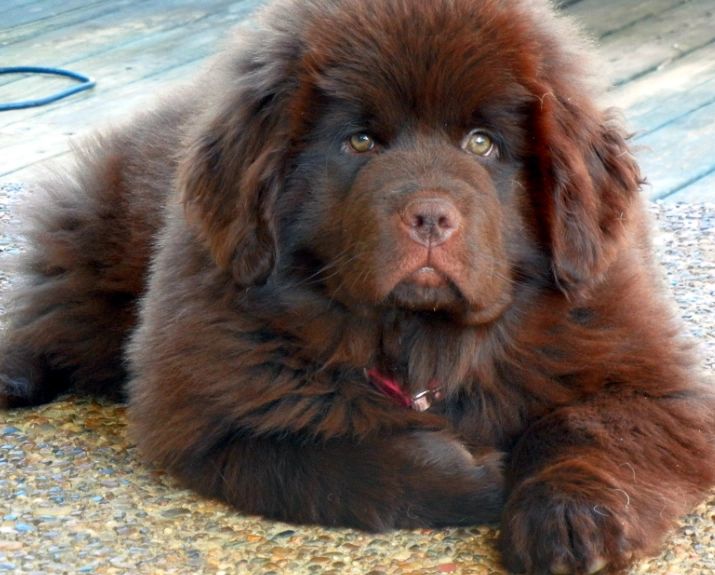
Health Considerations: Being Proactive
All purebred dogs have potential health concerns, and the Newfoundland is no exception. A responsible breeder will test their breeding stock for these genetic conditions. When looking for a puppy, demand to see the health clearances from the Orthopedic Foundation for Animals (OFA) or equivalent organizations.
The big ones to know about:
- Hip and Elbow Dysplasia: Malformation of the joints leading to arthritis and pain. This is the number one concern. Good breeding, proper nutrition, and avoiding excessive jumping/stairs during growth can help mitigate risk.
- Subaortic Stenosis (SAS): A serious congenital heart defect. Reputable breeders have their dogs' hearts screened by a veterinary cardiologist.
- Cystinuria: A genetic disorder that can lead to bladder stone formation.
- Gastric Dilatation-Volvulus (GDV) or Bloat: This is a life-threatening emergency where the stomach fills with gas and twists. It's a risk for all deep-chested breeds. Feeding multiple small meals a day instead of one large one, using a slow-feed bowl, and preventing vigorous exercise around mealtimes can reduce risk. Know the symptoms (unproductive retching, distended abdomen, restlessness) and have an emergency plan.
You can find detailed information on recommended health screenings for the breed on the OFA's breed-specific page for Newfoundlands.
Newfoundland vs. Other "Giant" or "Gentle" Breeds
Maybe you're also considering a Saint Bernard, a Leonberger, or a Bernese Mountain Dog. How does the Newfoundland animal compare? Here's a quick, real-world breakdown.
| Breed | Temperament Vibe | Grooming Level | Key Differences/Notes |
|---|---|---|---|
| Newfoundland | The calm, sweet, water-loving nanny. Steady and patient. | VERY HIGH (Heavy, oily double coat, constant maintenance) | Most strongly associated with water rescue. Can be slightly more laid-back indoors than some other giants. |
| Saint Bernard | Friendly, patient, but can be a bit more goofy and clumsy. | HIGH (Heavy shedding, but coat can be shorter/longer) | Historically an alpine rescue dog. Similar drool factor. May be slightly more independent. |
| Leonberger | Playful, goofy, and very people-oriented. "The Leonberger smile" is famous. | VERY HIGH (Long, double coat similar to Newfie) | A more recent "designer" breed (mix of several, including Newfie & Saint). Often described as more playful and "puppy-like" into adulthood. |
| Bernese Mountain Dog | Affectionate, loyal, and eager to please. Can be more velcro. | HIGH (Long, tri-color coat, sheds heavily) | Historically a farm draft dog. Unfortunately, has a significantly shorter average lifespan (7-8 years) due to high cancer rates. |
See? It's not just about size. The grooming for a Newfie is a standout commitment, and their specific affinity for water is unique.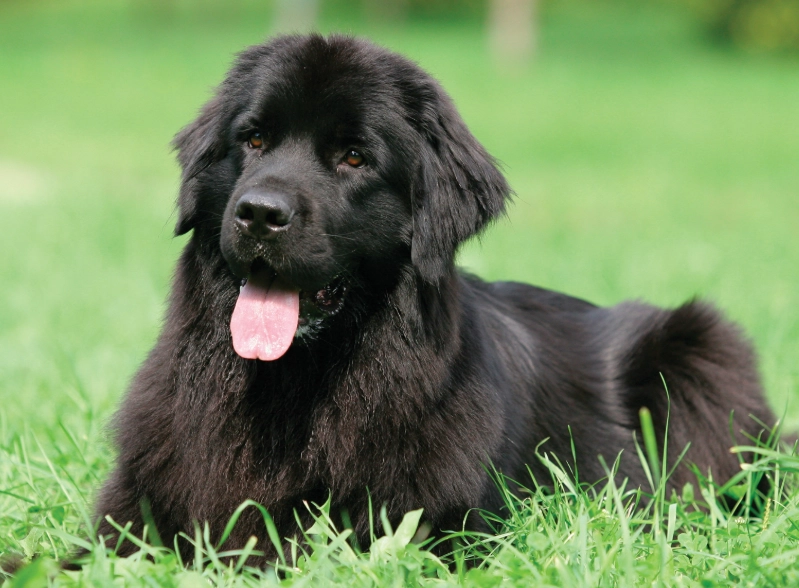
Training Your Gentle Giant: It's Non-Negotiable
A 20-pound dog that pulls on the leash is annoying. A 150-pound dog that pulls is dangerous. Training is not optional; it's a critical safety issue. The good news? Newfoundlands are generally eager to please and intelligent.
Start early with socialization (positive exposure to all sorts of people, places, sounds, and other animals) and basic obedience. Puppy kindergarten is great, but make sure the trainer has experience with giant breeds. Focus on the essentials:
- Loose-Leash Walking: This is priority number one. You must be able to control your dog on walks.
- Reliable Recall: Coming when called, every time. Especially important if they ever get loose or near water.
- Solid "Sit," "Down," and "Stay": Basic impulse control. A solid "stay" can stop them from bolting out a door.
- Gentle Manners: No jumping up, no mouthing. A jumping Newfie can knock over an adult.
Use positive reinforcement—treats, praise, play. They are sensitive souls who shut down under harsh correction. Consistency from every family member is key. A little effort in the first two years pays off for a lifetime of manageable companionship.
Answering Your Burning Questions
The Final Verdict: Is a Newfoundland Right For You?
Let's circle back to your original question. The Newfoundland dog is an incredible, loving, and noble creature. They can be the heart of a family, a gentle guardian for children, and a source of endless, if sometimes slobbery, affection.
But.
You need to be brutally honest with yourself. Do you have the space? The time for daily brushing and regular marathon grooming sessions? The budget for food, grooming, and potential vet care? The physical strength to handle a dog that may one day need help standing up? Can you tolerate drool on your walls and fur on everything you own?
If you answered yes, and your heart is set on a loyal, calm, water-loving companion who will lean against you with their full weight just to be close, then a Newfoundland might just be your perfect match. Start by finding a breeder who is a member of the Newfoundland Club of America or its regional affiliates. Meet adult dogs. Talk to owners. Get the full, unfiltered picture.
Owning one of these animals is a profound experience. It's messy, expensive, and sometimes heartbreaking due to their shorter lives. But for the right person, it's also one of the most rewarding relationships you can have with a dog. They don't just live in your house; they leave giant paw prints on your soul.
Reader Comments