So you're thinking about an Airedale Terrier. Maybe you saw one at the park, that confident, wiry-coated dog with a beard that seems to smirk at the world. Maybe you've heard they're smart. Really smart. Let's talk about what that actually means for day-to-day life. I remember the first time I spent a weekend dogsitting an Airedale named Winston. He figured out how to open the backyard gate latch in under ten minutes. Not by chewing—by watching, nudging, and using his paw with the precision of a locksmith. That's the Airedale Terrier experience in a nutshell: endlessly entertaining, constantly surprising, and occasionally making you question who's really in charge. This isn't just a breed profile. Consider this your unfiltered, from-the-trenches guide to living with what's often called the "King of Terriers." We'll get into the good, the challenging, and the downright hairy details of Airedale ownership. No fluff, just the stuff you need to know before you bring one of these magnificent, stubborn, and utterly charismatic dogs home. To understand the dog, you gotta know where it came from. The Airedale Terrier hails from the Aire Valley in Yorkshire, England. They weren't bred to be lapdogs. In the 1800s, working folk needed a versatile dog that could do it all: hunt otters and rats, retrieve game from water, and guard the property. They crossed the now-extinct Old English Terrier with the Otterhound, among others, aiming for size, swimming ability, and that tenacious terrier spirit. The result was the ultimate working terrier—bigger and more capable than its cousins. They served as messenger dogs, sentries, and even ambulance dogs in World War I. That heritage is baked into their DNA. When you look at an Airedale, you're looking at a canine Swiss Army knife with a sense of humor. This history explains a lot. The waterproof, wiry coat? For swimming in cold rivers. The strong jaws? For dispatching vermin. The intelligence and independence? For working away from human direction. It's all there. If you want a dog that gazes at you adoringly, waiting for your next command, get a Golden Retriever. If you want a dog that looks at you, understands your command perfectly, and then decides whether it's in his best interest to comply—welcome to the world of the Airedale. They're not being dumb. Far from it. They are problem-solvers. This is a breed that thrives on mental engagement. Boredom is your enemy. A bored Airedale Terrier will creatively redecorate your home, likely starting with the couch cushions. Their intelligence is their most charming and most demanding trait. Here’s a breakdown of their core temperament traits: This is a huge question for potential owners. The answer is a qualified yes, but with critical caveats. With older, respectful children, Airedales can be fantastic, playful, and protective companions. They are robust and can handle the noise and activity of a family home. However, they are not naturally "nanny" dogs. Their terrier temperament means they have limits and won't tolerate being poked, prodded, or treated like a living teddy bear. Any dog, but especially a powerful one like an Airedale, should never be left unsupervised with very young children. Their compatibility often boils down to the dog's individual personality and, more importantly, how they are raised and integrated. Early, positive socialization is non-negotiable. Forget the standard obedience class script. Training an Airedale is more like a diplomacy summit. You need to be more interesting than the environment, more persistent than their distractions, and smart enough to keep them guessing. Positive reinforcement is the only way that works long-term. Harsh corrections will break your bond and make them shut down or become defensive. They respond to respect, consistency, and rewards that are actually worth their while. Kibble? Forget it. Cheese, chicken, hot dogs—that's your currency. Early Socialization (The #1 Priority): From the moment you bring your Airedale Terrier puppy home, expose them gently and positively to EVERYTHING: different people (men with hats, kids on bikes), other friendly dogs, various sounds, surfaces, and experiences. The goal is to build a confident, well-adjusted adult who sees the world as full of interesting things, not threats. The American Kennel Club has an excellent guide on puppy socialization that's worth bookmarking. Core Commands to Master: Focus on reliability with these, especially in distracting environments: Let's be brutally honest here. That handsome, wiry coat doesn't maintain itself. The "hypoallergenic" tag (which is misleading—no dog is truly hypoallergenic) comes with a price tag and a time commitment. Airedales have a double coat: a soft, dense undercoat and a hard, wiry topcoat. They shed very little, but the dead hair gets trapped in the coat. If you don't maintain it, it mats, and mats are painful and can cause skin issues. Most pet owners opt for clipping for practicality. But even with clipping, you're looking at professional grooming every two months, plus weekly brushing at home to prevent mats. You'll also need to regularly clean their beard after drinking (the "Airedale drip" is a real thing) and check their ears, which can be prone to infection. Budget for grooming. Seriously. A tired Airedale is a good Airedale. This is not a dog for apartment dwellers who work 12-hour days. They need both physical and mental exertion. They are generally a robust breed with a lifespan of 10-13 years, but like all purebreds, they have predispositions. Responsible breeders screen for these conditions. Always ask for health clearances from the Orthopedic Foundation for Animals (OFA) or equivalent. Here are the main health concerns to be aware of: Let's talk money, because surprises here aren't fun. The puppy is just the start. It's a significant commitment. Pet insurance is highly recommended for a breed prone to bloat, which can cost $5,000-$10,000 for emergency surgery. Generally, no. Their intelligence, independence, and energy level can be overwhelming for someone learning basic dog ownership ropes. They need an owner who understands canine psychology and is prepared to be patient, consistent, and firm (but kind). A more biddable breed is often a better first choice. They are alert barkers. They will bark to tell you someone is at the door, a leaf blew across the yard, or a squirrel dared to enter their domain. They are not typically nuisance barkers when left alone (if properly exercised), but they are vocal. Training a "quiet" command is essential. It's risky and highly individual. Their prey drive is strong. If raised from puppyhood with a cat, they can sometimes co-exist, but the dog should always be supervised. Small animals like rabbits, guinea pigs, or pet birds are not safe. The instinct to chase is just too deeply ingrained in this terrier. True, unprovoked aggression is not a breed trait. However, they are confident and will not back down from a challenge. They can be dog-selective, especially with dogs of the same sex. Poorly socialized or mishandled Airedales can develop reactivity or guarding behaviors. Early socialization and positive training are your best prevention. Avoid pet stores and online marketplaces. Start with the national breed club. The Airedale Terrier Club of America (ATCA) has a breeder referral service. A good breeder will: Living with an Airedale is never boring. It's a partnership, not a dictatorship. They will make you laugh daily with their antics and amaze you with their cleverness. They will also frustrate you, test your patience, and keep you on your toes. You should get an Airedale Terrier if: You should not get an Airedale Terrier if: If, after all this, you're nodding your head and thinking, "Yep, that's the challenge I want," then you might just be the perfect person for a King of Terriers. Do your homework, find a fantastic breeder or rescue, buckle up, and get ready for one of the most rewarding relationships you'll ever have with a dog. Just remember to hide the gate latches.Navigate This Guide

What Exactly Is an Airedale Terrier? A Quick History Lesson
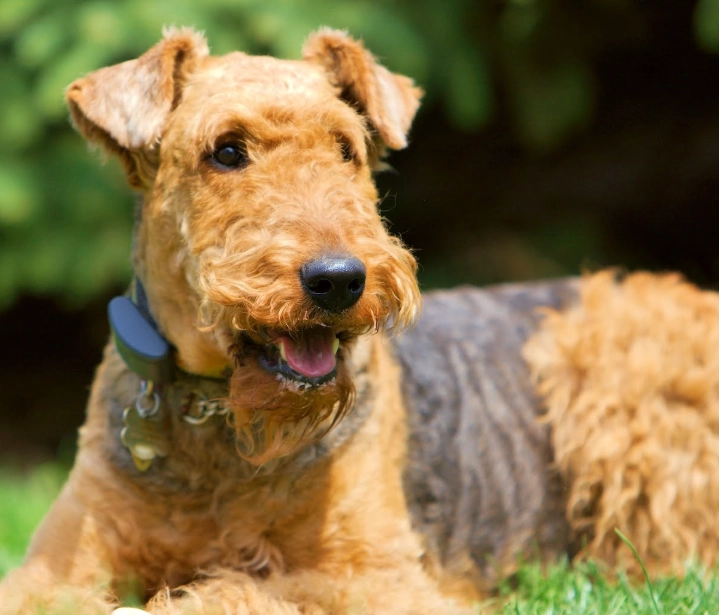
The Airedale Terrier Personality: Charismatic, Clever, and... Stubborn

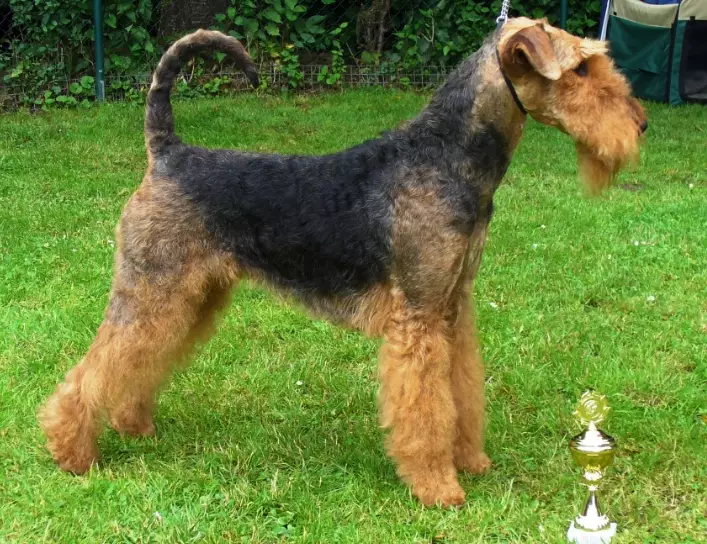
Are Airedale Terriers Good Family Dogs?
Key Considerations for Families

Training Your Airedale Terrier: Patience, Humor, and High-Value Treats
The Grooming Reality: It's a Commitment (and an Expense)

The Two Main Grooming Paths
Method What It Involves Pros Cons Cost/Frequency Clipping Using electric clippers to cut the coat short all over. Easier, faster, cheaper. Cooler in summer. Softens the coat texture over time (can become woolly). Doesn't protect as well from elements. Doesn't look "breed-standard." $60-$100 / Every 6-8 weeks Hand-Stripping Plucking dead topcoat hair out by hand or with a special knife. Encourages new wiry growth. Maintains proper coat texture & color. Better insulation & waterproofing. The "correct" show look. Time-consuming, requires skill, can be expensive. Many dogs dislike it if not acclimated early. $100-$200+ / Every 3-4 months Exercise Needs: More Than a Walk Around the Block
Common Airedale Terrier Health Issues
The Real Cost of an Airedale Terrier
Airedale Terrier FAQs: Answering Your Real Questions
Are Airedale Terriers good for first-time dog owners?
Do Airedales bark a lot?
Can Airedale Terriers live with cats or other small pets?
Are they aggressive?
How do I find a reputable Airedale Terrier breeder?
Final Thoughts: Is the Airedale Terrier Right for You?
Bottom Line Up Front: The Airedale Terrier is a large, intelligent, and energetic terrier. They are loyal family dogs but retain a strong independent streak and prey drive. They are not low-maintenance. They require consistent training, ample exercise, and regular, professional grooming. They are best for active owners who appreciate a dog with a big personality and don't mind a challenge.
Personal Take: Their independence is often labeled as "stubbornness." I think that's a bit unfair. It's more like they have a very robust internal cost-benefit analysis system. "Sit for a boring old treat? Pass. Sit for a piece of chicken or the chance to play fetch? Now we're talking." You have to learn to negotiate, not just command.
My friend's Airedale, Baxter, failed his beginner obedience class. Not because he couldn't do the commands—he got bored and started offering his own "tricks" (like spinning and barking) for treats, derailing the whole session. The trainer was flummoxed. We found a trainer who did advanced scent work instead, and he excelled. Sometimes you have to find their currency.
Pro Tip: The OFA database is public. You can (and should) look up a breeder's dogs by their registered names to verify health testing claims. Don't just take their word for it.
Comment