So you're thinking about getting a West Highland White Terrier, or maybe you already have one bouncing around your home. These little white dogs are full of personality, but they come with quirks that can trip up new owners. I've had my Westie, Max, for over a decade, and let me tell you, there's more to them than just a cute face. This guide dives into everything from grooming nightmares to health hiccups, based on real experience and common pitfalls.
Quick Jump to Sections
Understanding the West Highland White Terrier Breed
West Highland White Terriers, or Westies, originated in Scotland for hunting small game. They're tough, independent, and surprisingly stubborn for their size. If you expect a lapdog that obeys every command, think again. These dogs have minds of their own.
History and Origin
Bred from cairn terriers, Westies were developed to have white coats so hunters wouldn't mistake them for prey. That white fur isn't just for show—it's a historical trait that adds to their grooming needs.
Temperament and Personality
Westies are energetic and loyal, but they can be wary of strangers and other animals. I've seen owners frustrated when their Westie barks incessantly at the mailman. It's not aggression; it's territorial instinct. Socialization from puppyhood is non-negotiable.
One thing most guides miss: Westies are diggers. If you have a garden, prepare for holes. Max once dug up my entire flower bed in an afternoon. It's not malice; it's bred-in behavior from their hunting days.
Essential Care for Your Westie
Caring for a West Highland White Terrier isn't rocket science, but it requires consistency. Skip a grooming session, and you'll regret it.
Grooming Needs and Techniques
That white coat demands attention. Brushing 2-3 times a week prevents mats, especially behind the ears and under the legs. Use a slicker brush and a metal comb. Bathing too often? Big mistake. I learned the hard way—monthly baths with a hypoallergenic shampoo work best. Over-bathing strips oils, leading to dry, itchy skin.
Professional grooming every 6-8 weeks is a must for trimming. Here's a quick table to break it down:
| Grooming Task | Frequency | Tools Needed |
|---|---|---|
| Brushing | 2-3 times per week | Slicker brush, metal comb |
| Bathing | Once a month | Mild dog shampoo |
| Nail Trimming | Every 3-4 weeks | Dog nail clippers |
| Ear Cleaning | Weekly | Ear cleaner, cotton balls |
Many owners skimp on ear cleaning, but Westies are prone to infections. Check ears weekly for redness or odor.
Diet and Nutrition
Feed high-quality dry food formulated for small breeds. Westies can gain weight easily, so measure portions. Max gained a few pounds when I free-fed him; now I stick to two measured meals a day. Avoid table scraps—they often trigger skin allergies.
Health Concerns and Prevention
Westies are generally healthy, but they have breed-specific issues. Ignoring these can lead to vet bills and heartache.
Common Health Issues
Skin allergies top the list. Environmental triggers like pollen or food ingredients cause itching. My vet recommended omega-3 supplements, and it helped reduce Max's scratching. Luxating patella (knee dislocation) is another big one. Keep your Westie at a healthy weight to minimize joint stress.
Dental disease is rampant. Brush their teeth daily with a dog toothbrush. I neglected this early on, and Max needed a dental cleaning under anesthesia by age five. Not cheap.
Regular Vet Check-ups
Annual check-ups are crucial. Ask your vet about screenings for conditions like Legg-Calvé-Perthes disease, which affects hip joints. Early detection saves money and pain. According to the American Kennel Club, Westies are prone to certain genetic disorders, so choose a breeder who tests for these.
Here's a tip from my vet: Monitor for signs of liver shunts, especially in puppies. Symptoms include stunted growth or seizures. It's rare but serious, and many owners dismiss it as normal puppy behavior.
Training and Socialization
Training a West Highland White Terrier requires patience. They're smart but stubborn, so positive reinforcement works best.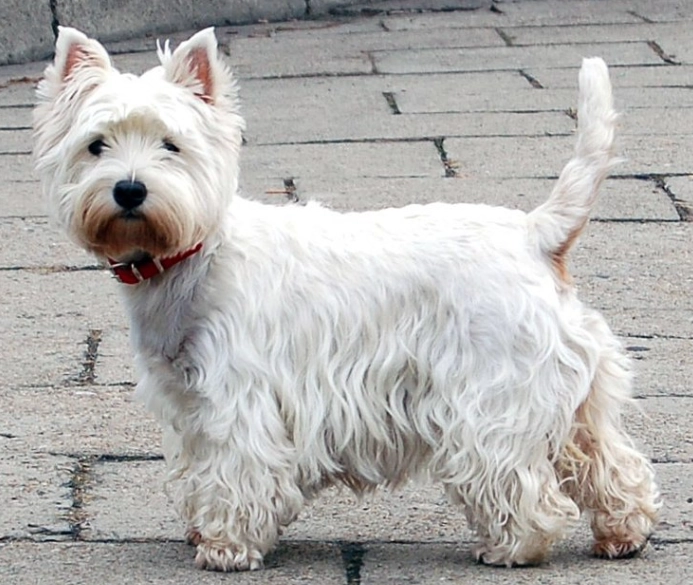
Basic Obedience Training
Start with commands like sit, stay, and come. Use treats and praise, but avoid harsh methods—Westies shut down if yelled at. Consistency is key. Max took weeks to master "stay," but short, daily sessions paid off.
Housebreaking can be tricky. Crate training helps, but don't leave them alone for long. Westies hate boredom and may chew furniture. Provide plenty of toys.
Socializing with Other Pets
Introduce your Westie to other dogs and people early. Dog parks can be overwhelming; start with controlled playdates. I made the mistake of taking Max to a busy park too soon, and he became reactive. Go slow, and always supervise interactions with smaller pets—their hunting instincts might kick in.
Frequently Asked Questions

Owning a West Highland White Terrier is rewarding if you're prepared. They're not low-maintenance, but their loyalty and spirit make up for the extra work. Remember, every dog is different; observe your Westie's habits and adapt. For more resources, check out the West Highland White Terrier Club of America's website for breed standards and health tips.
Reader Comments