You see the photos. The wrinkled brow, the playful stance, that signature underbite. Boxers look like perpetual comedians. But if you're considering bringing one into your home, you need to look past the memes. The Boxer temperament is a complex, powerful cocktail of traits that can make them the best dog you've ever owned—or a chaotic handful if you're unprepared. I've lived with Boxers for over a decade, through the puppy shark phase, the stubborn adolescence, and into the dignified (but still silly) senior years. Let's cut through the generic breed descriptions and talk about what living with a Boxer's personality is really like.
What's Inside: Your Boxer Temperament Roadmap
The Energy Reality: More Than Just "Playful"
Every breed description says "energetic." For a Boxer, that's an understatement. It's not just about needing a walk. It's a deep-seated, physical need for vigorous, meaningful exertion. A leisurely stroll around the block does nothing but frustrate them. I learned this the hard way with my first Boxer, Max. An hour-long walk would leave me tired, but he'd be home, pacing, with that "okay, when does the real exercise start?" look.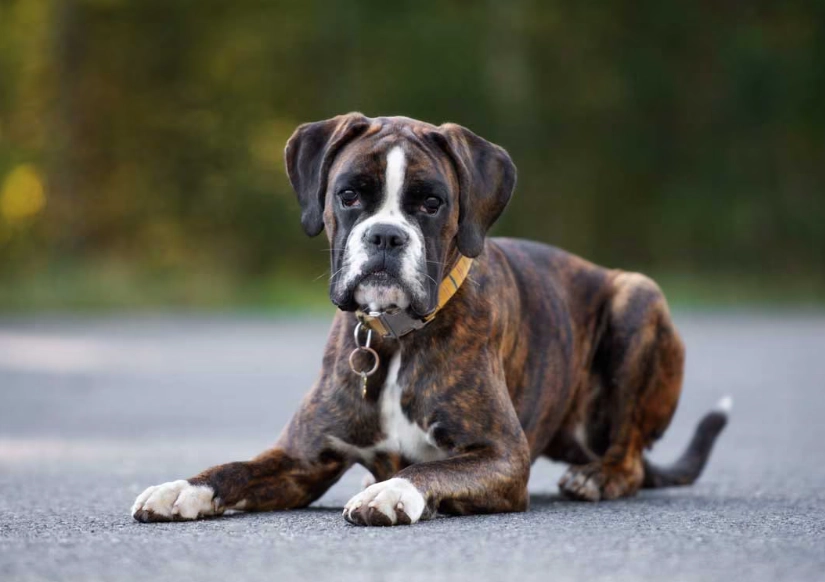
Their energy is coupled with a powerful build. This isn't a delicate dog. A full-grown Boxer in a playful zoomie session can clear a coffee table without touching it. You need a plan.
A Realistic Daily Energy Budget for a Boxer
Think in terms of intensity, not just time. Here’s what actually works:
- Morning (30 mins): High-intensity play. Fetch with a Chuckit! launcher in a secured area, flirt pole work, or a brisk jog. The goal is to get them panting.
- Midday (15-20 mins): Mental workout. A short training session focusing on impulse control (like "leave it" with high-value treats) or a snuffle mat with part of their kibble.
- Evening (45+ mins): Combination engagement. This could be a longer hike, advanced obedience practice, or a playdate with a known, compatible dog. Dog parks are a gamble—more on that later.
Without this structured outlet, that energy will find its own release. Chewing drywall, digging craters in the yard, obsessive barking. It's not malice; it's physics.
The Family Dog Truth: Kid-Friendly or Kid-Tolerant?
Boxers are famously listed as great with children. This is mostly true, but with critical, non-negotiable caveats that often get glossed over.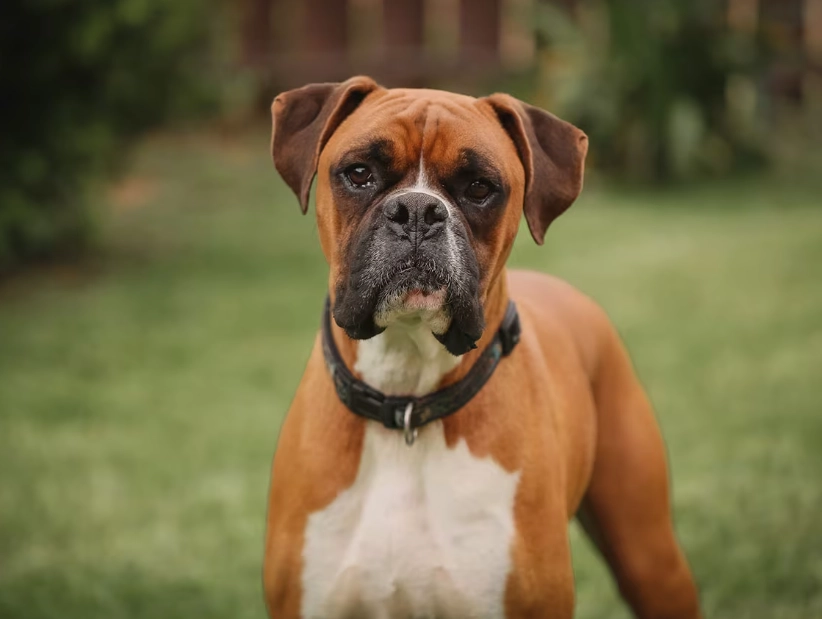
Their love is profound and protective. They often form a silent, watchful bond with the smallest human in the house. But their "playful" nature is designed for other sturdy canines. A happy Boxer play-bow involves a full-body slam. A joyful jump can knock over a toddler. The infamous "Boxer punch"—using their front paws like hands—is cute until it's aimed at a child's face.
The Supervised Introduction: A Non-Negotiable Rule
Never assume. Always actively manage interactions. Teach children to be calm around the dog. No screaming, running, or hugging (most dogs, including Boxers, hate being hugged). Teach the dog that calm behavior around kids earns rewards. This isn't a one-time lesson; it's the constant background setting of your household.
Where Boxers truly shine as family dogs is in their emotional attunement. They are shockingly sensitive to the mood of their people. A crying child will often bring a Boxer over to offer a concerned head-rest on a lap. They seem to understand their role as gentle guardians when the situation calls for it. This sensitivity, however, is a double-edged sword for their temperament.
The Training Challenge: Why "Stubborn" is the Wrong Word
Calling a Boxer "stubborn" is a rookie mistake. It implies a deliberate refusal. What you're actually dealing with is a combination of high intelligence and low motivation to please for the sake of pleasing. They are problem-solvers, not servants. If your command doesn't make sense to them or isn't worth their while, they'll simply opt out. I've seen a Boxer look at a treat, look at the "sit" command, and literally walk away to find a more interesting sunbeam.
The key is motivation and clarity. You must be more interesting than the environment.
| Common Training Struggle | Why It Happens (The Boxer's Perspective) | Expert Workaround |
|---|---|---|
| Ignoring recall at the park | "Chasing that squirrel is a higher-value life experience than your boring hot dog." | Practice recall ONLY in low-distraction environments first, with insane-value rewards (boiled chicken, cheese). Never call for something negative (like leaving the park). Make coming to you the best game ever. |
| Jumping on guests | "This is how I greet my dog friends! I am excited and must make contact!" | Manage the environment. Keep leashed behind a baby gate for initial greetings. Reward FOUR PAWS ON THE FLOOR obsessively. Teach an incompatible behavior like "go to your mat." |
| Selective hearing on walks | "Pulling gets me to the interesting smell faster. Your 'heel' command is inefficient." | Stop moving the nanosecond the leash tightens. Only move forward when the leash is loose. It's tedious but teaches them that politeness, not force, is what makes the walk progress. |
Positive reinforcement isn't just nice; it's the only method that works consistently with this breed. Harsh corrections break their spirit and trust, leading to a shut-down or anxious dog. The American Kennel Club's breed standard notes their "self-assured" nature—you have to work with it, not against it.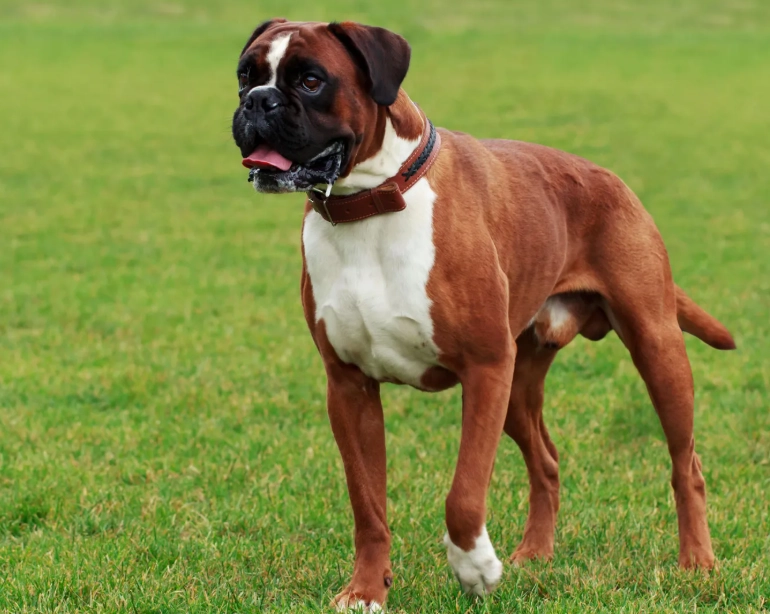
Socialization Isn't Optional: It's a Survival Guide
This is the biggest pitfall for new Boxer owners. Their natural wariness and protective instincts, if not properly channeled, can tip into reactivity or aggression. Socialization doesn't mean forcing your puppy to meet every person and dog. It means creating positive associations with a wide variety of sights, sounds, and experiences before they reach social maturity around 2-3 years old.
A poorly socialized Boxer can become that dog who barks ferociously at visitors, lunges on the leash, or is uneasy around men in hats. The foundation you build in the first 16 weeks is critical, but it must continue for years.
Focus on quality, not quantity. One positive, calm encounter with a mail carrier who tosses a treat is worth more than ten chaotic meetings at a pet store. Enroll in a well-run puppy class that emphasizes positive methods. Expose them to different surfaces, sounds (vacuum, thunder recordings played softly), and safe, calm adult dogs. The goal is a confident, neutral dog, not a social butterfly.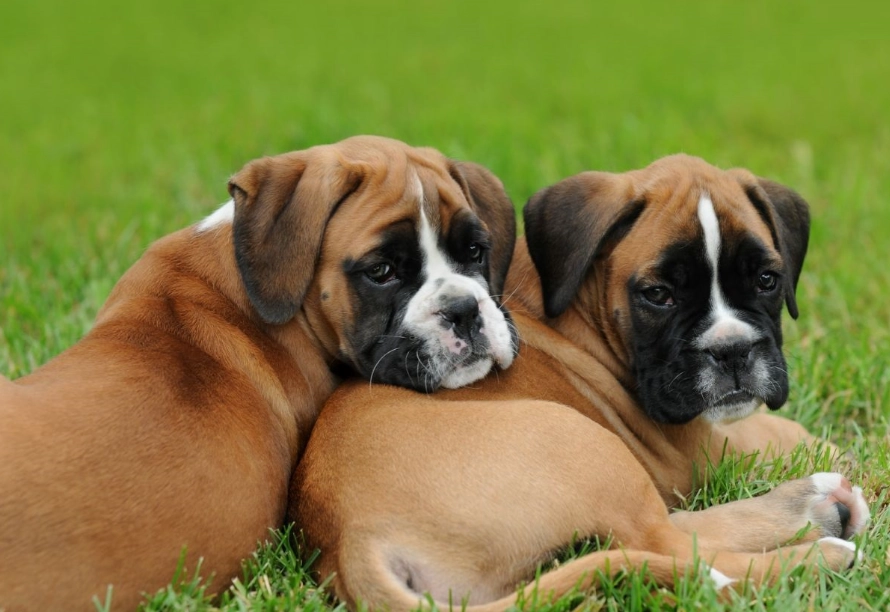
Your Top Boxer Temperament Questions, Answered
Living with a Boxer is a commitment to engaging with a powerful, intelligent, and deeply feeling creature. Their temperament isn't for the passive owner. It demands activity, consistent leadership, and an understanding of the sensitive soul behind the clownish exterior. Get it right, and you'll have a loyal, hilarious, and profoundly connected companion for life. Get it wrong, and you'll be dealing with a frustrated, destructive, and anxious 70-pound problem. The choice, and the work, is yours.
Reader Comments