You see a Bearded Collie, and the first thing that hits you is the glorious, windswept coat. It's iconic. But look closer, and you'll discover a fascinating world of color hidden within that shaggy exterior. From slate blue to chocolate brown, the palette of a Beardie is surprisingly diverse and governed by a unique genetic quirk. I've spent over a decade around these dogs, and I still get excited watching a puppy's true color reveal itself. This isn't just about aesthetics; understanding Bearded Collie colors is key to appreciating the breed's genetics and managing their high-maintenance coats properly.
Quick Navigation: What's Inside This Guide
The Four Official Bearded Collie Colors
Major kennel clubs like the American Kennel Club (AKC) and The Kennel Club (UK) recognize four base colors. Forget solid blocks of color—Beardies come in shades, often with white markings on the chest, feet, tail tip, and sometimes a blaze on the face. The classic look is a lighter shade on the eyebrows, inside the ears, on the cheeks, and under the tail. Here’s the breakdown you won't find in most basic lists.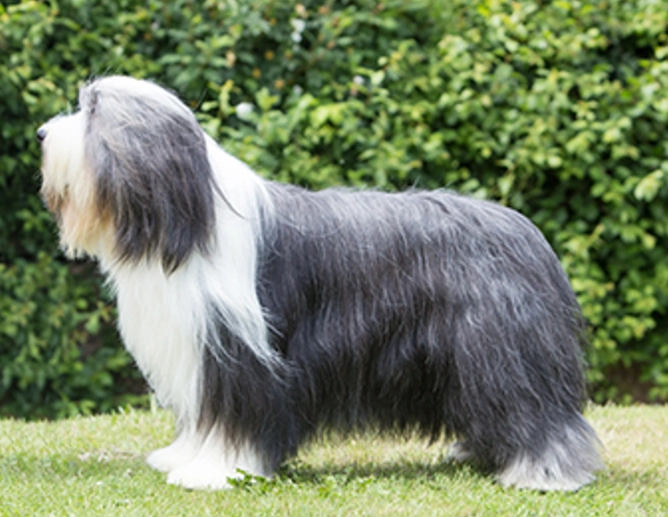
| Base Color | Puppy Appearance | Adult Appearance (After Fading) | Nose & Eye Rim Color |
|---|---|---|---|
| Black | Jet black or black with brownish tinge. | Shades of gray, silver, slate, or dark charcoal. The depth of fade varies wildly. | Black. Always black. |
| Blue | Solid slate blue, blue-gray, or silvery blue. Not a bright blue. | Light silver, pale gray, or a weathered blue tone. Often the most dramatic faders. | Blue-gray or slate. Not black. |
| Brown | Rich chocolate brown, sometimes almost reddish. | Warm sandy brown, café-au-lait, light chocolate, or beige. | Brown or liver-colored. |
| Fawn | Pale brown, cream, or sandy color. | Light cream, pale peach, or washed-out tan. The fade is less obvious but still occurs. | Brown, but may be lighter than brown dogs. |
Here's a nuance most new owners miss: the "brown" and "fawn" categories are genetically the same locus, just different intensities. A fawn is essentially a diluted brown. This is why you'll never see a brown Bearded Collie with black pigmentation—it's genetically impossible. If the nose is black, the dog is a fading black or blue.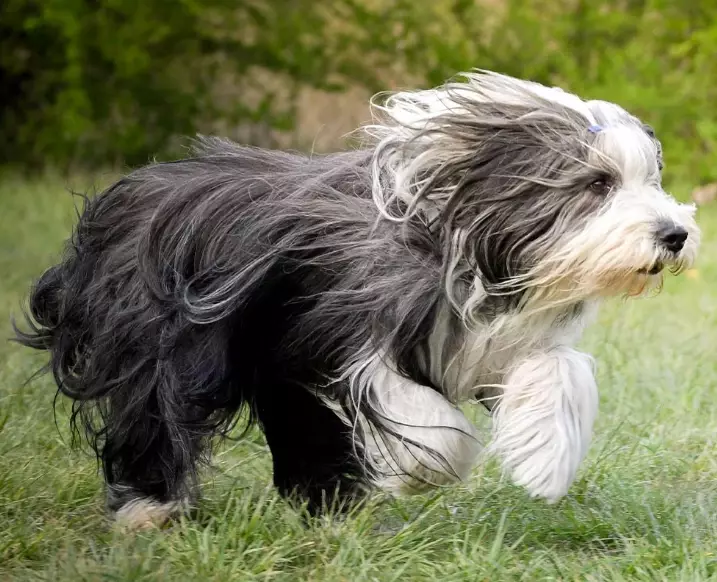
The "Fading" Gene: Why Your Black Puppy Turns Gray
This is the Beardie's party trick, and it trips up countless new owners. The progressive graying gene (the G locus) is what makes this breed so special. It's not a flaw; it's a breed signature. This dominant gene causes the production of pigment in the hair shaft to slow down and eventually stop as the dog matures.
Think of each hair as a printer that runs out of ink along its length. A puppy is born with full "ink," but as new hair grows in after puppy sheds, it comes in progressively lighter. The change starts around the muzzle and eyebrows, spreading over the body. It can take 2 to 4 years for the color to fully settle.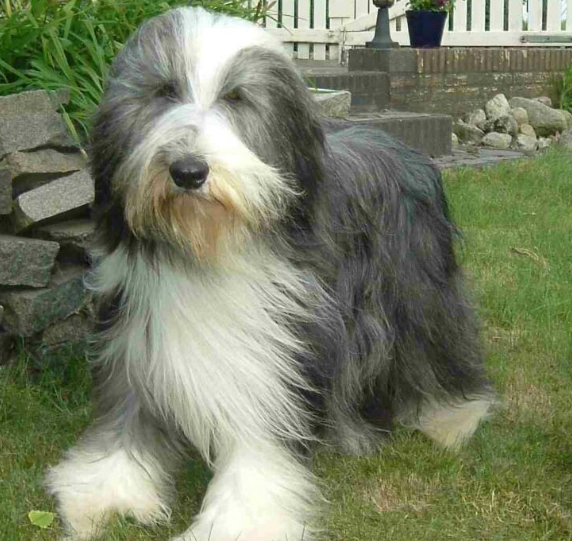
Pro Tip from a Breeder: Don't judge an adult Beardie's color by its puppy coat. That jet-black fluffball will almost certainly be some shade of gray. Look at the pigmentation—the color of the nose, lips, and eye rims. That stays true for life and tells you the genetic base color. A black-nosed puppy will always be a "black" genetically, even if he ends up platinum silver.
The rate and extent of fading are unpredictable. Two black puppies from the same litter can end up looking completely different—one a dark slate, the other a light silver. Sun exposure can accelerate the process, but the gene is doing the main work. Blues often fade the most dramatically, ending up with that ethereal, silvery sheen that's so sought after.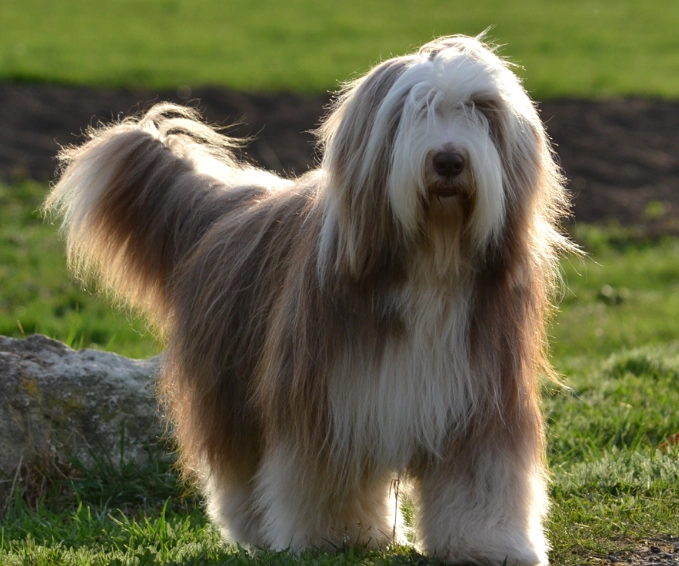
How Coat Color Impacts Grooming
This is where color gets practical. A Bearded Collie's coat is a commitment, and different colors present unique challenges. It's not that one color is easier, but the maintenance visibility and stain susceptibility vary.
Grooming Challenges by Color
Light Coats (Faded Grays/Silvers, Fawns): Every bit of dirt, grass stain, or tear stain shows up like a neon sign. You'll be doing more spot cleaning between full baths. A common mistake is using whitening shampoos too often, which can dry out the coat. Instead, focus on a good leave-in conditioner and regular brushing to prevent mats from trapping dirt.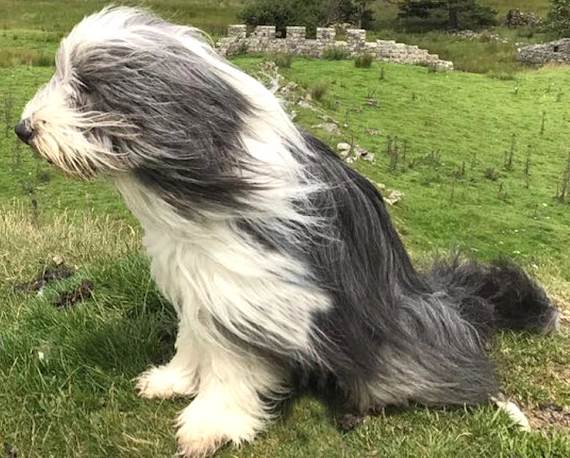
Dark Coats (Dark Slates, Browns): While they hide dirt better, they show chalky dandruff and dry, white skin flakes more easily. A diet rich in omega fatty acids is crucial. Also, sun exposure can bleach and coarsen the tips of dark hairs, giving a rusty or reddish tinge that many owners dislike. Using a coat spray with UV protection can help.
All Colors: The biggest grooming error I see? Brushing a dry coat. Beardie hair is fine and prone to breakage. Always mist the coat lightly with a detangling spray or conditioner-water mix before you run a brush through it. Start from the skin out, not just the top layer. Mats form at the skin first, especially in the armpits, behind the ears, and under the collar.
Bathing frequency is a hot topic. Every 4-6 weeks is a good average, but it depends on their lifestyle. Use a high-quality dog shampoo and always, always follow with a heavy conditioner. Rinsing takes forever—you think you're done, then squeeze a hind leg and get more suds. Incomplete rinsing is the top cause of itchy skin and dull coat.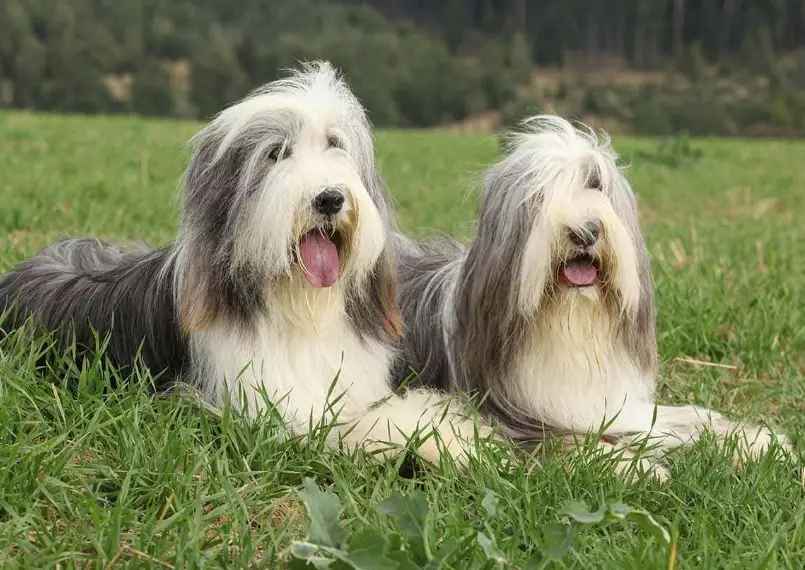
Expert Q&A: Your Color & Care Questions Answered
Ultimately, the color of your Bearded Collie is a beautiful, changing backdrop to their true essence: a bouncing, intelligent, and endlessly charming companion. Whether they end up the color of storm clouds, morning mist, or sandy beaches, the care they need—patient grooming, hearty exercise, and plenty of love—remains wonderfully consistent. Choose your Beardie for their heart and health, and let their unique coat color be the delightful, evolving bonus that it is.
Reader Comments