Let's cut to the chase. The answer to "Are Bearded Collies good pets?" is a resounding "it depends." For the right person or family, a Beardie is an absolutely fantastic, life-enriching companion. For others, they can be a chaotic, hairy handful that leads to regret. I've seen both outcomes. This isn't your typical breed overview that just lists traits. We're going to dig into what living with a Bearded Collie is actually like, the good, the bad, and the incredibly fluffy, to help you make an honest decision.
What to Expect in This Guide
Meet the Bearded Collie: More Than Just a Mop
Originating from Scotland, the Bearded Collie was bred to be an independent, hardy herding dog capable of working in rough terrain and weather. That heritage explains everything about their modern personality. They're not delicate lapdogs; they're sturdy, energetic thinkers with a double coat designed to repel water and dirt (which, spoiler, it does until it doesn't). Organizations like the American Kennel Club and The Kennel Club (UK) classify them as herding dogs, a group known for intelligence and drive.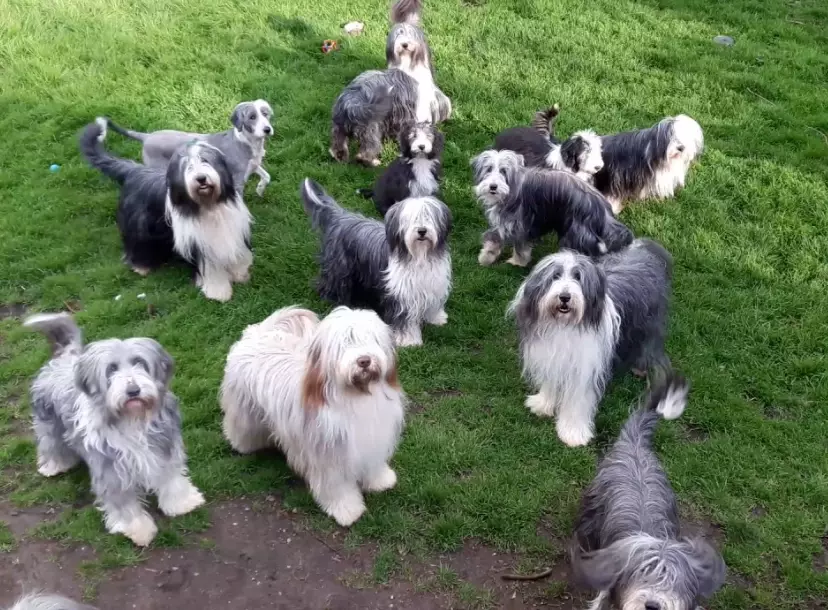
An adult Bearded Collie typically stands 20-22 inches tall and weighs 40-60 pounds. They live about 12-14 years. But numbers don't capture their essence. It's the bouncing, joyful trot and the intelligent, mischievous glint in their eyes that define them.
The Quick Verdict: Pros and Cons at a Glance
| The Good (The Reasons to Get One) | The Bad (The Reasons to Think Twice) |
|---|---|
| Unmatched, joyful personality: Bouncy, optimistic, and famously funny. | Extreme grooming demands: Daily brushing, regular baths, and professional grooming are non-negotiable. |
| Excellent with families: Gentle, playful, and patient with respectful children. | High energy & mental needs: Requires 1-2+ hours of vigorous exercise and brain games daily. |
| Highly intelligent & trainable: Excels in obedience, agility, and dog sports. | Can be stubborn & independent: That herding brain means they think for themselves. |
| Generally healthy breed: Fewer major genetic issues than some purebreds. | Not for neat freaks: Mud, water, slobber, and hair are part of the package. |
| Great with other pets: Usually good with dogs and can live with cats if socialized. | Prone to barking: They are vocal herders and watchdogs. |
This table is the snapshot. Now, let's get into the gritty, lived-in details.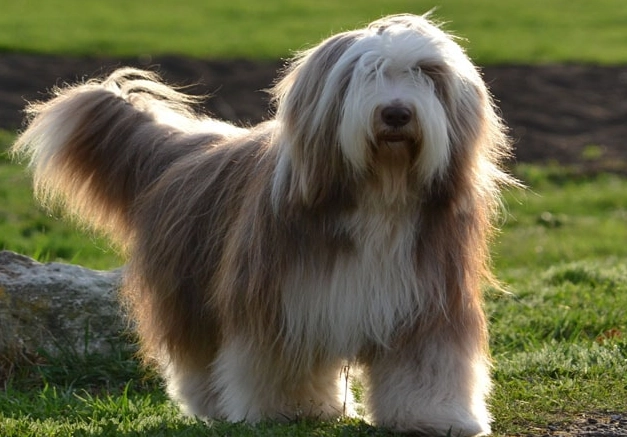
Why People Fall in Love with Beardies
If you can meet their needs, a Bearded Collie rewards you with a companionship that's hard to match.
That "Beardie Bounce" and Temperament
The phrase "Beardie Bounce" is real. They have a springy, joyful gait that reflects their outlook on life. They approach the world with a playful, often clownish, optimism. This makes them fantastic family dogs. They are typically incredibly patient and gentle with children, viewing them as part of their flock to play with and watch over. Their herding instinct is usually softer than a Border Collie's; they're more likely to bounce around you to gather you up than to stare intently or nip.
Intelligence That's Actually Fun
Beardies are smart, but not in an intense, neurotic way. They learn commands quickly and excel in activities like agility, flyball, and herding trials. Training them is engaging because they're willing partners—when they see the point. The key is making it a game. Forget repetitive drills; they get bored. A ten-minute training session with treats and laughter works better than an hour of stern repetition.
Surprising Adaptability (Within Reason)
While they are high-energy dogs, a well-exercised Beardie can be a calm house dog. They don't have the constant, frenetic pace of some working breeds. After a good run or play session, they are often content to lounge with the family. This adaptability means they can do okay in suburban homes with yards, provided their exercise needs are met religiously. They thrive on being included in everything, from hikes to errands to just hanging out in the yard while you garden.
The Real Challenges of Beardie Ownership
This is where many potential owners make their miscalculation. The challenges are significant and daily.
The Grooming: It's a Lifestyle, Not a Chore
This is the number one deal-breaker. That beautiful, shaggy coat is a magnet for everything: leaves, mud, burrs, water, food. More critically, it mats easily. We're not talking about a weekly brush. We're talking a thorough, 10-15 minute brushing session every other day, at a minimum. Use a slicker brush and a long-toothed comb, getting right down to the skin.
Every 6-8 weeks, they need a professional groomer for a bath, blow-dry, and trim (especially around the eyes, feet, and sanitary areas). If you neglect this, the mats close to the skin become painful, trap moisture, and can lead to skin infections. The cost and time commitment are substantial. I've met owners who thought they could handle it, only to resort to shaving their dog down completely—which ruins the coat's texture.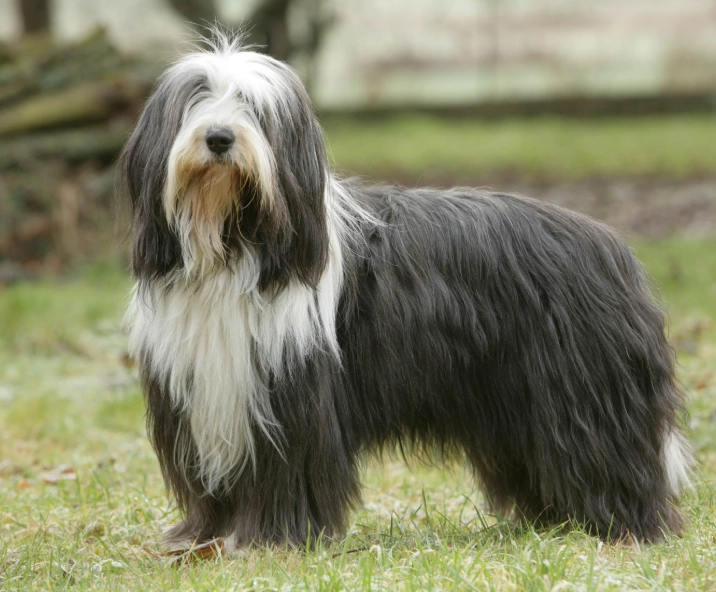
Exercise: More Than a Walk Around the Block
A leashed walk is not enough. These dogs need to run. They need to play fetch until they drop, go on long hikes, have secure off-leash time in a field, or participate in dog sports. Mental stimulation is just as crucial. Food puzzles, scent work, and learning new tricks are mandatory to prevent boredom. A bored Beardie is a destructive Beardie. They will find their own fun, which usually involves redecorating your couch or excavating your garden.
The Mess Factor
Be prepared for dirt. Their feathery feet track in mud. Their beards collect water and drool, which they will happily shake onto your walls and furniture. When they drink, it's a splash zone. When it rains, their undercoat can hold moisture and develop a... distinctive damp dog smell if not properly dried. This isn't a dog for immaculate white carpets.
Health Considerations
Generally healthy, but like all breeds, they have predispositions. Hip dysplasia is a concern, so buying from a reputable breeder who does health testing is crucial. They can also be prone to autoimmune diseases like Addison's disease and certain eye conditions. A good diet and maintaining a healthy weight are key to supporting their joints.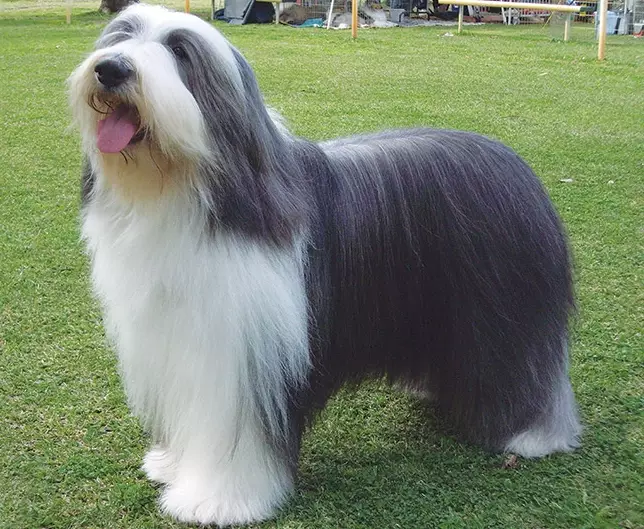
Is a Bearded Collie the Right Dog for You?
Let's paint two scenarios.
The Ideal Beardie Home: An active family with a fenced yard. Someone is home a good part of the day (they don't do well with 9-5 solitude). You have at least 90 minutes daily for dedicated dog exercise and play. You view grooming as a bonding activity, not a burden, and have the budget for regular groomer visits. You want a dog to be your adventure buddy and furry family clown.
A Recipe for Struggle: A sedentary person or family. Someone who values a perfectly clean house. A first-time dog owner who underestimates the needs of a working breed. An apartment dweller without immediate access to large, safe running spaces. Someone with very limited time.
If you're in the first group, you're in for an incredible experience. If you're in the second, please consider a lower-energy, lower-maintenance breed. There's no shame in it—it's about a good match.
Reader Comments