Let's cut to the chase. You're not just looking at pictures of a Black Basset Hound because you think it's a cute, low-rider dog. You're here because you're seriously considering bringing one of these soulful, droopy-eared companions into your life, or you've already got one and are digging for the real, unfiltered info the fluffy breed profiles skip. The black and tan Basset isn't a separate breed—it's a stunning and classic color variation of the standard Basset Hound. But owning one comes with a unique set of joys, challenges, and non-negotiable care routines that every potential owner needs to understand intimately.
I've lived with Bassets for over a decade. My first, a tri-color named Gus, taught me the basics. But my current shadow, a jet-black and rich tan boy named Winston, showed me the specifics of this particular coat and the personality nuances that sometimes get glossed over. This guide is that deep dive.
Your Quick Guide to the Black Basset Hound
What Exactly is a Black & Tan Basset Hound?
According to the American Kennel Club (AKC) breed standard, the Basset Hound's acceptable colors include "any recognized hound color." The black and tan combination is one of the most traditional and striking. It's not a rare color, but it's less common than the classic tri-color (black, white, and tan). The coat should be primarily black with clearly defined tan points above the eyes, on the muzzle, chest, legs, and under the tail. The texture is short, smooth, and dense—deceptively low-maintenance looking, but it sheds. Oh, does it shed.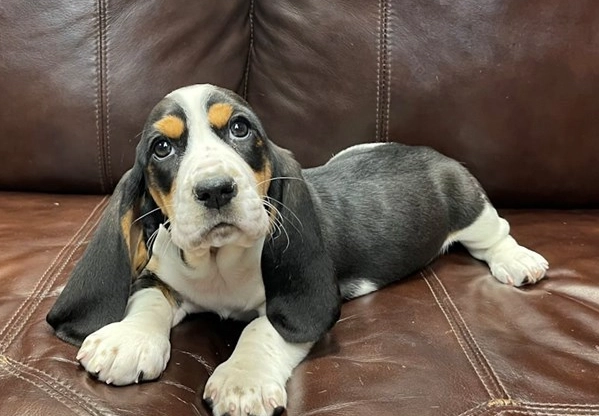
Here's the expert nuance most miss: the richness of the tan points can be an indicator of overall skin and coat health. A dull, washed-out tan might point to dietary deficiencies or underlying issues. A vibrant, rich tan on that deep black base is often a sign of a well-cared-for hound.
Breed Standard Snapshot: Low-set, heavy-boned scent hound. Height: under 15 inches at the shoulder. Weight: 40-65 pounds. Lifespan: 10-12 years. That short stature hides a surprisingly long and heavy frame—a key point for joint health.
Personality: Busting the "Lazy" Myth and Understanding the Nose
Calling a Basset Hound "lazy" is a massive oversimplification. They are energy efficient. They were bred to trail game at a slow, steady pace for miles, not sprint. A 20-30 minute sniffari (walk where they lead with their nose) is more exhausting for them than a 3-mile jog for a Border Collie. Indoors, they are champion loungers. But deny them their daily mental stimulation through scent work, and you might see boredom manifest as stubbornness, howling, or destructive chewing.
The black Basset Hound personality isn't defined by color, but individual temperament varies. Winston, my black and tan, is more reserved with strangers than my outgoing tri-color Gus was. He's a one-person shadow, deeply loyal but not overtly demanding of attention from guests. This isn't a breed trait per se, just an observation that color doesn't predict personality, but knowing the breed's baseline is crucial.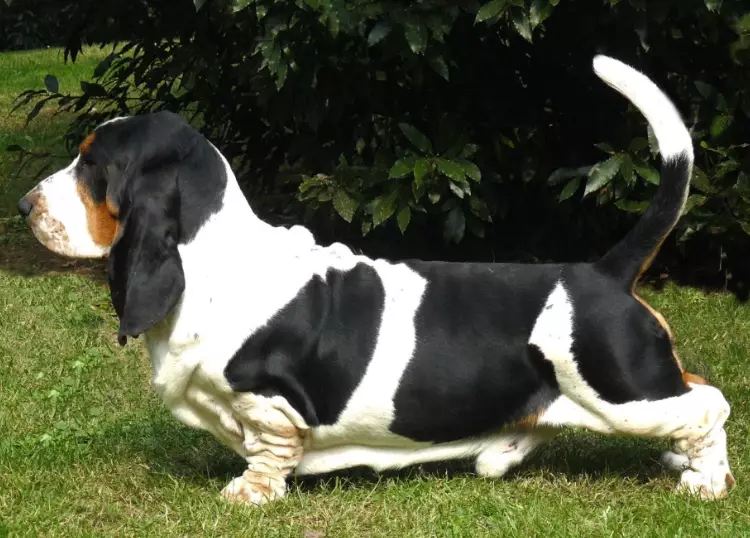
They are pack animals. Leaving them alone for 10 hours a day is a recipe for a miserable, vocal dog. They want to be near you, often leaning on you or following you room to room. That famous stubborn streak? It's independence. If a scent is more interesting than your "come" command, the scent will win every time. Training requires patience, high-value treats, and a good sense of humor.
The Nose-Driven Life: A Typical Day
Morning: Slow wake-up, stretch, breakfast. Mid-morning: 30-minute walk focused on sniffing, not distance. Afternoon: Long nap, preferably on a couch. Late afternoon: Puzzle toy with treats or a short training refresher. Evening: Another shorter walk or backyard sniff session, dinner, then evening cuddle on the sofa. This routine keeps them physically and mentally balanced.
Non-Negotiable Care: The Ears, Skin, and Joint Trifecta
This is where ownership gets real. If you skimp here, you will have a vet-bill-ridden, uncomfortable dog.
Ear Care: The Weekly Ritual
Those magnificent, velvety ears are a paradise for yeast and bacteria. Warm, dark, and poorly ventilated. You must clean them weekly, without fail. I use a vet-recommended ear cleanser. Pour it into the canal, massage the base of the ear for 20 seconds (you'll hear a squelching sound), then let the dog shake. Wipe out the accessible part with a cotton ball. Never use Q-tips deep in the canal. Signs of trouble: redness, a foul smell, excessive scratching. An infection can set in fast.
Skin and Coat Care for the Black Coat
The black coat can show dandruff more visibly. A high-quality diet with Omega-3 fatty acids is essential. They shed year-round, with heavier blows in spring and fall. A rubber grooming mitt or a deshedding tool used 2-3 times a week will keep loose hair under control. Bathing is only needed every 2-3 months unless they roll in something foul. Over-bathing strips natural oils and causes dry skin.
Joint Support from Day One
Their long back and heavy build predispose them to intervertebral disc disease (IVDD) and arthritis. Prevention is key.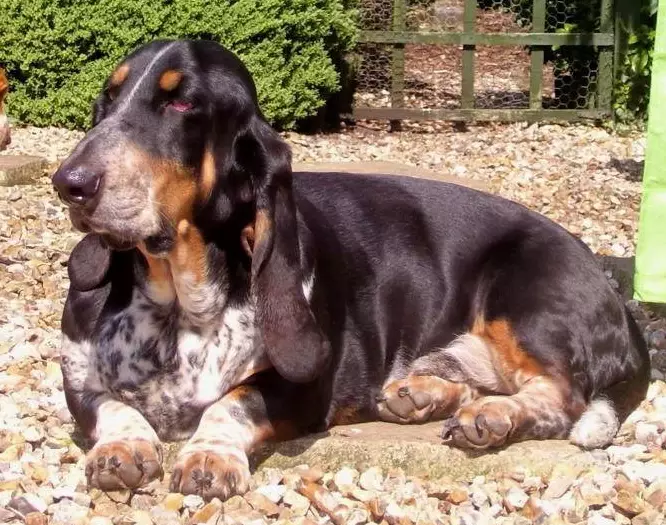
- No jumping on/off furniture. Use ramps or stairs.
- Keep them lean. Every extra pound stresses their frame exponentially. You should easily feel their ribs.
- Controlled exercise. No forced running on hard surfaces, especially as puppies. Their growth plates close slowly.
- Discuss joint supplements (glucosamine, chondroitin, MSM) with your vet early, often starting around age 4-5.
Health Deep Dive: What Reputable Breeders Screen For
Going to a breeder who health tests is non-negotiable. A "black Basset Hound puppy for sale" ad with no health clearances is a major red flag. Reputable breeders will provide Orthopedic Foundation for Animals (OFA) or similar certifications for the parents. Key screenings include:
- Hips and Elbows: For dysplasia. OFA "Good" or "Excellent" ratings are what you want.
- Eyes: Certified by a veterinary ophthalmologist to rule out glaucoma and other issues.
- Thrombopathia: A Basset-specific bleeding disorder. Parents should be tested clear.
- Patellar Luxation: Kneecap issues.
Even with tested parents, be prepared for common issues: ear infections, gastric torsion (bloat)—feed smaller, more frequent meals and avoid exercise around meals—and hypothyroidism. Having pet insurance from puppyhood is one of the smartest financial decisions you can make for this breed.
The Real Cost of a Basset Hound Black: First Year & Beyond
Let's talk numbers, because surprises here hurt. This is a mid-range to high-cost breed to maintain properly.
Initial Purchase (Reputable Breeder): $1200 - $2500. This includes health testing, early vet care, and socialization.
Start-Up Costs (First Month): ~$1000. Crate, quality bed, ramps, bowls, harness/leash, initial vet visit/vaccines, microchip, puppy-proofing, insurance deposit.
Annual Recurring Costs:
- High-Quality Food: $600 - $900
- Pet Insurance: $600 - $1000 (highly variable by plan)
- Routine Vet Care (check-ups, preventatives): $400 - $700
- Grooming Supplies/Treats/Toys: $300 - $500
Potential "Oh No" Fund: Always have a $2,000 - $5,000 emergency fund or credit available. IVDD surgery can cost $5,000-$10,000.
Adoption is a wonderful option. Basset Hound rescues often have adults and seniors. Adoption fees are typically $300-$600 and include vetting. You might skip the puppy stage but inherit unknown health histories. It's a trade-off.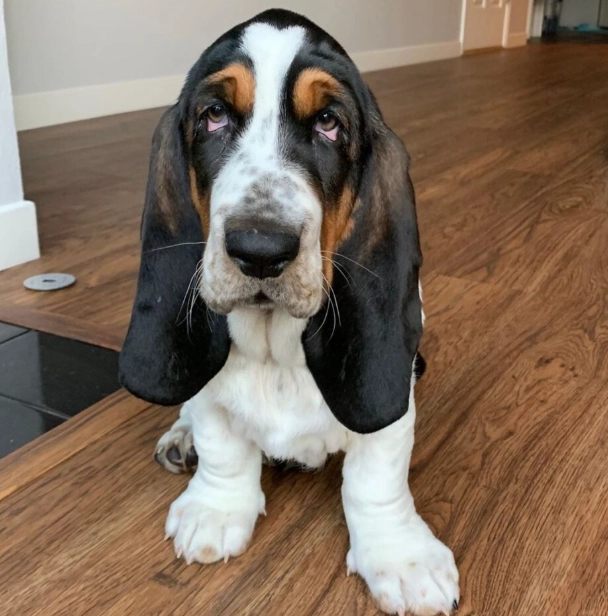
Your Top Questions, Answered Honestly
The Black Basset Hound is a heart-stealer with a face that launches a thousand sighs. But behind those mournful eyes and that sleek coat is a dog with specific, unwavering needs. They are not a low-maintenance pet, but for the right person—someone who values companionship over obedience, who doesn't mind a bit of drool and a lot of shedding, and who is committed to the weekly ear-cleaning ritual—they are an utterly devoted, charming, and endlessly entertaining friend. Do your homework, find a responsible source, and be prepared. In return, you'll get a unique brand of canine love that's as deep and enduring as their signature color.
Reader Comments