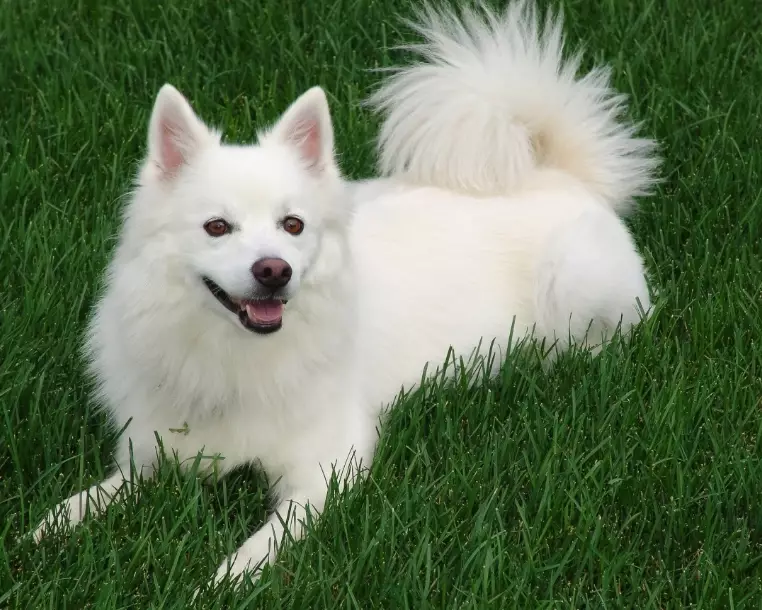
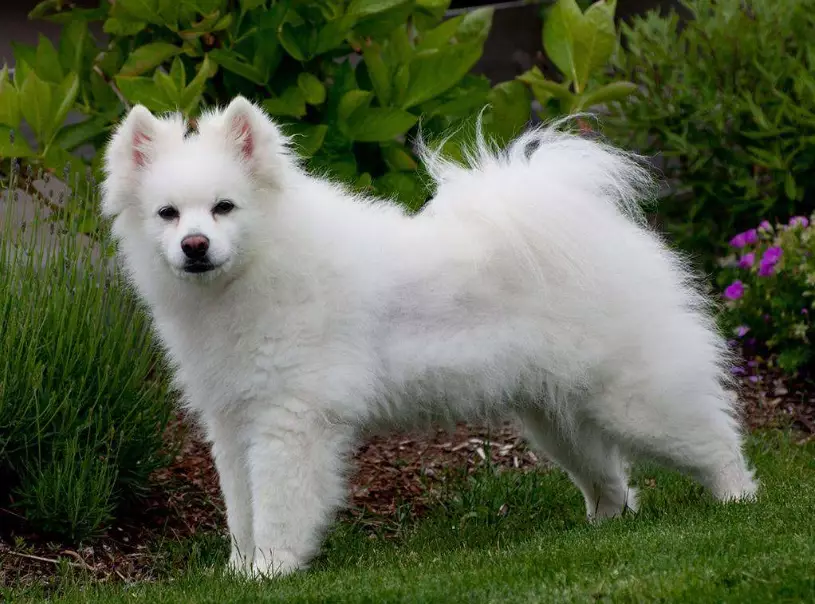
Okay, let's talk about the American Eskimo Dog. You've probably seen one – that stunning ball of white fluff with the jet-black nose and eyes that look like they know all your secrets. Maybe you saw one prancing in a dog show, or a neighbor has one that barks a perfectly timed greeting every time you walk by. They're hard to miss. But here's the thing a lot of websites and fluffy breed descriptions gloss over: this dog is a lot. A lot of smart, a lot of energy, and oh boy, a lot of hair. I've had an "Eskie" for eight years now, and while I wouldn't trade him for the world, I wish someone had sat me down for a real, honest chat before I brought him home. That's what this is. This isn't just a breed profile; it's a survival guide, a reality check, and a love letter all rolled into one. So, you're thinking about an American Eskimo Dog? Good. You're in the right place. We're going to strip away the marketing and get into what living with this breed is actually like – the glorious, the challenging, and the fur-covered. First, a quick history lesson because it explains a lot. Despite the name, the American Eskimo Dog has zero historical connection to Eskimo cultures. The breed developed right here in the U.S., primarily from white German Spitz dogs brought over by European immigrants. They were popular in circuses and vaudeville acts in the early 1900s because of their intelligence, trainability, and show-stopping looks. The name "American Eskimo" was adopted during World War I, likely due to anti-German sentiment – a marketing rebrand, if you will. They're part of the Spitz family, which includes breeds like the Samoyed, the Pomeranian (yes, really – think of an Eskie as a Pomeranian's bigger, more athletic cousin), and the Siberian Husky. You can see the family resemblance in the pointed ears, the thick double coat, and that curled tail that rests so perfectly on their back. The American Eskimo Dog comes in three size varieties, which is a crucial detail many prospective owners miss. It's not just one size. All three share the exact same personality and care requirements. A Toy American Eskimo Dog isn't a lapdog by nature; it's a working dog in a small package. If you want a dog that's just a living, breathing stuffed animal, look elsewhere. The Eskie's beauty is a trap for the unprepared. This is a dog with a PhD in Problem-Solving and a minor in Drama. They are incredibly alert and devoted to their family. This makes them excellent watchdogs. I've never had a package stolen, I'll tell you that much. The flip side is the barking. It's not casual barking; it's a sharp, loud, purposeful alert bark for everything – a leaf blowing by, a car door shutting three houses down, a suspicious-looking squirrel. Training can manage it, but you will never have a silent American Eskimo Dog. If you need absolute quiet, this is a dealbreaker. They are often described as "reserved" with strangers, which is accurate. They're not typically aggressive, but they aren't the golden retriever that loves everyone instantly. They'll assess a new person from a distance, often while letting out a few warning barks, before deciding if they're worthy of a tail wag. This makes socialization from puppyhood non-negotiable. With their family, they are affectionate, playful, and often downright clownish. Sam has a whole repertoire of silly poses to get a laugh (and a treat). They form incredibly strong bonds and can be velcro dogs, following you from room to room. This can tip over into separation anxiety if they're not taught to be alone. This is a big one. An American Eskimo Dog can be a wonderful family dog in the right family. They are usually great with respectful children they are raised with. Their playful, energetic nature matches well with kids who want to run and play. They can also be a bit possessive of their toys, food, and favorite people. This is manageable with training, but it's something to watch, especially with toddlers who don't understand boundaries. Let's be brutally honest about the coat. That gorgeous, pure-white, double coat is a commitment. It's not a "brush once a week" situation. It's a "this is part of your weekly chores now" situation. The outer coat is straight and water-resistant. The undercoat is dense, soft, and woolly. It acts as insulation, keeping them cool in summer and warm in winter. And it sheds. Oh, does it shed. You'll have tumbleweeds of white fur. Twice a year, during "blow-out" seasons (spring and fall), the undercoat comes out in clumps, and you will question all your life choices. It's everywhere. Here's the non-negotiable grooming routine for an American Eskimo Dog: Many owners, myself included, opt for professional grooming every 6-8 weeks for a thorough de-shedding treatment and sanitary trim. It's worth every penny for your sanity and their comfort. The official breed standard from the American Kennel Club (AKC) discourages excessive trimming, but a tidy-up is common for pets. An under-exercised American Eskimo Dog is a nightmare. A bored, intelligent dog with energy to burn will become destructive, bark excessively, and develop neurotic habits. A daily walk around the block isn't going to cut it. Physical Needs: Aim for at least 60-90 minutes of activity daily. This can be split into two walks plus playtime. They excel at dog sports – agility, rally obedience, nose work, and trick training are perfect outlets. A good game of fetch in a safely fenced area is a winner. They love it. Training Philosophy: Forget harsh corrections. American Eskimo Dogs are sensitive and proud. They shut down if you're heavy-handed. Use positive reinforcement – treats, praise, play. Be consistent, be patient, and make it fun. They want to please you, but they also want to know "what's in it for me?" Obedience training is mandatory, not optional. Start the day you bring them home. Focus on the basics: sit, stay, come, leave it, and a solid "quiet" command for the barking. Crate training is also a lifesaver for housebreaking and giving them a safe den. Socialization means exposing them positively to all sorts of people, dogs, sights, and sounds during their critical puppy period (up to about 16 weeks). A well-socialized Eskie is a confident, well-adjusted adult. Check resources from the American Veterinary Medical Association (AVMA) for safe socialization guidelines. Generally, the American Eskimo Dog is a healthy, robust breed with a lifespan of 13 to 15 years, sometimes longer. But like all purebreds, they have some predispositions. Being aware helps you catch things early. The number one issue, in my experience and from talking to vets and other owners, is luxating patellas (slipping kneecaps). This is especially common in the Toy and Miniature varieties. You might see them skip a step or hold a leg up for a moment. Mild cases are managed with weight control and supplements, severe cases need surgery. Other conditions to be aware of include: The single most important thing you can do for their health? Keep them lean. An overweight American Eskimo Dog is at massively higher risk for joint problems, diabetes, and heart disease. You should be able to easily feel their ribs under a thin layer of fat. No fat rolls. That beautiful fluffy coat hides weight gain incredibly well, so get hands-on at least once a month. This is a major decision. A well-bred puppy from a responsible breeder is a significant investment, often ranging from $1,500 to $3,000. That price should come with health clearances for the parents (OFA hips, patellas, eye exams, PRA DNA test), a health guarantee, and a breeder who interviews you as thoroughly as you interview them. Ask to meet the parents. See the conditions. A good breeder will be a resource for the dog's entire life. They will take the dog back at any time if you can't keep it. Avoid anyone who has multiple litters available, sells puppies online with no questions, or can't provide health documentation. Rescue is a fantastic option. There are dedicated American Eskimo Dog rescues across the country, like the Eskie Rescuers United American Eskimo Dog Rescue. You can often find young adults or even puppies. The benefit is that you're giving a dog a second chance, and many rescue dogs are already housebroken and have some basic manners. The challenge can be not knowing their full history, which may come with some behavioral baggage to work through. Look, I adore my American Eskimo Dog. He's my shadow, my comedian, my furry alarm system. He makes me laugh every single day. But he's also a responsibility I feel keenly. This breed is perfect for someone who: They are a terrible fit for someone who: Do your homework. Meet some in person. Talk to owners, breeders, and rescuers. If, after all that, you still look at that fluffy white dog and think, "Yeah, I'm up for the challenge," then buckle up. It's going to be a wonderful, hairy, noisy, amazing ride. And maybe buy a second vacuum.What's Inside
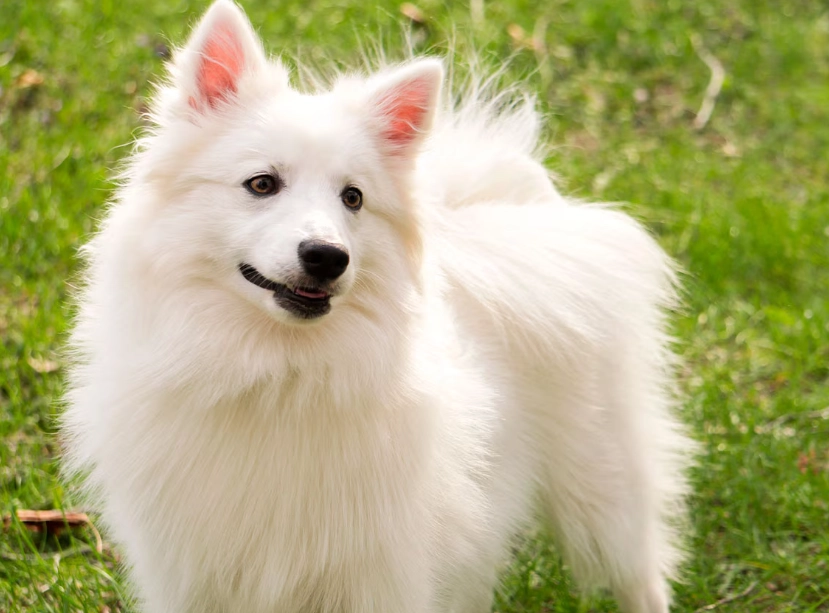
What Exactly Is an American Eskimo Dog, Anyway?
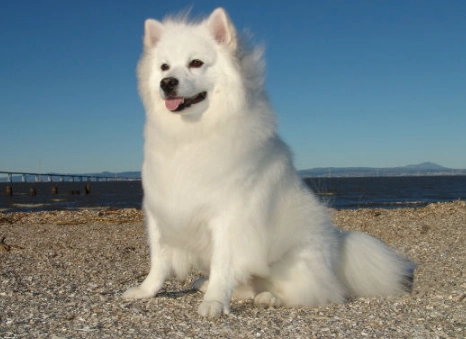
Variety Height (at shoulder) Weight My Take: Best For... Toy 9 to 12 inches 6 to 10 lbs Apartment dwellers who still want a sturdy little dog. Less "yappy" than some toys, but still vocal. Miniature 12 to 15 inches 10 to 20 lbs The most common size. A great "Goldilocks" option – not too big, not too small. Standard 15 to 19 inches 18 to 35 lbs Families with space and an active lifestyle. Feels more like a "real dog" but with all the Eskie traits. The American Eskimo Dog Personality: More Than Just a Pretty Face
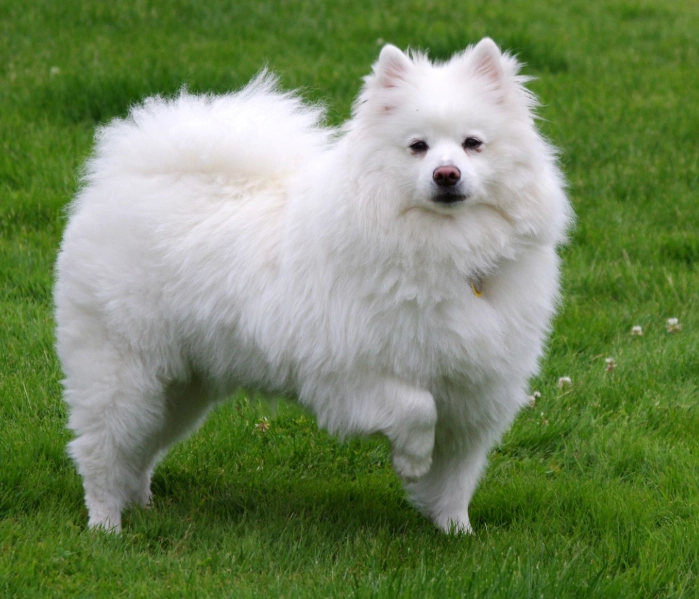
Are They Good Family Dogs?
The Real Deal on Grooming: It's a Lifestyle
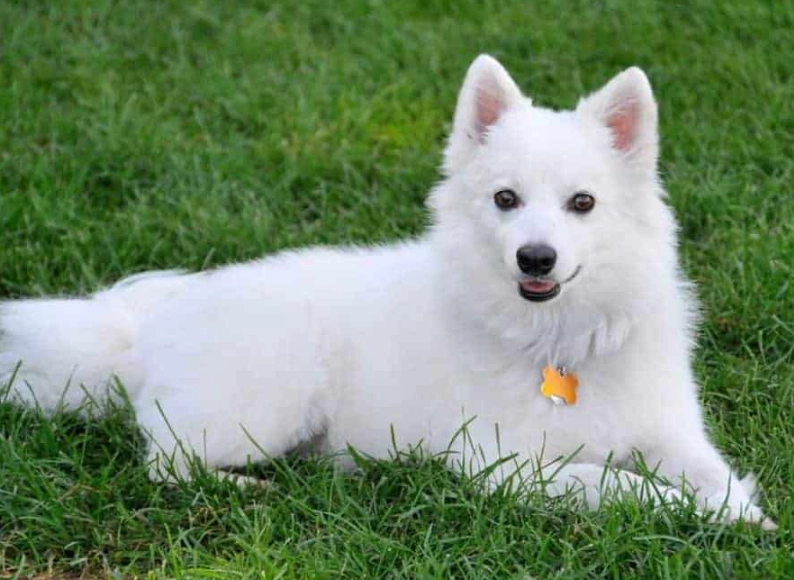
Keeping an Eskie Happy: Exercise and Training
Health and Lifespan: What to Watch For
Finding Your American Eskimo Dog: Breeder vs. Rescue
Your Burning Questions, Answered
Final Thoughts: Is the American Eskimo Dog Right for You?
The American Eskimo Dog isn't just a pet; it's a partnership. They give you their whole heart, their fierce loyalty, and their brilliant minds. In return, they ask for your time, your engagement, and your understanding. If you can provide that, you'll have a companion like no other.
I remember the first time I saw my Eskie, Sam. He was a tiny, cloud-like puppy tumbling over his own paws. I thought, "How much trouble could this little marshmallow be?" Famous last words. He chewed through a TV remote, learned how to open the pantry, and his barking... we'll get to that.
Intelligence is their defining trait. They learn commands frighteningly fast. Sam knew sit, stay, and roll over in a weekend. The downside? They get bored even faster. If you don't give them a job, they'll invent one, and you probably won't like their ideas (e.g., "redecorating" the couch, "sorting" the trash).
However, their sensitivity is a key factor. They do not respond well to chaos, yelling, or rough handling. A loud, hectic household will stress them out, and a stressed Eskie is a barky, potentially nippy Eskie. They thrive on routine and calm, confident leadership.
Mental exercise is just as important as physical. These dogs need to use their brains. A 30-minute sniffy walk where they puzzle out smells is more tiring than a 60-minute mindless trot.
Do American Eskimo Dogs shed a lot?
Yes. Unequivocally, yes. They are heavy shedders. If you or a family member has allergies or an immaculate house is a priority, this is not the breed for you. You will have fur on your clothes, in your car, and probably in your food. Invest in a good robot vacuum.
Are they easy to train?
They are fast learners, which is different from "easy." They learn what you want quickly, but they also learn what they can get away with quickly. They can be stubborn if they see no point in the command. Keep training sessions short, fun, and rewarding.
Can an American Eskimo Dog live in an apartment?
The Toy and Miniature varieties can, if their exercise and mental stimulation needs are rigorously met. They are active indoors and need multiple walks and play sessions daily. A standard-sized Eskie in a small apartment is a much bigger challenge. Regardless of size, be considerate of neighbors regarding barking.
Do they get along with other pets?
They can, especially if raised together. Their high prey drive (a Spitz trait) means they may chase cats, rabbits, or small furry pets. Slow, supervised introductions are key. They often do well with another dog as a playmate, but some can be same-sex aggressive.
Why is my American Eskimo Dog's fur turning yellow or brown?
Usually saliva stains (from licking paws or other areas), tear stains, or environmental staining from dirt or grass. Regular grooming, keeping the face dry, and using a whitening shampoo can help. Sometimes diet or allergies contribute. Check with your vet to rule out a skin infection causing excessive licking.
Comment